

 Shadreck Chikoti

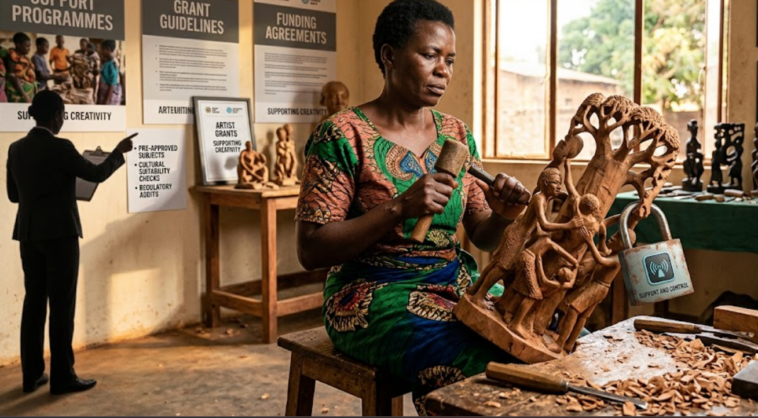
The problem we have with international organisations that are supposed to assist and support artists in Malawi is that they often take the place of the artists themselves. Instead of being enablers, they become implementers. This is especially true for international organisations run by Malawians.
They receive opportunities for artists to submit proposals to their international offices through them, but what do they do instead? In the first place, they are secretive about these opportunities. In the second place, instead of sharing them openly, they choose to partner with artists, and once the funding comes in, they take control of it. The artist is reduced to a subsidiary.
Much of the funding is spent on workshops for artists, awareness campaigns, sharing ideas, and developing policies, year in and year out. An organisation that continuously spends money on capacity-building workshops raises an important question: when will the artist actually gain the capacity to operate independently?
They spend time in the field conducting research, collecting material, building websites on culture and heritage, and investing in archiving and promoting various aspects of art for years. Why, it often appears, to keep the resources within their own structures.
Instead of being enablers, they become gatekeepers, institutions that artists fear. There is a real concern that speaking against them may lead to being blacklisted, and such blacklisting can be devastating for an artist. These organisations are deeply embedded across the industry. They influence access, visibility, and participation. If they shut you out, you risk losing relevance, missing opportunities, and being excluded from important platforms.
In effect, they suppress growth and take the industry a few steps backwards. They rarely advocate for artists or fight for their interests. In fact, when an artist begins to grow independently, it is often met with resistance. Such growth threatens their control, especially if it attracts the attention of international offices that may ask why that artist was never brought forward.
When opportunities come directly to artists without passing through these organisations, the reaction is often hostility. This reveals a deeper issue, that their commitment is not truly to the arts or to artists, but to their own position and control.
There are many opportunities out there. The same organisations operating in Malawi are achieving meaningful impact for artists in other parts of Africa. This contradiction is telling, and it is something that must stop.
This post was created with our nice and easy submission form. Create your post!

Written by
Did this story move you? Every gift goes directly to Shadreck Chikoti — writers on Muwado earn from reader appreciation, not algorithms. Even $1 makes a difference.




Muwado weekly chart
Get Africa’s top 10 stories every Thursday
No account needed — just your email.
Want to follow Shadreck Chikoti and get notified every time they publish?
Create a free Muwado account →