

 Ahmed Didaati

MENGO, Kampala
Article Quick-Read
- Event: 33rd Coronation Anniversary Celebrations of Kabaka Ronald Muwenda Mutebi II
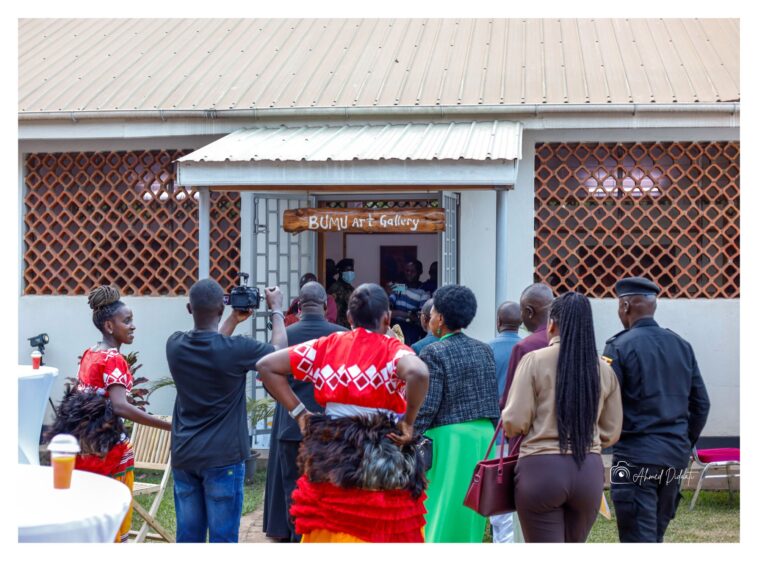
- Venue: BUMU Art Gallery, Mengo
- Theme: “Fortitude as We Preserve Our Heritage”
- Featured Artist: Fred Mutebi
- Subject: Olubugo (Buganda Barkcloth)
For centuries, the bark of a tree has carried something larger than its physical weight in Buganda.
It has clothed people, marked ceremonies, been associated with royalty and burial, and carried knowledge from one generation to another.
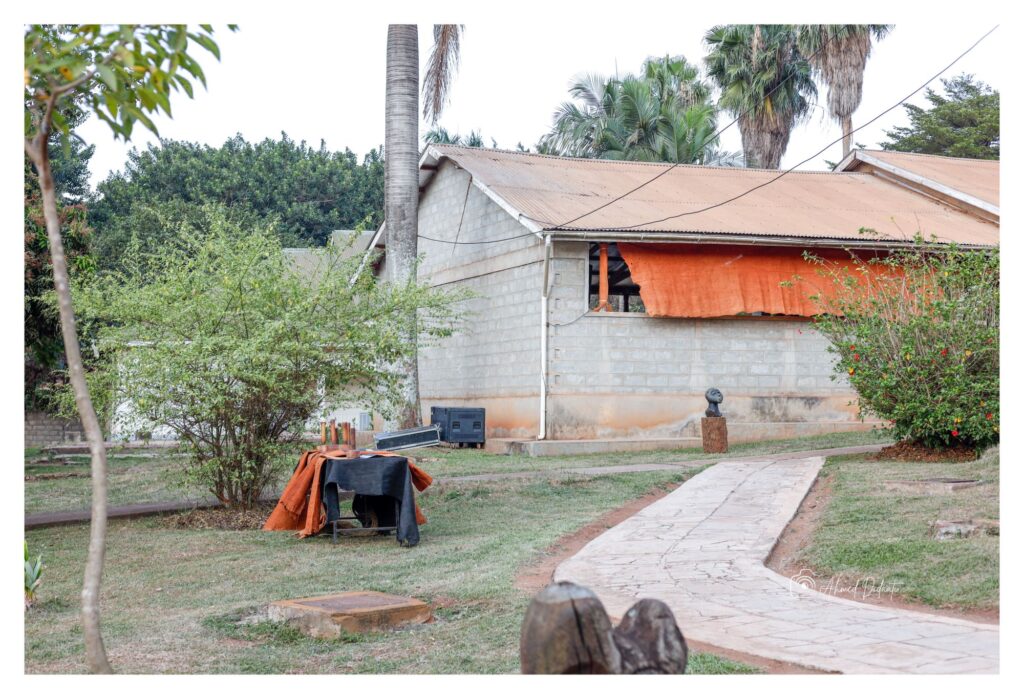
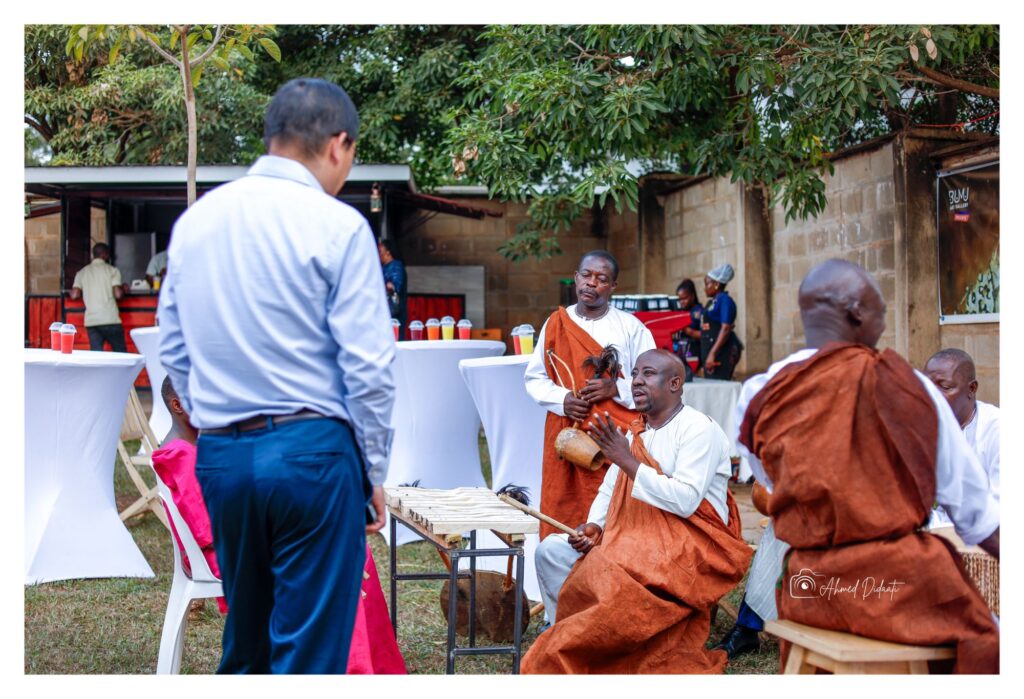
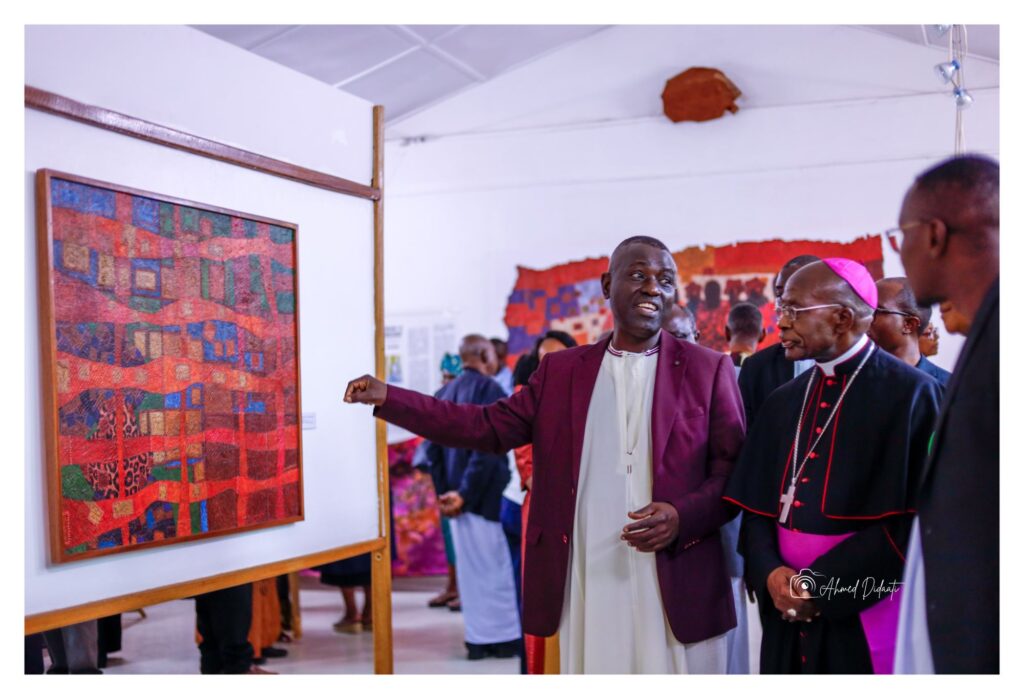
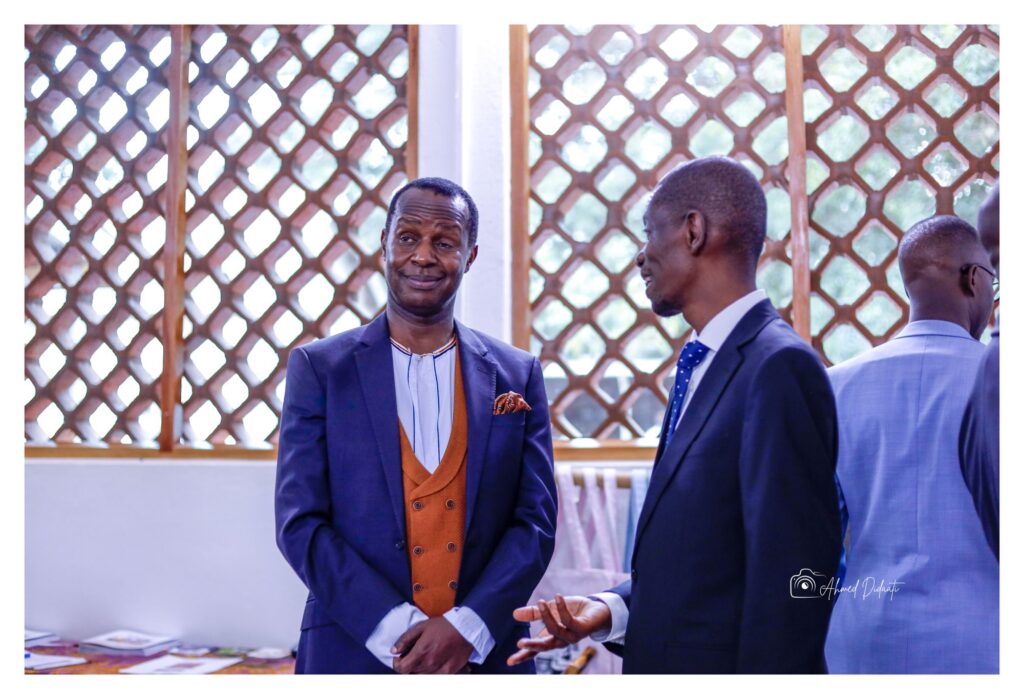
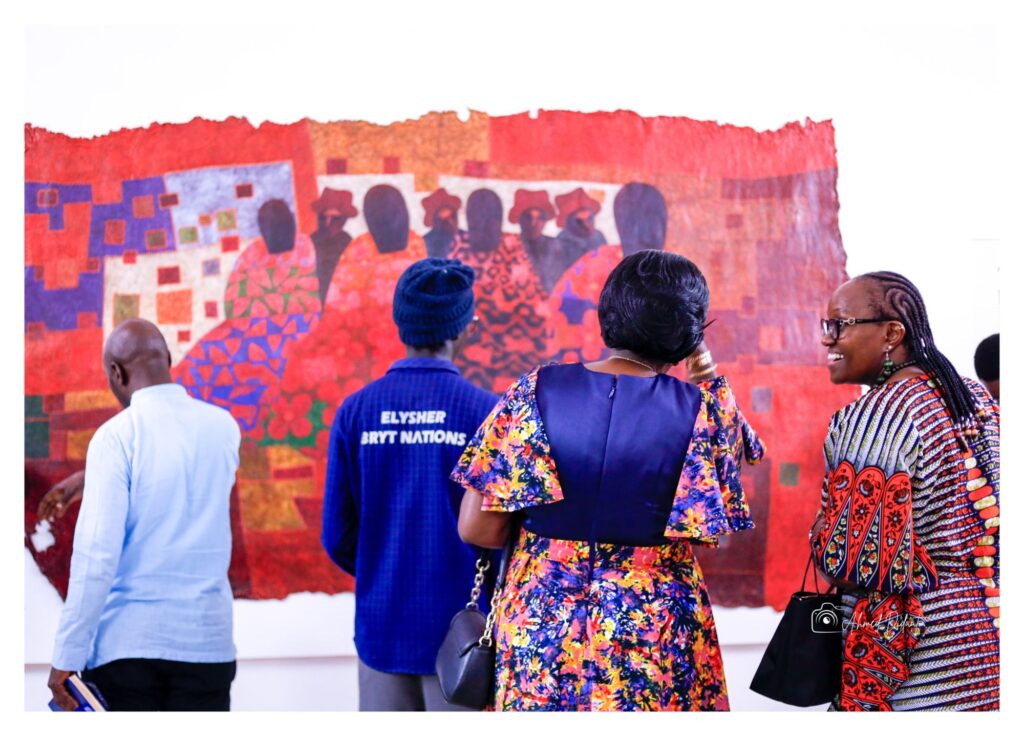
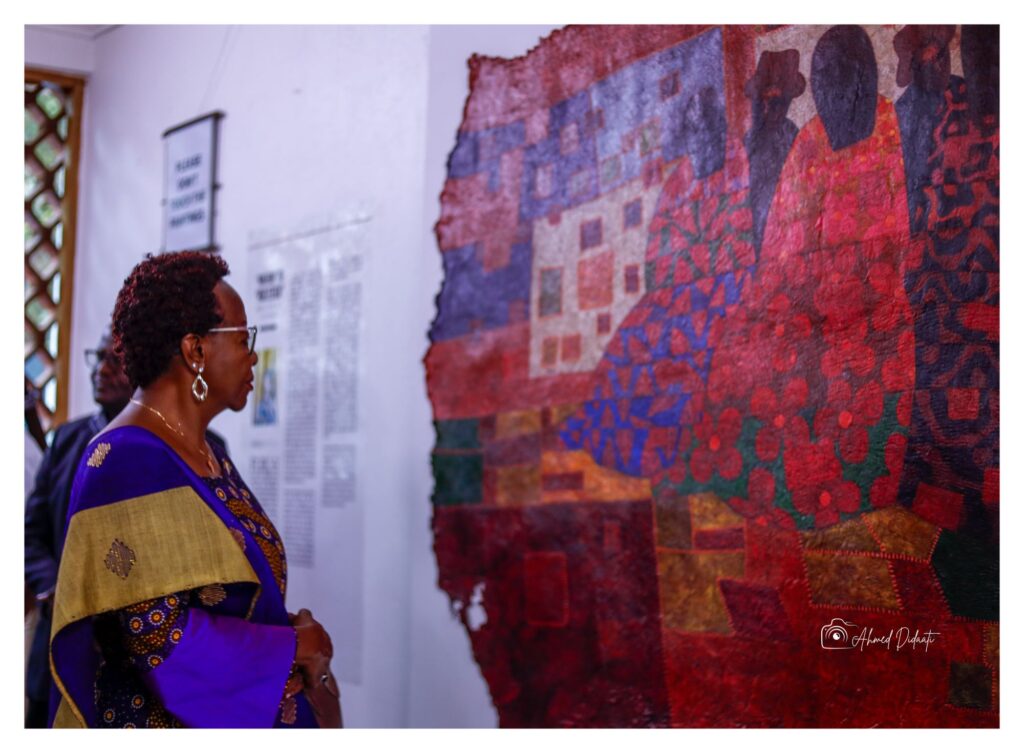
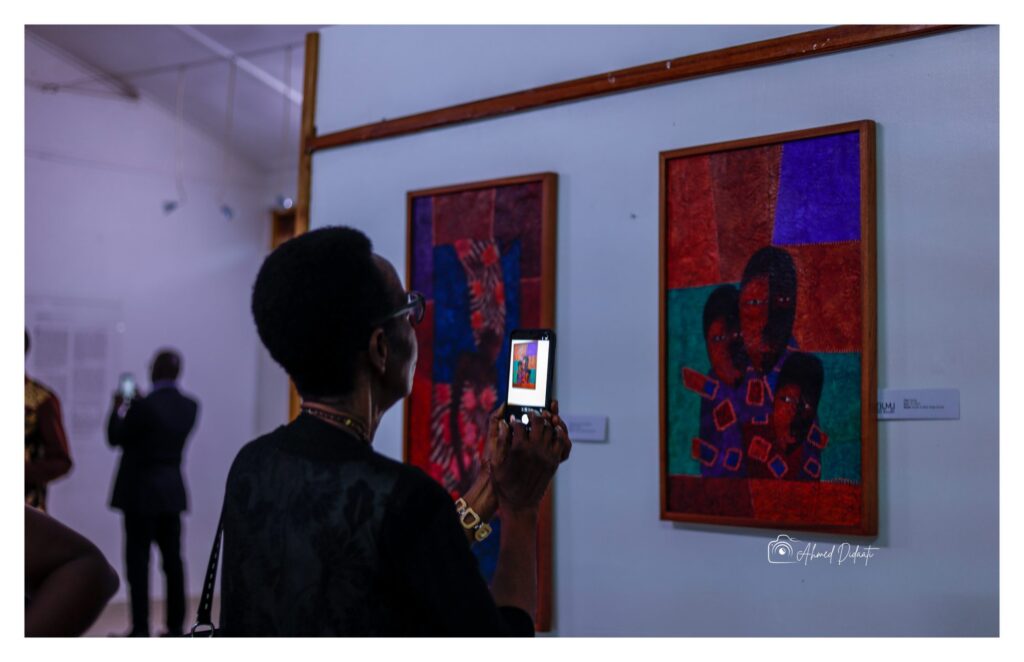
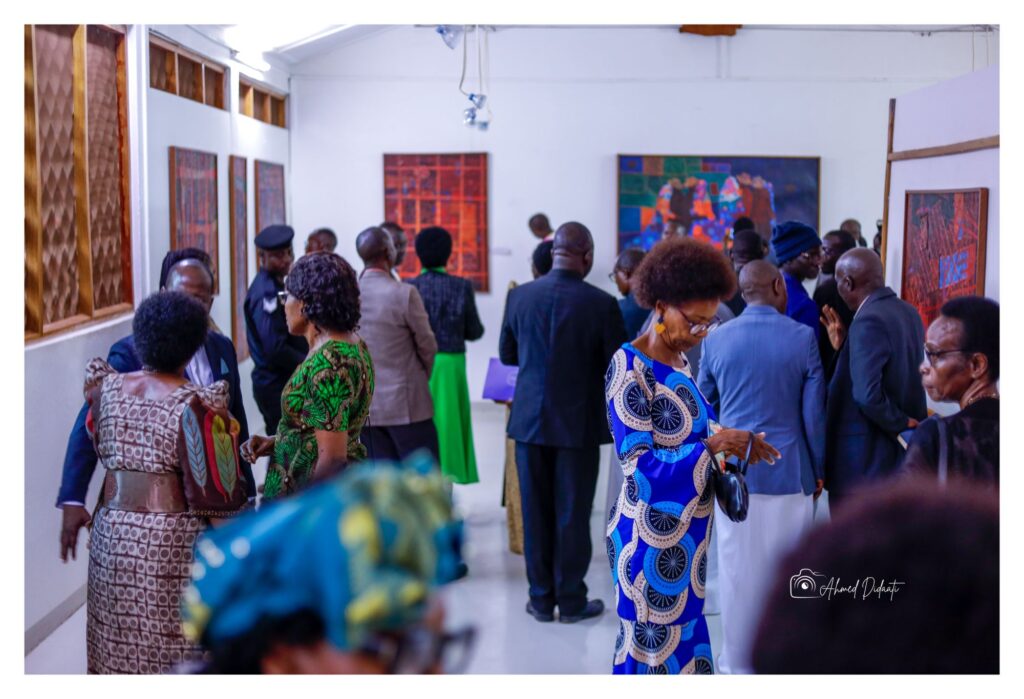
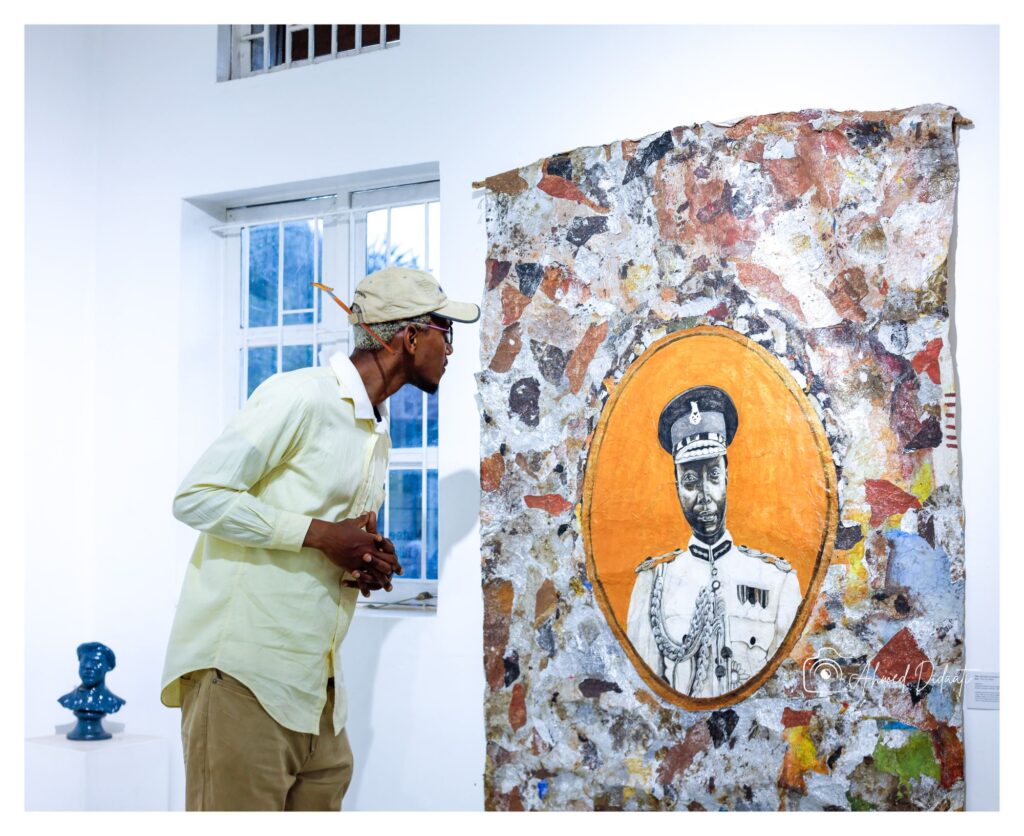
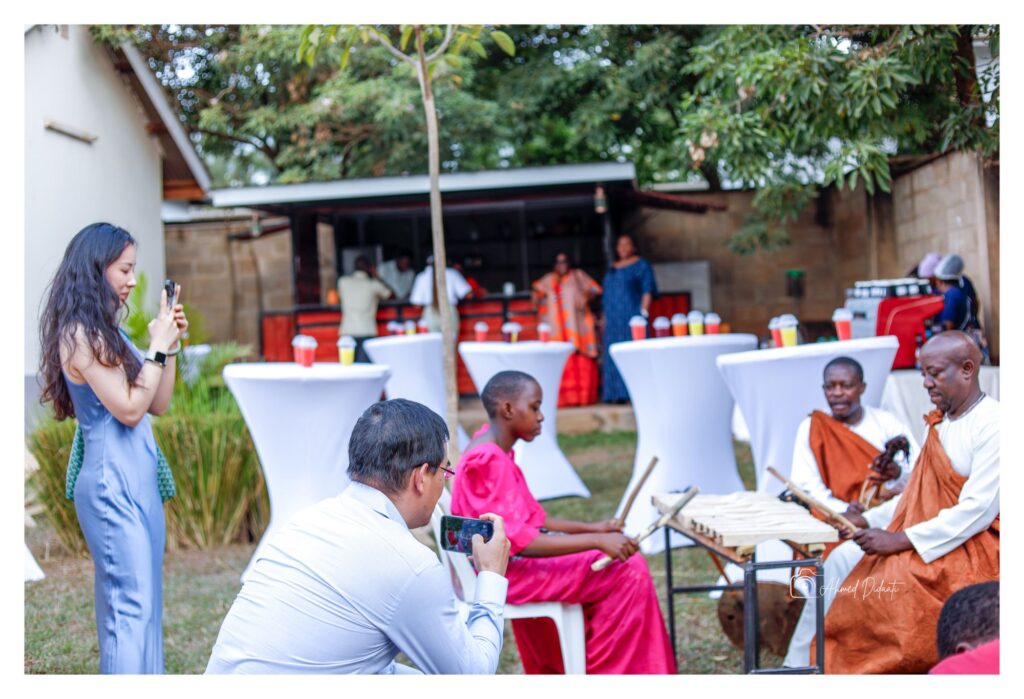
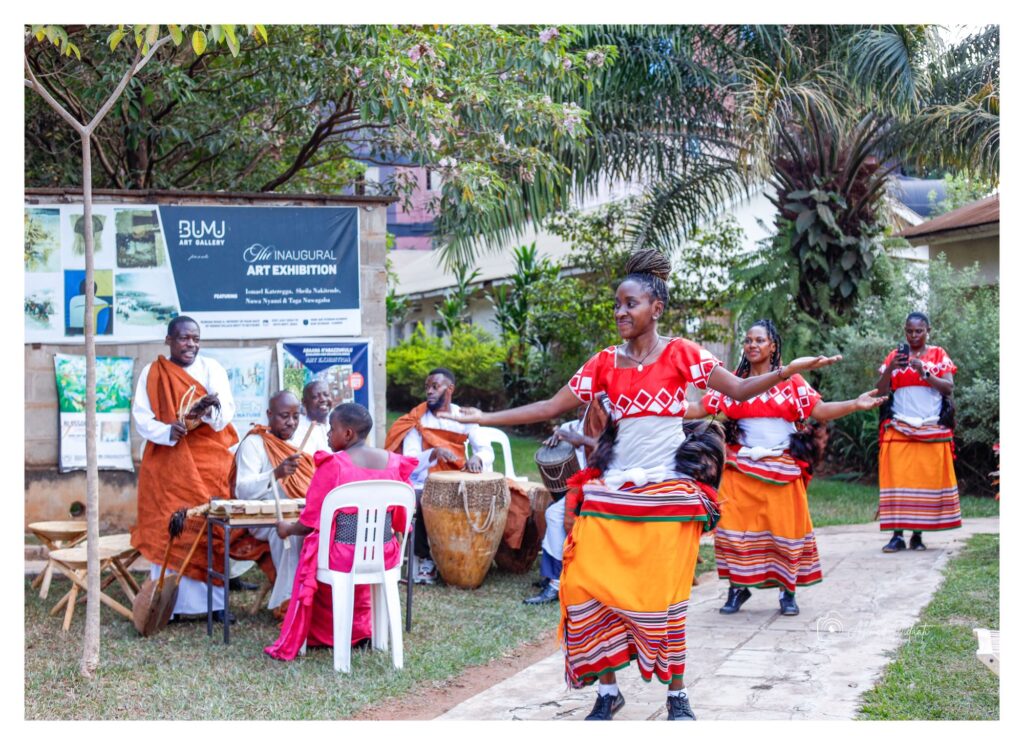
On Thursday, that history was brought into the contemporary art space at BUMU Art Gallery in Mengo, where barkcloth — Olubugo — took centre stage as part of the 33rd coronation anniversary celebrations of Kabaka Ronald Muwenda Mutebi II.
The exhibition was presented under Buganda’s 2026 anniversary theme, “Fortitude as We Preserve Our Heritage.” The Kingdom’s programme specifically included the BUMU exhibition to highlight the cultural significance and craftsmanship of barkcloth.
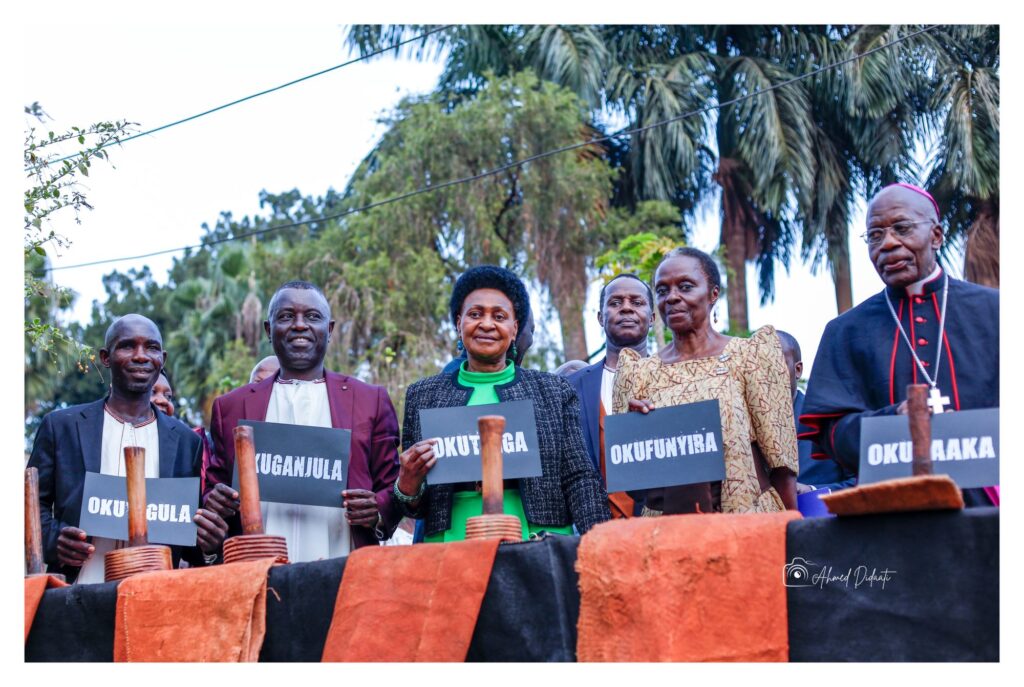
But the exhibition was not simply a look back at an old material.
It asked a more contemporary question: Can Olubugo remain a living part of Buganda’s future?
From Mutuba Tree to Cultural Symbol
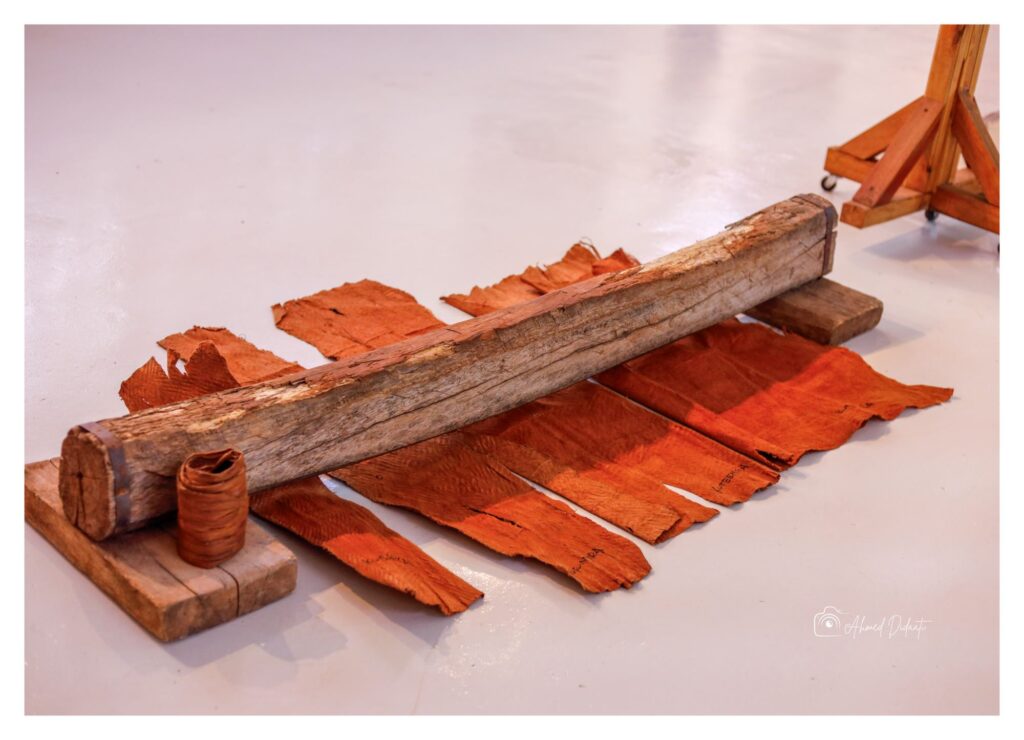
Olubugo is made from the inner bark of the Mutuba tree (Ficus natalensis).
The process is demanding:
- Bark is harvested during the wet season and the tree is protected so it can regenerate.
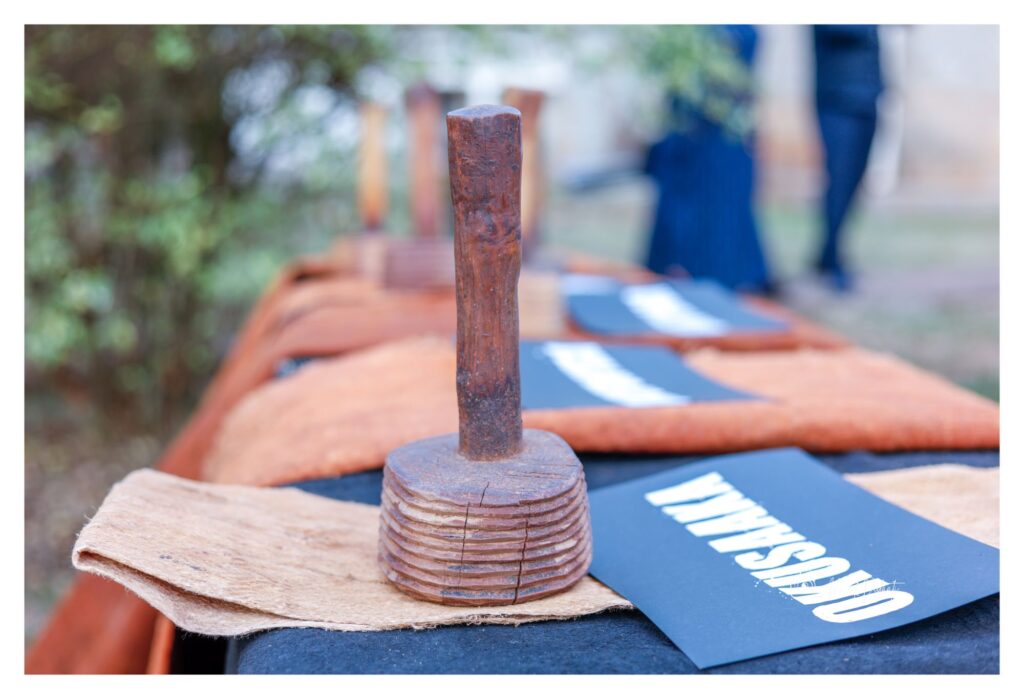
- Artisans then repeatedly beat the bark with wooden mallets until it becomes a soft, flexible sheet.
UNESCO describes barkcloth making in Uganda as an ancient craft of the Baganda and says the technique predates weaving. The practice was inscribed on UNESCO’s Representative List of the Intangible Cultural Heritage of Humanity in 2008, after its earlier recognition in 2005.
Traditionally, the craft was closely associated with the Ngonge clan, whose specialists produced barkcloth for the royal family and the wider Buganda community.
Status and Significance
- Ordinary Barkcloth: Traditionally terracotta in colour.
- Royal & Chiefly Barkcloth: Could be dyed white or black and worn differently.
- Traditional Uses: Coronations, healing ceremonies, funerals, cultural gatherings, and everyday household purposes.
 An Old Material, Seen Differently
At BUMU, the story moved beyond traditional use.
One of the exhibition’s central figures is Ugandan artist Fred Mutebi, whose career has been closely connected to printmaking, indigenous materials, and environmental questions.
Profile: Fred Mutebi
- Background: Born in 1967 in Buddu, Masaka District.
- Education: Trained at the Margaret Trowell School of Industrial and Fine Art at Makerere University (Bachelor’s degree in Art, 1993).
- Exhibitions & Fellowships: Participating in solo and group exhibitions since 1995. In 2003, received a Fulbright Scholar-in-Residence Fellowship in Memphis, Tennessee, where he developed his woodcut printmaking practice.
 But his interest in barkcloth extends beyond its appearance.
For more than two decades, Mutebi says he has worked closely with Bakomazi, the traditional Mutuba tree specialists, observing the relationship between the tree, its custodians, and Baganda communities.
His research led him to what he sees as a gap in the documentation and recognition of the people involved throughout the Olubugo value chain.
The Women Behind the Cloth
That question of who makes barkcloth possible is central to Mutebi’s exhibition.
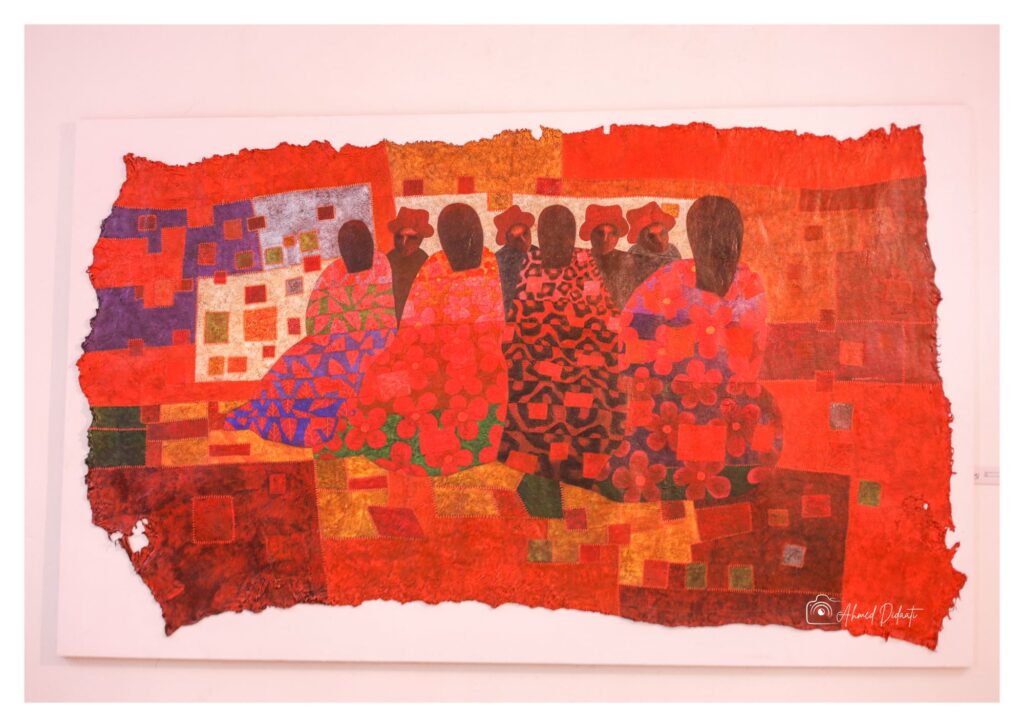
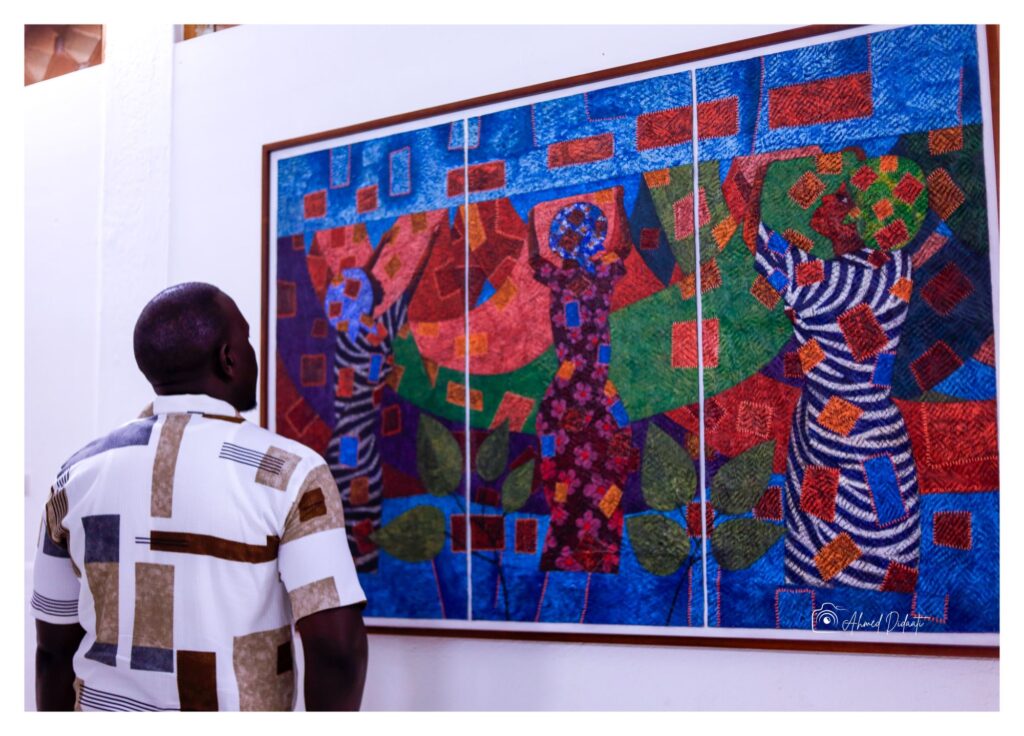
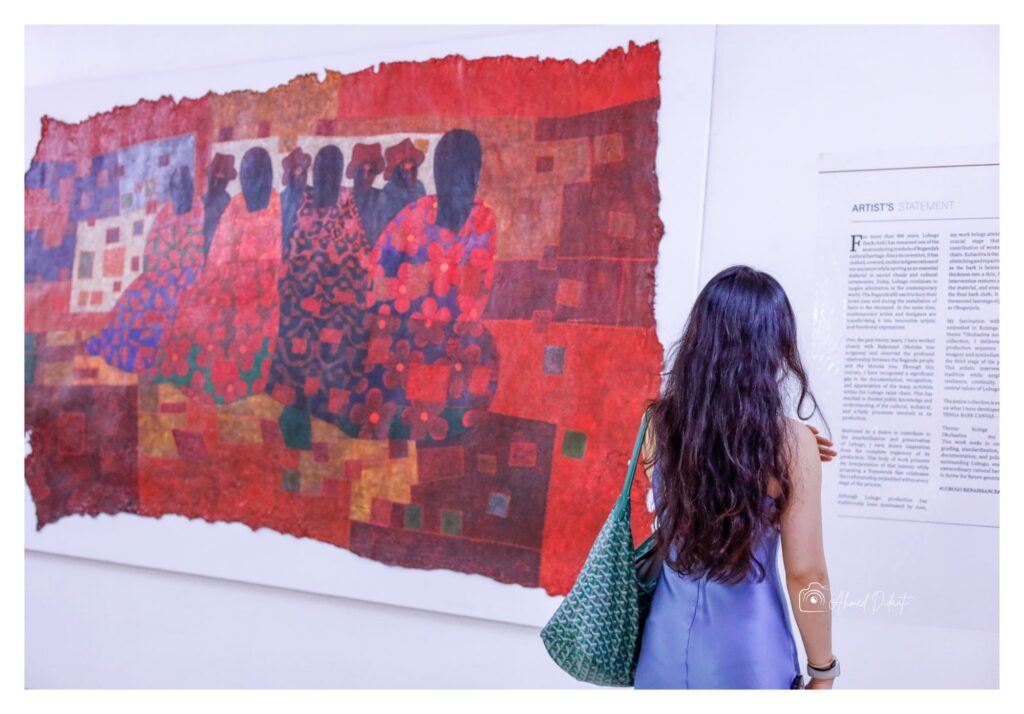
His collection, “Kulega to Kuleega: Okubazira mu Kutenge,” turns attention to Kubazira — a stage in the barkcloth process in which women contribute to finishing and preparing the material.
The exhibition text argues that traditional barkcloth production has often been dominated by men in its public representation, despite women’s contribution to the value chain.
Mutebi’s work therefore shifts the viewer’s attention from the finished cloth to the people and processes behind it.
The intervention is also connected to Okuganga, the process of working the material until it becomes thinner, more flexible, and strengthened for its final use.
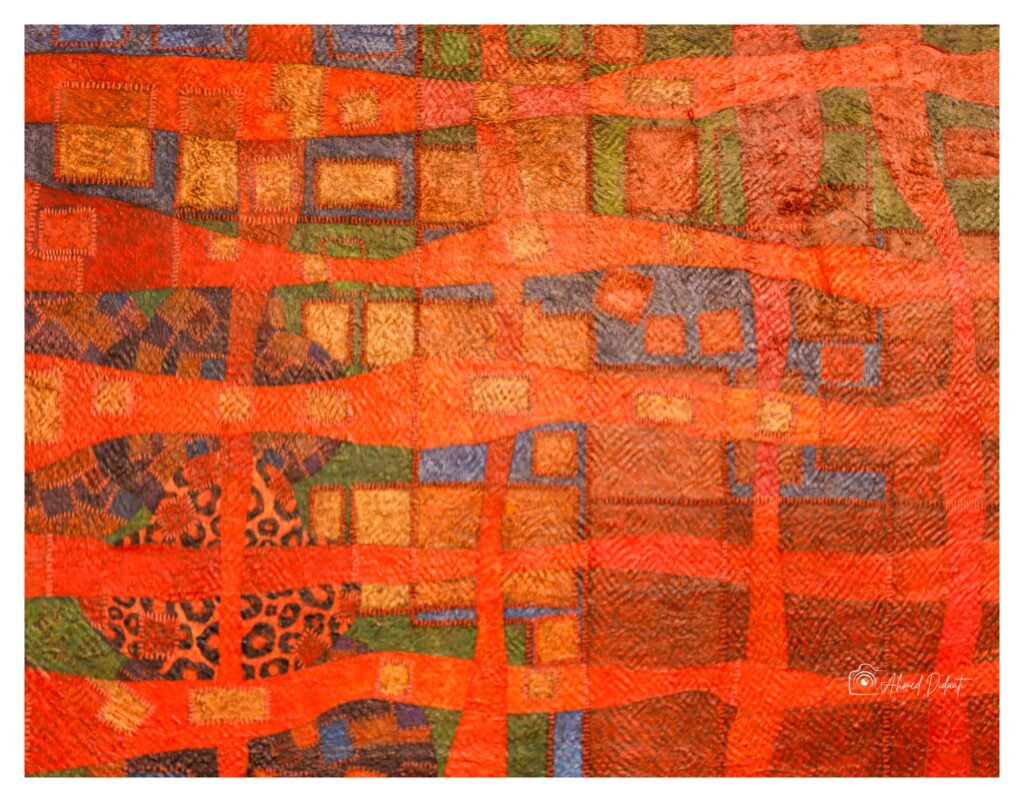
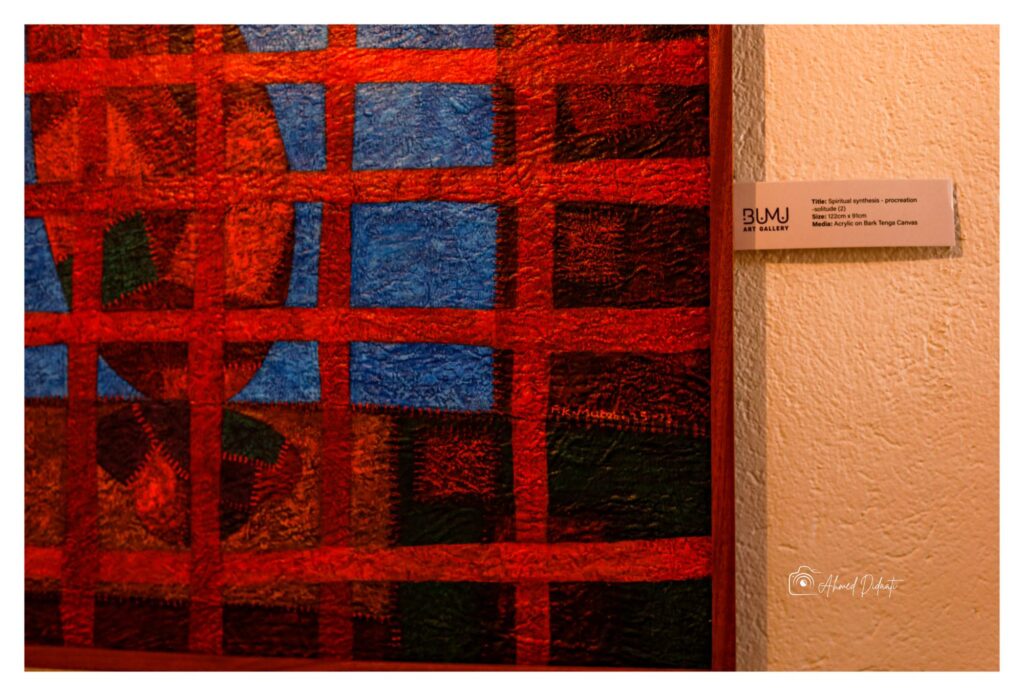
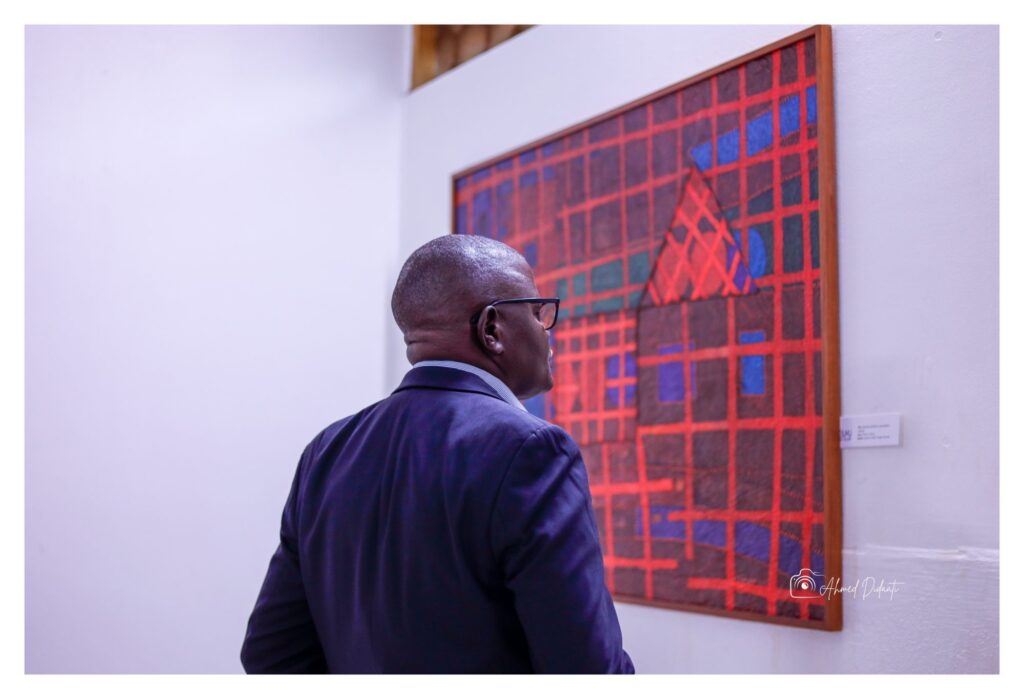 “Tenga Bark Canvas”
Mutebi does not simply reproduce traditional barkcloth.
He turns it into an artistic surface.
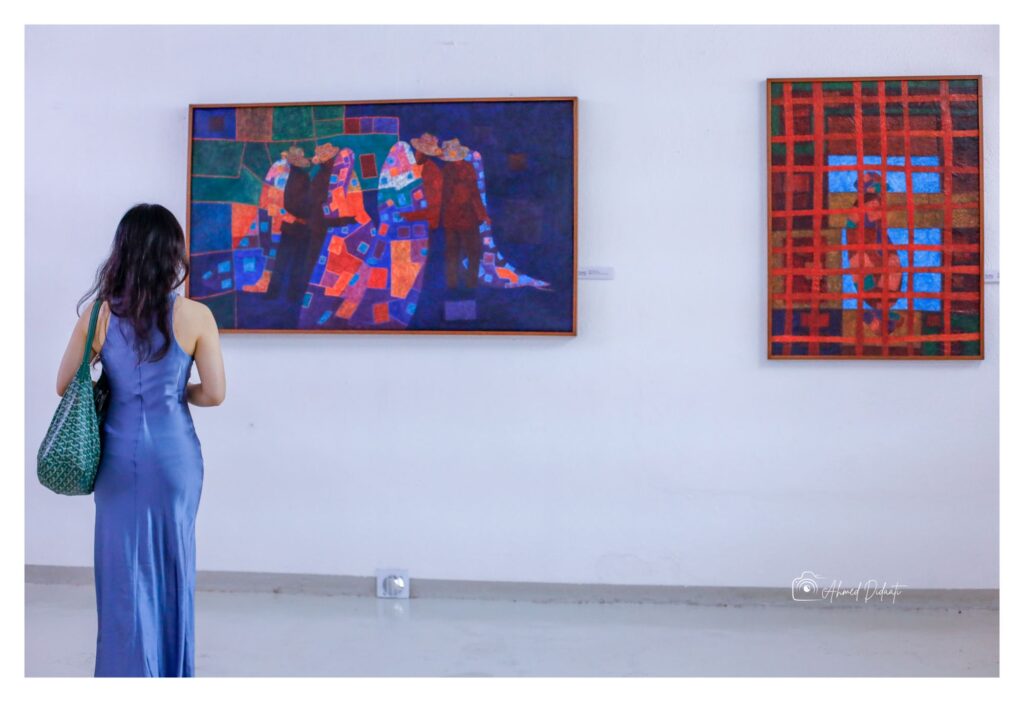
The exhibition describes his works as acrylic paintings executed on what he calls “TENGA BARK CANVAS – 2nd Edition.”
In the collection, he deliberately reverses the usual sequence of production:
- He brings the imagery and symbolism of Kubazira into the third-stage process known as Kutenge.
- He uses the material to speak about repair, resilience, continuity, and renewal — qualities that he sees as central to the survival of Olubugo itself.
The barkcloth becomes both canvas and subject.
A Heritage Under Pressure
The exhibition comes at a time when Uganda is again asking how traditional knowledge can be protected while creating opportunities for the people who hold it.
HISTORICAL CONTEXT
The arrival of cotton cloth through Arab caravan trade in the 19th century
contributed to the decline of barkcloth as everyday clothing.
Its use increasingly became associated with cultural and spiritual functions.
Revival and Legal Protection
- 2006–2009: UNESCO supported a Ugandan revitalisation project to train young artisans, promote Mutuba cultivation, and develop income-generating opportunities.
- May 2026: The Uganda Registration Services Bureau engaged barkcloth producers associated with the Ngonge clan in Bweza over efforts to register Olubugo as a Geographical Indication.
Such protection could help establish standards, traceability, and collective ownership while strengthening the market value of authentic barkcloth and protecting it from imitation.
From Community Work to Contemporary Art
Mutebi’s artistic journey also connects barkcloth to community development.
His exhibition profile describes his involvement with Let Art Talk (LAT), an initiative advocating for the preservation of traditional materials and skills as tools for socio-economic development.
LAT helped catalyse the Bukomansimbi Organic Tree Farmers Association (BOTFA) in 2010, with a focus on revitalising Mutuba cultivation and promoting barkcloth production and its cultural significance.
This makes the exhibition’s environmental message difficult to separate from its cultural one.
Without the tree, there is no barkcloth.Without the artisans, there is no process.And without the knowledge being passed on, there is no tradition.
Buganda’s Heritage, Uganda’s Future
The decision to place the exhibition within the programme marking the Kabaka’s 33rd coronation anniversary gives the work another layer of meaning.
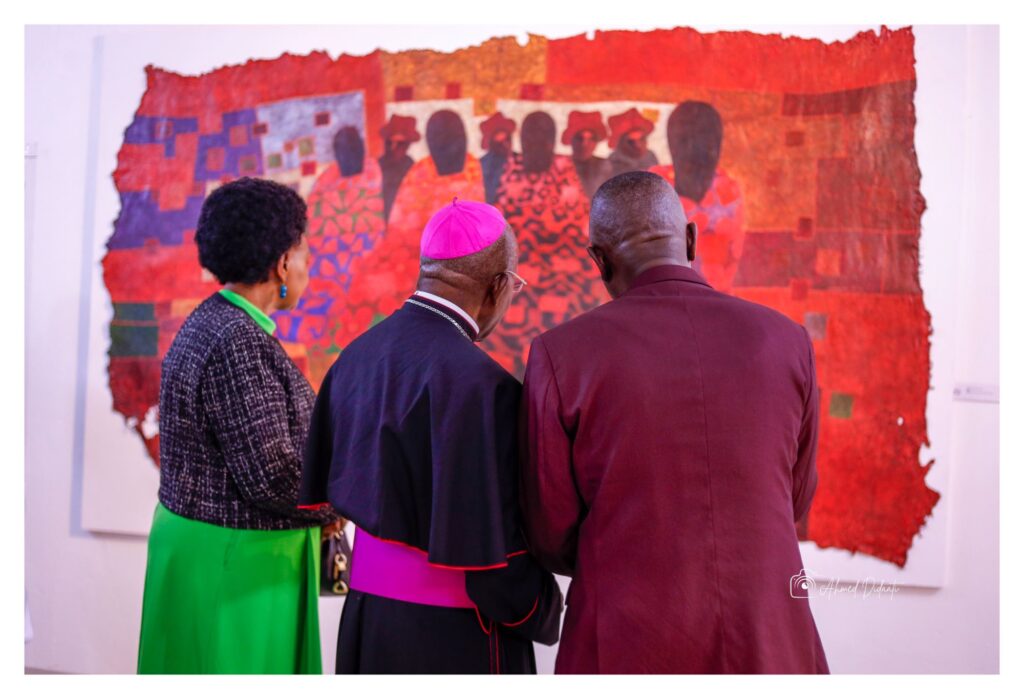 The anniversary theme — “Fortitude as We Preserve Our Heritage” — is a call to protect cultural identity while ensuring that heritage remains relevant to future generations.
Olubugo offers a particularly clear example. It is simultaneously:
- A tree product
- A textile
- A craft
- A source of livelihood
- An artistic medium
- A symbol of Buganda’s cultural memory
At BUMU, the material is no longer confined to the past. It is being painted on, questioned, documented, and reimagined.
And perhaps that is the most important message of the exhibition: preserving heritage does not necessarily mean leaving it untouched.
Sometimes, preservation means allowing tradition to change without losing its roots.
 Olubugo Renaissance
For Mutebi, the future of barkcloth depends on more than remembering what it once was.
It requires:
- Documentation
- Standardisation
- Value addition
- Environmental stewardship
- Recognition of the people who keep the craft alive
For Buganda, it is part of a much older story of identity.
And for contemporary Uganda, Olubugo may yet become something more: a bridge between cultural memory and a new generation of artists, artisans and designers
This post was created with our nice and easy submission form. Create your post!

Did this story move you? Every gift goes directly to Ahmed Didaati — writers on Muwado earn from reader appreciation, not algorithms. Even $1 makes a difference.






Muwado weekly chart
Get Africa’s top 10 stories every Thursday
No account needed — just your email.
Want to follow Ahmed Didaati and get notified every time they publish?
Create a free Muwado account →