

 Ahmed Didaati
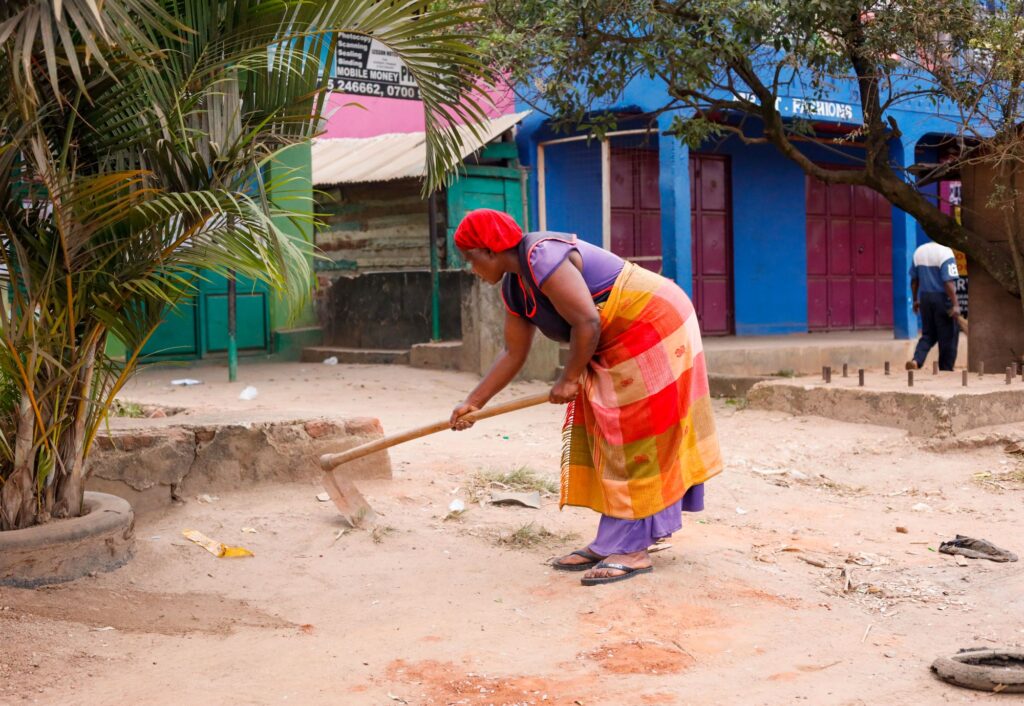
Uganda on Saturday held its second National Cleaning Day, bringing residents and communities together to clean their surroundings as the government pushes for better sanitation and environmental responsibility.
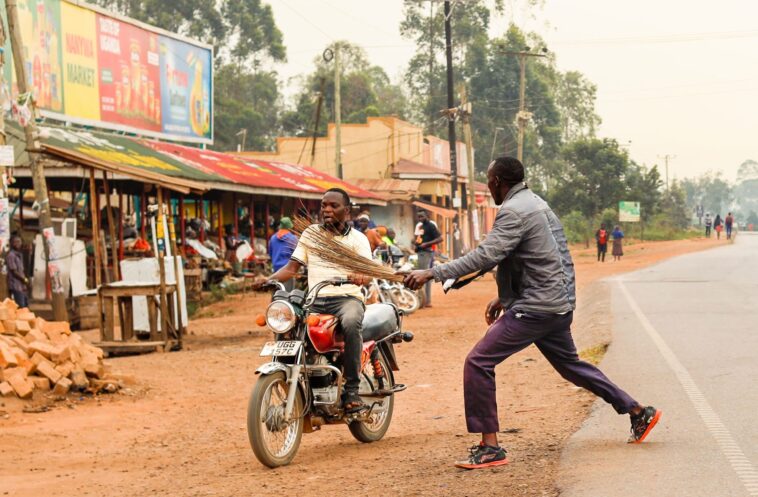
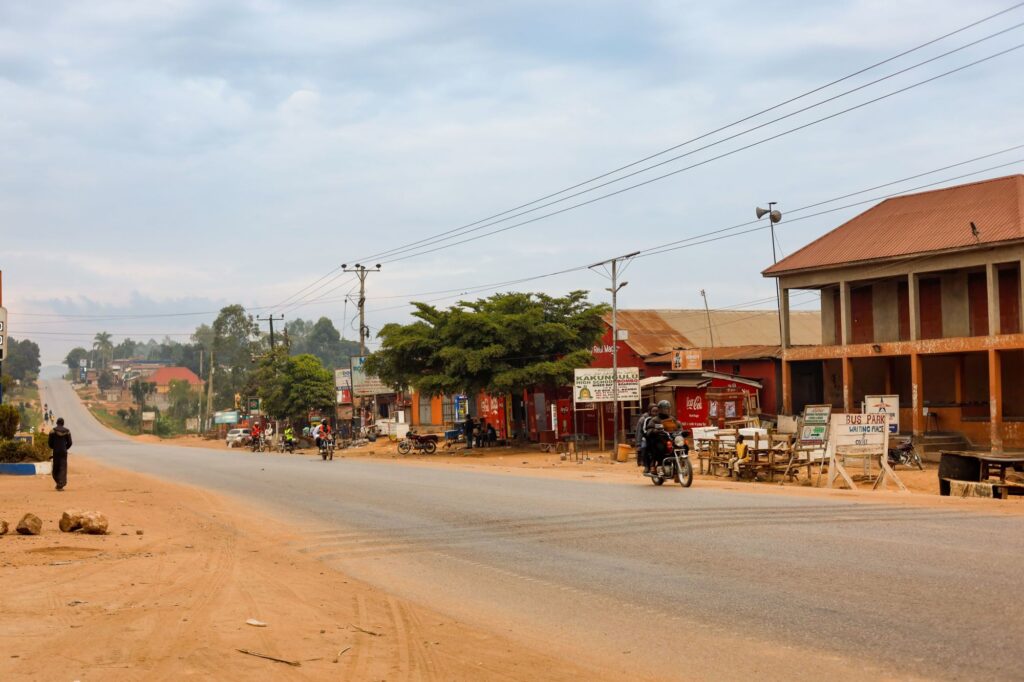
But along the Bombo Road corridor, the exercise presented a mixed picture. While some residents were actively cleaning, participation in some areas appeared small, with motorists and boda boda riders still using the road despite the movement restrictions.
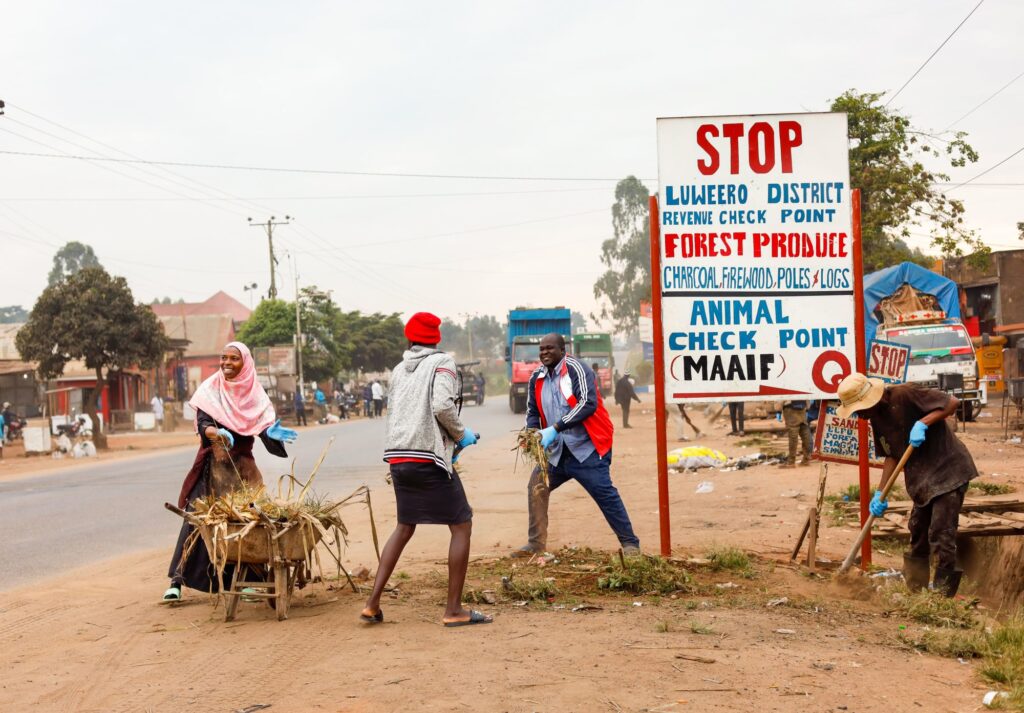
The government has designated the last Saturday of every month as National Cleaning Day. The initiative is intended to encourage communities to take responsibility for cleaning their neighbourhoods, roads, drainage channels, markets and other public spaces.
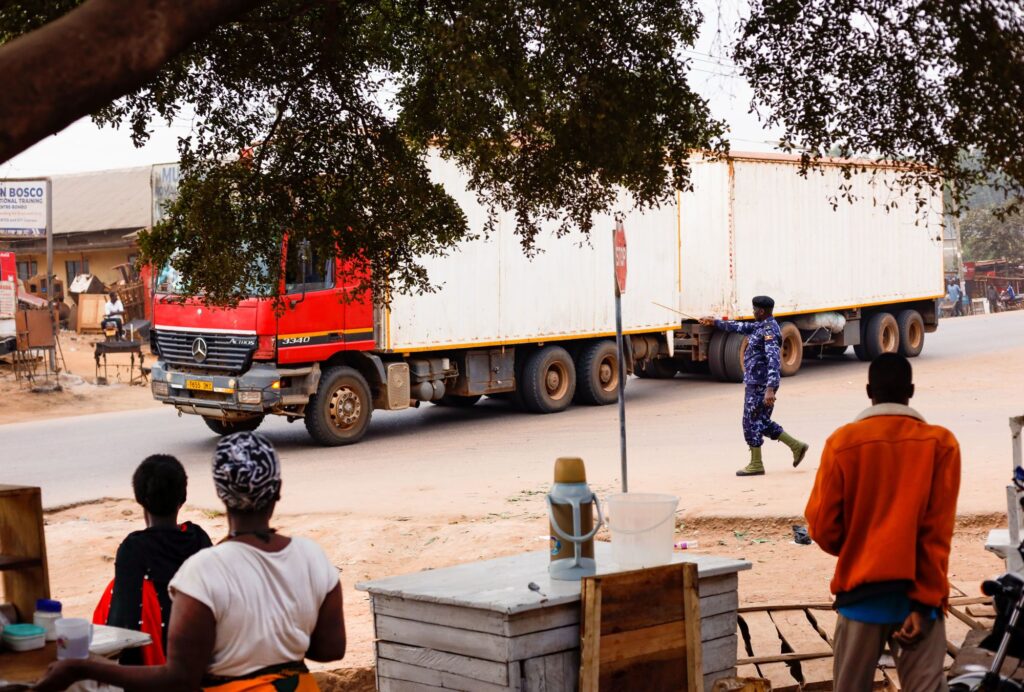
Police restricted the movement of vehicles and motorcycles between 7:00am and 10:00am, with exemptions for essential services and other authorised travellers.
A MORNING OF CLEANING AND ENFORCEMENT
Along Bombo Highway, this reporter witnessed police officers stopping a truck during the restricted period.
The truck driver was required to stop and participate in the cleaning exercise.
The moment showed how enforcement has become part of the effort to encourage people to observe the National Cleaning Day guidelines.
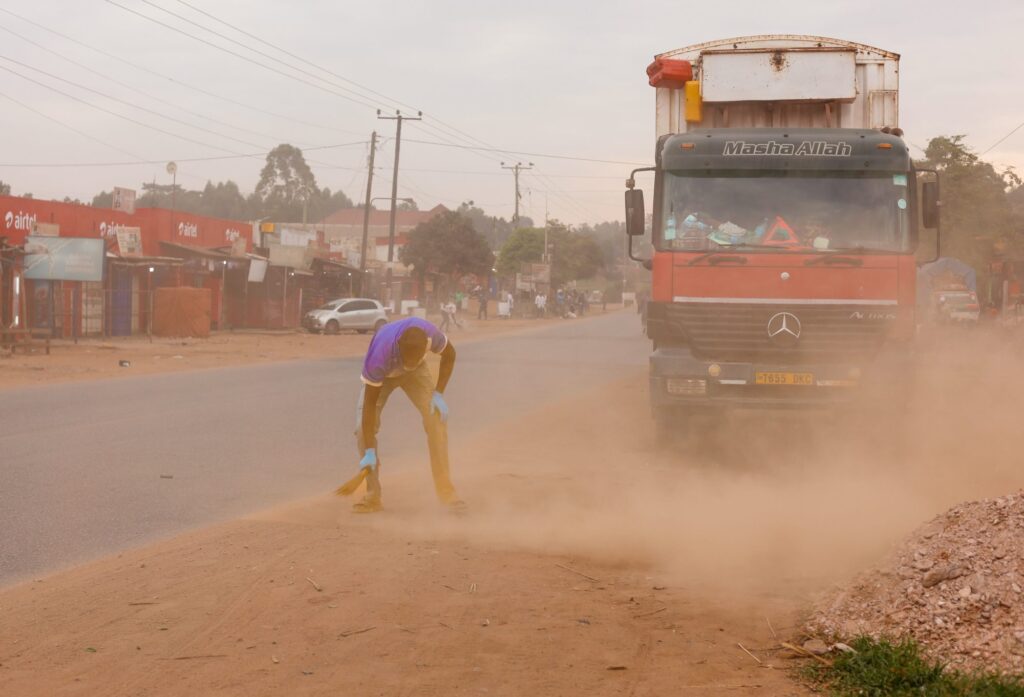
Further along Banjo Bombo Road, groups of young people were also seen encouraging boda boda riders to stop and participate.
Some riders were asked to leave their motorcycles and join the cleaning activities.
For the young people involved, the message appeared straightforward: National Cleaning Day was not only for residents around their homes, but also for people using the roads and working in the community.
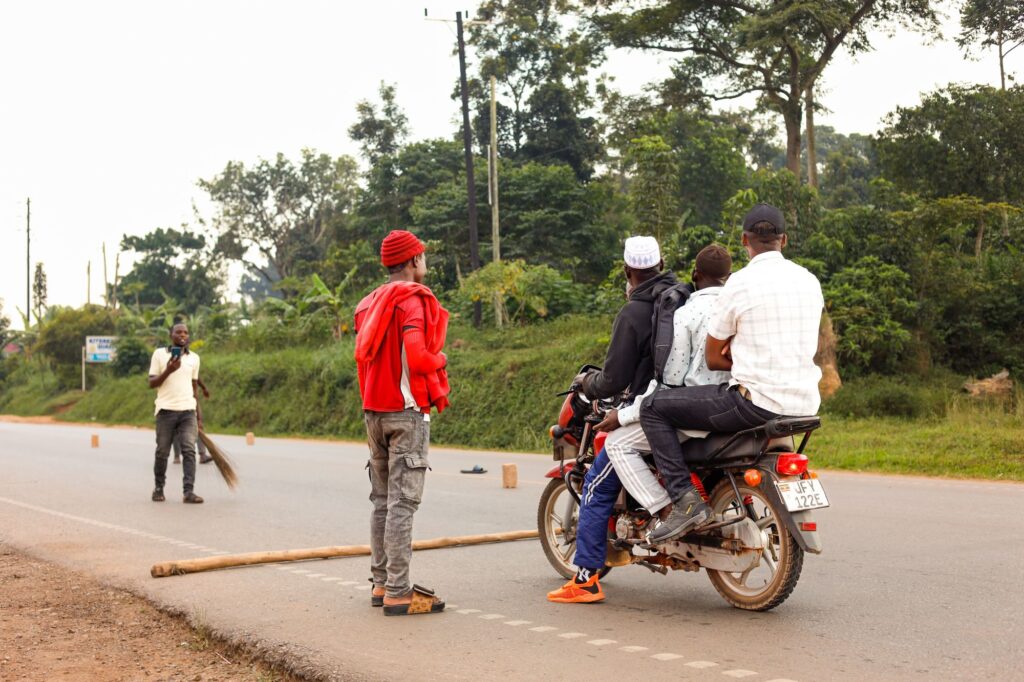
‘IT FEELS GOOD TO PARTICIPATE’
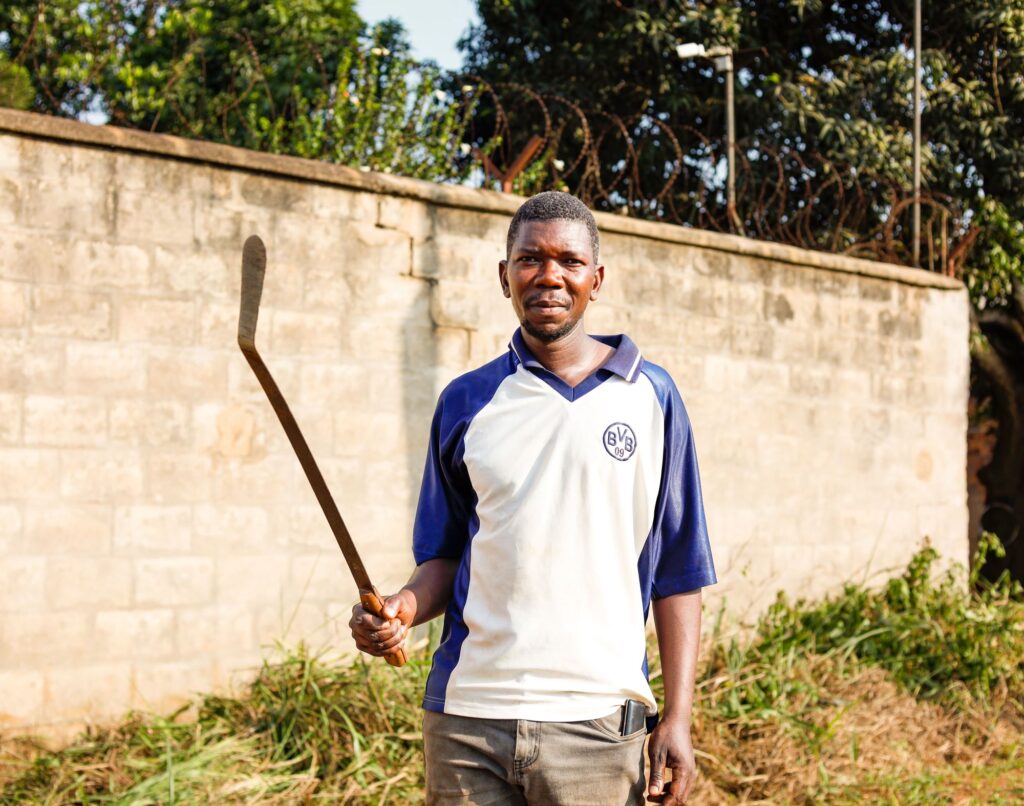
Among residents taking part was Hashim Suleiman, a resident of Kakelenge Village along Bombo Road.
Suleiman said he feels good to participate in the cleaning exercise because it benefits the wider community.
For him, the day provides an opportunity for residents to come together and improve the environment where they live.
But he also believes government support is needed to make the initiative more effective.
Suleiman appealed to the government to provide garbage collection trucks to communities along Bombo Road.
He said having trucks available would help residents dispose of the waste they collect and could also encourage more people to participate in future cleaning exercises.
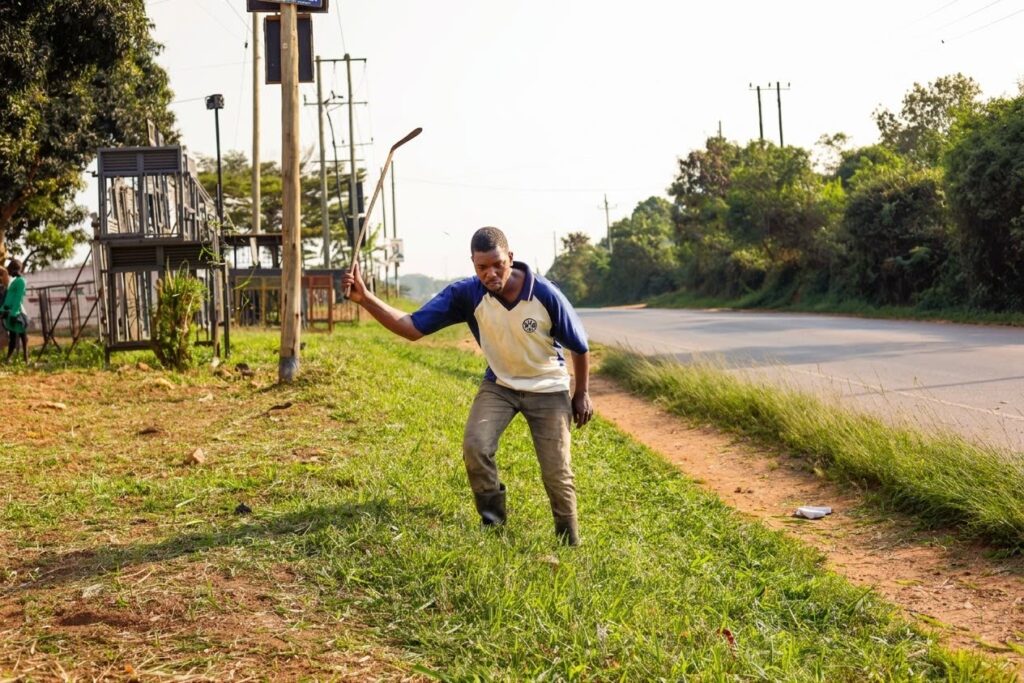
His concern reflects a wider challenge facing community cleaning campaigns: collecting rubbish is only one part of the process.
The waste must also be transported and disposed of properly.
Without reliable collection, residents can be left with piles of rubbish after the exercise, potentially undermining the purpose of the campaign.
RESIDENTS TAKE ON POTHOLES
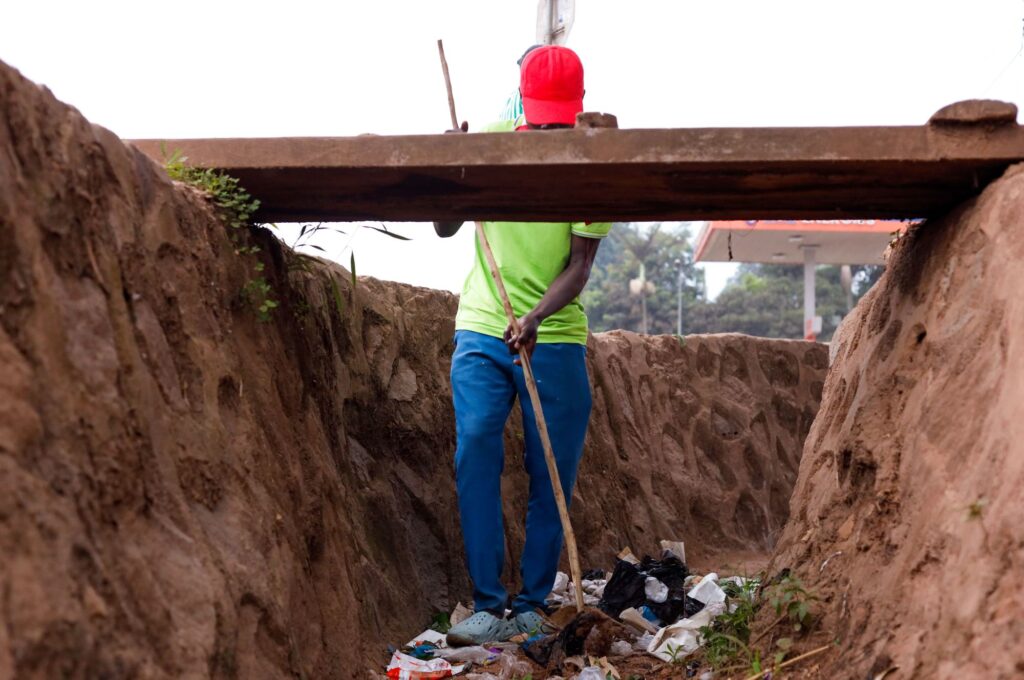
The cleaning exercise along Bombo Road was not limited to collecting rubbish.
Some residents were also seen putting soil into potholes along the road.
They collected soil and used it to cover holes in the road, attempting to make the road easier and safer for people using it.
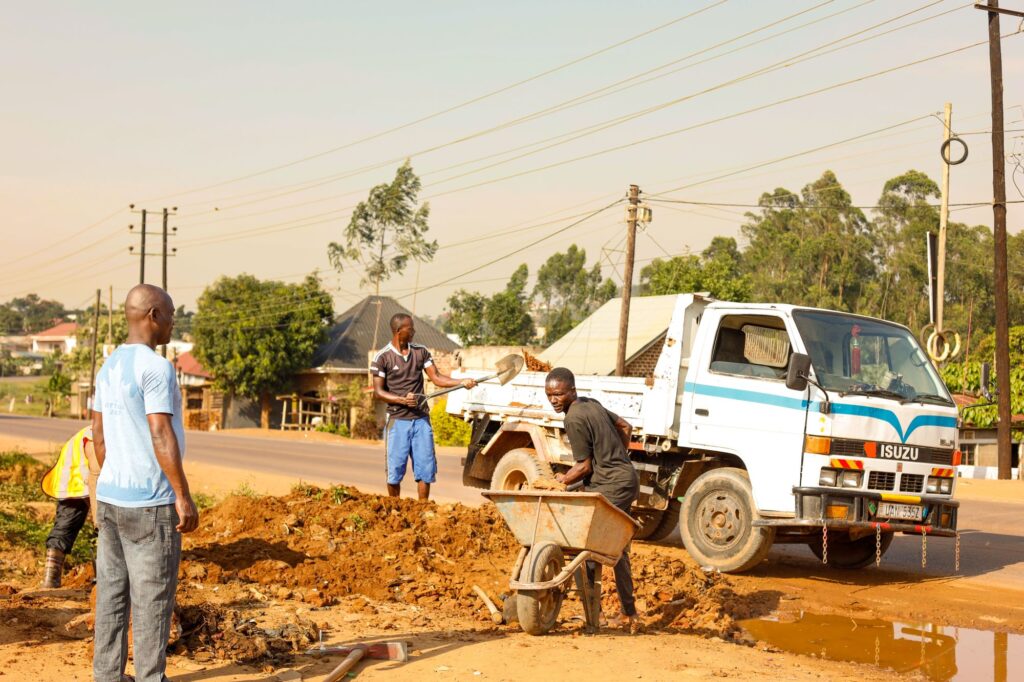
Although the work provides an immediate response to damaged sections of the road, proper road repairs require more permanent intervention and appropriate road materials.
For the residents involved, however, the activity demonstrated their willingness to improve their immediate surroundings using the resources available to them.
PARTICIPATION REMAINS A CHALLENGE
Despite the activities taking place, participation appeared relatively small in some parts of the Bombo Road corridor.
The presence of vehicles and boda bodas also showed that not everyone was following the movement restrictions during the cleaning period.
This reporter witnessed police officers intervening in some cases, while young people also encouraged road users to take part.
The scenes raise an important question for the government’s monthly campaign: how can National Cleaning Day become a culture that people willingly embrace rather than an exercise that requires enforcement?
The government has said the initiative is intended to promote long term behavioural change and encourage Ugandans to take responsibility for cleanliness every day.
FROM ONE CLEANING DAY TO EVERY DAY
National Cleaning Day is scheduled for the last Saturday of every month.
For the programme to achieve its long-term goal, however, the responsibility for keeping communities clean cannot end when the three-hour exercise comes to a close.
Residents need reliable waste collection services.
Local communities need continued awareness.
And road users need to understand that keeping public spaces clean is a shared responsibility.
Along Bombo Road, Saturday’s exercise showed both sides of the campaign.
There were residents willing to work, young people encouraging others to participate and community members trying to improve their roads.
But there were also people who continued with their normal activities and motorists who had to be stopped by police.
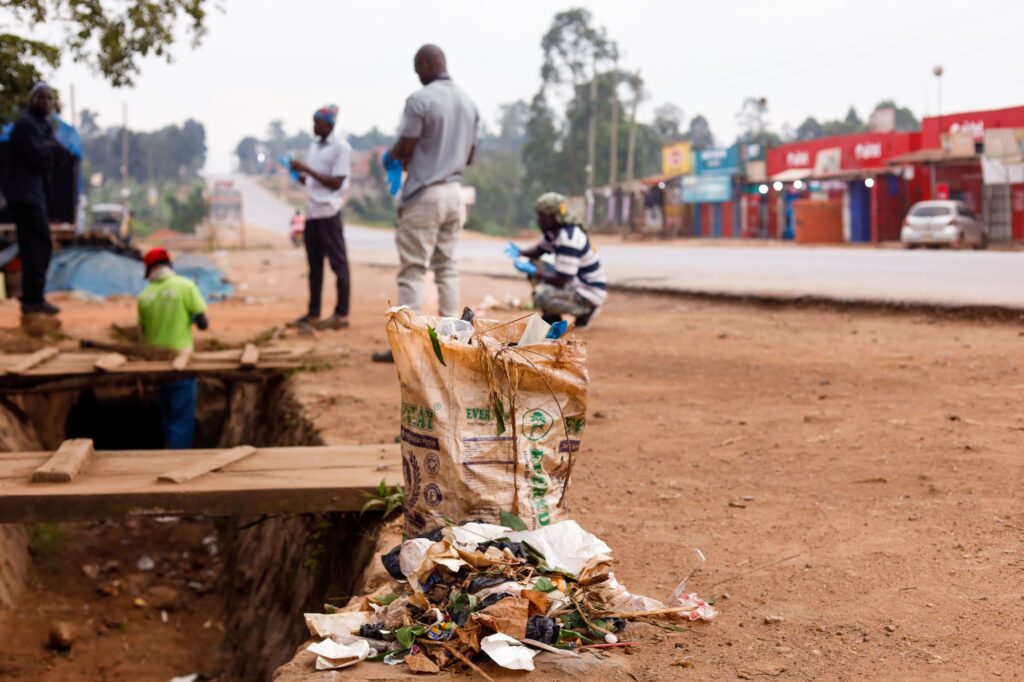
For residents such as Hashim Suleiman, the willingness to participate is there.
What they are asking for now is support particularly the garbage trucks and systems needed to ensure that the work they do does not end with waste simply being left behind.
Uganda’s second National Cleaning Day has therefore become more than a morning of sweeping and collecting rubbish.
Along Bombo Road, it has become a test of participation, enforcement, community responsibility and government support.
The challenge now is whether the spirit seen on the streets today can continue beyond the last Saturday of the month.
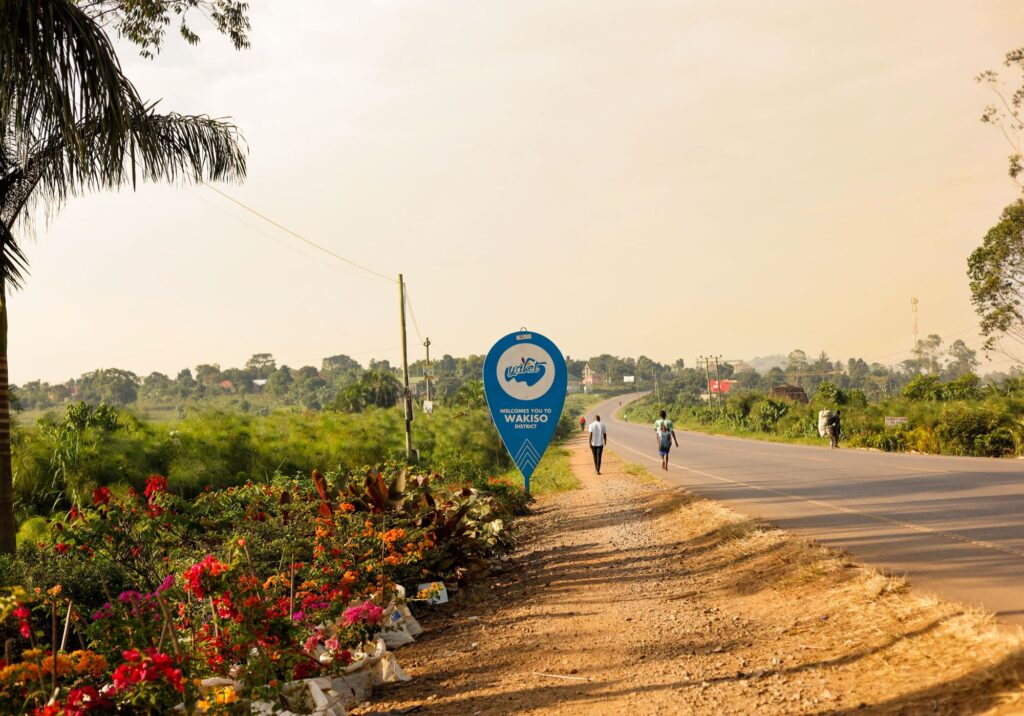
Residents and community members take part in Uganda’s second National Cleaning Day along the Bombo Road corridor.
This post was created with our nice and easy submission form. Create your post!

Did this story move you? Every gift goes directly to Ahmed Didaati — writers on Muwado earn from reader appreciation, not algorithms. Even $1 makes a difference.





Muwado weekly chart
Get Africa’s top 10 stories every Thursday
No account needed — just your email.
Want to follow Ahmed Didaati and get notified every time they publish?
Create a free Muwado account →