

 Ahmed Didaati

Kansanga community takes part in Eco Space campaign promoting plant based eating
In a busy part of Kansanga, Kampala, conversations about food are taking place away from restaurants and supermarkets and on the streets of the community.
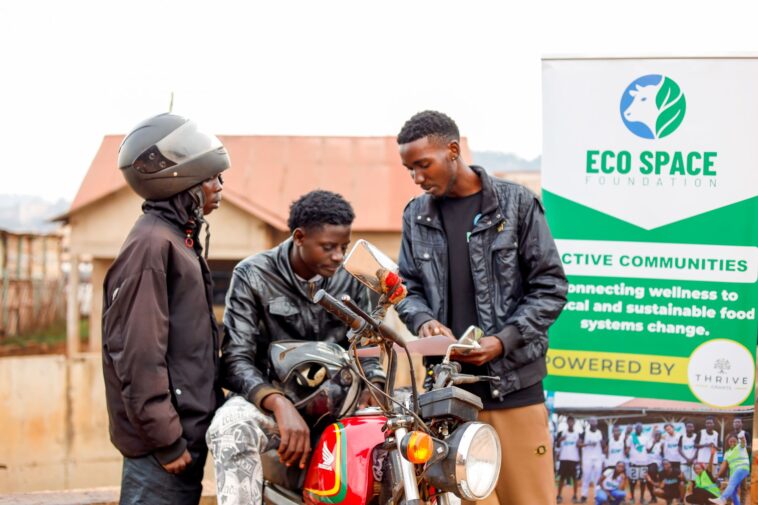
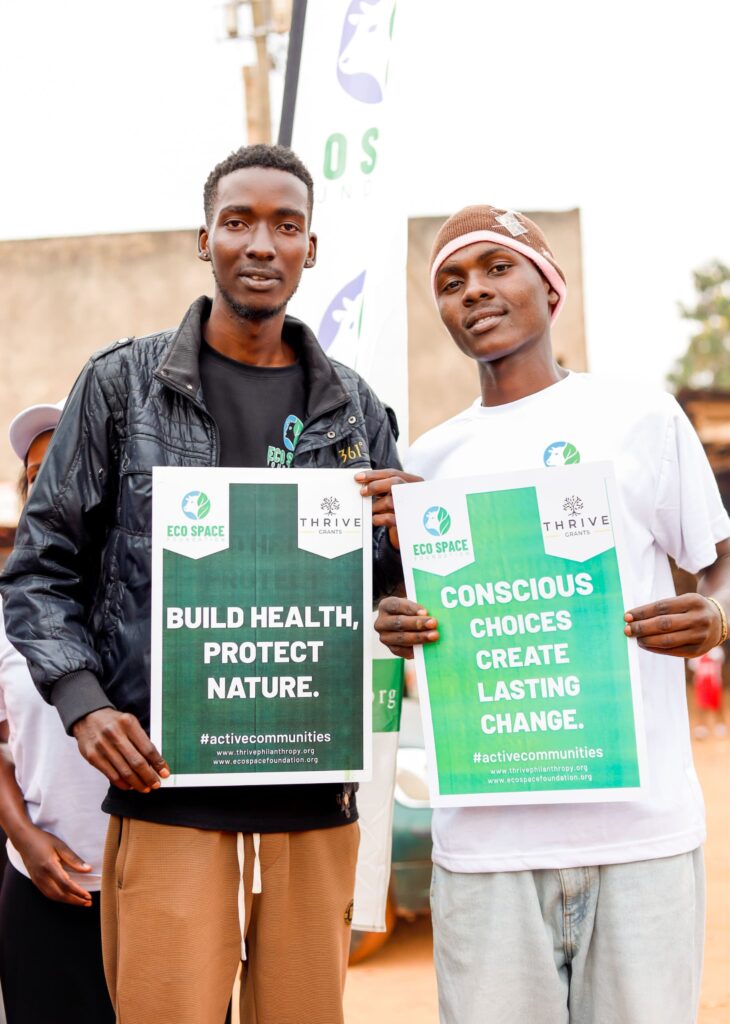
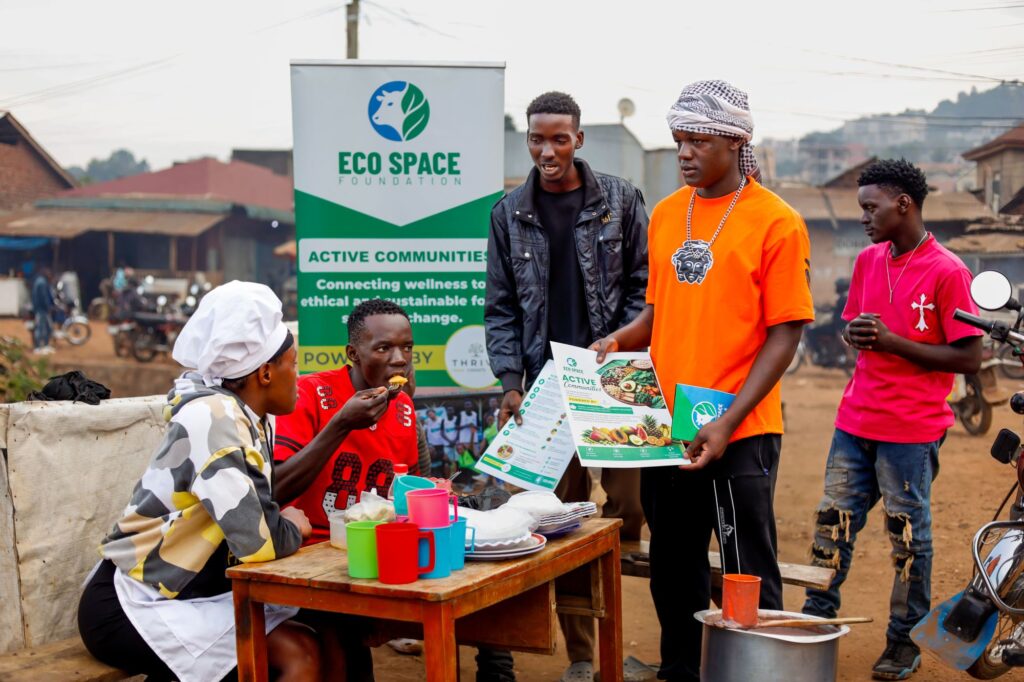
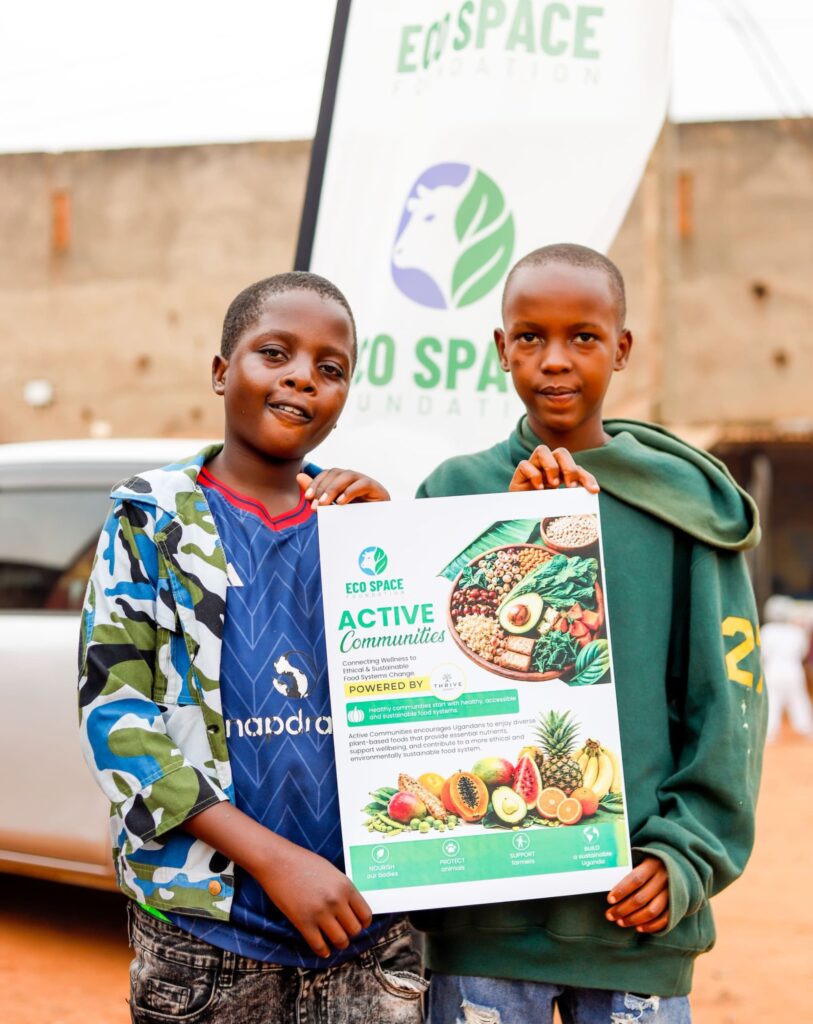
Volunteers from Eco Space Foundation have been engaging residents in Kibaati village as part of an outreach campaign encouraging people to consider plant based eating and more sustainable food choices.
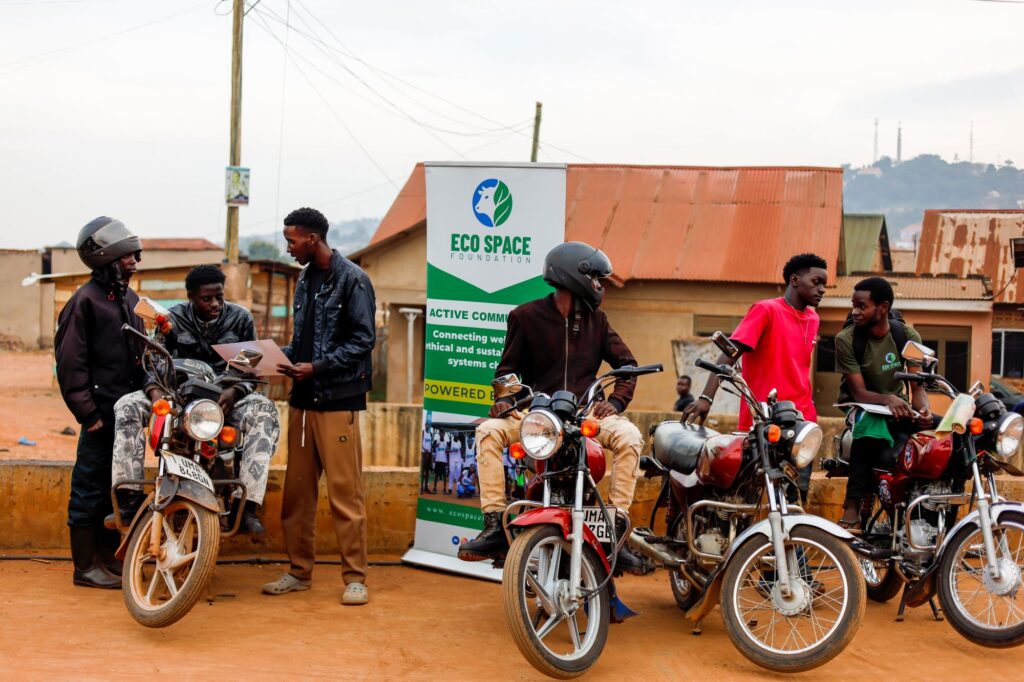
The campaign brought volunteers together with boda boda riders, street-food vendors, community leaders, youth leaders, women and other residents.
The organisation says about 600 people were reached during the community engagement.
The discussions focused on the possible links between everyday food choices, personal wellbeing, animal welfare and the environment.

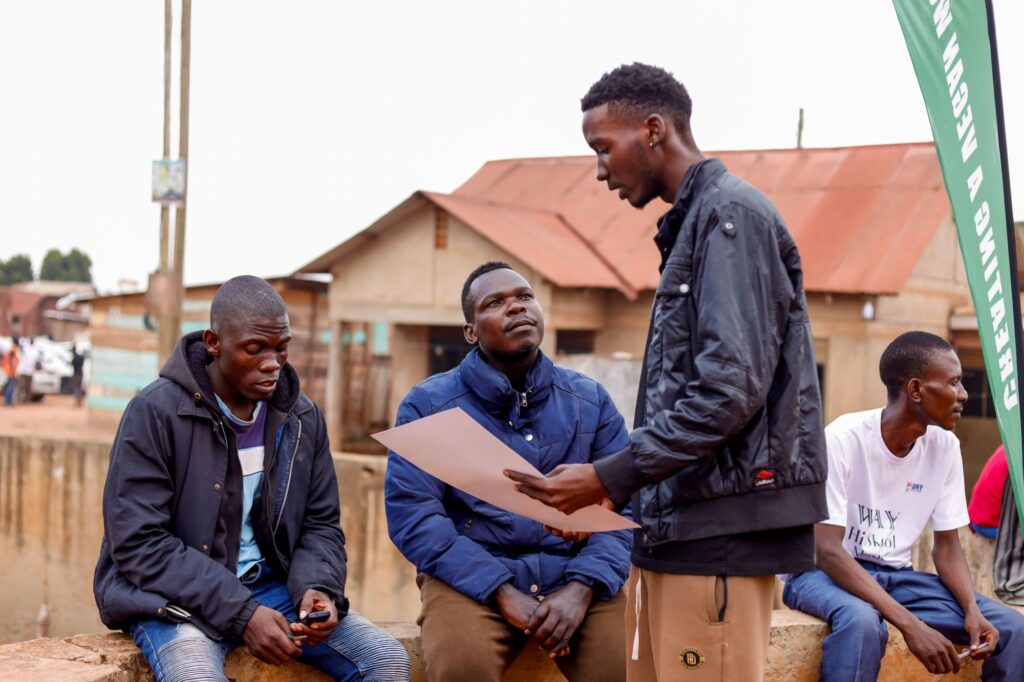
A conversation about changing diets
For some residents, the outreach offered an opportunity to ask questions about veganism and what adopting a plant based diet might mean in everyday life.
Among those approached was Nazziwa Goretti, who spoke with the volunteers following the engagement.
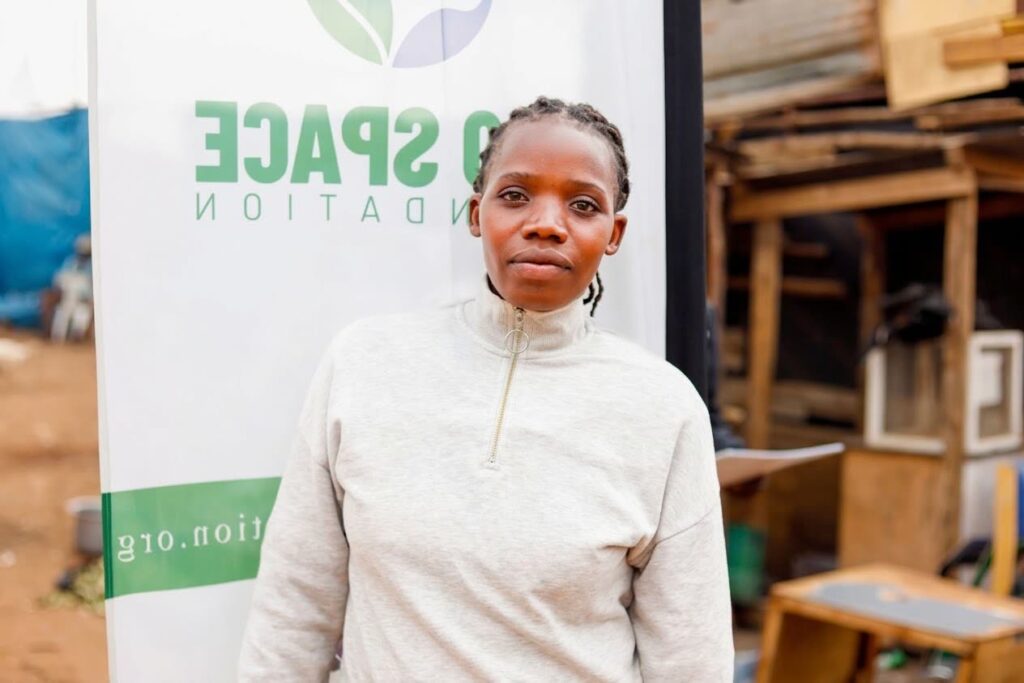 After their conversation, she agreed to begin moving towards a vegan lifestyle.
Her decision was one of the individual outcomes of an outreach designed to encourage residents to think about how their food choices could affect their health, animals and the environment.
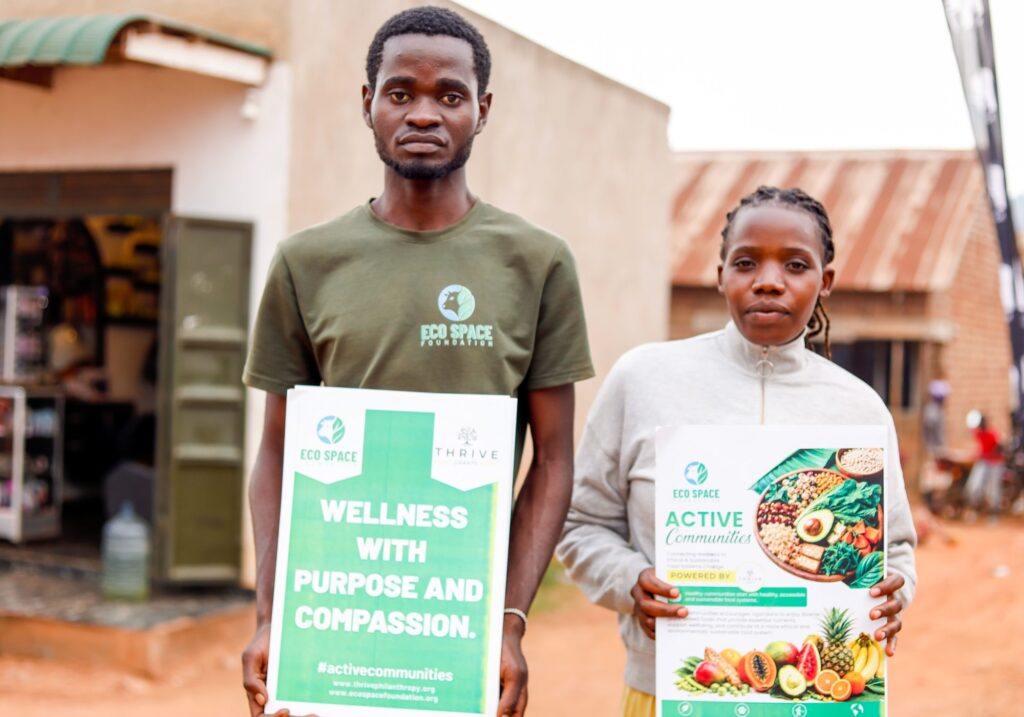
Eco Space Foundation says its approach is based on public education and dialogue rather than simply promoting a change in diet.
Its street outreach programme uses public conversations and other awareness activities to discuss the relationship between food choices, animals, health and the environment.
Why plant based food?
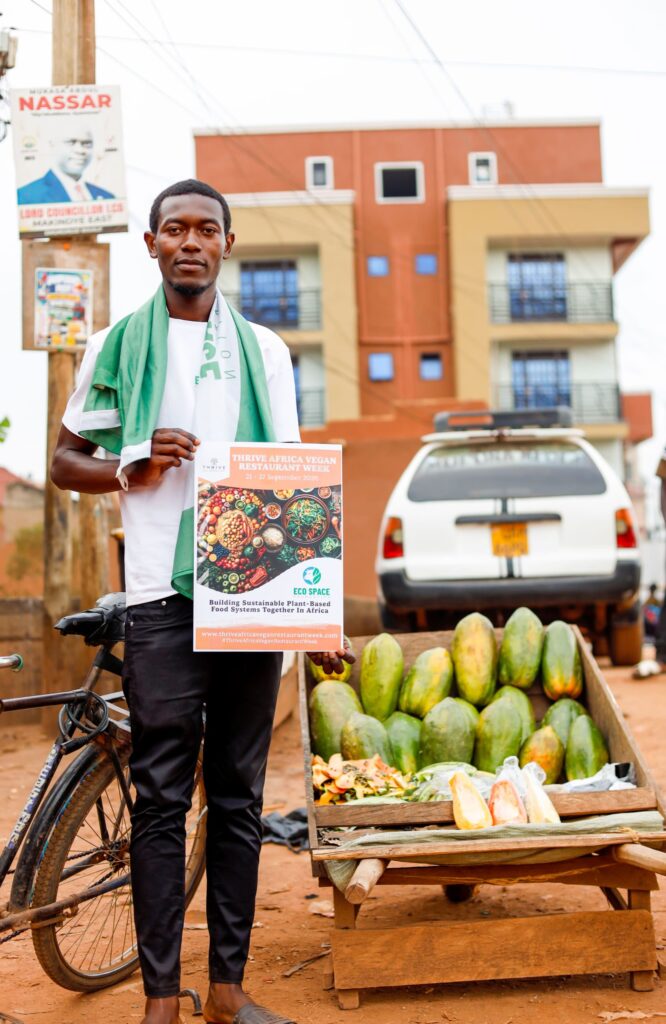 The volunteers encouraged residents to include more fruits, vegetables, legumes, grains, nuts and other plant foods in their diets.
For Eco Space, the discussion is part of a wider argument that changing food consumption can contribute to broader changes in the food system.
The organisation says reducing dependence on animal products can support its goals around animal protection and environmental sustainability.
International food system research has also examined diets ranging from predominantly plant based diets to fully vegan diets as possible approaches to creating healthier and more sustainable food systems.
However, what people eat is influenced by more than nutritional information. Income, culture, availability, taste and established eating habits can all influence dietary decisions.
That makes community engagement an important part of campaigns seeking to change food habits.
 Taking the message to everyday spaces
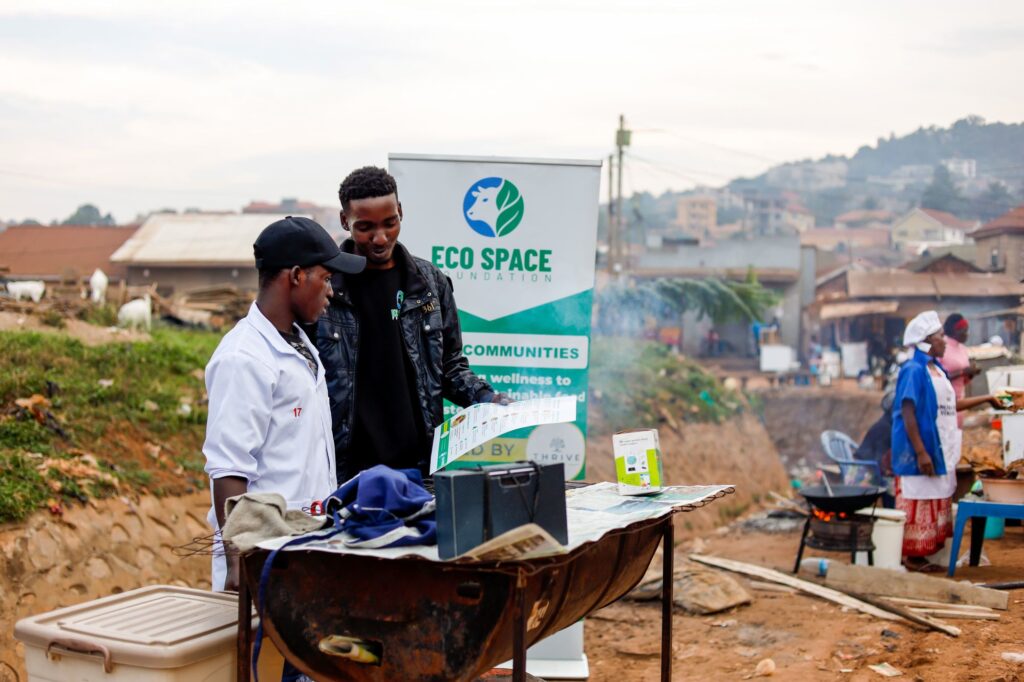
Rather than limiting the campaign to formal meetings, Eco Space volunteers took the conversation to people in their daily surroundings.
Boda boda riders were engaged alongside street food vendors and local leaders. Young people were encouraged to participate in discussions about food, health and sustainability.
Women and men from the community also took part.
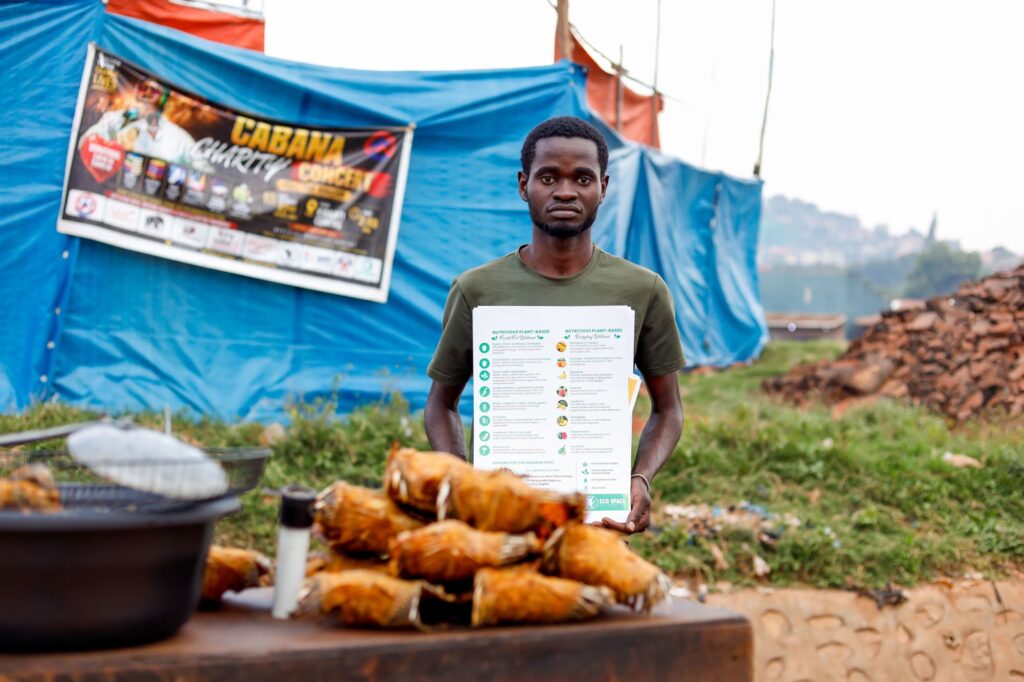
 The organisation says this type of outreach is intended to make discussions about food systems more accessible to people who may not normally encounter them through formal health or environmental programmes.
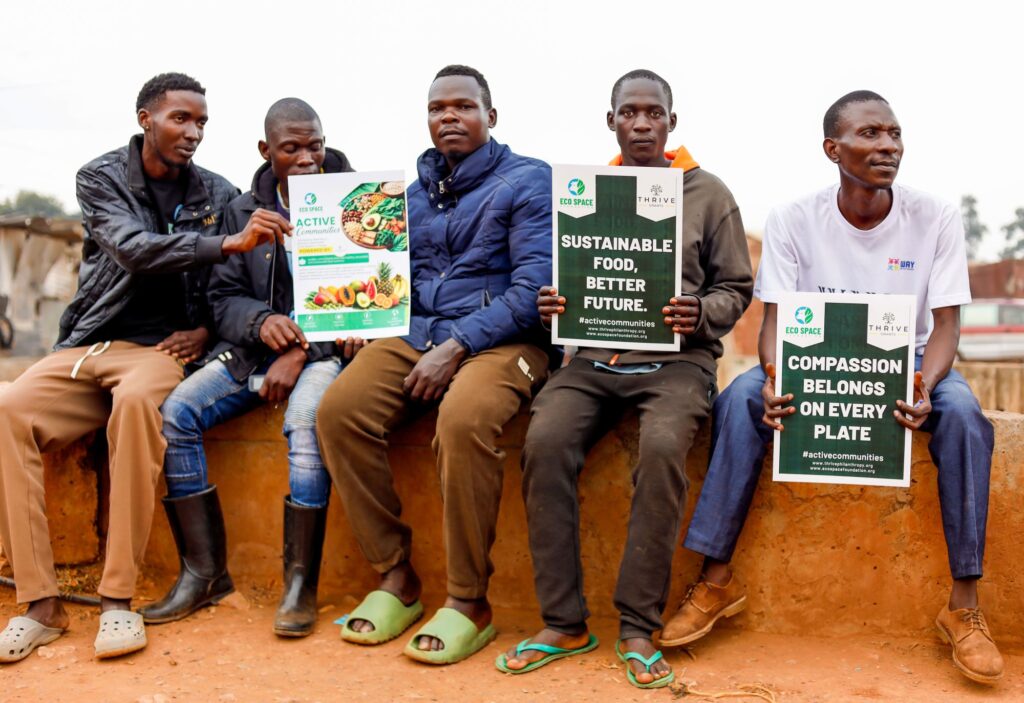
 From conversation to action
For the volunteers working in Kibaati, the aim is not simply to tell residents what to eat.
They are seeking to persuade people to consider whether changing some of their food choices could contribute to healthier lifestyles and a different approach to the treatment of animals and the environment.
For Eco Space Foundation, the wider challenge is whether thousands of individual conversations can translate into lasting changes in how Ugandans produce, sell and consume food.
The organisation says it plans to continue working with communities, businesses, institutions and other partners to promote plant-based food and sustainable food system change.
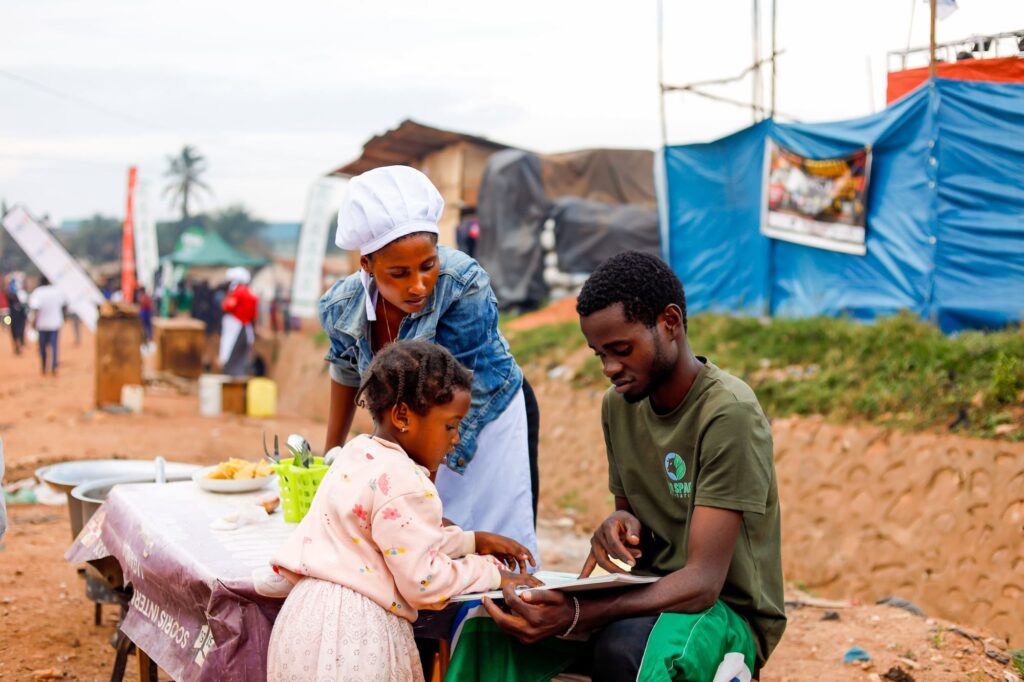
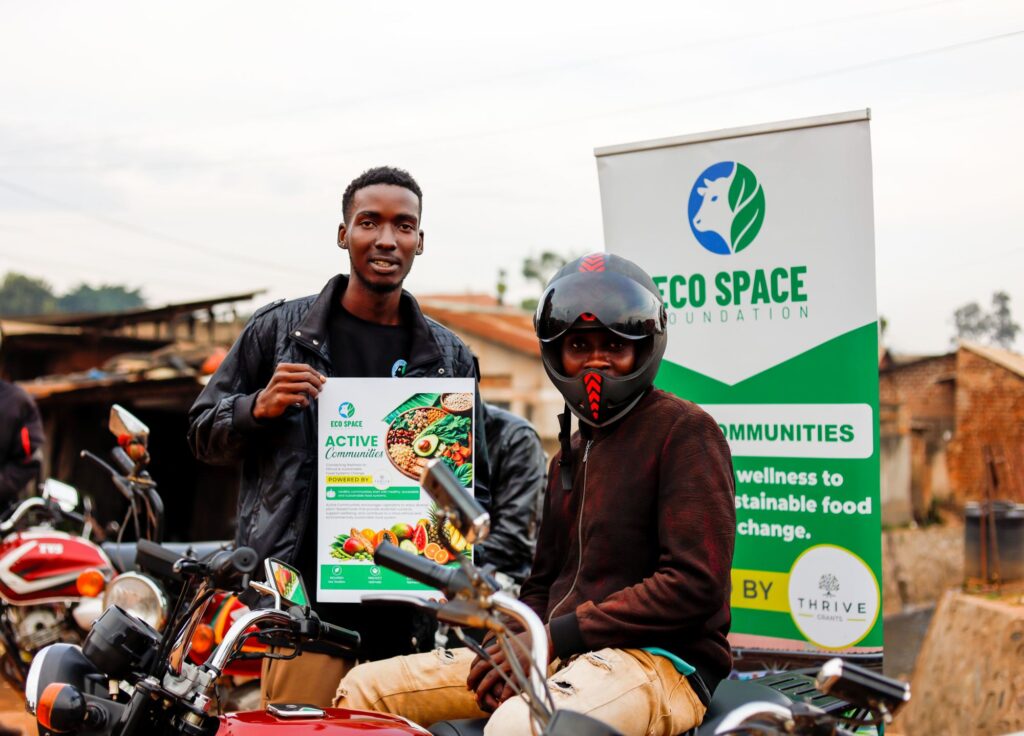 In Kibaati, that wider campaign began with something much smaller: a conversation between volunteers and residents about what is on their plates and what those choices might mean for the future.
This post was created with our nice and easy submission form. Create your post!

Did this story move you? Every gift goes directly to Ahmed Didaati — writers on Muwado earn from reader appreciation, not algorithms. Even $1 makes a difference.




Muwado weekly chart
Get Africa’s top 10 stories every Thursday
No account needed — just your email.
Want to follow Ahmed Didaati and get notified every time they publish?
Create a free Muwado account →