

 Ahmed Didaati

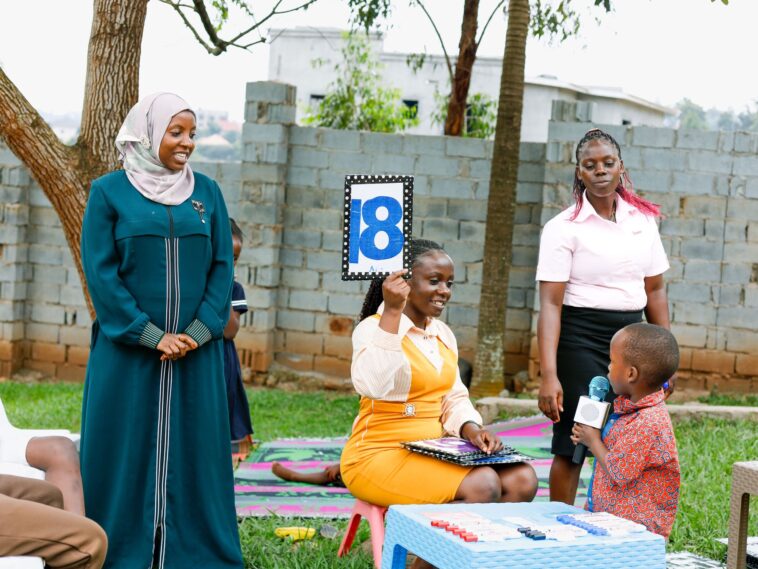
 For a few hours, a Kampala home was transformed into a classroom but this time, the audience was made up of parents, brothers and sisters.
Children who are normally taught at home gathered to demonstrate what they have been learning from their teachers. The session, organised by Nabakka Jalia, brought together four homeschooling families under one roof, giving parents an opportunity to meet one another and see how children of different ages were progressing.
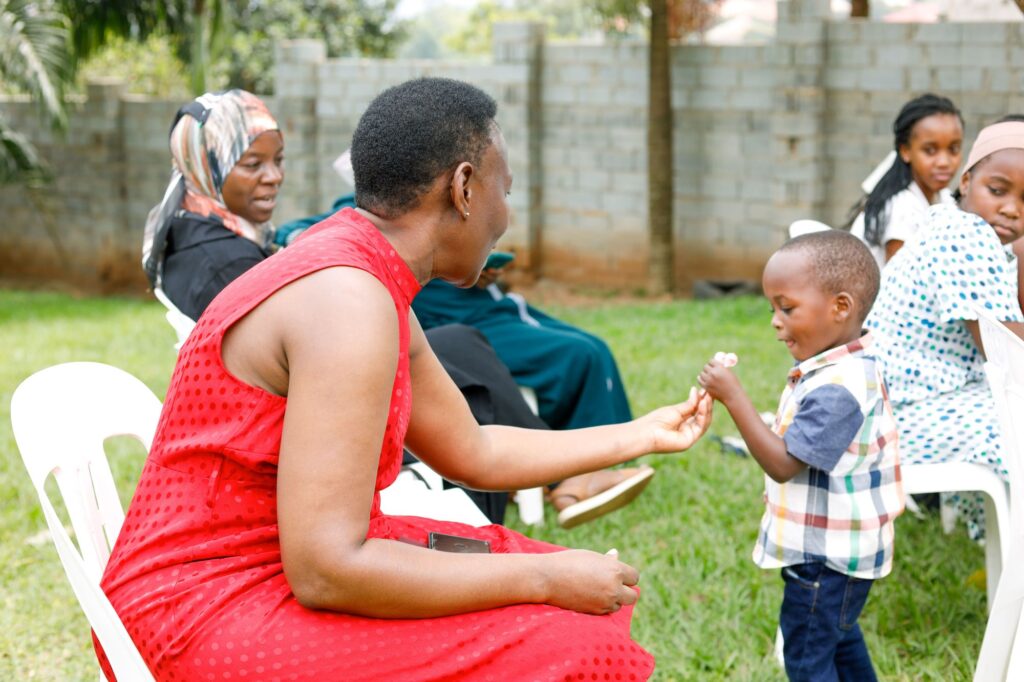
The demonstration was particularly significant for the youngest learners.
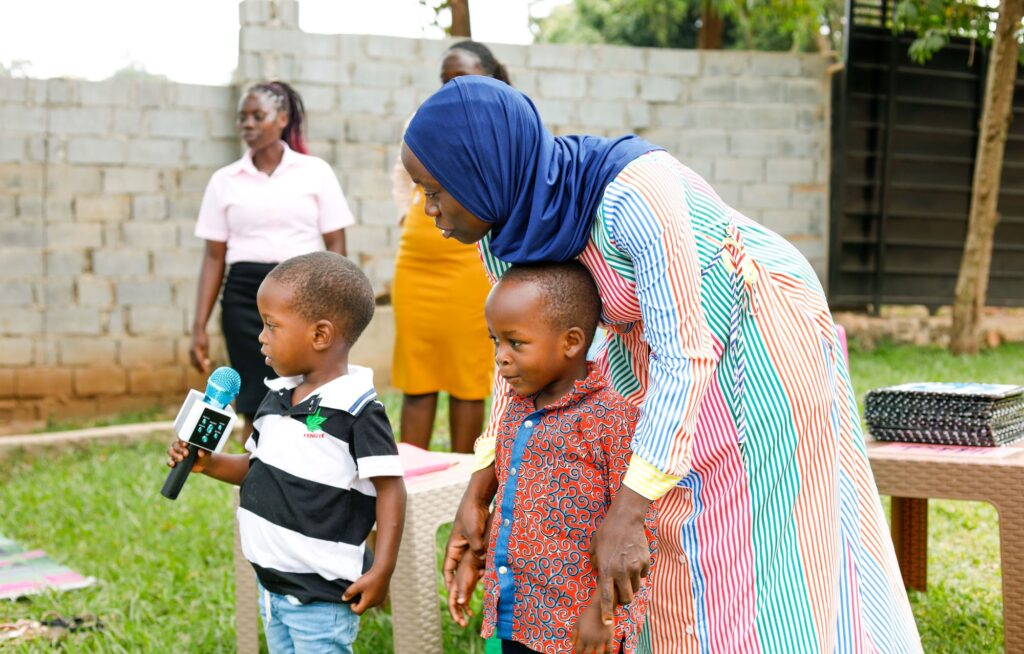
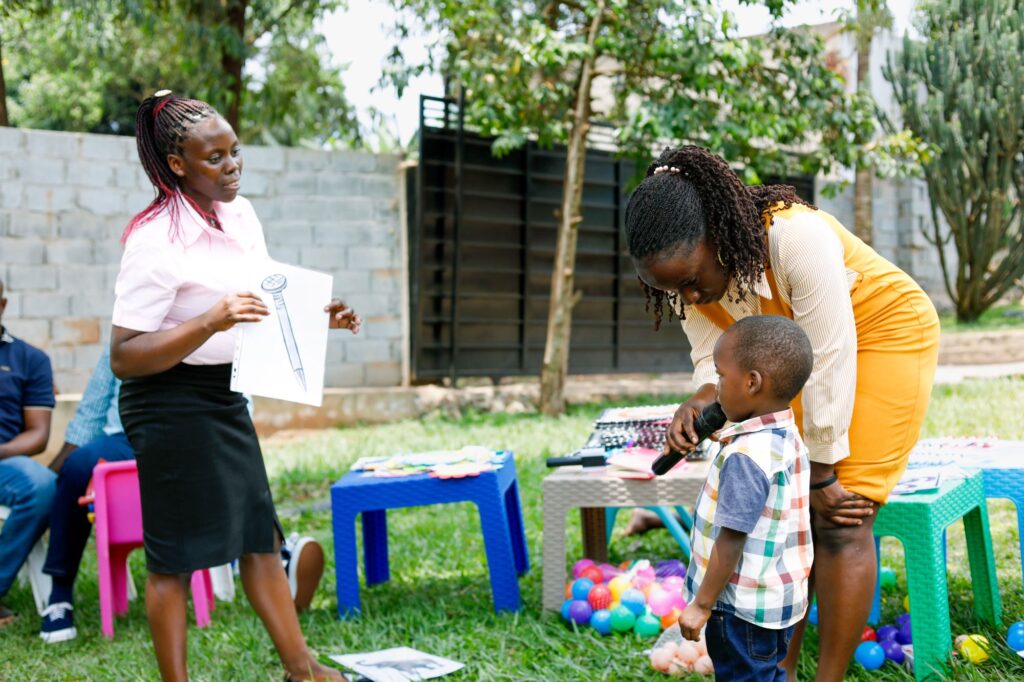
Parents and siblings watched in surprise as children as young as three years old counted from one to 20, wrote the numbers, wrote their own names and recited the alphabet from A to Z.
For families accustomed to seeing their children in an everyday home environment, the demonstration offered a different view of their abilities.
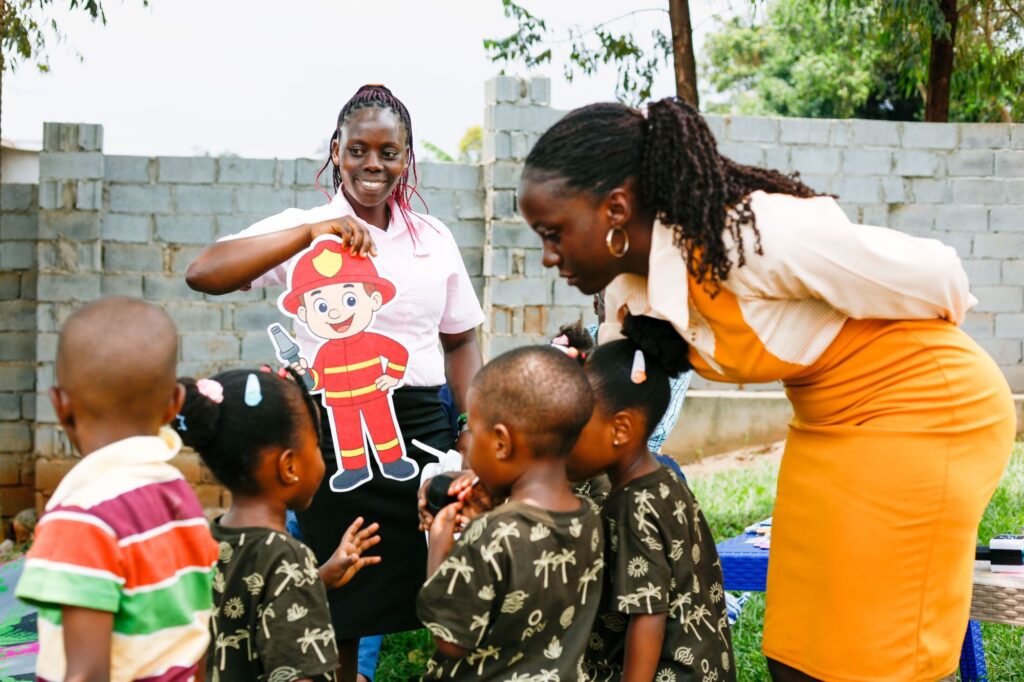
The children stood before their families and showed what they had learned turning lessons that usually take place away from public view into something parents could see for themselves.
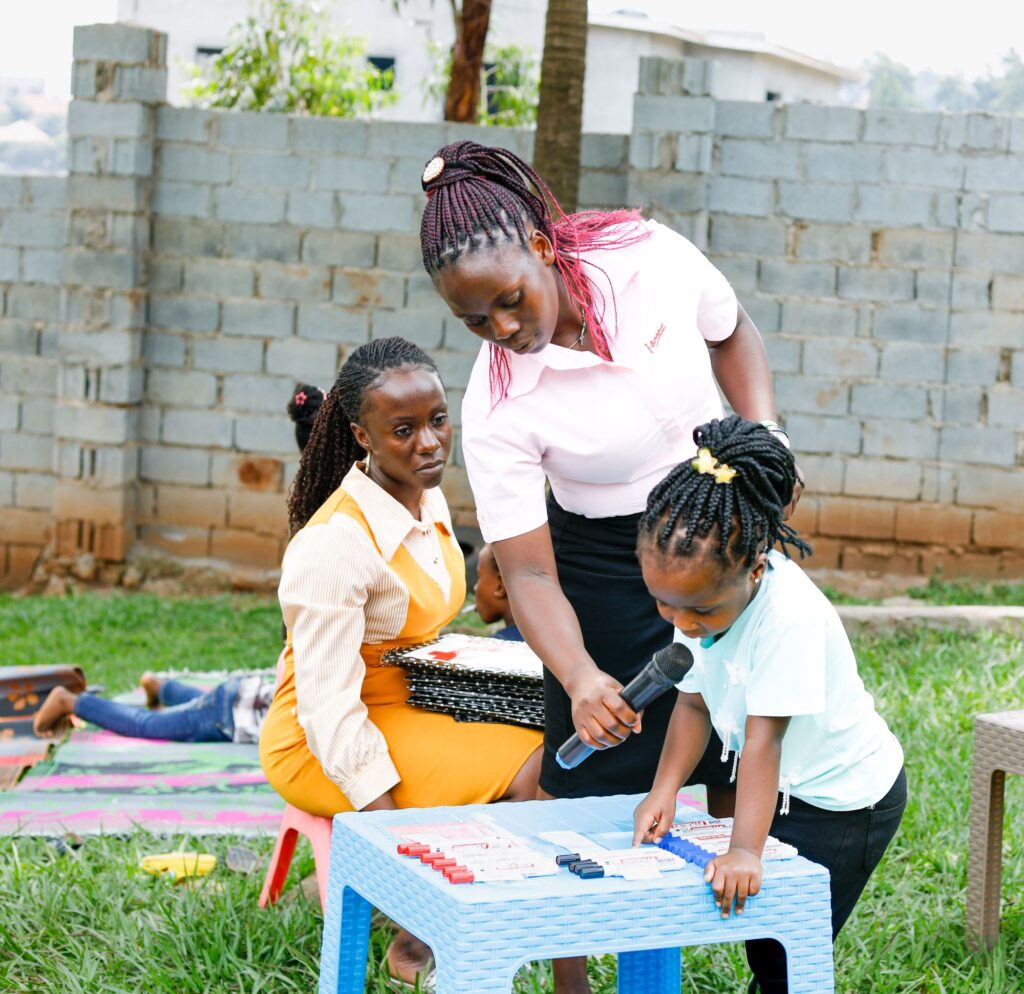
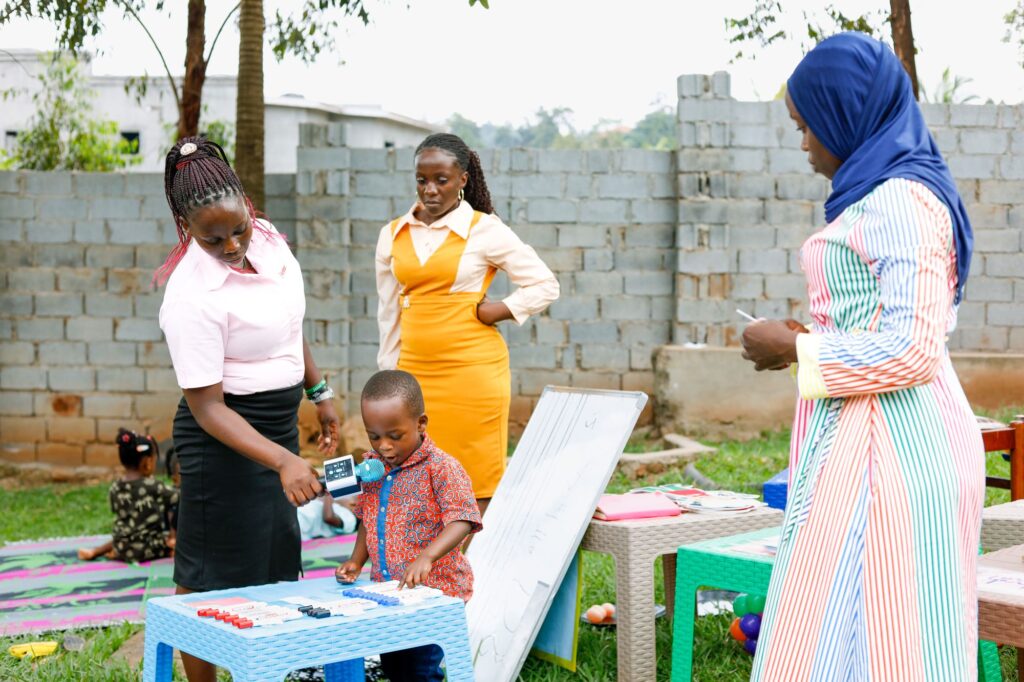
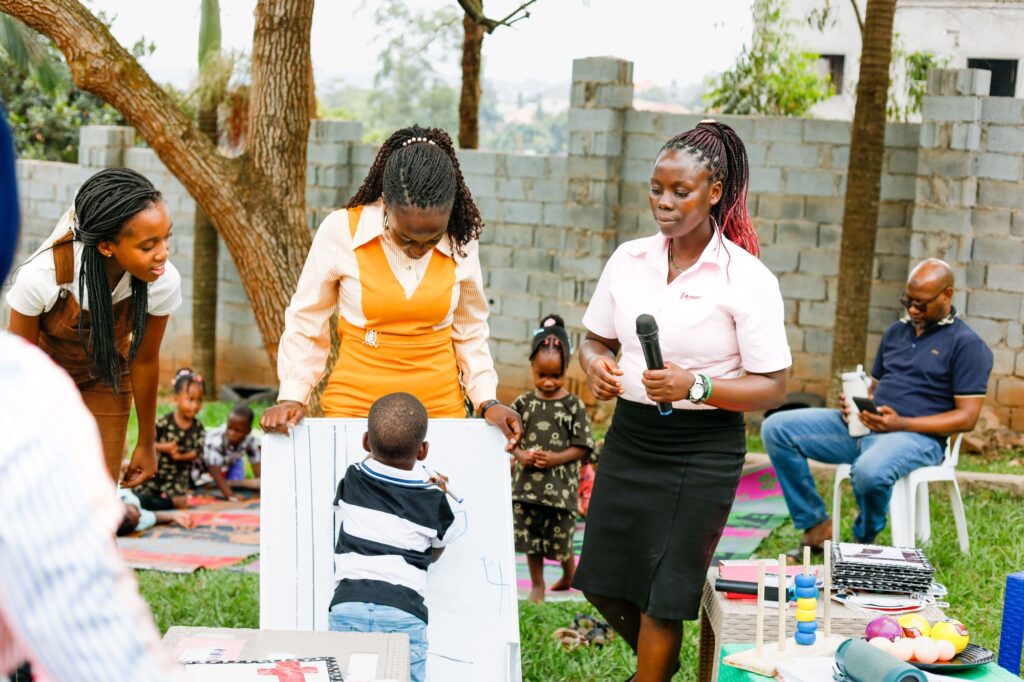
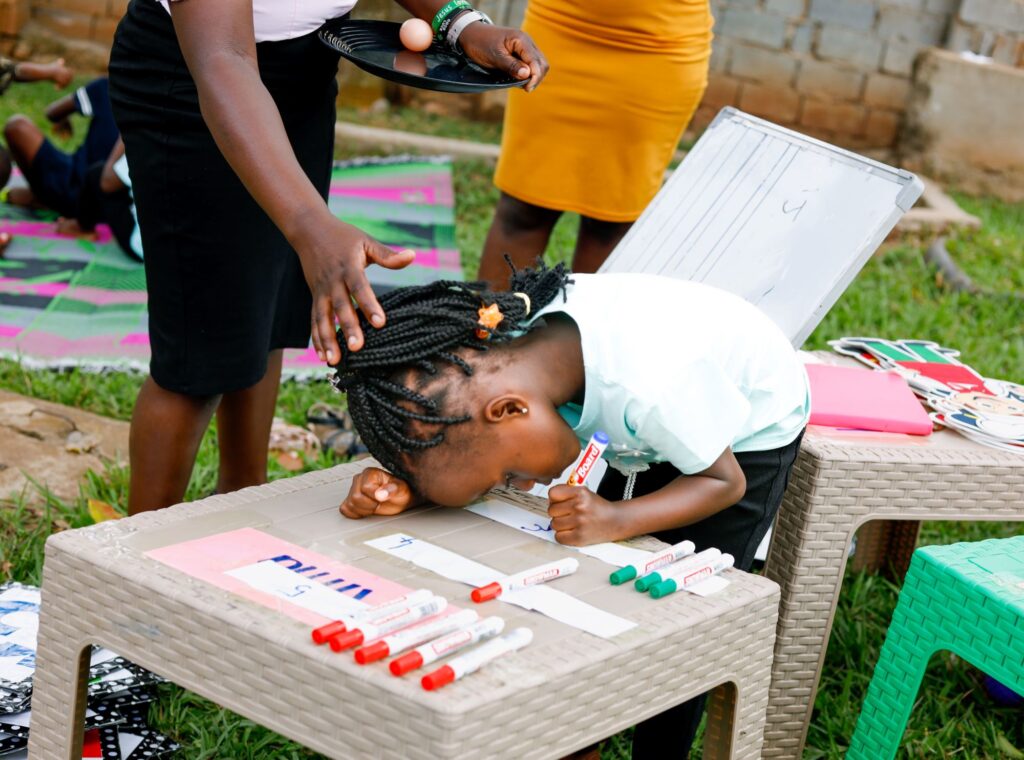 A classroom without the traditional school setting
Jalia, who leads the homeschooling service, used the holiday gathering to bring families together and demonstrate the progress being made by the children.
The idea was not simply to test the children. It was also to allow parents to observe different learners, understand their individual abilities and interact with other families using the same educational approach.
For some parents, the gathering was their first opportunity to see how other homeschooling children of different ages were performing.
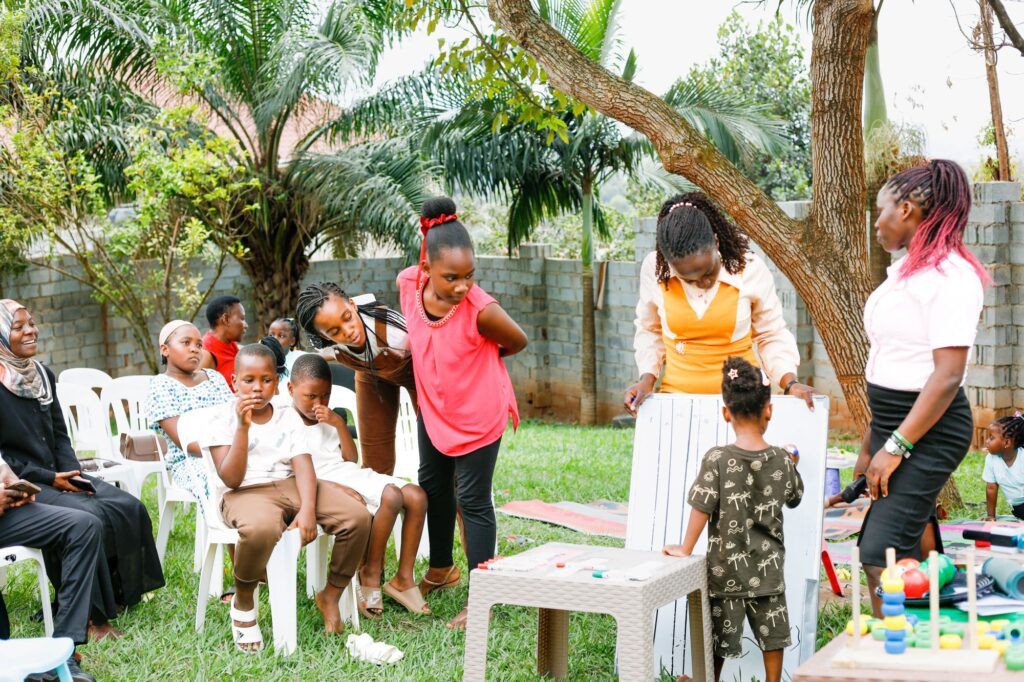
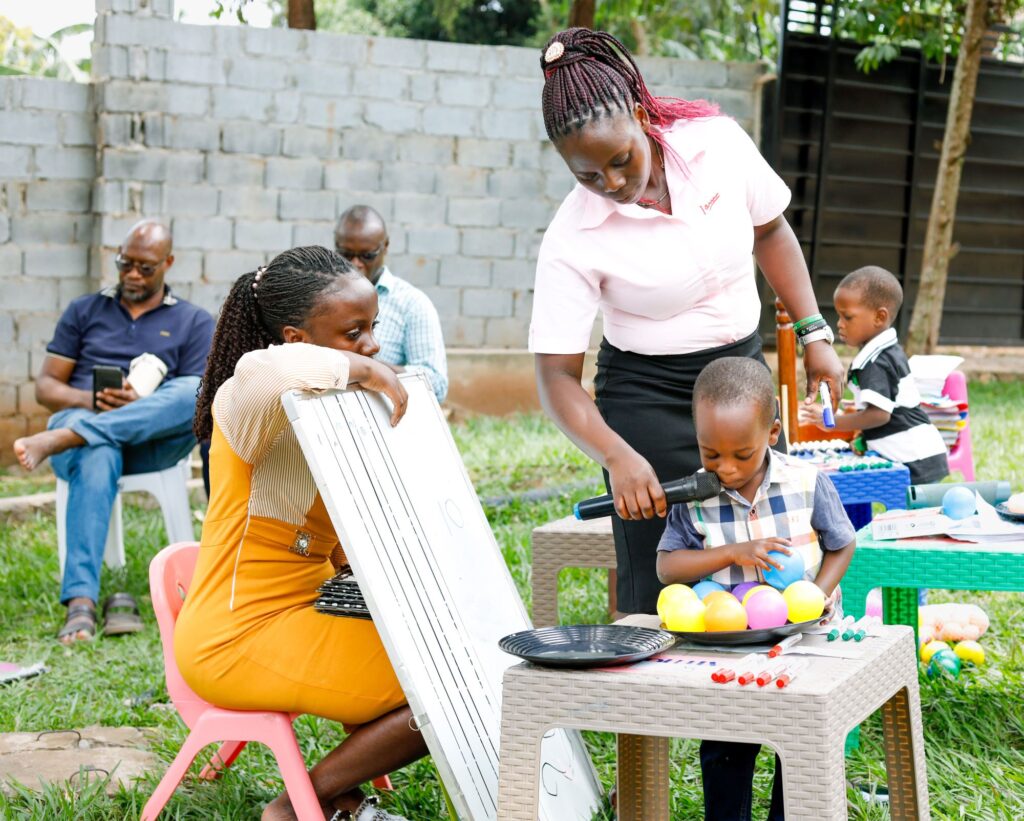
The gathering comes as homeschooling continues to attract attention in Uganda.
Parents become part of the learning process
For the families attending Jalia’s demonstration, the day was also about trust and involvement.
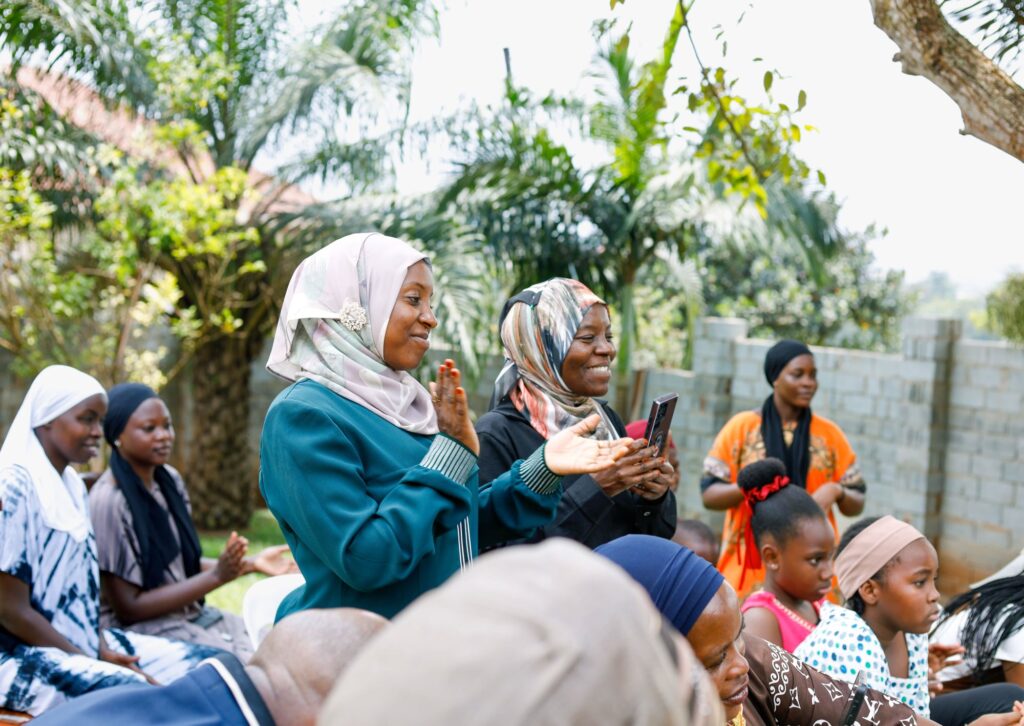
Rather than relying only on reports from teachers, parents could watch their children perform directly.
A three year old counting confidently from one to 20 may appear to be a small achievement. But for a parent watching their child demonstrate the skill in front of the family, it can become a powerful measure of progress.
The children were also given the opportunity to express themselves in front of people they knew their parents and siblings helping turn learning into a shared family experience.
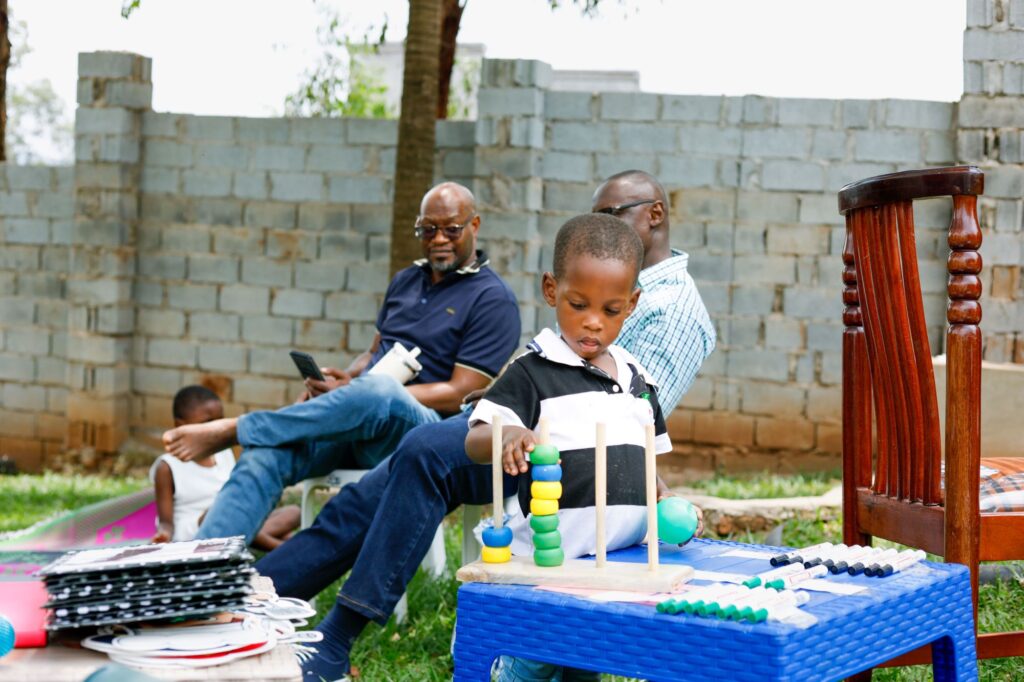
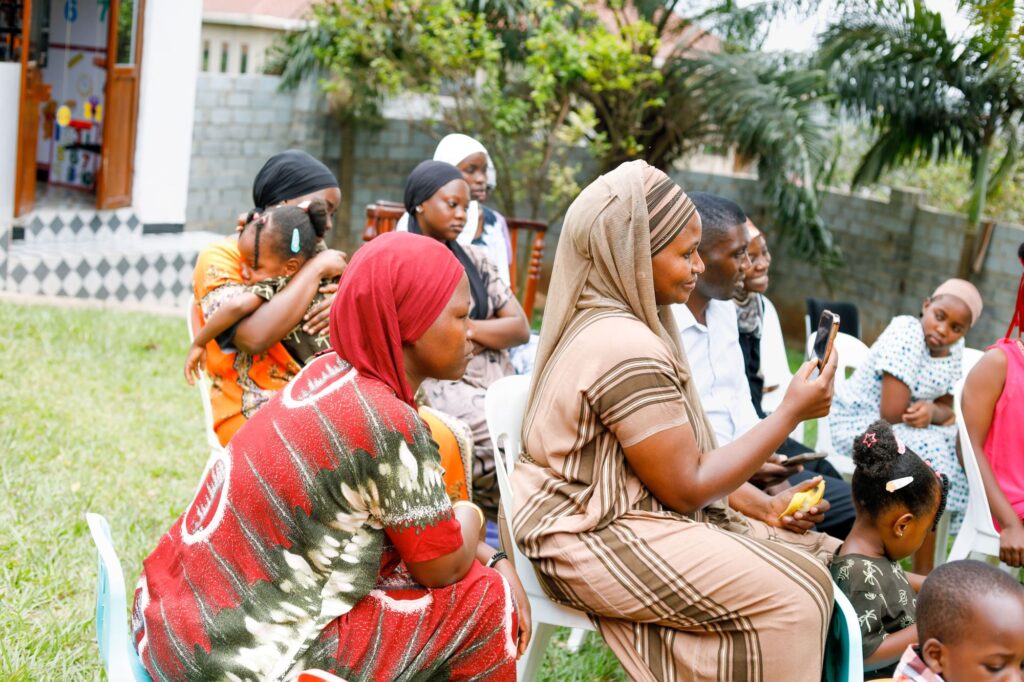
Jalia’s work is part of a growing homeschooling community in Kampala, supporting families who have chosen a different approach to their children’s education.
The gathering also gave parents an opportunity to get to know one another, share experiences and see how different children develop at different stages.
Beyond the numbers
The demonstration raises a broader question for Uganda’s education system: how should children’s progress be measured when learning happens outside the conventional classroom?
For the families gathered in Kampala, however, the immediate concern was personal.
They wanted to see their children learn and they wanted the children to know that their parents were watching.
As the young learners counted, wrote their names and moved through the alphabet, the home became a classroom in the fullest sense: a place where children could demonstrate what they knew, teachers could show their work, and families could witness learning for themselves.
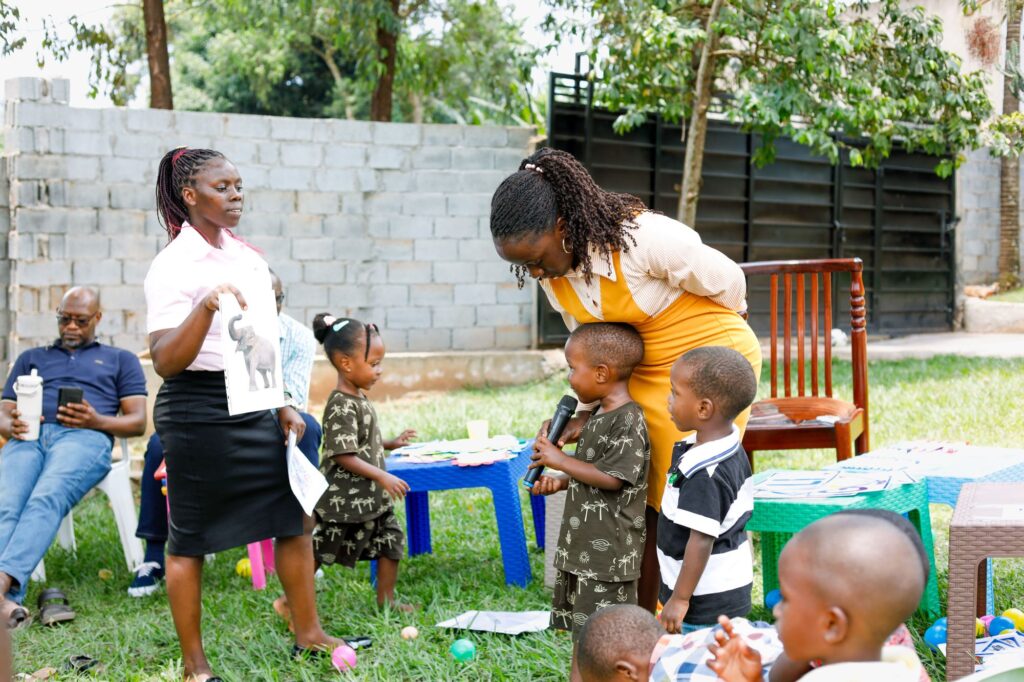
For these homeschooling families, the day’s demonstration was more than a holiday activity. It was an opportunity to build confidence in the learning process and show parents that progress can be visible even when education takes place beyond the traditional school setting.
This post was created with our nice and easy submission form. Create your post!

Did this story move you? Every gift goes directly to Ahmed Didaati — writers on Muwado earn from reader appreciation, not algorithms. Even $1 makes a difference.





Muwado weekly chart
Get Africa’s top 10 stories every Thursday
No account needed — just your email.
Want to follow Ahmed Didaati and get notified every time they publish?
Create a free Muwado account →