

 Ahmed Didaati

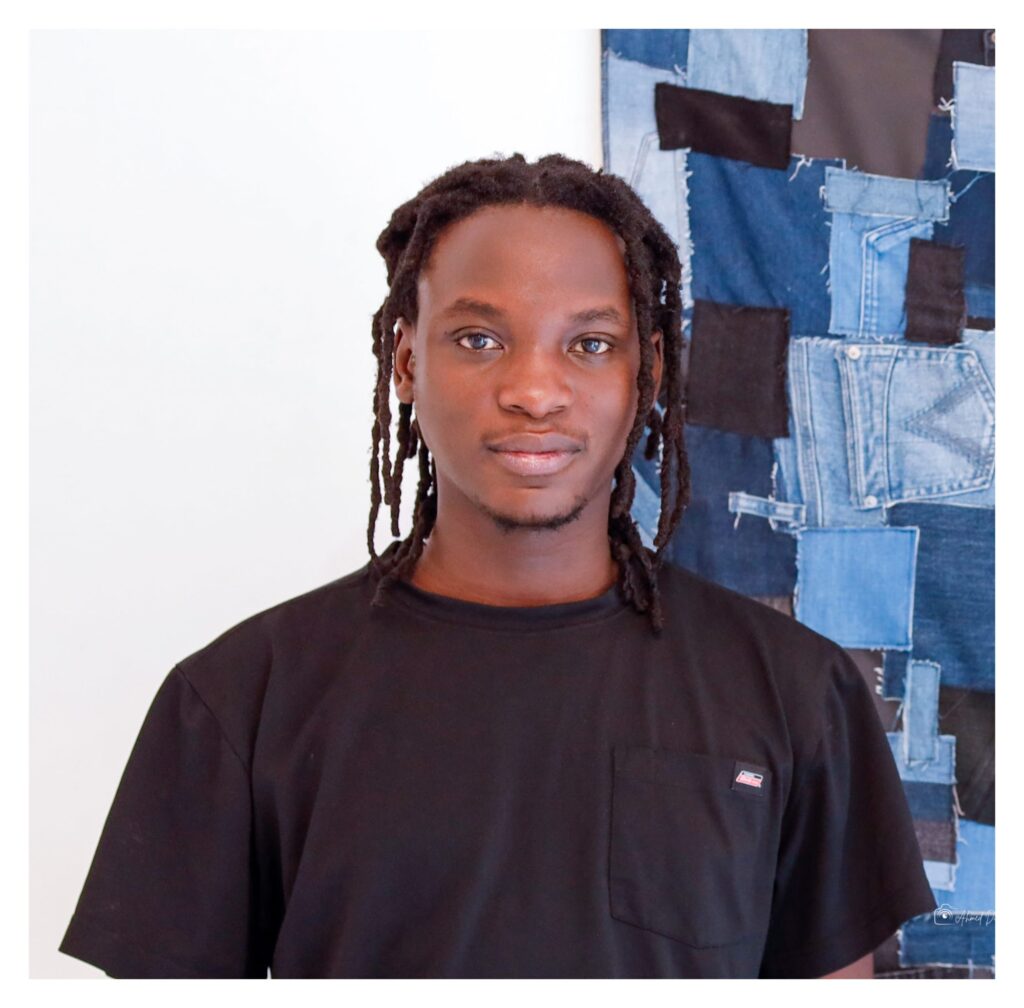
NDEJJE, Wakiso What does it mean to exist? For many, the question has no single answer. For Ugandan multidisciplinary artist Edwin Ntare, the answer is explored through fabric, memory and the lived experiences that shape a person over time.
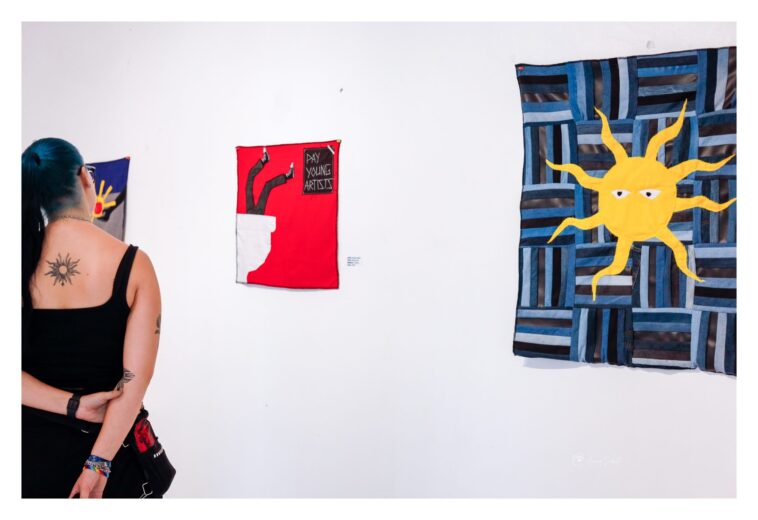
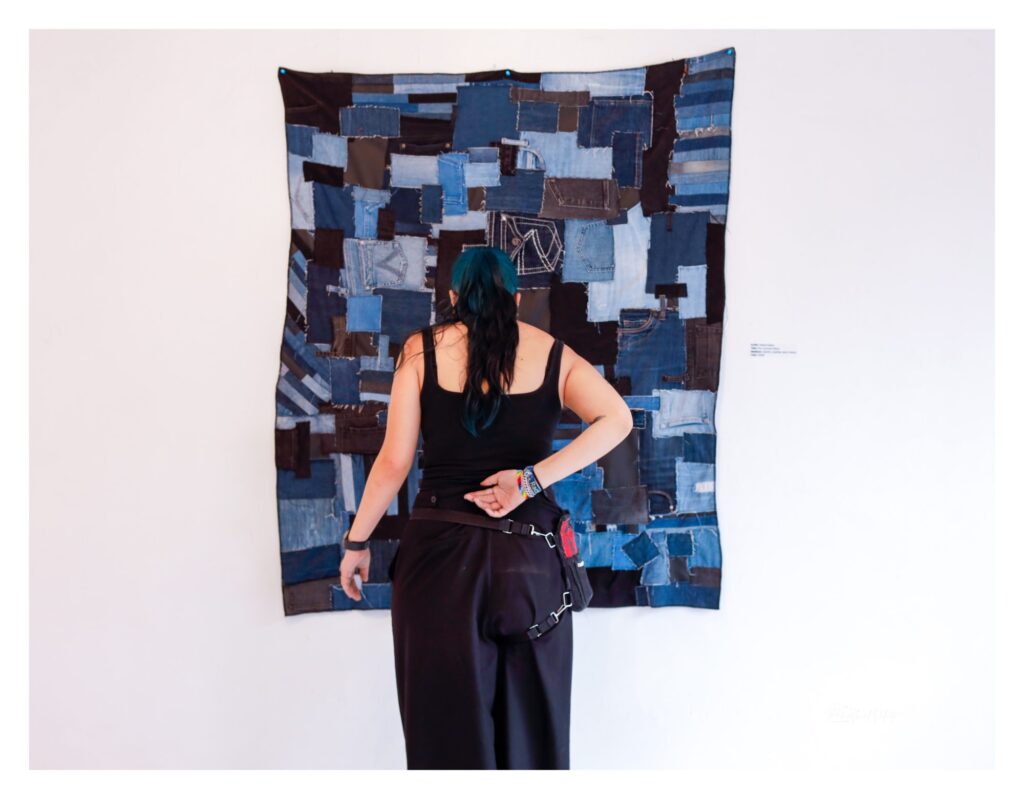
At Kiggundu Art Studio, Ntare’s debut solo exhibition, Chronicles of Existence, invites audiences into a deeply personal journey through 17 original artworks, each reflecting a different chapter of his life. Working with denim, leather, cotton and recycled textiles, the artist transforms everyday materials into contemporary artworks that speak about identity, uncertainty, growth and self discovery.
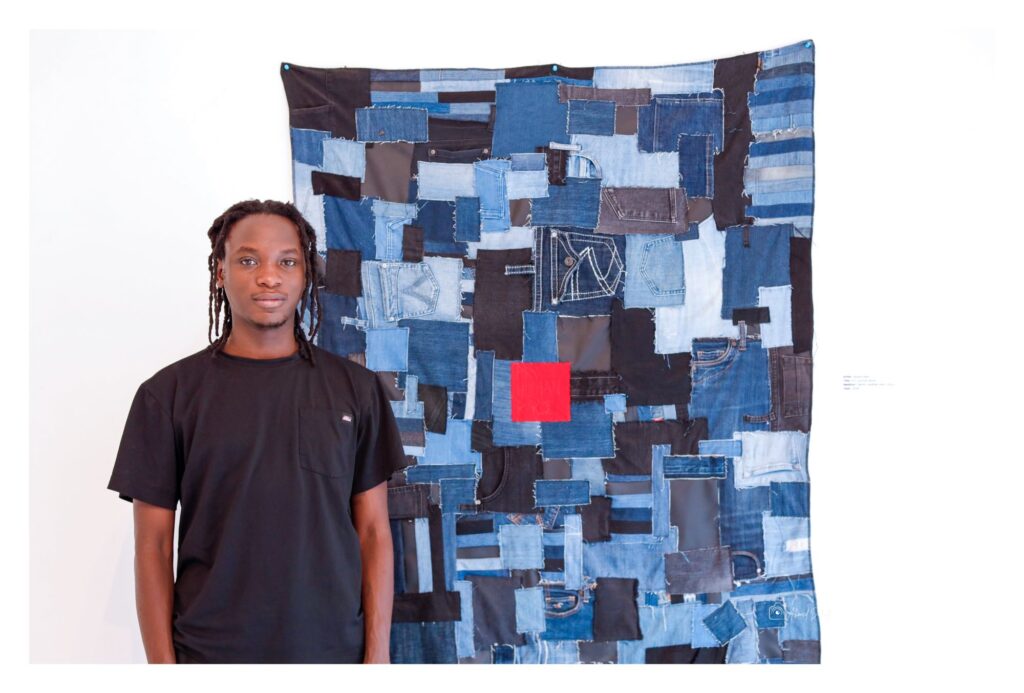
Speaking about the exhibition, Ntare described it as a major milestone in his artistic journey.
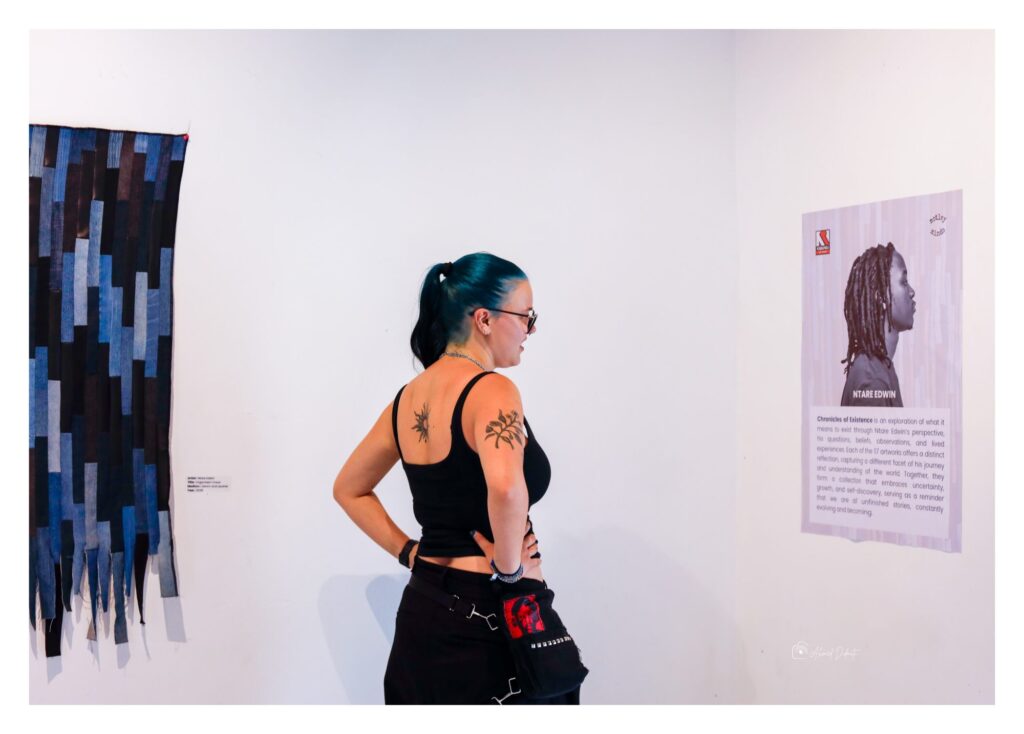
“This is my fifth exhibition, but my first solo show,” he said. “Each of the 17 artworks offers a distinct reflection, capturing a different facet of my journey and understanding of the world. Together, they embrace uncertainty, growth and self-discovery, reminding us that we are all unfinished stories, constantly evolving and becoming.”
Rather than presenting finished conclusions, the exhibition offers moments of reflection. Every artwork draws from the artist’s questions, beliefs, observations and lived experiences, encouraging visitors to pause and consider their own journeys.
Born in Kampala in 2000, Edwin Ntare is a multidisciplinary artist, designer and founder of Motley Minds, a creative label dedicated to sustainable fashion through upcycling. His practice brings together contemporary art, fashion and environmental awareness, giving discarded textiles a renewed purpose.
Unlike many artists who work primarily with paint on canvas, Ntare builds his compositions through cutting, stitching, layering and reconstructing denim, leather and cotton. The visible seams, textures and worn surfaces become part of the narrative, suggesting that every material carries traces of memory, labour and human experience. His works blur the boundaries between textile art, sculpture and painting, creating richly textured surfaces that invite viewers to look beyond the material itself.
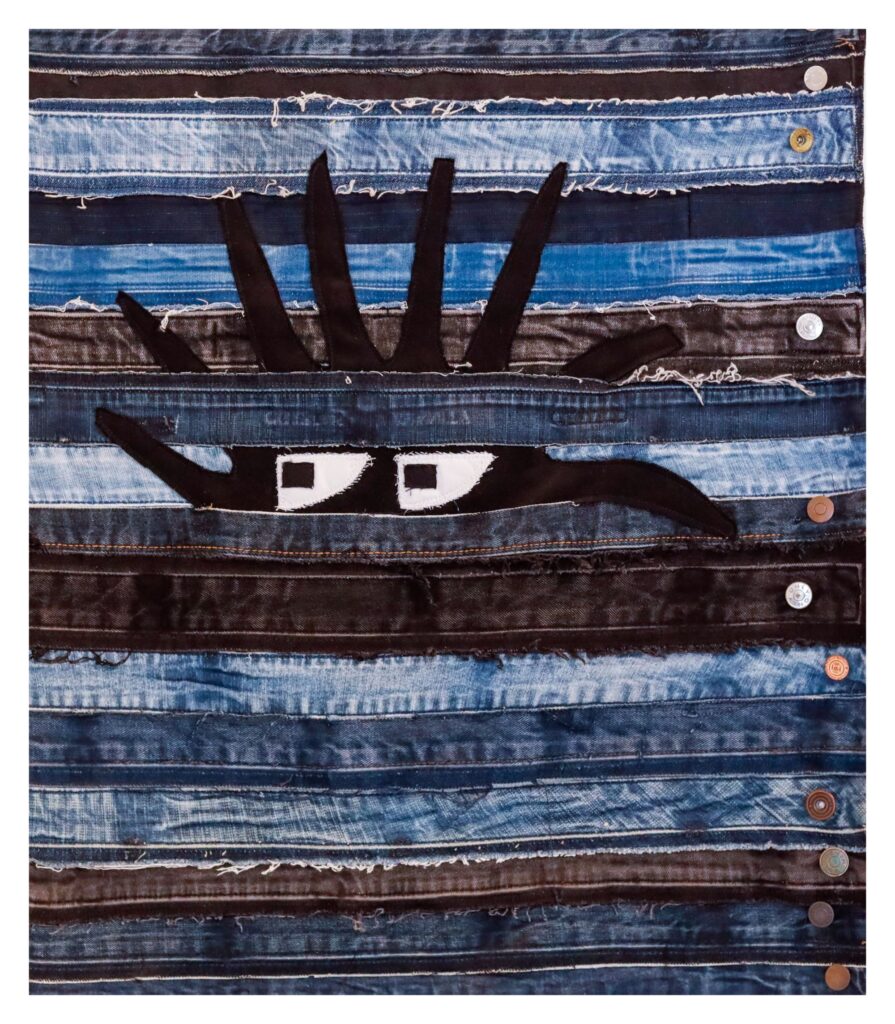
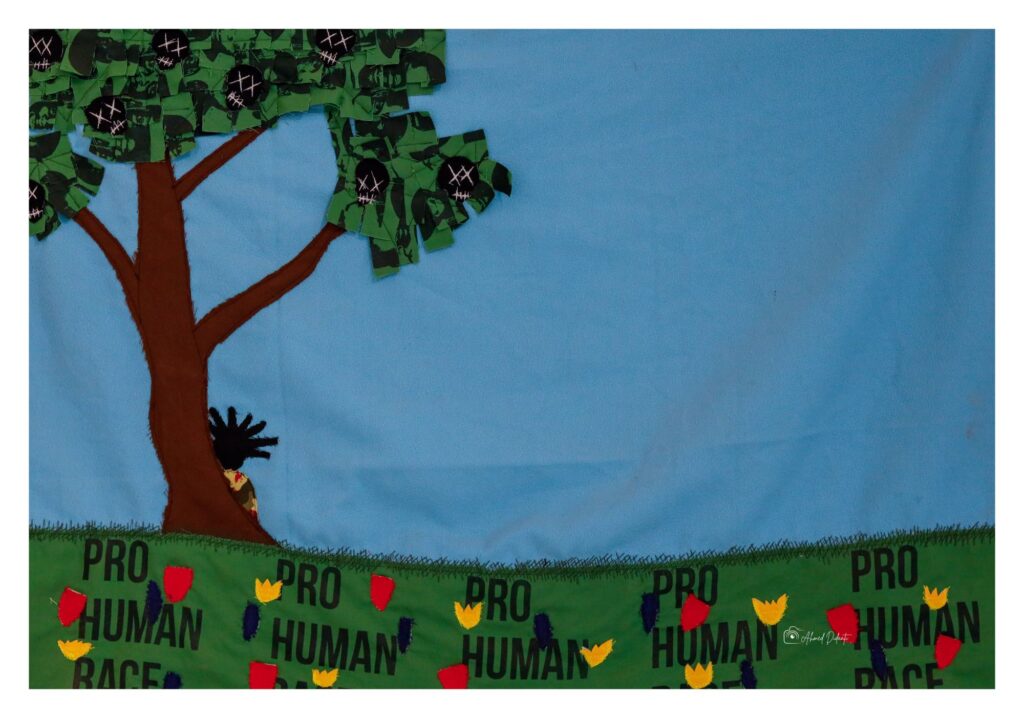
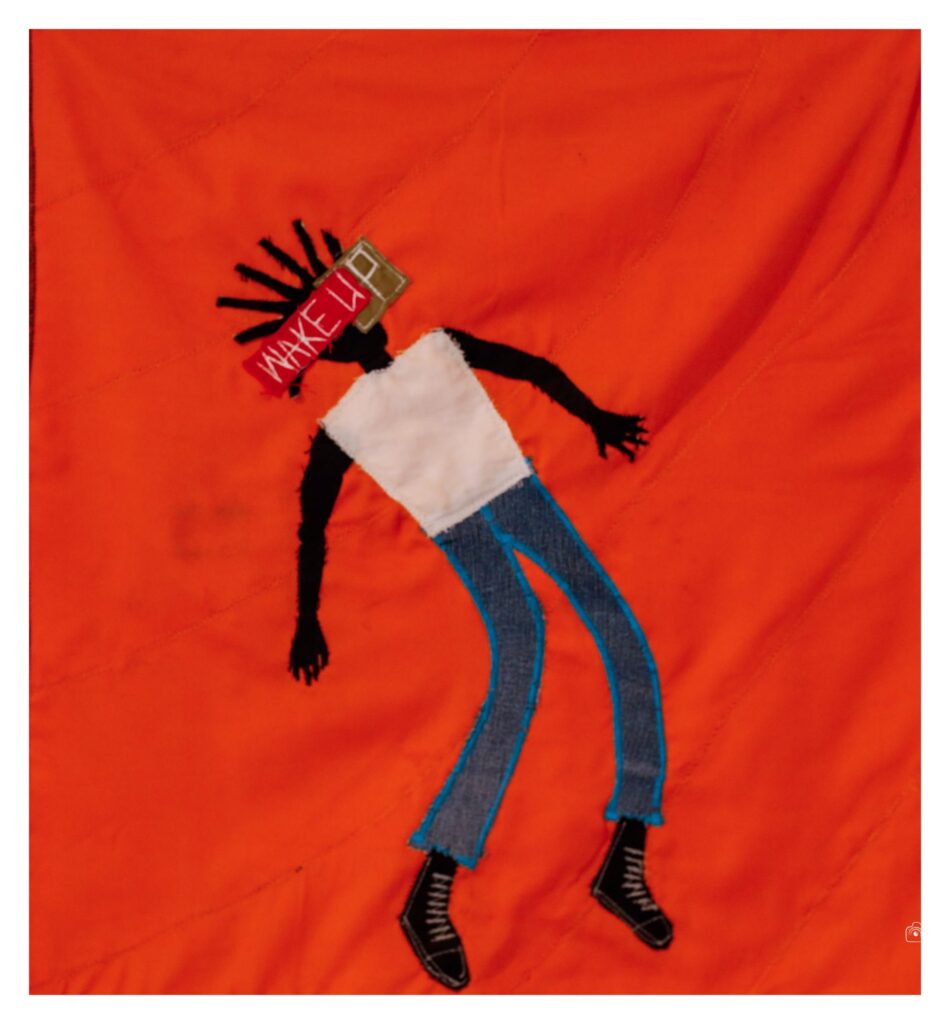
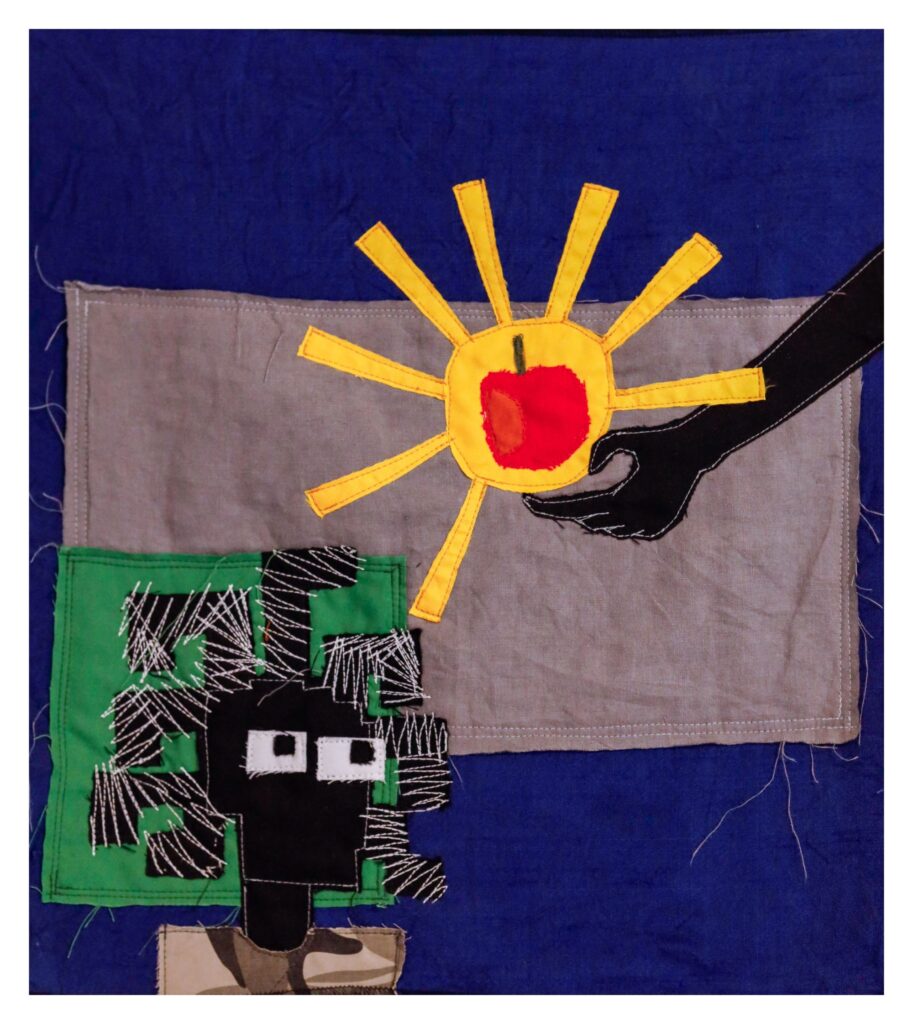 Ntare’s artistic language was further shaped through the Metamorphosis Apprenticeship Programme at Kiggundu Art Studio, where he received mentorship in material experimentation, research and professional artistic practice. During the programme, he also participated in collaborative cultural research projects that encouraged young artists to examine Uganda’s heritage while developing contemporary forms of expression.
For Ntare, sustainability is not simply an environmental concern but an artistic philosophy. By transforming worn fabrics into works of art, he challenges conventional ideas about value and waste, suggesting that materials like people can be renewed, reshaped and given new meaning.
His exhibition arrives at a time when Uganda’s contemporary art scene is increasingly embracing experimentation with unconventional materials. Young artists are exploring themes of identity, belonging, climate consciousness and cultural memory, positioning art not only as an object of beauty but also as a platform for dialogue.
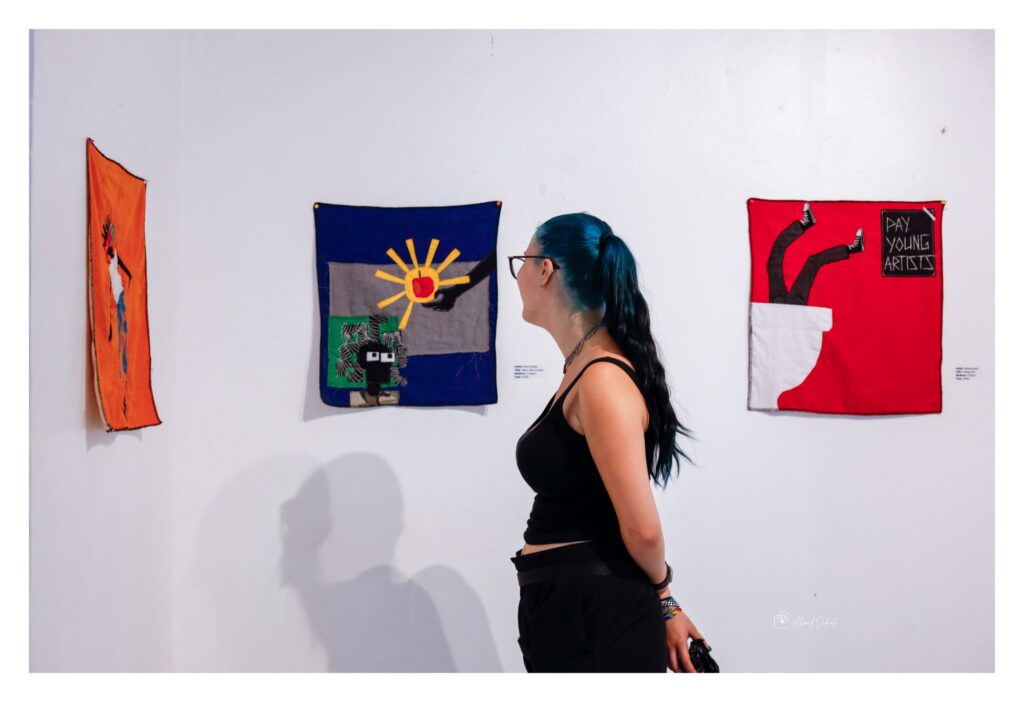
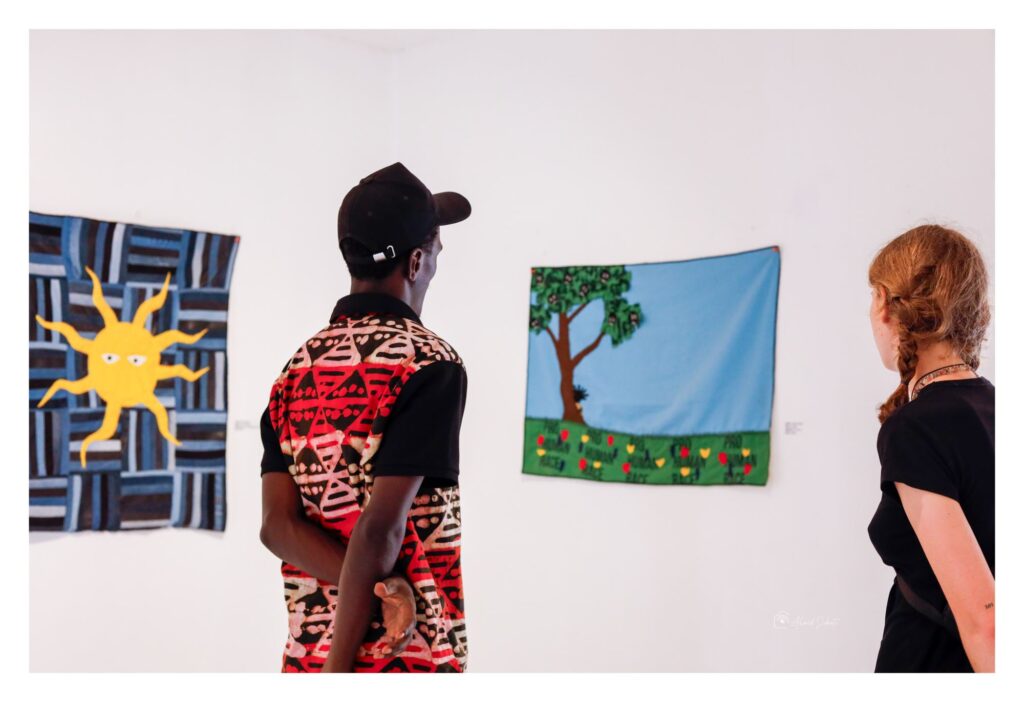
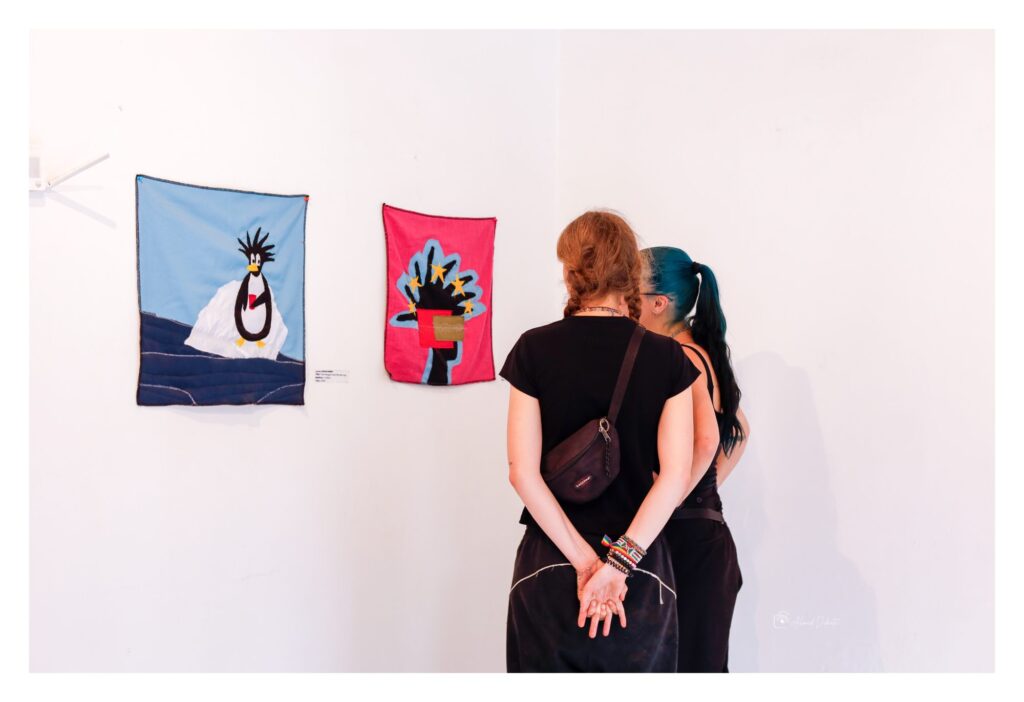
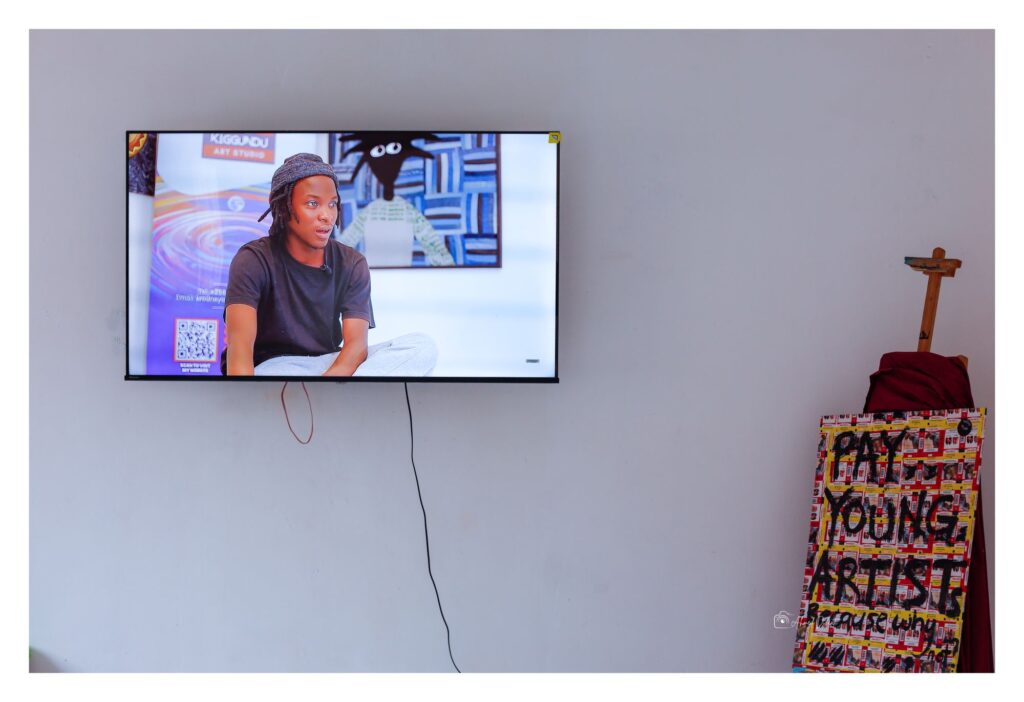 Throughout Chronicles of Existence, the artist avoids providing definitive answers. Instead, each work becomes an invitation to reflect on the complexities of being human—our memories, our uncertainties, our resilience and our capacity for transformation.
The exhibition demonstrates that ordinary materials can tell extraordinary stories. A pair of worn jeans, a fragment of leather or a piece of cotton becomes a metaphor for lives shaped by time, experience and change.
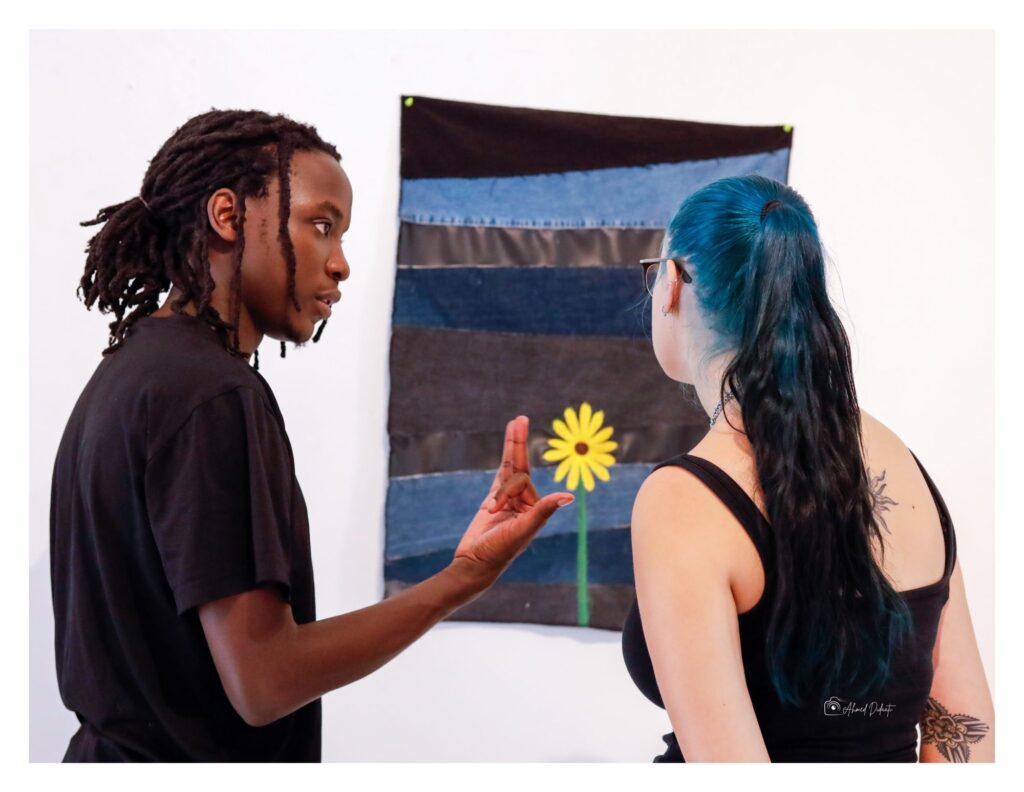
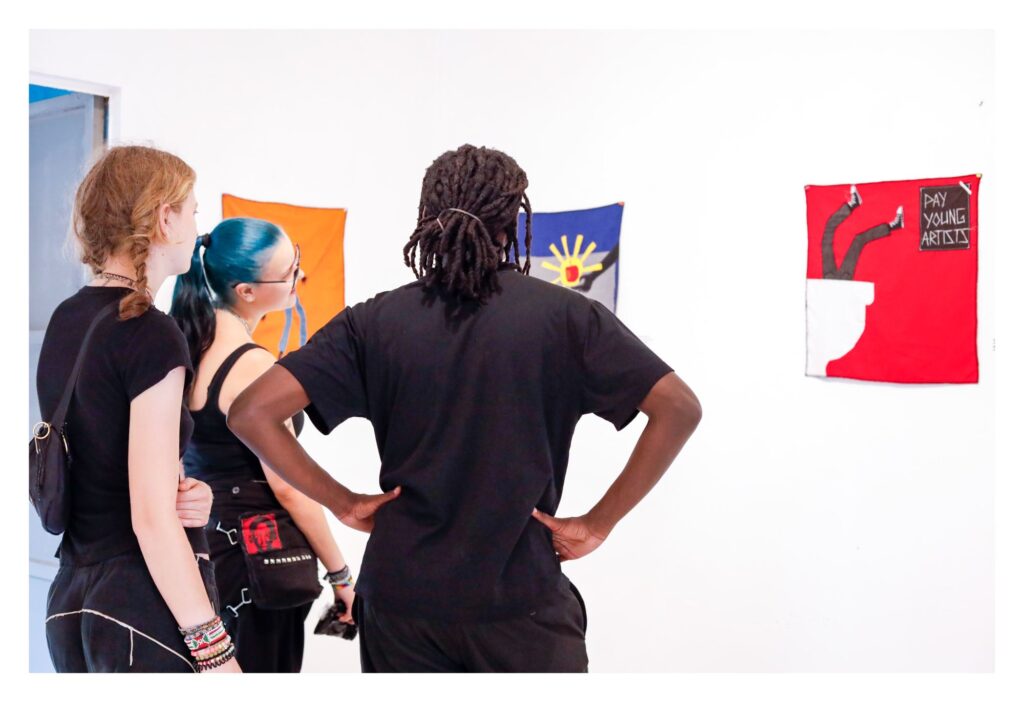
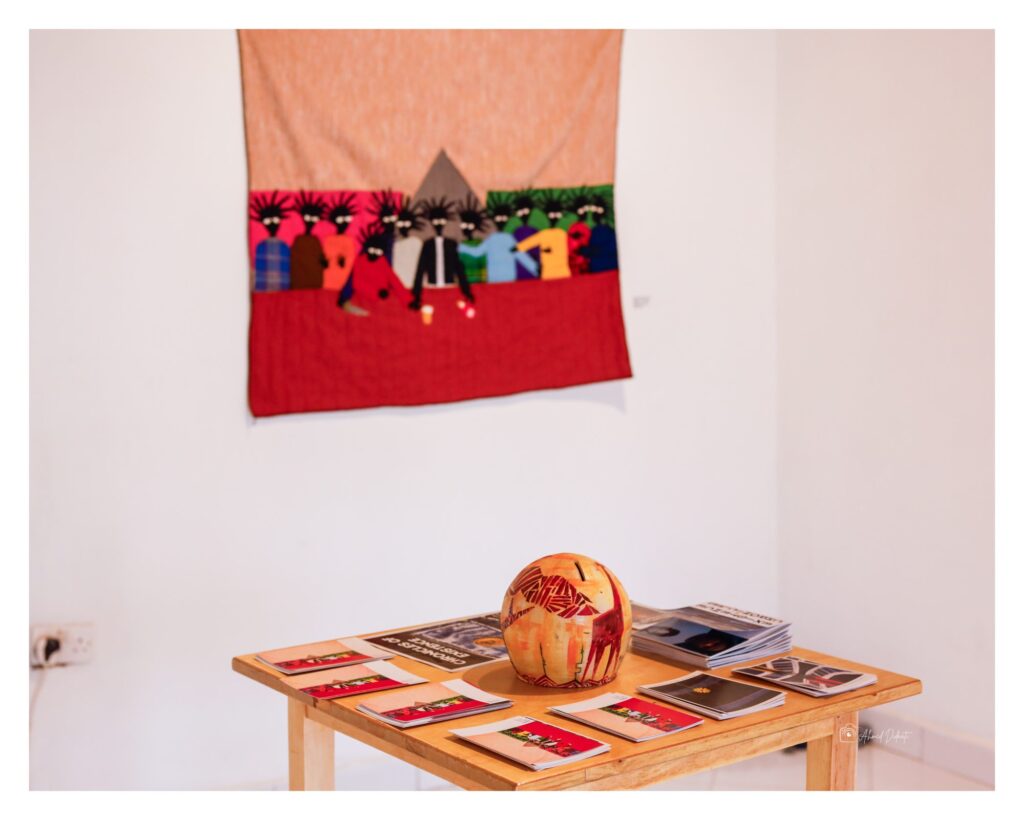 Walking through Chronicles of Existence is less about finding answers than recognising shared experiences. Every stitched surface and layered textile speaks to the idea that identity is never fixed but continually rewritten through lived experience.
In a world that often demands certainty, Edwin Ntare offers a quieter and more enduring message: existence is not a destination, but a continuous process of becoming.
This post was created with our nice and easy submission form. Create your post!

Did this story move you? Every gift goes directly to Ahmed Didaati — writers on Muwado earn from reader appreciation, not algorithms. Even $1 makes a difference.




Muwado weekly chart
Get Africa’s top 10 stories every Thursday
No account needed — just your email.
Want to follow Ahmed Didaati and get notified every time they publish?
Create a free Muwado account →