

 Shadreck Chikoti
For the fun of history. Do not fear your history.
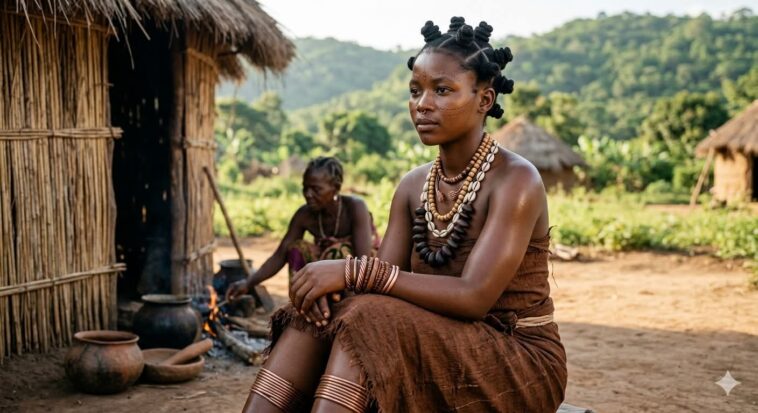
In the pre-colonial Maravi Empire during its formative and expansive eras, women’s beauty standards, clothing, and body adornments were deeply intertwined with social status, lineage, and spiritual identity. Because modern factory-printed textiles did not yet exist, the human body and locally harvested natural resources served as canvas and cloth. Within this highly structured matrilineal society, fashion and presentation functioned as a strict visual language of political power, ritual purity, and social class.
Body Modification and Cosmetics
The physical body itself was the primary medium for artistic and cultural expression. Maravi women utilized permanent modifications and natural cosmetics to signal beauty, resilience, and identity.
Mphini (Scarification): The definitive mark of beauty, femininity, and endurance was mphini. These were intricate, intentional geometric incisions made on the skin, most prominently on the cheeks, forehead, stomach, and arms. Once healed, the smooth, raised patterns were considered highly attractive and served as a clear marker of high social standing and ethnic lineage.
Complexion and Skin Oils: To achieve a radiant, supple complexion, women moisturized with oleaginous tree extracts, seed oils, and animal fats. These fats were often infused with aromatic wild herbs, leaving the skin with a luminous, healthy glow that was celebrated under the sun.
Sacred Clays: During major life transitions, such as chinamwali (initiation rites), specific natural red ochre or white clays were applied to the skin. These acted as both a temporary cosmetic decoration and a protective spiritual shield.
Clothing, Fabrics, and Styles
Fabric production in early Maravi required immense craftsmanship, utilizing the rich flora and fauna of the Miombo woodlands. Clothing styles were defined by absolute requirements for modesty and structural simplicity.
Chirundu (Barkcloth Wraps): Long before the introduction of imported woven textiles, the primary material worn was hand-processed barkcloth, known as chirundu. Strips of bark from specific indigenous trees (such as the ficus or miombo) were soaked, scraped, and meticulously beaten with heavy wooden mallets until the fibers became soft, flexible, and felted together into durable sheets.
The Modesty Standard: Women wore this fabric as a secure wrap skirt tied firmly around the waist. High-ranking women or elder figures like the Nyangu (Queen Mother) or the Mwali would wear an additional cloth draped gracefully over one shoulder.
Animal Pelts: For nobility, supple, softened skins of smaller animals, such as genets, servals, or primates, were treated, sometimes dyed with plant extracts, and worn around the waist over the barkcloth as a supreme sign of prestige.
Jewelry and Hair Adornment
The mastery of iron smelting and regional copper trade in early Maravi directly influenced women’s jewelry, making metallurgy a core component of high fashion.
Metals and Coils: Wealthy Maravi women wore heavy coiled copper and iron bangles, known as makangala, stacked high on their wrists and ankles.
Natural Elements: Polished ivory rings, carved bone ornaments, and strings of local seeds or freshwater shells were worn as necklaces or woven directly into hairstyles.
The Crown of Identity: Hair was treated with deep cultural reverence. Women styled their hair into complex knots or tight braided structures close to the scalp, frequently threading small copper beads or polished seeds into the braids to catch the light.
Class and Spiritual Dress Codes
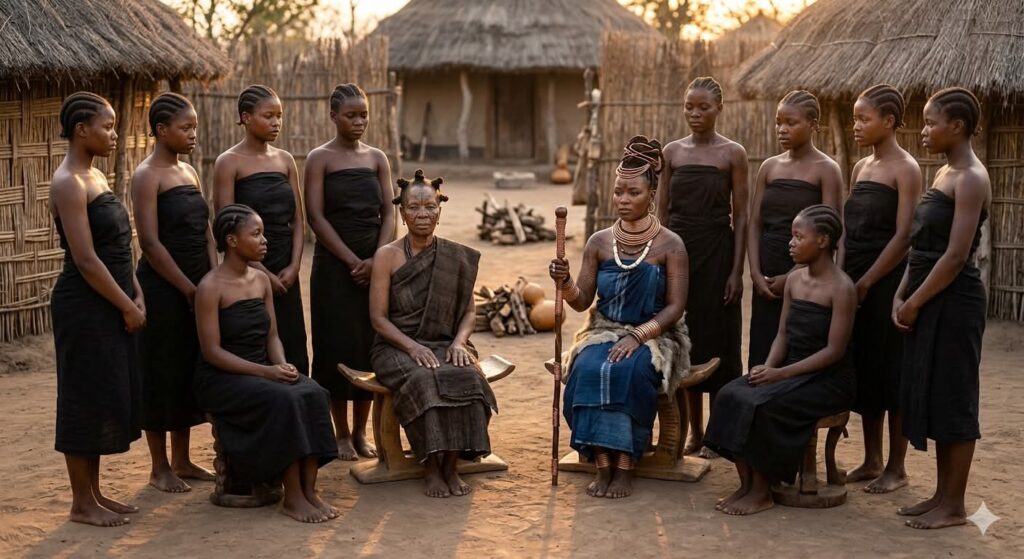
Sumptuary laws heavily regulated fashion, establishing a clear sartorial hierarchy between the spiritual priesthood, the royal court, and common village women.
1. The Priesthood (Makewana and the Matsano)
The Makewana (the High Priestess and “Wife of Chauta”) and her circle of sacred virgins, the Matsano, lived under rigid spiritual dress laws at the Nsinja rainmaking shrine:
Monochrome Restrictions: They were strictly forbidden from wearing dyed fabrics, patterned animal pelts, or colorful materials. They wore simple, unadorned, dark-brown or black barkcloth wraps.
Ritual Purity: In highly-charged rainmaking rituals, they transitioned exclusively to pure white unbleached calico or white barkcloth, symbolizing total detachment from earthly vanity.
The No-Ornament Rule: Unlike royal women, the priesthood was banned from wearing heavy decorative jewelry or elaborate copper coils, as adding human-made alterations was viewed as an insult to Chauta (the Supreme Creator).
2. The Royal Court (Nyangu and Mwali)
The female elite occupied the absolute apex of Maravi luxury, using their attire to project the state’s sovereign power:
Exclusive Dye Rights: Only royal women were legally permitted to wear barkcloth dyed in rich indigo or deep red plant extracts. A common woman found wearing these royal hues faced charges of treason.
Material Monopolies: When external trade introduced foreign glass beads and dark blue woven cotton cloth (kaniki), the Kalonga passed laws making these items royal monopolies reserved solely for the Phiri royal lineage.
Animal Pelt Hierarchy: Royal women wore wraps adorned with the skins of apex predators like leopards. For a commoner to drape herself in a predator’s pelt meant immediate execution or enslavement.
3. Common Maravi Women
For the average woman living in a Maravi village, fashion options were modest, restricted by law and resources:
Plain Textiles: Commoners were legally confined to wearing basic, coarse, undyed light-brown barkcloth. Their wraps lacked the softening, multi-layered beating process reserved for elite garments, making their clothes stiffer and rougher.
Jewelry Caps: While a common woman could wear a simple strand of seed beads or local iron rings, she was strictly forbidden from accumulating or displaying large quantities of copper or ivory. Stacking heavy metal makangala on the limbs was a protected right reserved solely for the wealthy elite to display their family’s iron-smelting wealth.
This post was created with our nice and easy submission form. Create your post!

Written by
Did this story move you? Every gift goes directly to Shadreck Chikoti — writers on Muwado earn from reader appreciation, not algorithms. Even $1 makes a difference.




Muwado weekly chart
Get Africa’s top 10 stories every Thursday
No account needed — just your email.
Want to follow Shadreck Chikoti and get notified every time they publish?
Create a free Muwado account →