

 A'ita Jaffer Joel

Uganda’s engineers have proven, project after project, that they can build. The next frontier is not on the construction site — it is upstream, where projects are conceived, financed and made bankable.
Masters of the Ready-Made Project
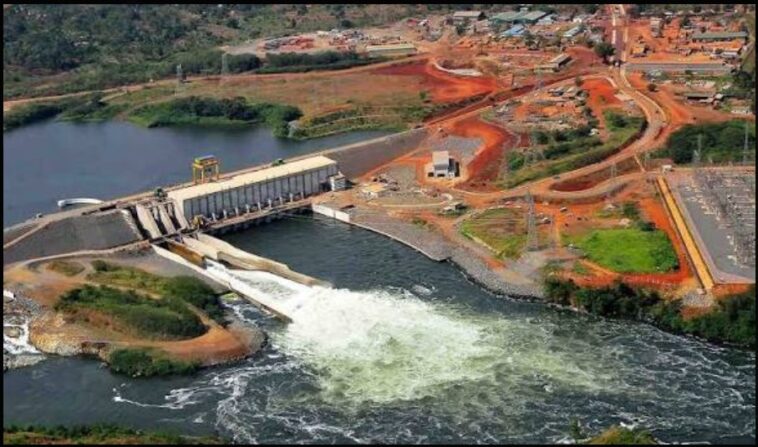
Walk onto any major project site in Uganda — a hydropower dam on the Nile, an urban flyover in Kampala, a modern water treatment plant — and you will find Ugandan engineers delivering with skill and confidence. Over two decades, our profession has mastered execution: setting out, supervising, certifying, testing and commissioning, holding our own alongside global contractors. By any fair measure, we are excellent at delivering ready-made projects — projects that arrive on our desks already conceived, appraised, financed and procured by someone else.
And that is precisely the problem. The projects pictured in this report did not begin as drawings; they began as transactions. Long before the first pile was driven, someone had defined the need, tested the economics, assembled the financing and allocated the risks. That upstream work — project structuring — is where a project’s fate, and most of its value, is decided. Yet it remains the least understood, least taught and least contested space in Ugandan engineering practice.
The Questions We Never Ask
Very few of us pause to ask how the projects we build came to exist. Who framed the problem as a project? Who prepared the feasibility study and shaped the business case? Who decided it would be delivered as a traditional measured works contract rather than an EPC, a turnkey, or a public-private partnership? Who structured the financing between government, development partners and private capital — and who negotiated the covenants, conditions precedent and disbursement rules that now govern our certificates? Too often the answer is: transaction advisors and specialists from elsewhere, while the Ugandan engineer waits downstream for drawings and a contract to supervise.
The Cost of Staying Downstream
The consequence is quiet but costly. The greatest value in infrastructure is created — and captured — upstream. Structuring determines the fee levels, the risk exposure, the technology choices and even which firms are eligible to participate. When we absent ourselves from structuring, we confine ourselves to the thinnest-margin end of the value chain and surrender strategic influence over our own built environment. A profession that only executes will always be priced, directed and displaced by those who originate.
“A project is engineered twice: first as a transaction, then as a structure. The engineer who understands both is indispensable.”
Five Disciplines of Project Structuring
1. Project preparation. Pre-feasibility, feasibility, demand analysis and the economic and financial appraisal that make a project bankable. A project poorly prepared is a project poorly delivered — no site skill can rescue a flawed business case.
2. Financing architecture. How sovereign loans, grants, blended finance, EPC+F and PPP arrangements are assembled, and what lenders such as the World Bank, AfDB and IsDB actually require before a single dollar moves.
3. Risk allocation and contract strategy. Why the FIDIC Red, Yellow and Silver Books exist, and how the choice among them — and the particular conditions drafted around them — redistributes risk, reward and control.
4. Procurement design. How packaging, qualification criteria and evaluation methods decide who wins before any bid is opened. Procurement is not paperwork; it is strategy expressed as rules.5. Information discipline. Structured, auditable, single-source project data from concept to close-out — because no financier funds what it cannot verify, and no structurer can work from scattered files.
Technology Levels the Field
This last discipline is where technology changes the game. Digital platforms — common data environments like InfraHUB — now allow African teams to prepare, document and govern projects to the standard international financiers demand. The tools to originate world-class projects are no longer the preserve of foreign advisory firms; they are on our desks, in our language, priced for our market.
An Invitation to the Profession
The invitation, then, is simple. To every Ugandan engineer: do not stop at delivery. Read the financing agreement, not just the drawings. Sit in the appraisal meeting, not just the site meeting. Learn how projects are structured — and then structure them. Our infrastructure future should not merely be built by Ugandan engineers. It should be conceived, shaped and led by them.
Joel Aita
This post was created with our nice and easy submission form. Create your post!

Written by
An Infrastructure Consultant, Entrepreneur and Motivational Speaker. CEO Joadah Consult
Did this story move you? Every gift goes directly to A'ita Jaffer Joel — writers on Muwado earn from reader appreciation, not algorithms. Even $1 makes a difference.






Muwado weekly chart
Get Africa’s top 10 stories every Thursday
No account needed — just your email.
Want to follow A'ita Jaffer Joel and get notified every time they publish?
Create a free Muwado account →