

 Ahmed Didaati

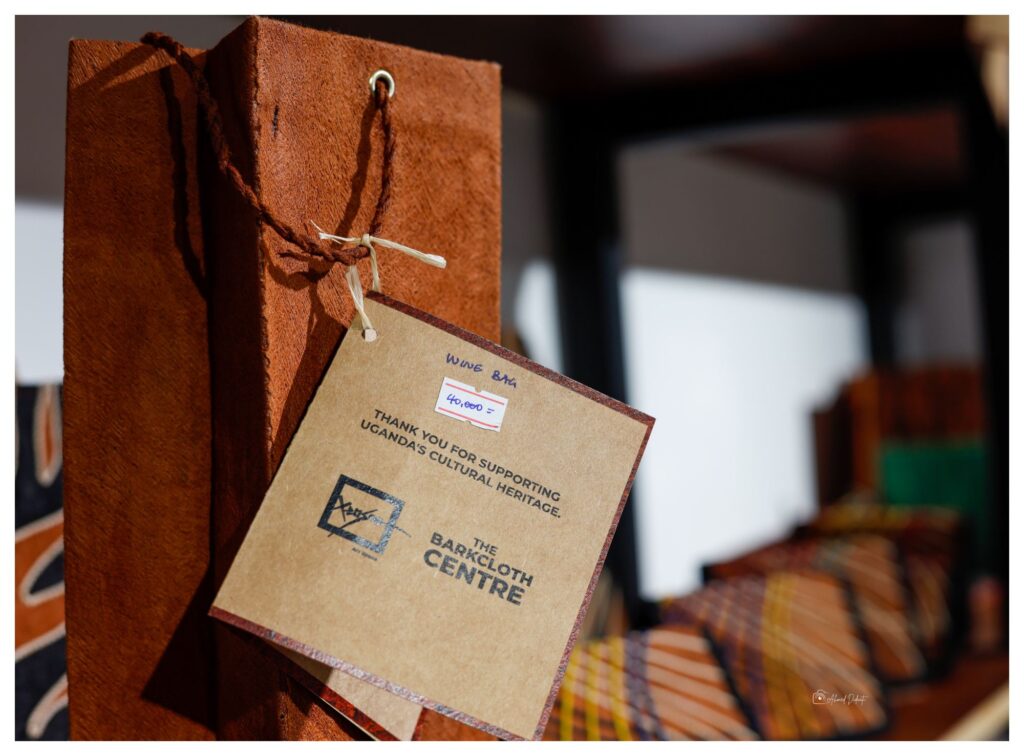
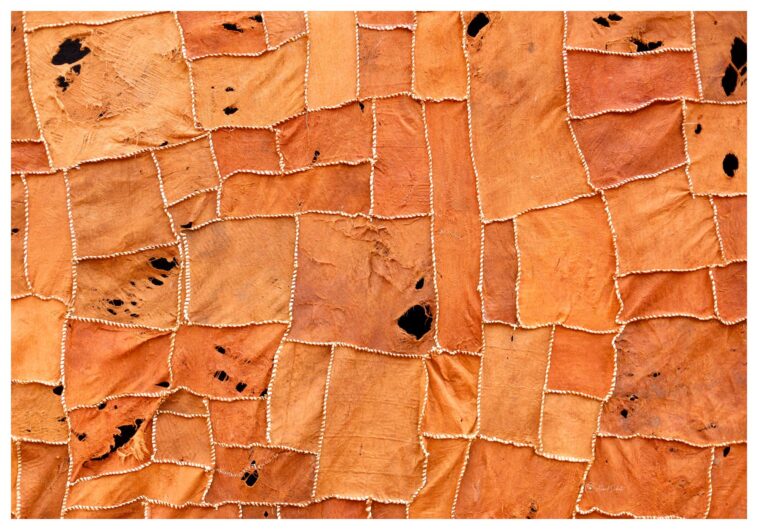
 KAMWOKYA, Kampala — Beneath the rich brown textures of Uganda’s ancient barkcloth, history and innovation now share the same space.
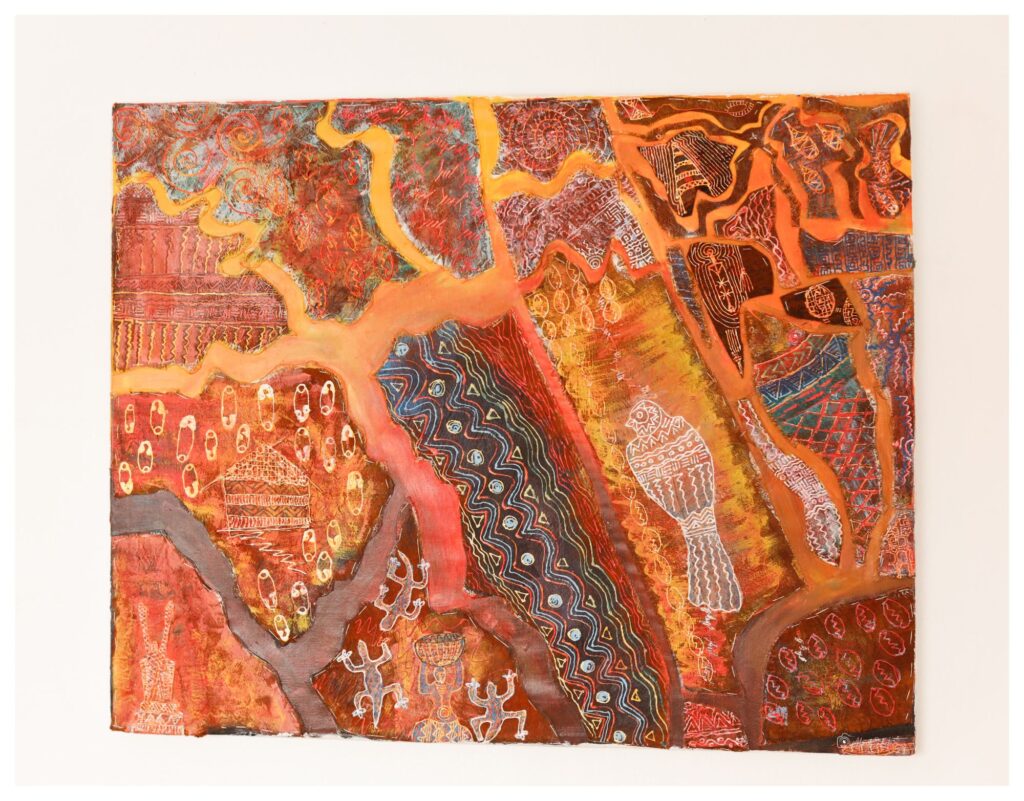
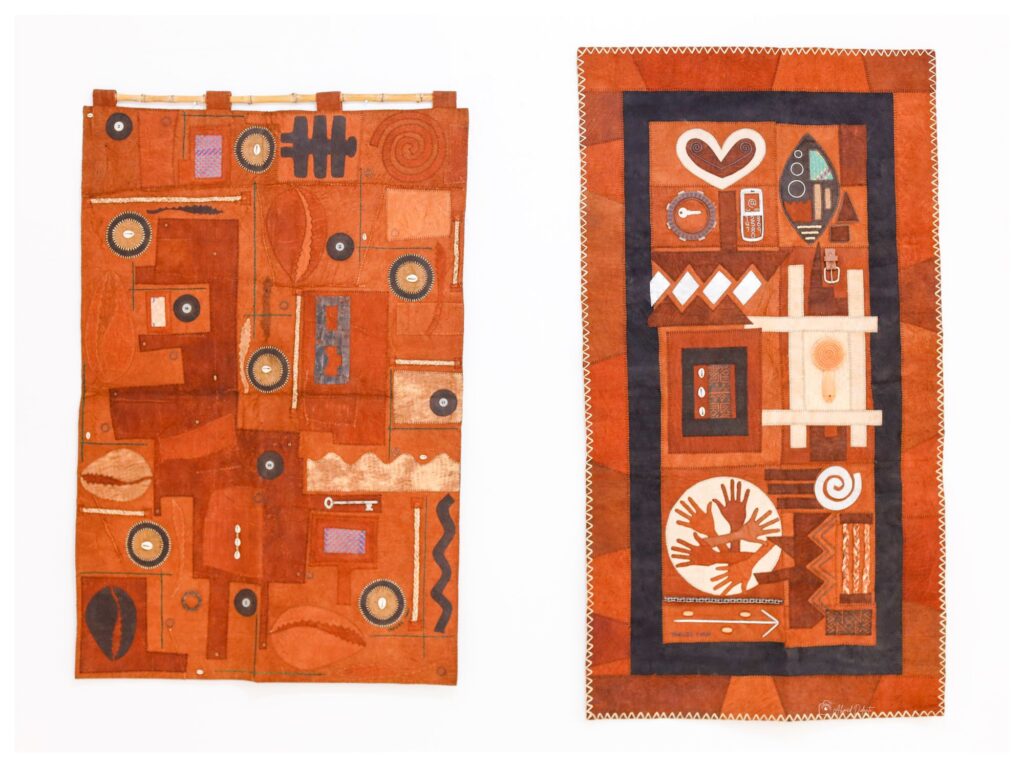
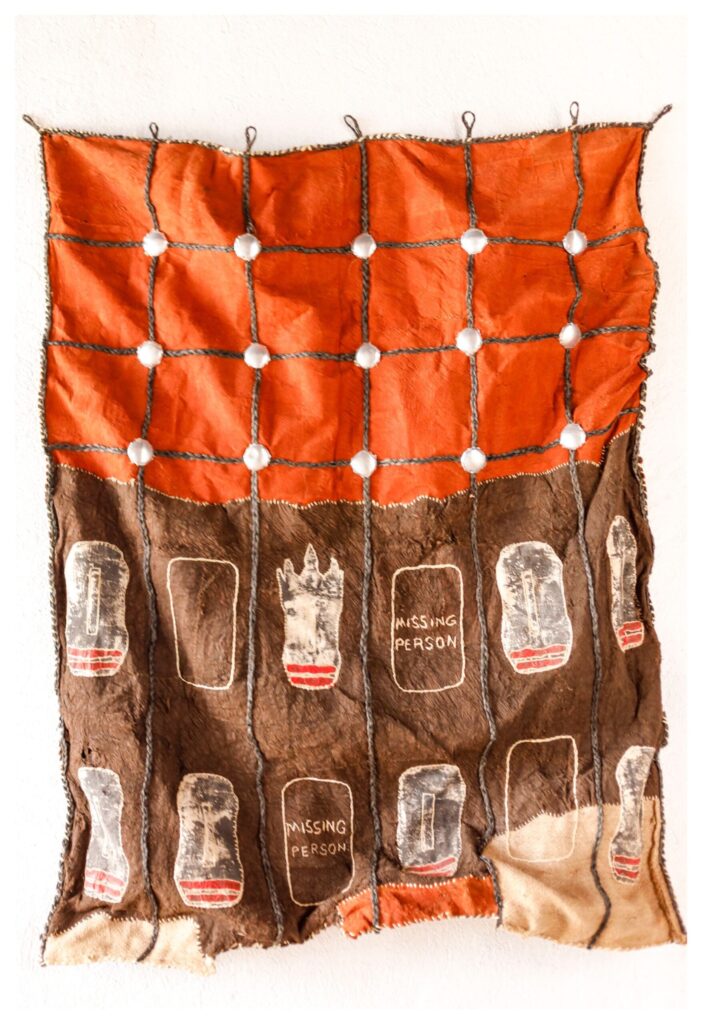
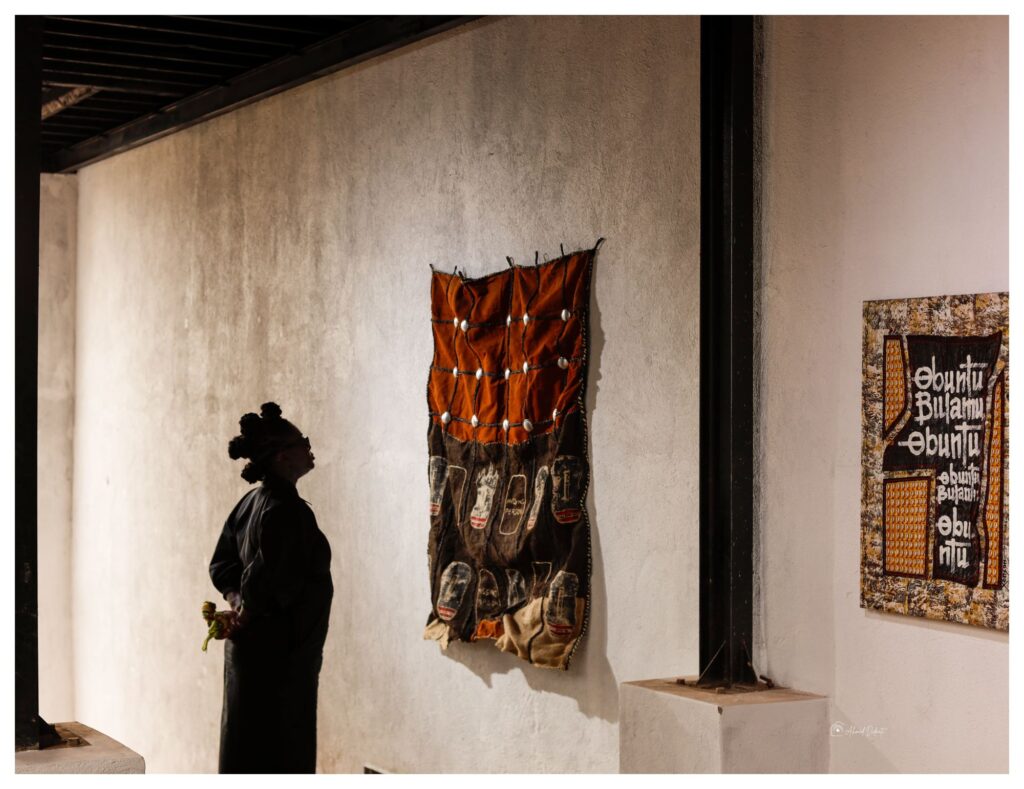
On 29 July 2026, Xenson Art Space officially launched the Barkcloth Center, a first of its kind creative hub dedicated to preserving, innovating and expanding the future of Olubugo Uganda’s centuries-old barkcloth tradition. The launch also unveiled the Barkcloth Center Shop and marked the opening of “Olubugo Luboggola,” a landmark exhibition featuring 15 artists exploring the artistic possibilities of barkcloth.
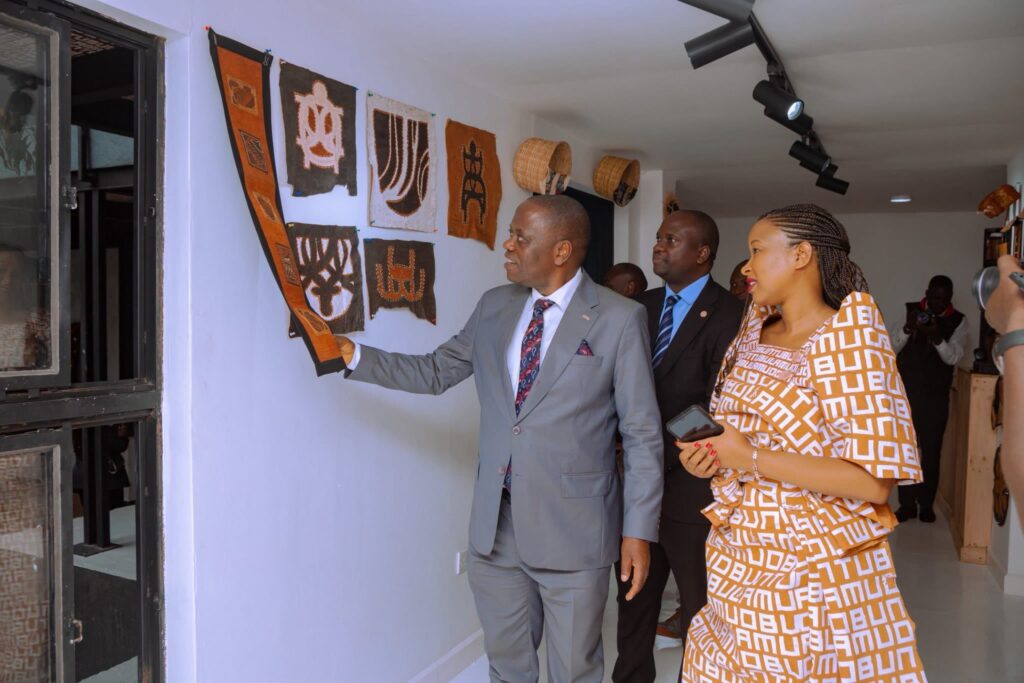
Running until 15 August, the exhibition is more than a celebration of tradition. It signals the beginning of a new era in which barkcloth becomes a bridge between culture, creativity, sustainability and global markets.
—
A vision years in the making
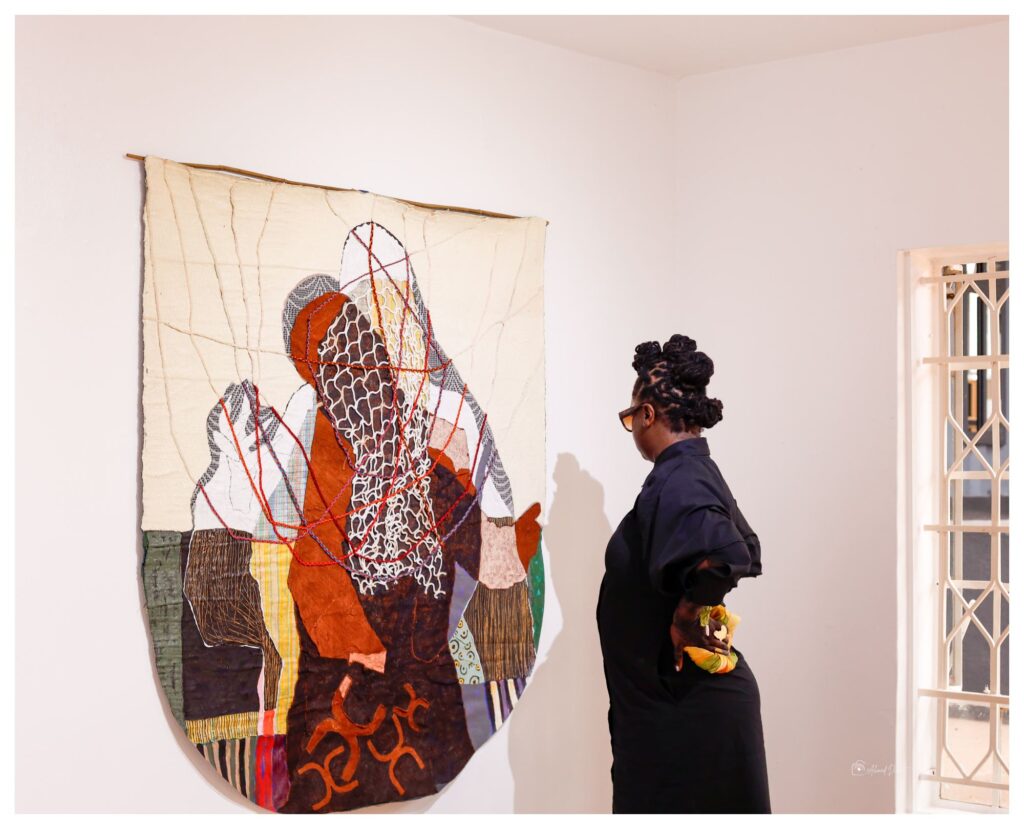
The opening of the Barkcloth Center is the culmination of years of commitment by Xenson Art Space to elevate barkcloth beyond its traditional use.
For years, the gallery has championed barkcloth through exhibitions, workshops, collaborations and artistic experimentation, working with some of Uganda’s leading contemporary artists, including renowned printmaker Fred Mutebi, whose pioneering practice has helped redefine barkcloth as a contemporary artistic medium.
Rather than treating barkcloth as a relic of the past, Xenson has encouraged artists to paint, print, stitch, carve, weave and assemble it into new forms, proving that one of Africa’s oldest textiles can continue inspiring contemporary artistic expression.
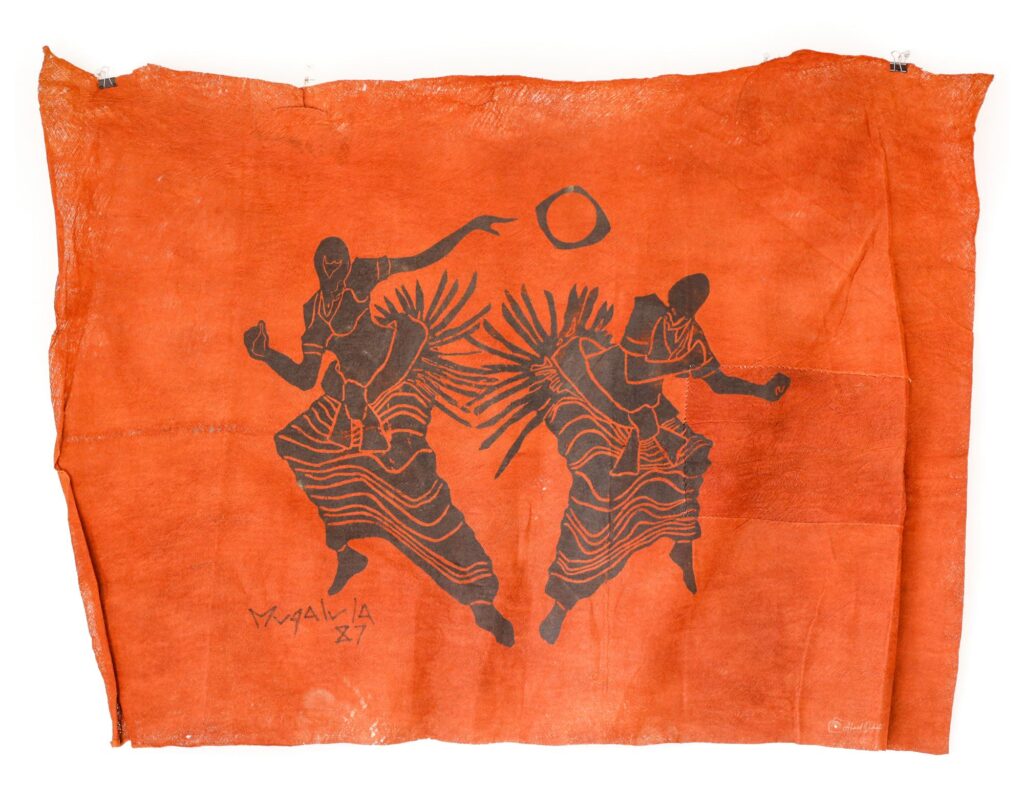
The new Center gives that vision a permanent home.
—
More than an exhibition
The launch on 29 July brought together artists, curators, designers, cultural practitioners and invited guests for the unveiling of the Barkcloth Center and the opening of “Olubugo Luboggola.”
The exhibition’s title carries a powerful double meaning.
While Olubugo refers to barkcloth, Luboggola evokes the act of “barking,” suggesting that barkcloth itself has a voice. Every carved mark, painted surface, stitched thread and woven fibre allows the material to communicate with new generations.
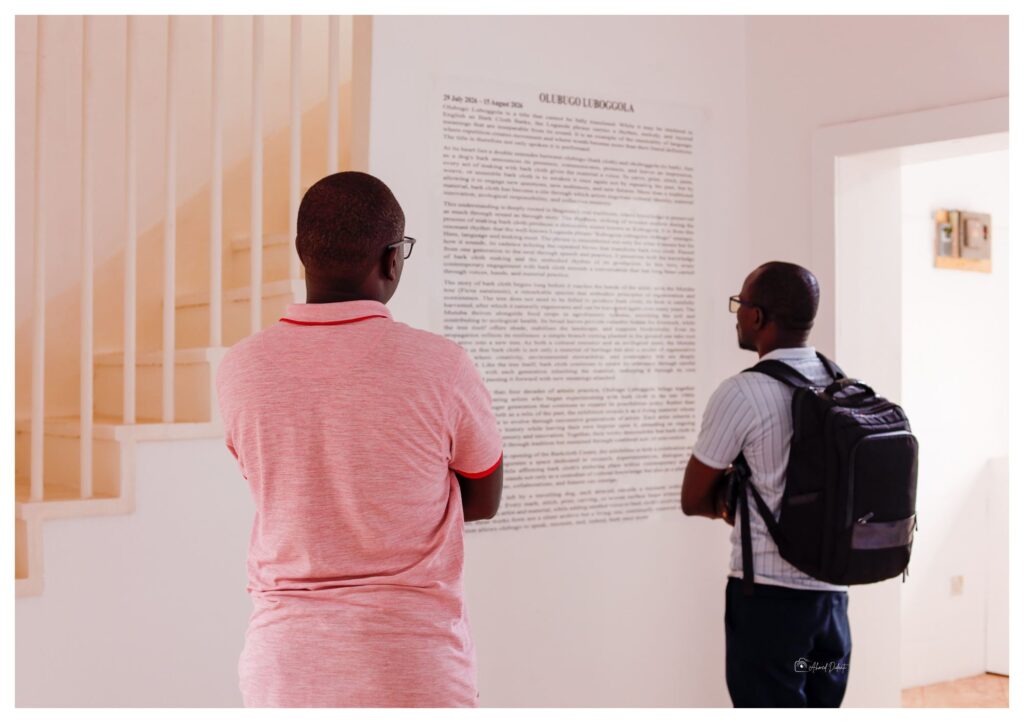
Spanning more than four decades of artistic practice, the exhibition brings together pioneering artists who began experimenting with barkcloth during the late 1980s alongside a younger generation pushing the material into new creative territories.
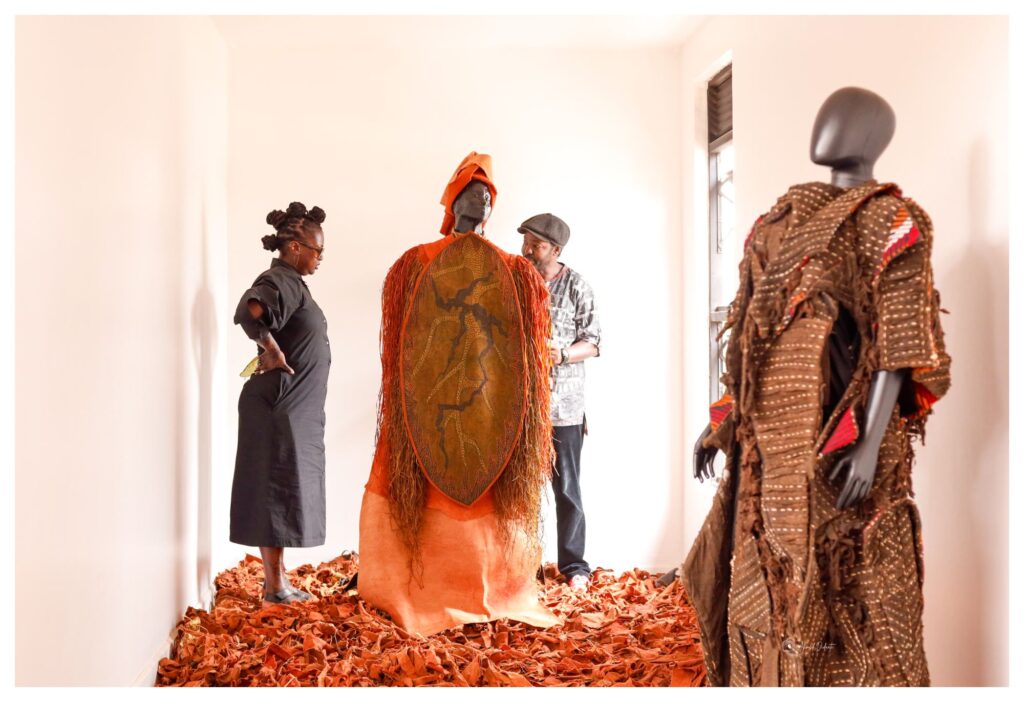
Together, their works demonstrate that barkcloth is not simply preserved through tradition it remains alive through continual reinvention.
—
A marketplace for artists
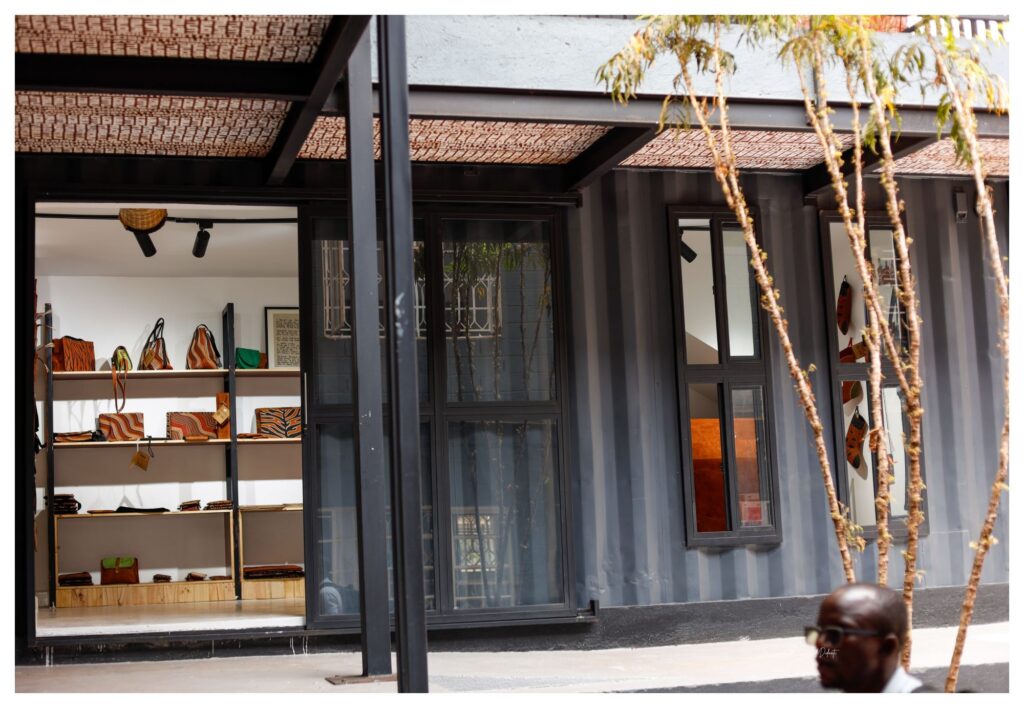
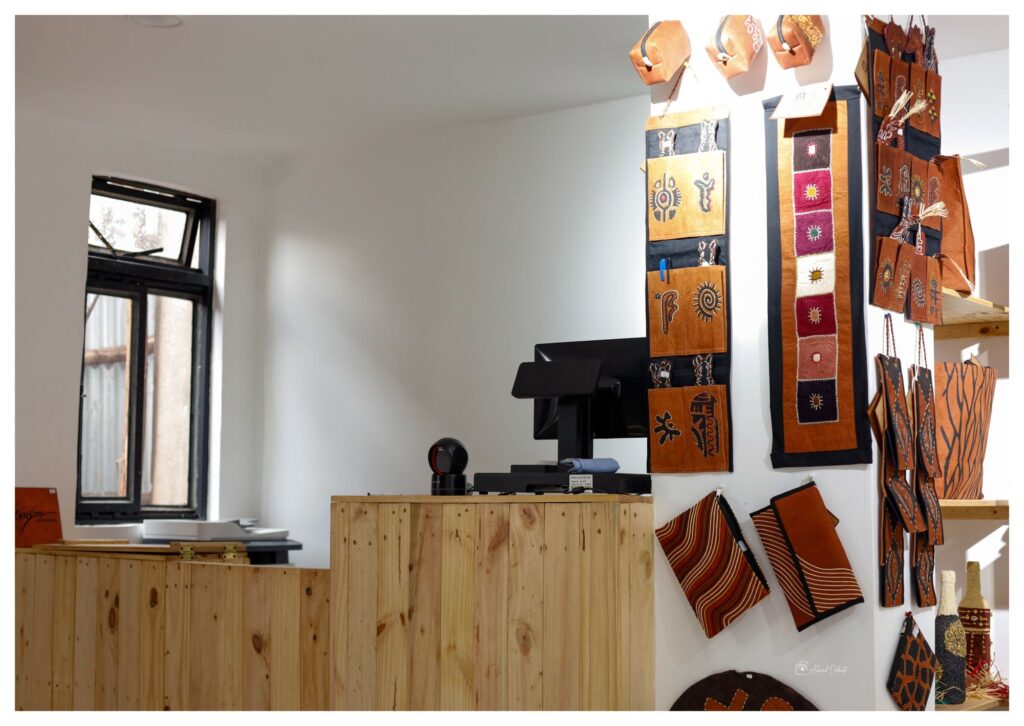
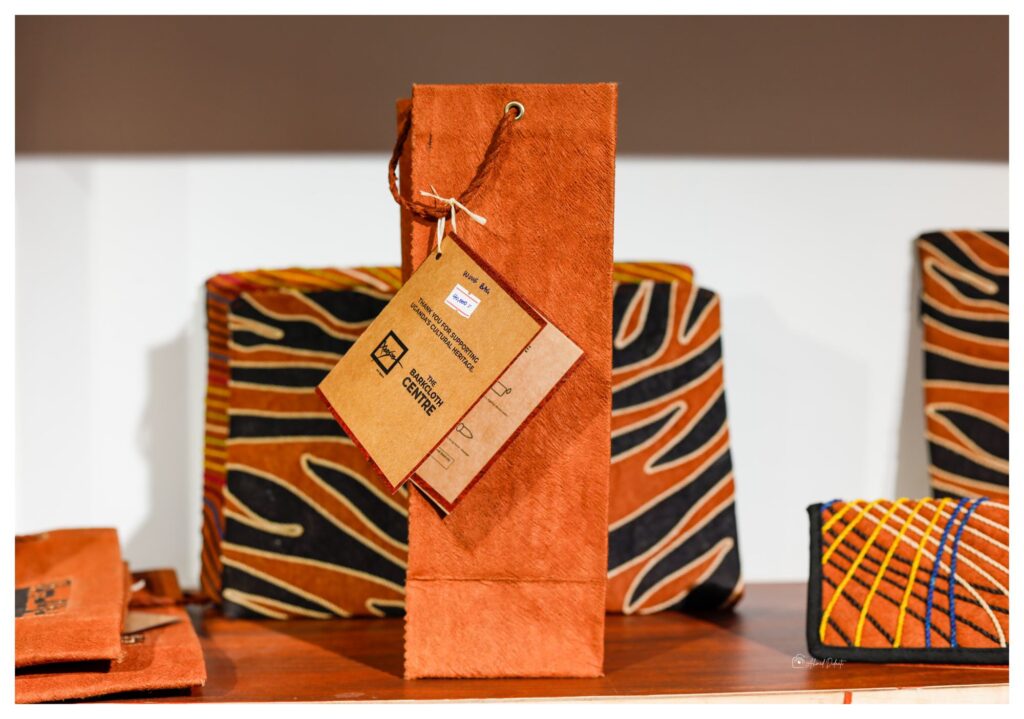
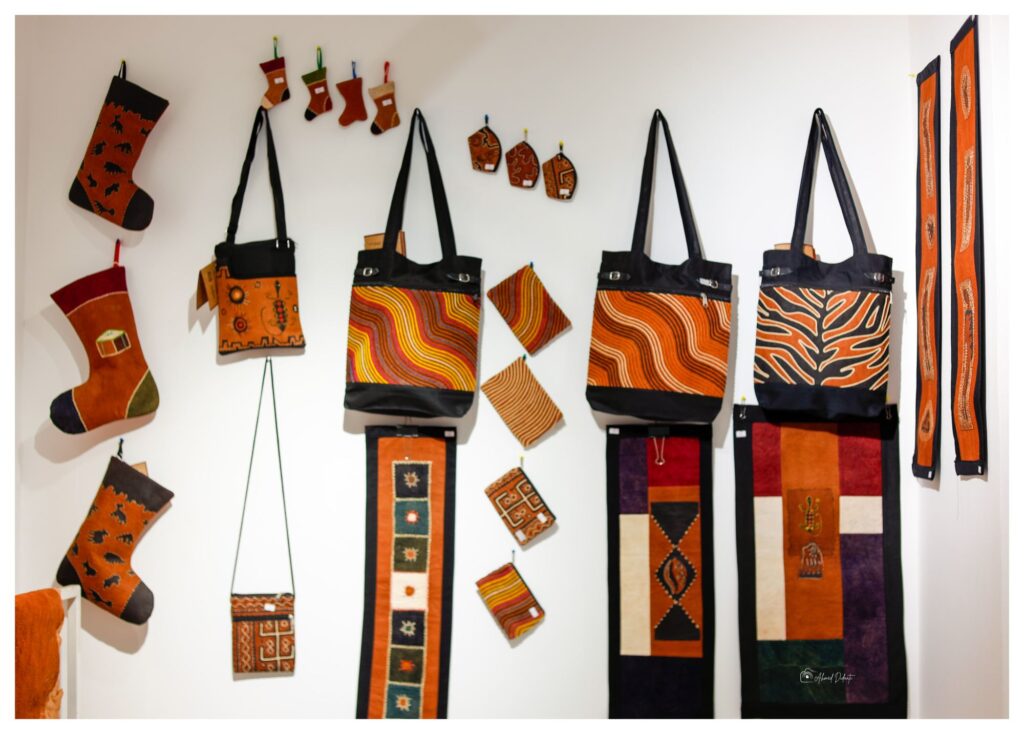
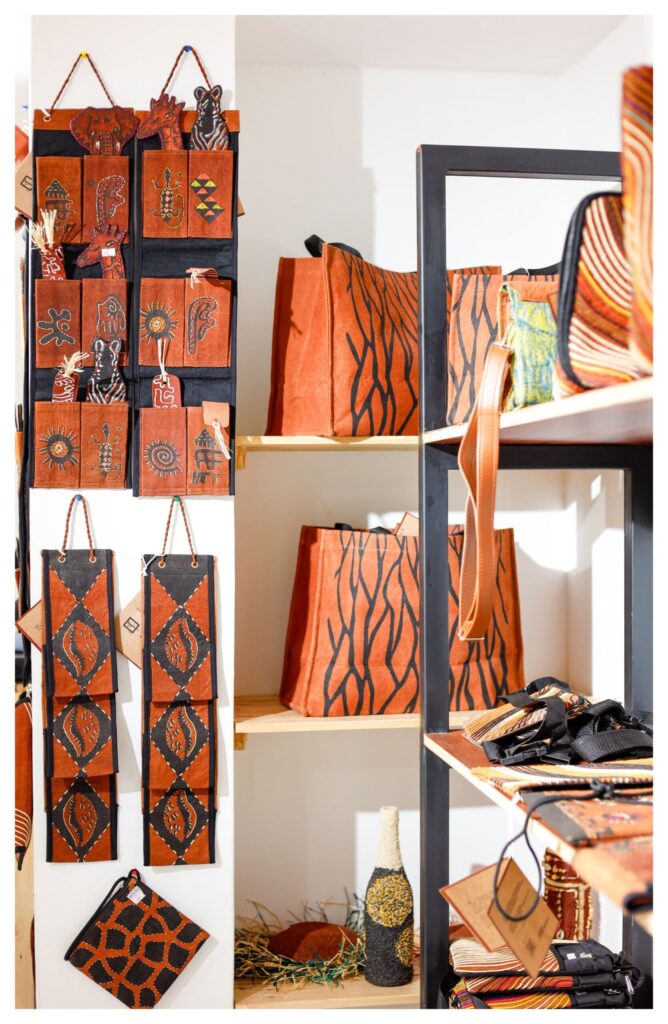
One of the most significant additions to the Center is the Barkcloth Center Shop, created to connect artists and artisans with wider audiences.
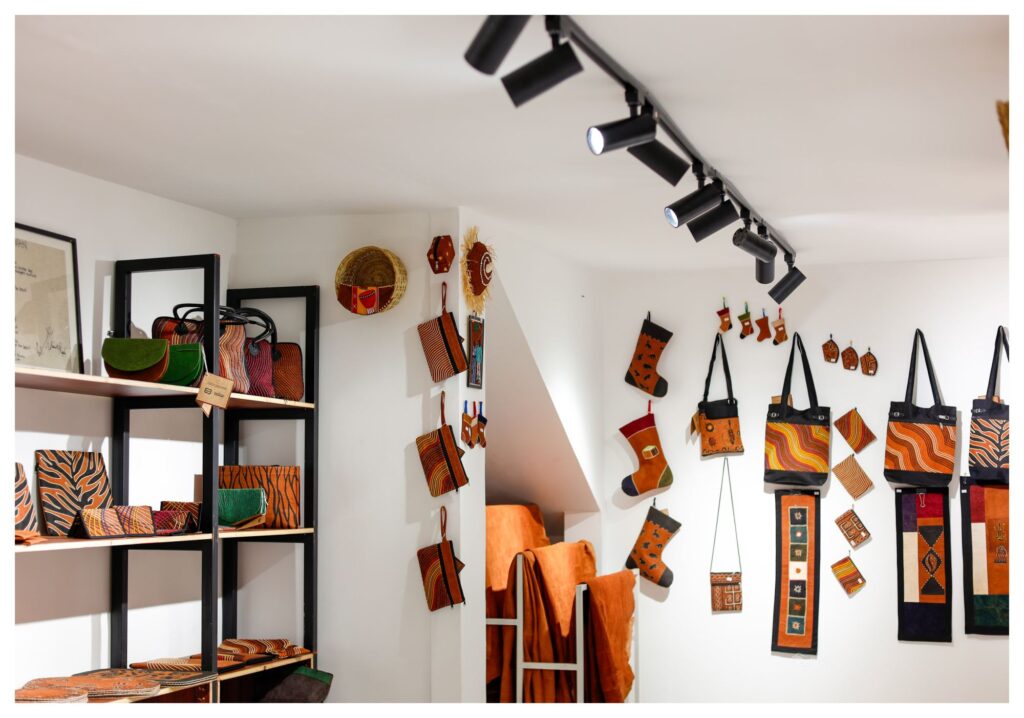
The shop showcases authentic barkcloth products, including:
Original barkcloth artworks
Fashion garments
Bags and accessories
Jewellery
Home décor
Interior design pieces
Handmade crafts
Contemporary design products
Eco-friendly lifestyle products
Limited-edition artist collaborations
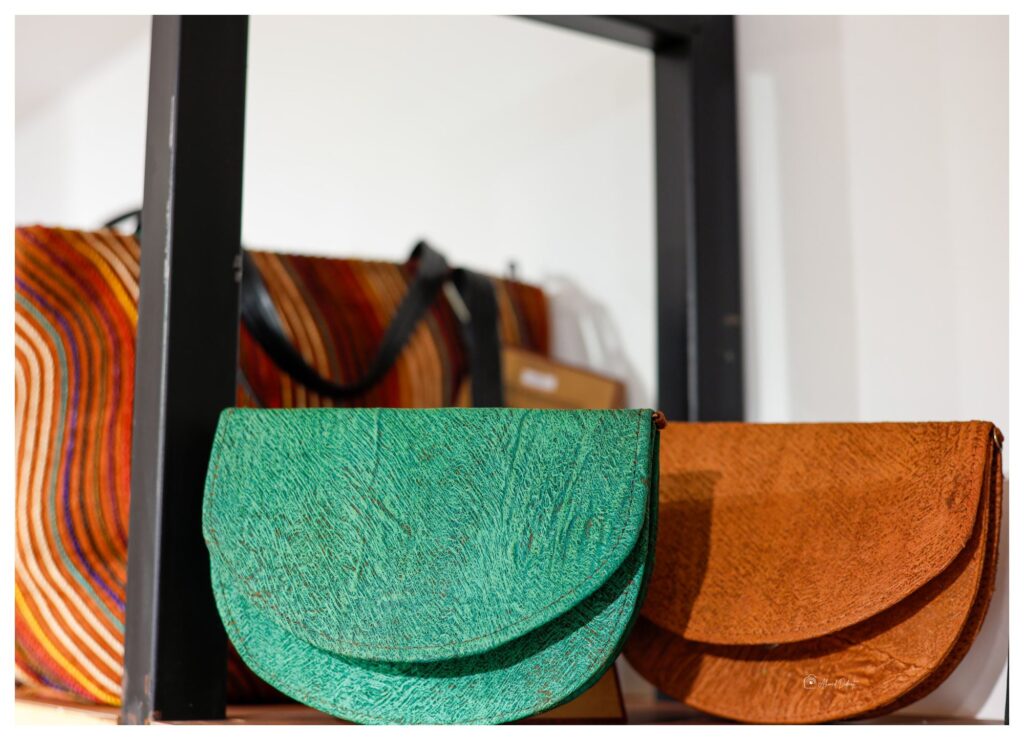
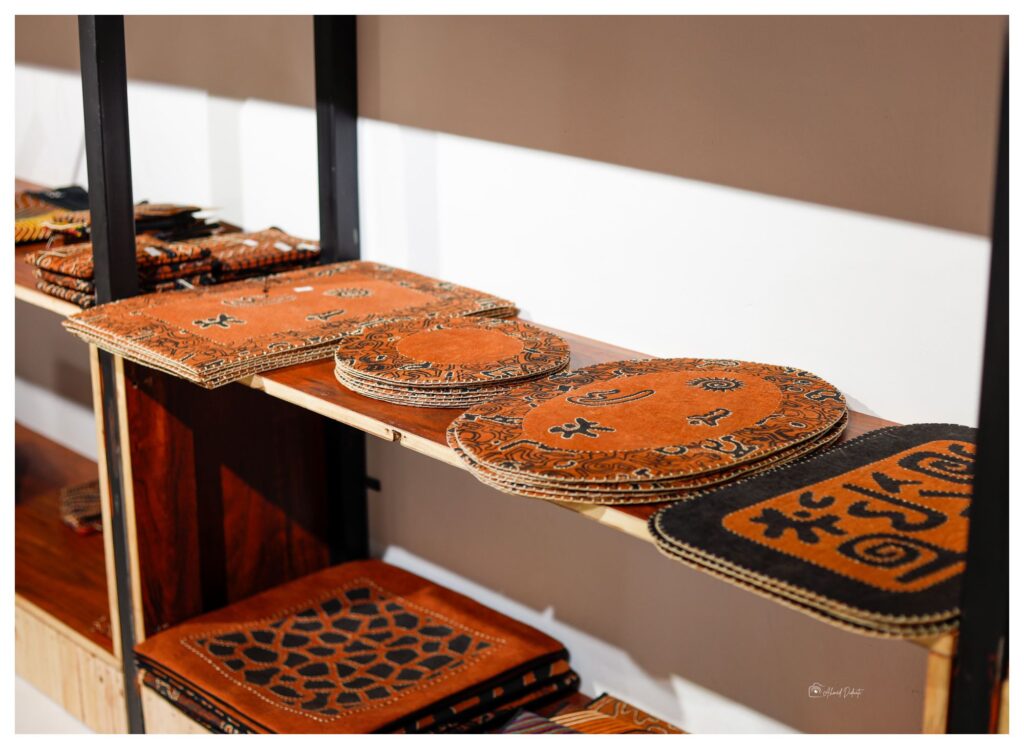
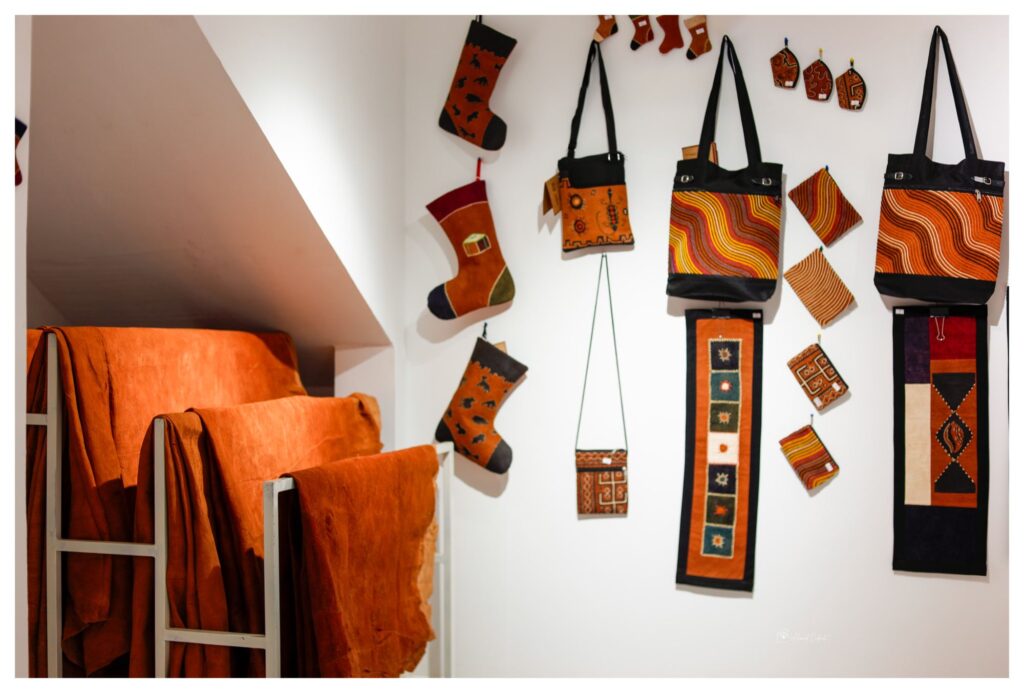
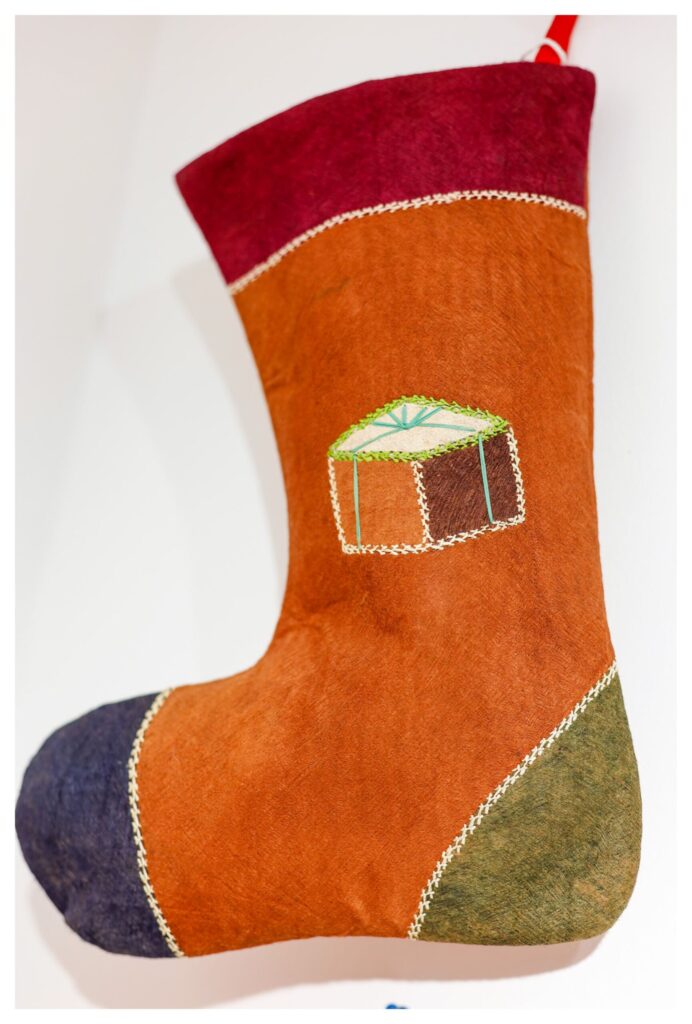 Beyond selling products, the shop creates opportunities for artists, designers, traditional barkcloth makers and craftspeople to access collectors, tourists, galleries and international buyers through a dedicated platform focused entirely on barkcloth.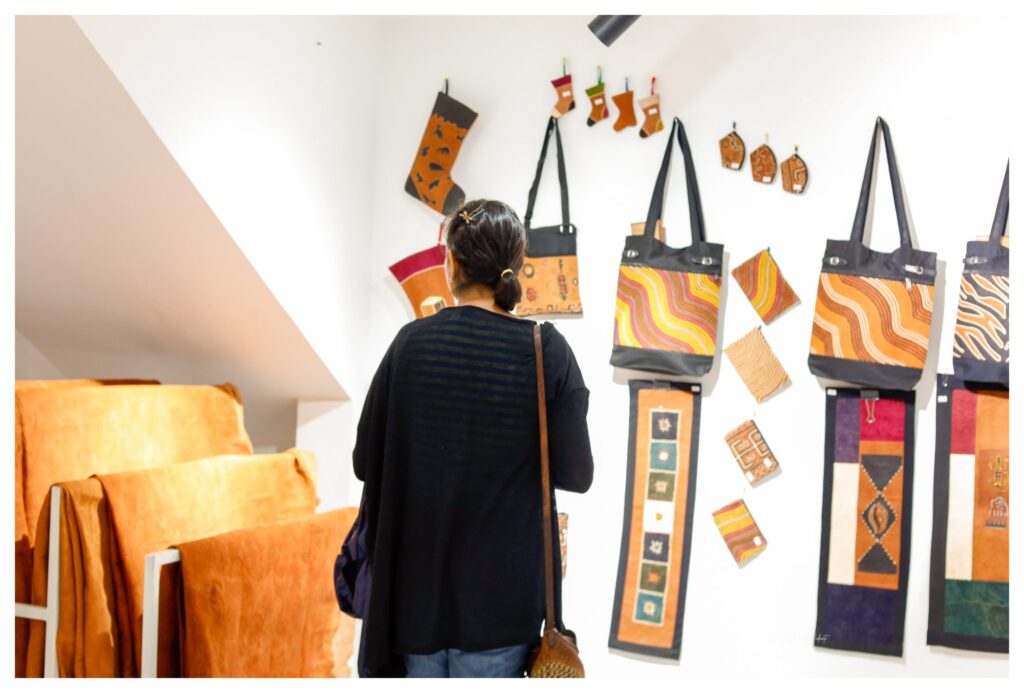
For many artists, this represents something long overdue a permanent marketplace where Uganda’s cultural heritage can generate sustainable livelihoods.
—
Building a creative ecosystem
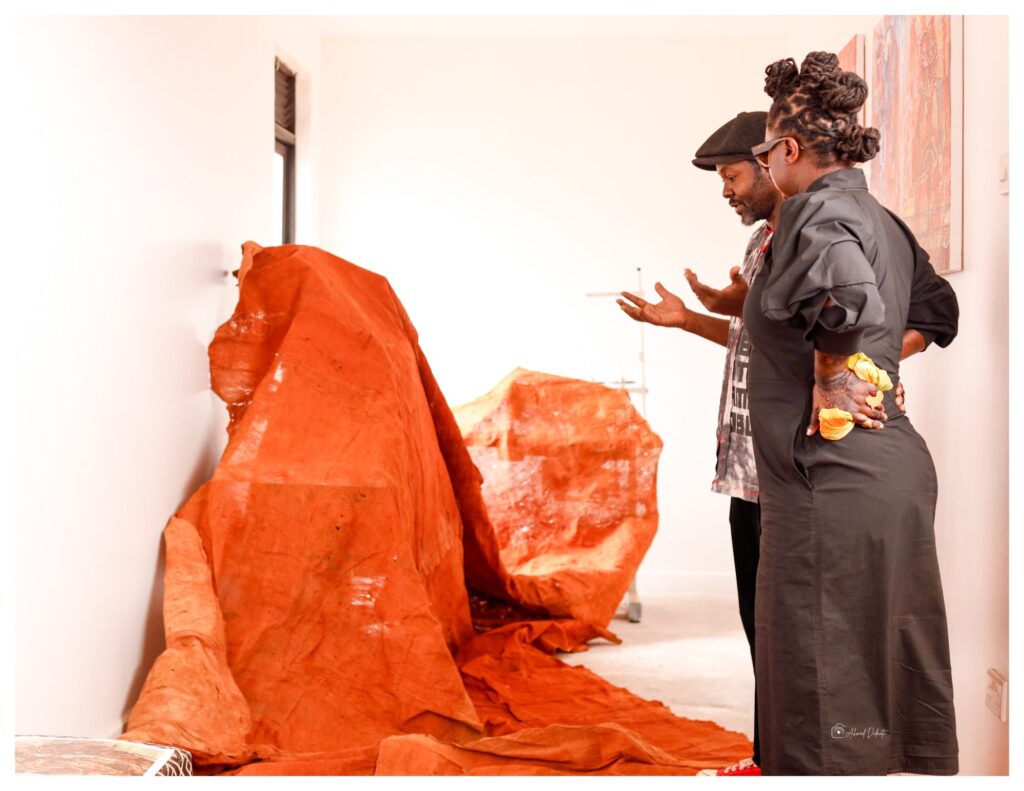
The Barkcloth Center is much more than a gallery.
It is a space for research, education, innovation and entrepreneurship, bringing together artists, students, designers, researchers, traditional makers and cultural institutions.
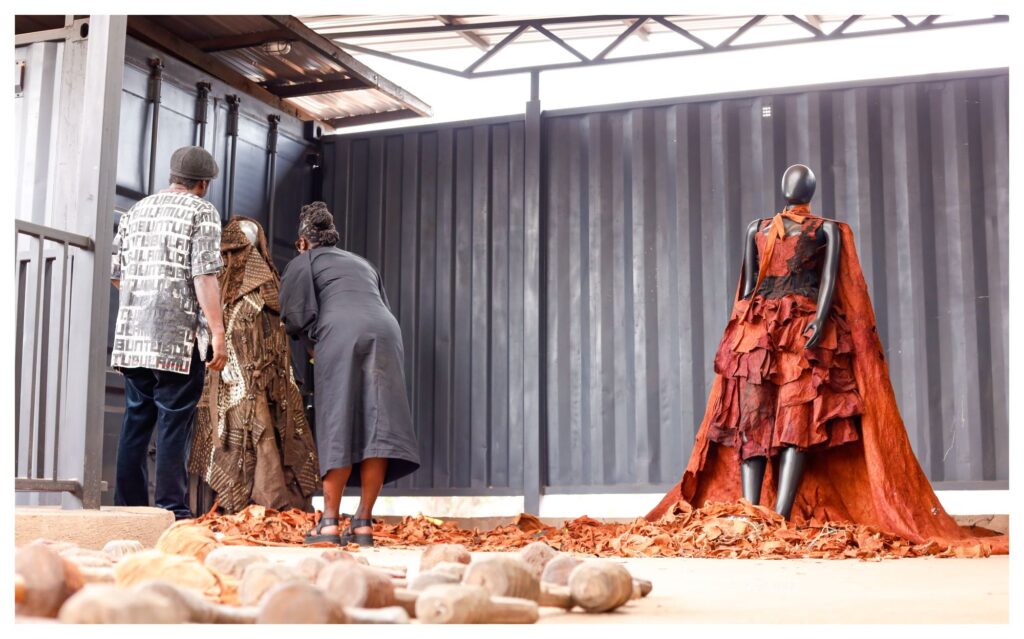
Its programmes will support:
Artist residencies
Creative workshops
Barkcloth production training
Product innovation
Business development
Public lectures
Collaborative research
Mutuba tree conservation
International market development
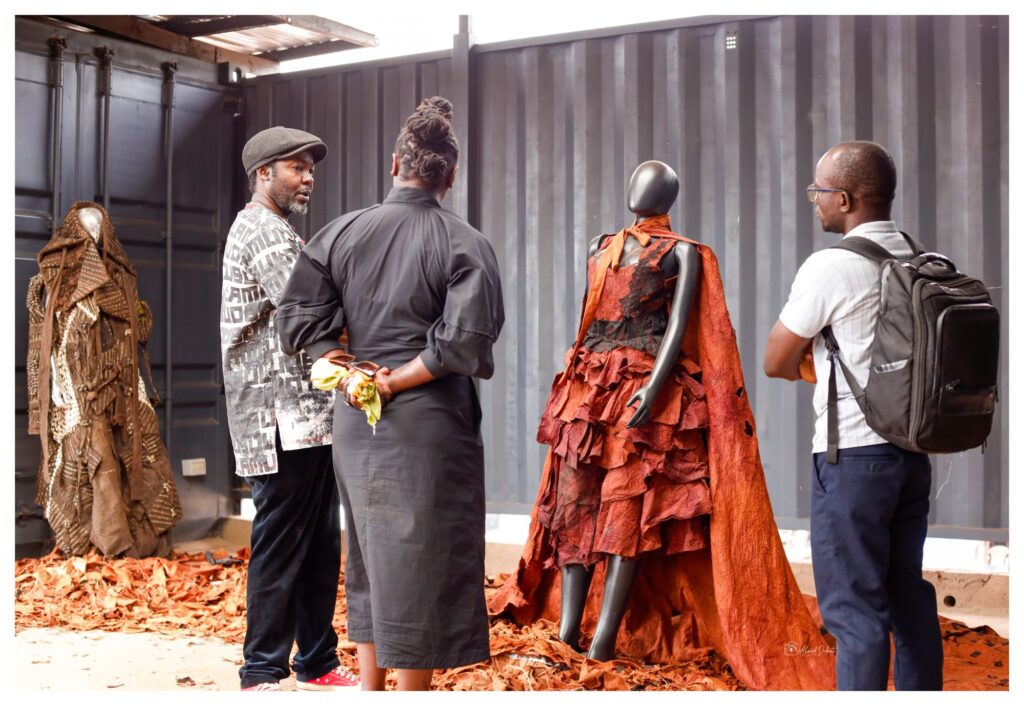
By connecting every stage of the barkcloth value chain from the Mutuba tree to the finished artwork the Center aims to strengthen Uganda’s creative economy while safeguarding one of the country’s most significant cultural traditions.
—
A material rooted in sustainability
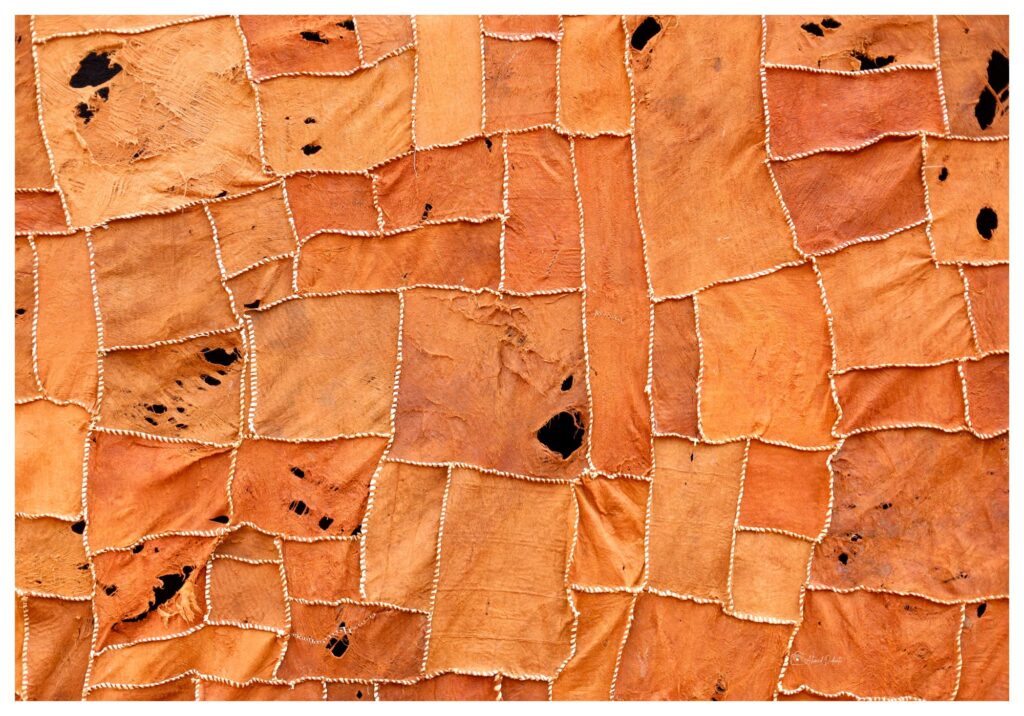
Unlike many natural resources, barkcloth comes from the Mutuba tree (Ficus natalensis), whose bark is harvested without cutting down the tree.
The bark naturally regenerates, making barkcloth one of the world’s most sustainable traditional textiles.
 The tree enriches soils, supports biodiversity and strengthens agroforestry systems, reinforcing the exhibition’s message that barkcloth represents both cultural heritage and environmental stewardship.
—
A bridge to the future
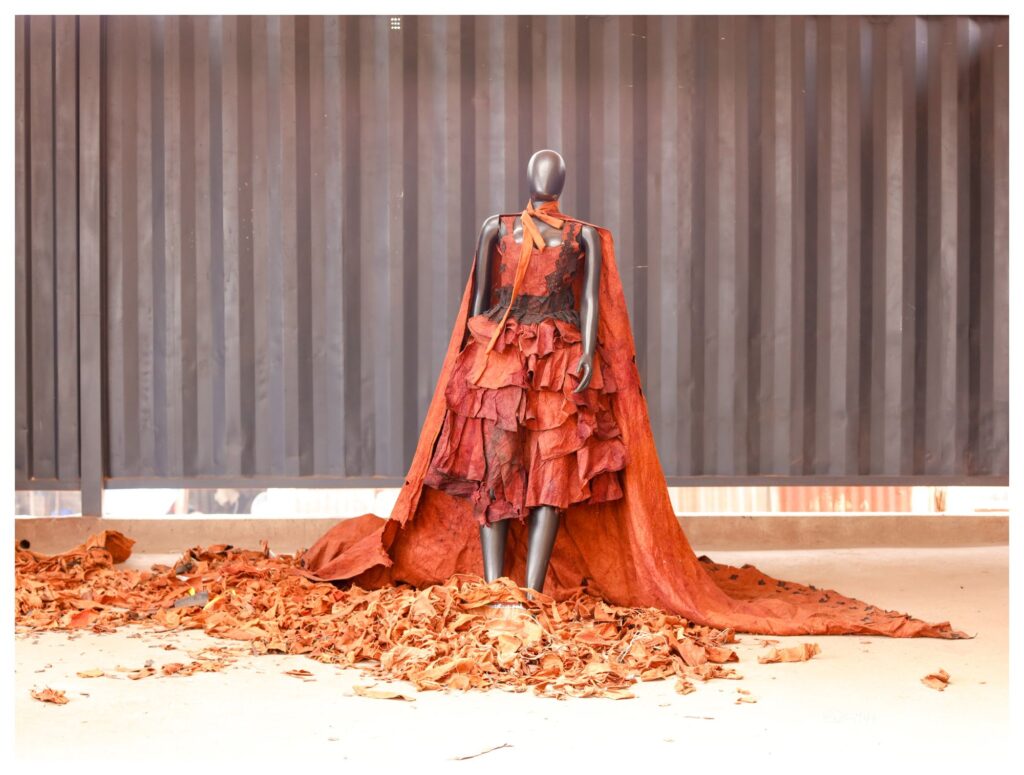
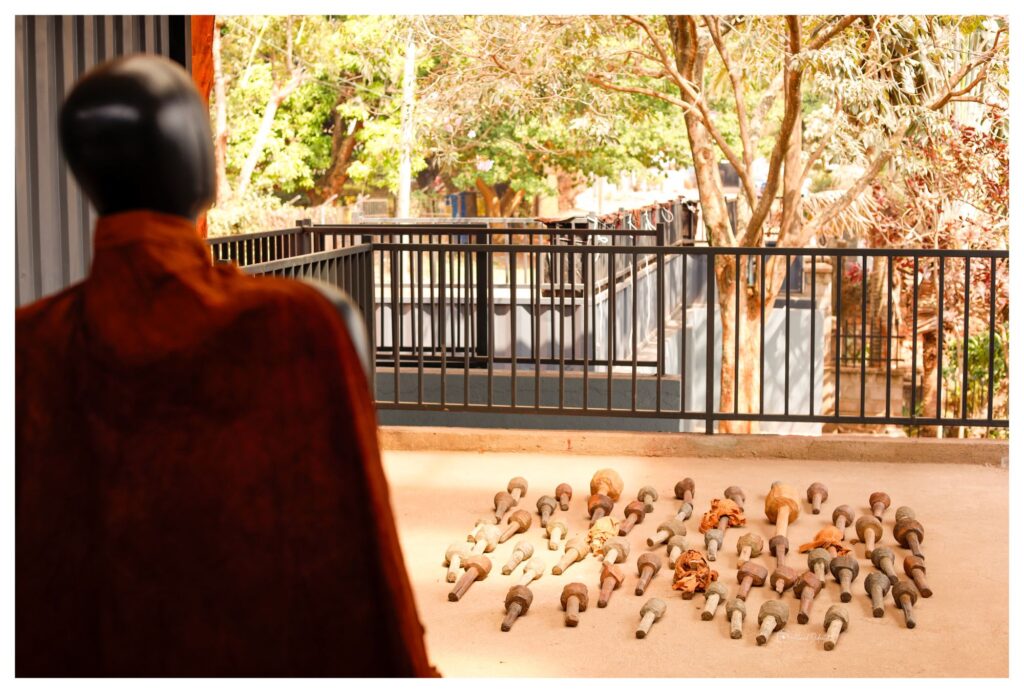
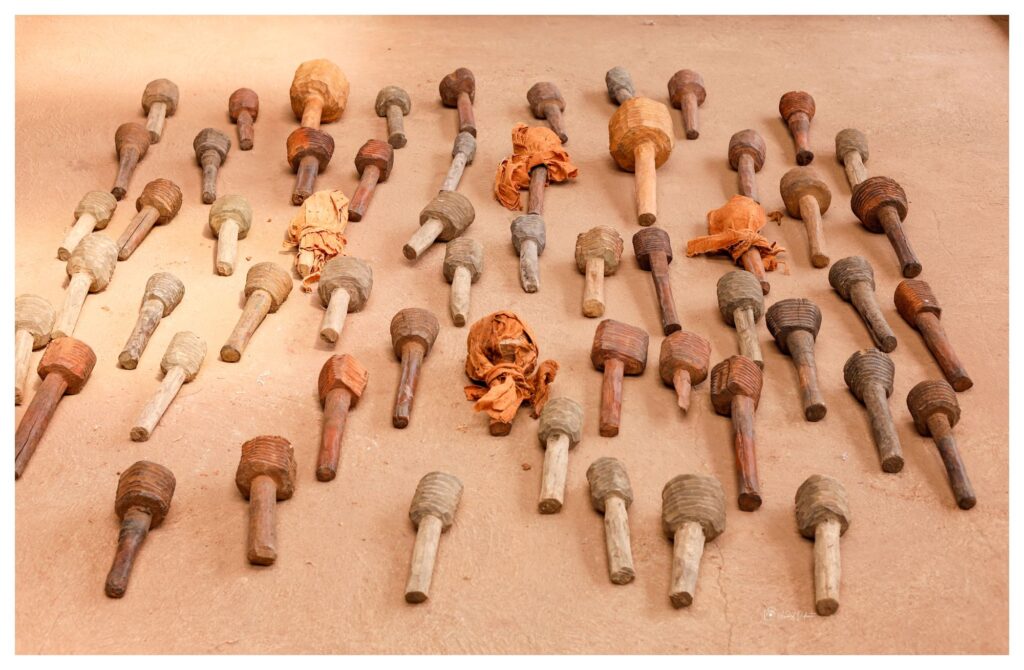 For Uganda’s creative industry, the Barkcloth Center represents far more than a new cultural institution.
It is a bridge connecting traditional knowledge with contemporary art, artists with wider markets, craftsmanship with innovation, and heritage with economic opportunity.
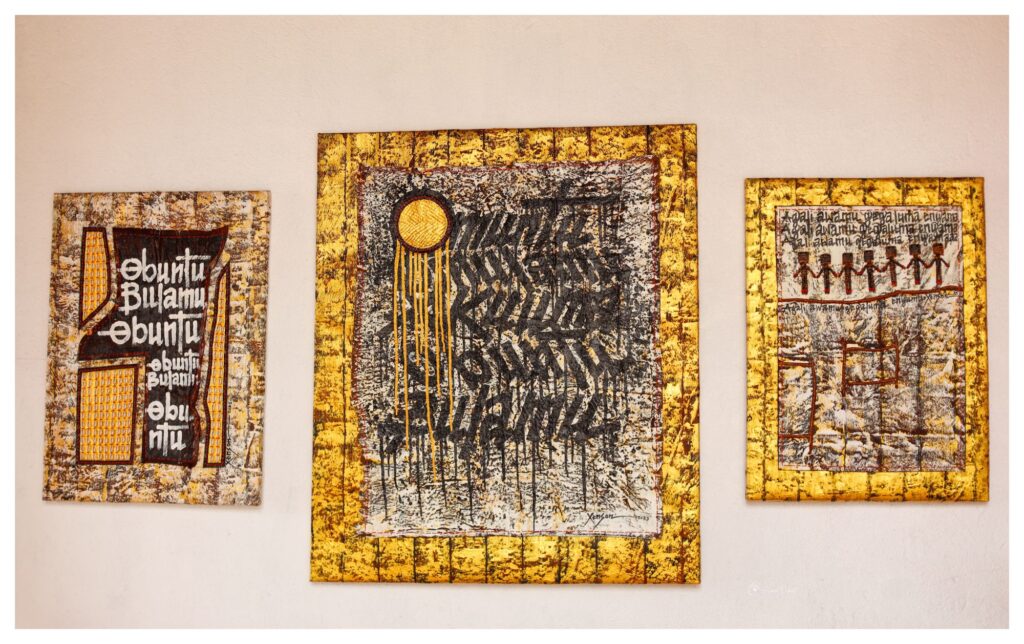
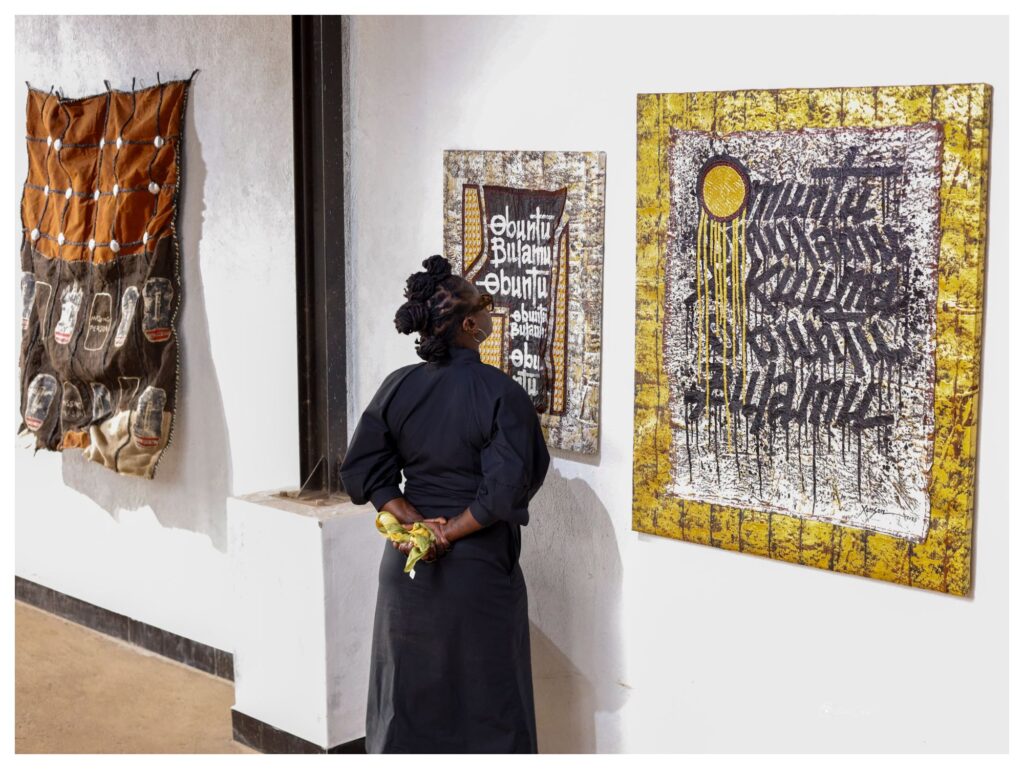
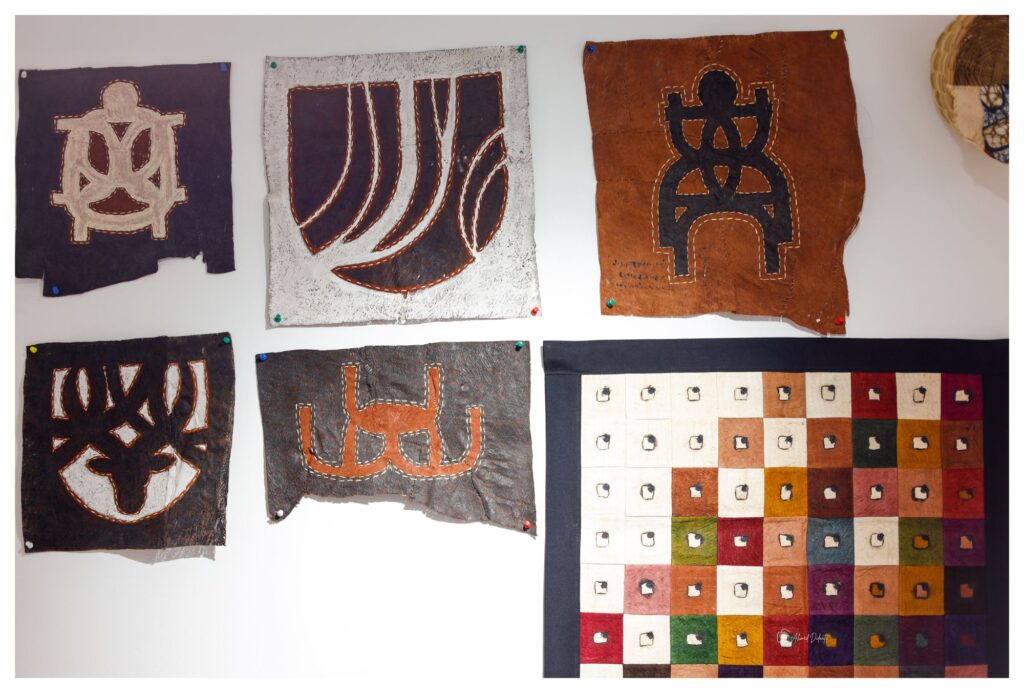 As visitors move through “Olubugo Luboggola,” every printed surface, stitched seam and carved texture tells the same story that barkcloth continues to evolve with every generation that chooses to work with it.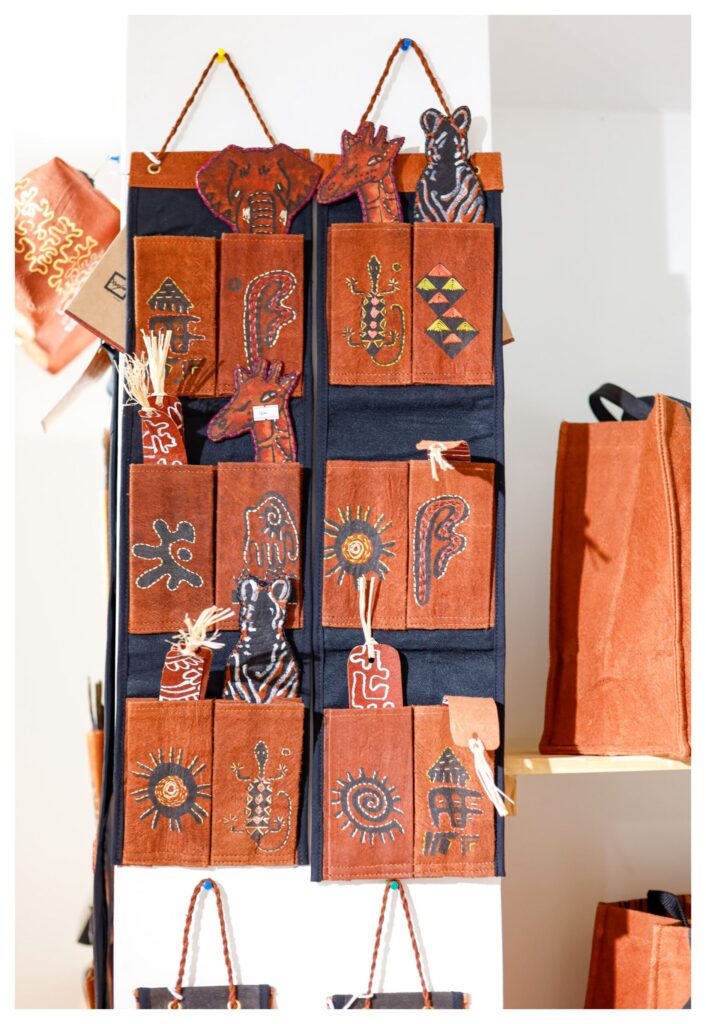
With the launch of the Barkcloth Center, Xenson Art Space has created not only a home for barkcloth but also a platform where Uganda’s artists can preserve their heritage while reaching the wider world.
 As Uganda’s creative economy continues to grow, the Barkcloth Center stands as a reminder that innovation does not always begin with something new. Sometimes, it begins by rediscovering the value of what has always been there.
In giving barkcloth a permanent home, Xenson Art Space has ensured that one of Uganda’s oldest traditions will continue to inspire the future of contemporary African art.
This post was created with our nice and easy submission form. Create your post!

Did this story move you? Every gift goes directly to Ahmed Didaati — writers on Muwado earn from reader appreciation, not algorithms. Even $1 makes a difference.




Muwado weekly chart
Get Africa’s top 10 stories every Thursday
No account needed — just your email.
Want to follow Ahmed Didaati and get notified every time they publish?
Create a free Muwado account →