

 Asha Mirriam

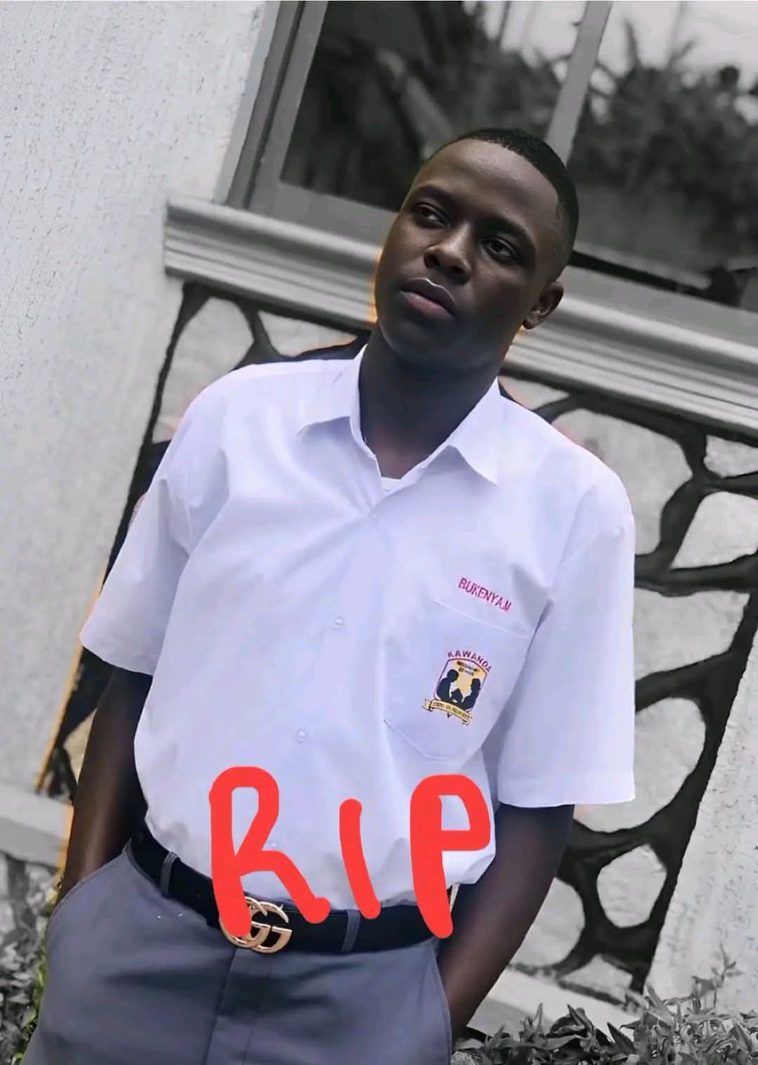
Before he died on Valentine’s Day 2026, Martin Bukenya was, according to one account, sleeping under a bed.
Not metaphorically. Literally under a bed.
The girl who says she sheltered him describes a quiet ritual. When neighbors’ footsteps passed too slowly outside, when unfamiliar voices lingered, when someone knocked unexpectedly, Martin would slide off the mattress and disappear beneath the wooden frame. The siblings would pull the bedsheet low. They were not hiding contraband. They were hiding a person.
“We didn’t want problems,” the girl says.
Problems meant gossip. Gossip meant parents being called. Parents meant punishment.
The house is in Mabanda Cell, under Nansana Municipality, not far from Matugga. Her parents were working abroad her mother in the United Arab Emirates, her father in Sudan. At home were her siblings and a maid. This is not unusual in Uganda: labor migration has left millions of children reliant on relatives, older siblings, or domestic help for day-to-day care.
According to the girl, Martin arrived not as a secret lover seeking privacy, but as a teenager who had nowhere else to go.
He had been moving between households for months. The girl claims his mother told him, after repeated arguments, that if he could not apologize, he could no longer stay. He did not apologize. She says his mother refused reconciliation. He went to his father, she alleges, but was told he could not be accommodated because the father had another family. Messages about illness went unanswered.
Martin was 17, still a student, still dependent, still in every practical sense a child.
And so he came to the only house that opened.
They fed him. They let him sleep. When neighbors might notice, they hid him. Sometimes under the bed. It was not romance or secrecy; it was protection. According to the girl, their own parents discovered this arrangement earlier, and there were punishments, warnings, and even pregnancy tests and blood tests, she says to enforce boundaries. The relationship was condemned. The message was clear: this could not continue.
Yet Martin returned.
At some point, he fell ill. Weak, feverish, and vulnerable, he remained dependent on the teenage girl and her siblings. They tried contacting his mother, they tried contacting his father, but received no reply. These are allegations, unverified in court, but they point to a disturbing pattern: a teenager abandoned by both parents, left in a makeshift household of children to survive.
Then came February 14.
Herbert Musasizi, the girl’s father, returned unexpectedly from South Sudan. He found Martin inside. According to police reports, the encounter escalated into a violent assault lasting nearly two hours. Martin lost consciousness and later died at a clinic. Musasizi was later arrested in Gulu District and remains in custody pending investigation.
That night, the house that had offered refuge became the site of tragedy. But the assault, while shocking, was not the beginning of Martin’s vulnerability. The story of abandonment stretches back months, through closed doors, unanswered calls, and the refusal of parental care.
This is where the larger questions emerge.
Parents in Uganda are often treated as infallible. Discipline, authority, and sacrifice place them beyond scrutiny. The law may require parents to provide for their children, yet culture frequently shields them from accountability. And when parents refuse care entirely turning a child away, ignoring illness, or leaving them dependent on others the consequences can be deadly.
The Children Act establishes parental duties, including the provision of shelter, food, and medical care. Neglect can constitute a criminal offense. In practice, enforcement is uneven, and the social expectation that a parent cannot be wrong often leaves children exposed.
Martin’s case illustrates the collision between law, culture, and morality. His parents had both the legal and moral responsibility to care for him. According to the girl’s account, they did not. Their absence, their refusal, and their silence left Martin in a position of vulnerability that ultimately contributed to his death.
The girl and her siblings became his surrogate guardians. They fed him, protected him, hid him under beds. They bore the responsibility that his biological parents allegedly neglected. And yet society often frames such households as secondary, while cultural norms excuse parental negligence.
Dr. Grace Nakato, a child welfare advocate, reflects:
“Neglect is not only a legal issue. It is a moral one. Children cannot be expected to survive when their parents refuse care. Yet in many communities, parents are untouchable. This leaves children exposed to danger, often with no one accountable.”
Martin’s story is a reminder that tragedy often begins long before headlines appear. It begins with the quiet refusals, the doors that stay closed, the calls that go unanswered. It begins in the parents who could act but do not.
This is not just a story about one night or one assault. It is a story about parental power without accountability. About cultural immunity that allows neglect to persist. About children forced to navigate a world in which the adults who should protect them are absent.
If Uganda is to prevent tragedies like Martin’s, it must confront a difficult truth: parents are not infallible, and children cannot be left unprotected simply because authority is beyond question.
The house that opened for Martin was not enough. And until parents are held accountable legally, morally, and culturally children will continue to fall through the cracks, hidden under beds, waiting for the only doors to open.
This post was created with our nice and easy submission form. Create your post!

Written by
Asha Mirriam is a creative writer passionate about African story telling, social justice and emotionally rich narratives
Did this story move you? Every gift goes directly to Asha Mirriam — writers on Muwado earn from reader appreciation, not algorithms. Even $1 makes a difference.





Muwado weekly chart
Get Africa’s top 10 stories every Thursday
No account needed — just your email.
Want to follow Asha Mirriam and get notified every time they publish?
Create a free Muwado account →