

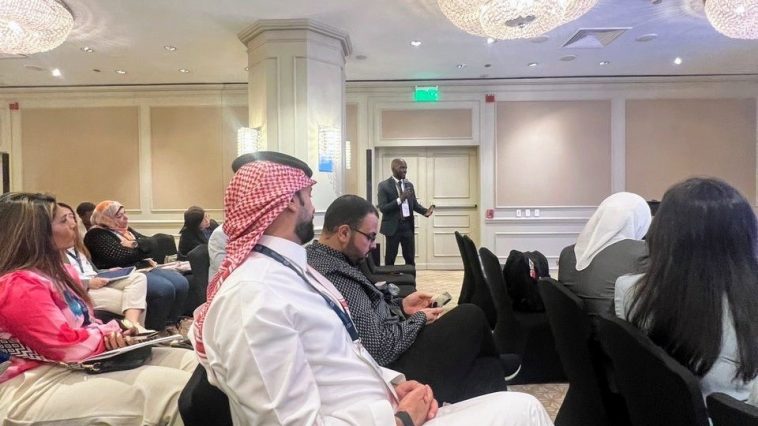
 Odokonyero Kennedy

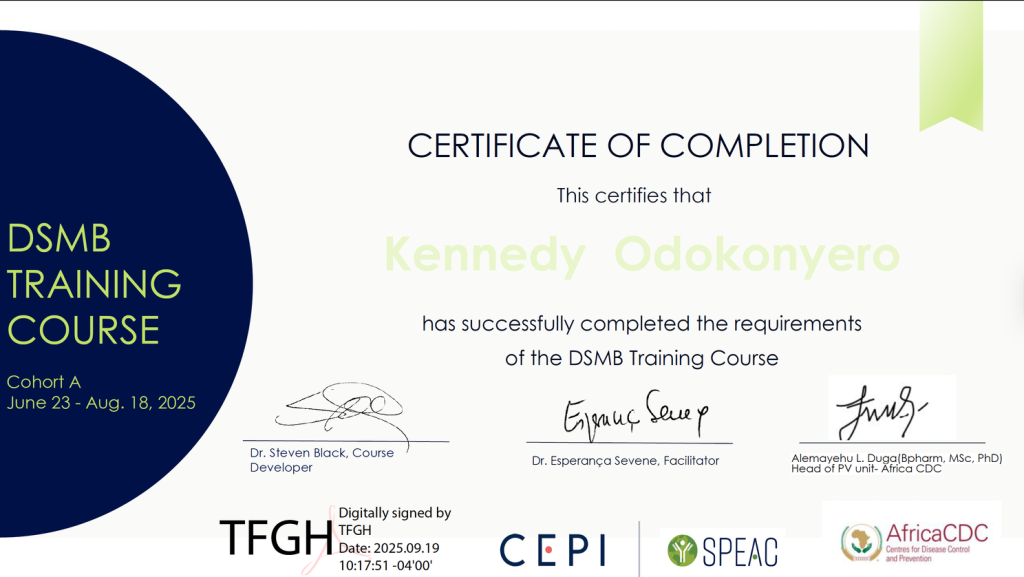
In August, I completed a Data Safety Monitoring Board (DSMB) training course facilitated by Africa CDC, SPEAC, and CEPI. The training aimed to expand the pool of qualified DSMB members by increasing the number of experts trained in safety monitoring. My own motivation for participating was a need to strengthen my expertise in safety monitoring across the product lifecycle — from clinical trials to post-marketing surveillance. Pharmacovigilance in clinical trials is essential not only for protecting study participants, but also for building public trust in research. I have been supporting clinical trial sponsors in understanding regulations on clinical trial safety reporting in Africa since 2023, way before I attended the recent course. So, what has my journey in pharmacovigilance during clinical trials been like so far
Analysing Regulations
As mentioned, I started out by supporting clients in building regulatory intelligence databases to answer questions about safety monitoring during clinical trials in Africa. Over time, the diversity of countries I have worked on expanded from 4 to 10 , including Uganda, Rwanda, Kenya, Tanzania, Ethiopia, Zimbabwe, South Africa, Nigeria, The Gambia, and most recently Namibia.
The experience has given me comprehensive insight into clinical trial regulations across Africa and how they differ. In Namibia, for example, the Namibia Medicines Regulatory Council (NMRC) currently has no regulatory oversight over clinical trials because this mandate is not provided for in the law that established it. Instead, this function lies with the Directorate of Health Information and Research in the Ministry of Health and Social Services. The country is, however, in the process of amending the law to give NMRC the legal authority to regulate clinical trials.
Building Myself
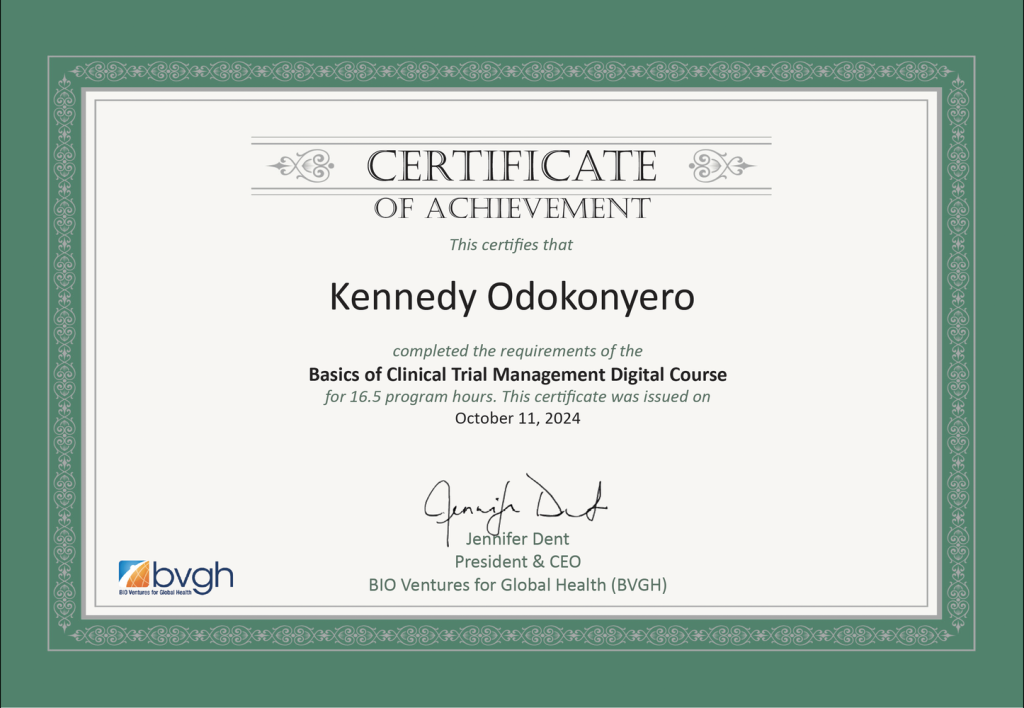
Beyond safety monitoring, I have always been keen to learn about other aspects of clinical trials. Prior to the DSMB training, I had completed the BVGH 2024 Basics of Clinical Trial Management Course. This comprehensive course covered many elements of clinical trials, including phases, ethics, regulations, protocols, documentation, roles and responsibilities, and trial close-out procedures.
In addition to well-known roles such as principal investigator (PI), study coordinator, data manager, study pharmacist, and biostatistician, I learned about the role of a pharmacovigilance specialist in clinical trials. Their responsibilities include monitoring and evaluating the safety of the investigational product, collecting and analyzing adverse event reports, ensuring timely reporting of safety information to regulatory authorities, and implementing risk management strategies.
I regularly attend webinars on clinical trials, and most recently participated in the U.S. FDA’s session on Artificial Intelligence in Drug & Biological Product Development. I am also participating in the ongoing IFPMA Africa Regulatory Conference: Advancing the Clinical Research Ecosystem in Africa – Inclusive, Innovative, and Impact-Driven Approaches.
Doing It
Luck is what happens when preparation meets opportunity. – Seneca
Despite the training and regulatory analysis, I often felt that something was missing from my journey — a hands-on role in an actual clinical trial. Fortunately, in July last year, a client asked me to support a clinical trial sponsor with safety reporting in Nigeria and South Africa. This was a unique opportunity to serve as the bridge between the sponsor and the regulator.
I support the sponsor by “translating” regulations into practical pharmacovigilance operational frameworks that meet local requirements. I was also privileged to lead a discussion between the regulator, sponsor, and PI regarding a domestic Serious Adverse Event (SAE) I had submitted. Through this experience, I gained valuable insights into regulators’ expectations and the sponsor’s duty of care to clinical trial participants.
Looking Ahead
A trend I have observed is that sponsors are increasingly opting for specialized pharmacovigilance (PV) partners to handle the PV component of clinical trials, rather than relying on traditional clinical CROs to manage everything. Insuvia ‘s Nerijus Luksys MPharm Luksys wrote an insightful article on this shift titled Why Tying Your Pharmacovigilance to Your Clinical CRO Is Riskier Than You Think.
For those looking to stay motivated in the PV field, there are growing opportunities in clinical trials. I am optimistic I will actively be involved in more clinical trial projects as a PV expert, and I will continue to learn and contribute. I am deeply grateful to Africa CDC, SPEAC, CEPI, and BVGH for their investment in strengthening the clinical trial ecosystem in Africa.
This post was created with our nice and easy submission form. Create your post!

Written by
Pharmacist, Global Shaper at Kampala Hub and student of Msc. Pharmaceuticals and Health Supplies Management at Makerere University. [email protected]
Did this story move you? Every gift goes directly to Odokonyero Kennedy — writers on Muwado earn from reader appreciation, not algorithms. Even $1 makes a difference.




Muwado weekly chart
Get Africa’s top 10 stories every Thursday
No account needed — just your email.
Want to follow Odokonyero Kennedy and get notified every time they publish?
Create a free Muwado account →