

 Odimegwu Onwumere

 At fourteen, Janette Ahmed was married, pregnant, and expected to endure childbirth alone in a rural Nigerian village. After days of obstructed labour without medical care, her baby died and Janette was left with obstetric fistula, a preventable childbirth injury that causes constant leaking of urine or faeces. Shunned by her community and abandoned by her husband, she lived in silence for years before finding treatment. ODIMEGWU ONWUMERE in this report unearths that Janette’s story mirrors the lives of hundreds of thousands of Nigerian women. This is a story about inequality, child marriage, broken health systems, and the urgent need to protect girls’ dignity and lives
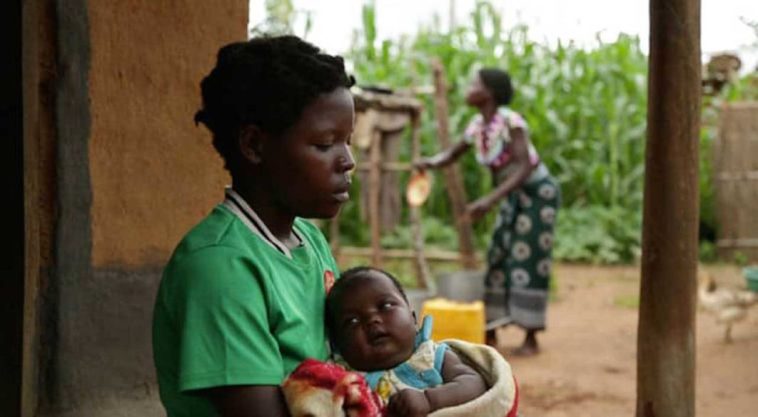
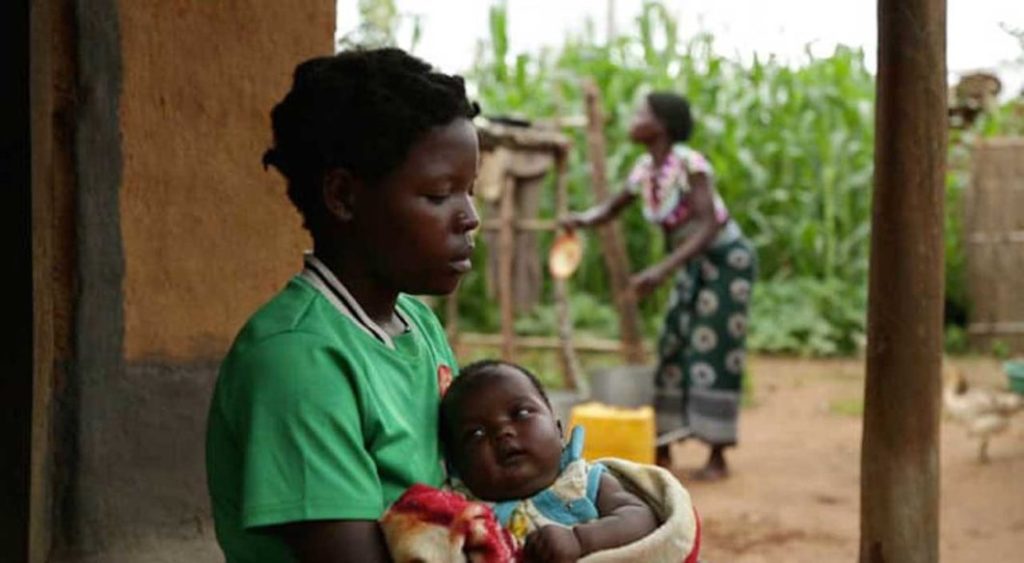
Janette Ahmed was fourteen years old when adulthood was forced upon her. In 2022, while many girls her age were still finding their voices and dreaming quietly about the future, Janette was already a wife in a remote community in northern Nigeria.
Her body was small and unfinished, her childhood barely over, yet she was expected to perform the full duties of marriage without question. When she became pregnant soon after, no one asked whether she was physically or emotionally ready. Pregnancy was not a choice. It was an expectation. Pain, she was taught, was something women endured in silence.
When labour began, it did not unfold the way it should. The hours stretched into days. There was no nearby hospital, no trained midwife, no ambulance to carry her to safety. She laboured at home, surrounded by fear, hope, and ignorance. By the time help finally arrived, the damage had already been done. Janette survived, but her baby did not. And when the bleeding ended, another nightmare began. She noticed she could no longer control her body. Urine leaked constantly. The smell followed her everywhere. Shame settled over her life like a shadow she could not escape.
Janette did not know it then, but she was living with obstetric fistula, a childbirth injury caused by prolonged obstructed labour. It creates an abnormal hole between a woman’s vagina and her bladder or rectum, allowing urine or faeces to leak continuously. For women like Janette, obstetric fistula is not just a medical condition. It is a sentence to isolation, humiliation, and deep psychological pain.
According to Dr. Wale Abdul, a specialist in maternal health, the most common type in Nigeria is vesicovaginal fistula, where urine leaks from the bladder into the vagina. Other forms can involve the rectum, urethra, ureter, or, in rare cases, the uterus. What unites them is the devastating loss of bodily control and dignity. In countries with strong healthcare systems, obstetric fistula is almost unheard of. A timely caesarean section can prevent it entirely. But in poor and rural communities, where emergency obstetric care is distant or unaffordable, women pay with their bodies.
The World Health Organisation estimates that between 50,000 and 100,000 women develop obstetric fistula every year worldwide. More than two million women in Asia and sub-Saharan Africa are believed to be living with untreated fistula. Nigeria bears one of the heaviest burdens. UNICEF estimates that between 400,000 and 800,000 Nigerian women currently live with the condition, with up to 100,000 new cases occurring each year. These figures are not abstract. They are daughters, wives, mothers, and girls whose suffering often remains hidden behind closed doors.
In Nigeria, obstetric fistula occurs in roughly 3.2 out of every 1,000 births, adding about 13,000 new cases annually. At the current pace of treatment, experts estimate it could take more than 80 years to repair all existing cases. Many women will never receive care. Some will die without ever knowing that what happened to them was preventable, or that their condition had a name and a cure.
For Janette, ignorance compounded her suffering. She did not understand what was happening to her body. She only knew that people began to avoid her. Neighbours stopped sitting beside her. Her husband grew distant, then hostile. Eventually, he sent her back to her parents’ home, as though she were a broken object returned to its owner. She stopped going to the market. She stopped attending social gatherings. She stopped praying at the mosque because she feared the whispers and the stares. Like many women with fistula, Janette believed she had been cursed.
The medical cause of her injury was straightforward. Prolonged obstructed labour occurs when a woman’s pelvis is too small for the baby to pass through, and labour continues for too long without medical intervention. The baby’s head presses against the soft tissues of the pelvis, cutting off blood supply. Over time, the tissue dies, leaving holes that cause continuous leakage. What makes this tragedy unbearable is that it is entirely preventable.
Poverty sits at the centre of Janette’s story. Women from poor families, especially in rural areas, face the greatest risk of obstetric fistula. Health facilities are often many kilometres away. Transport is expensive or nonexistent. Families may not see the need to spend scarce resources on hospital care, especially for women and girls whose lives are undervalued. In many communities, childbirth still takes place at home under the care of traditional birth attendants who lack the skills to manage complications.
Malnutrition further increases the danger. Many Nigerian girls grow up undernourished, lacking essential nutrients like calcium and vitamin D that are crucial for bone development. This can lead to an underdeveloped pelvis, making childbirth far more dangerous. About 12 percent of Nigerian women of reproductive age are underweight. For girls like Janette, malnutrition meant her body was not ready for pregnancy. After developing fistula, the cycle of poverty often deepens. Many women are abandoned by their husbands and lose their means of survival, pushing them into hunger and dependency.
Education could have changed everything. Research consistently shows that educated women marry later, seek antenatal care, and are more likely to give birth in health facilities. Education gives girls the power to make informed decisions about their bodies and their futures. Yet Nigeria has one of the highest numbers of out-of-school children in the world. About 16 million children, most of them girls, are not in school. Fewer than one in four girls completes secondary school by the ages of 15 to 19. Without education, girls remain trapped in cycles of early marriage, early pregnancy, and preventable injury.
Child marriage is one of the strongest drivers of obstetric fistula in Nigeria. The country is believed to have the highest number of child brides in the world, with about 23 million girls married before the age of 18. Nearly half of Nigerian women were married as children. In many cases, pregnancy follows quickly. Young girls’ bodies are simply not ready. In parts of northern Nigeria, studies show that most women who develop fistula experienced obstructed labour before the age of 15. Many were married at around fourteen, just like Janette.
Although laws exist to set a minimum age for marriage, enforcement is weak. Cultural and religious practices still permit underage marriage with parental consent. Girls rarely have a voice in decisions about marriage, pregnancy, or healthcare. Their lack of autonomy delays life-saving decisions during childbirth emergencies.
Harmful traditional practices also play a role. Female genital mutilation, still practiced in some parts of Nigeria, can cause severe childbirth complications and increase the risk of fistula. In northern Nigeria, it accounts for up to 13 percent of vesicovaginal fistula cases. While changing deeply rooted traditions is challenging, community education and engagement have shown that progress is possible.
The physical suffering of obstetric fistula is only part of the damage. The emotional wounds often cut deeper. Women experience shame, depression, anxiety, and profound loss of self-worth. Many mourn babies who died during childbirth and live with post-traumatic stress. Some contemplate suicide. The constant smell and wetness attract stigma. Women are mocked, blamed, and abandoned. Without support, many retreat into isolation.
Janette lived like this for three years. Then, one day, a visiting health worker told her about a fistula repair centre. For the first time, she learned that her condition had a name and that it could be treated. Surgery closed the hole that had stolen her dignity. But healing required more than stitches. She needed counselling, skills training, and social support to rebuild her life. Many women are not as fortunate. They never hear about treatment centres, or they cannot afford the journey.
Ending obstetric fistula is possible. It requires delaying first pregnancies, ending child marriage, improving girls’ nutrition, and expanding access to quality maternal healthcare. Emergency obstetric services must reach rural communities. Family planning must be accessible. Governments and organisations must move beyond promises to action.
Janette Ahmed’s story matters because it reveals a painful truth. Obstetric fistula is not just a health issue. It is a measure of inequality and neglect. It shows how society treats its girls. When girls are allowed to grow, learn, and choose their futures, stories like Janette’s will no longer be written in pain, silence, and loss.
•Onwumere is Chairman, Advocacy Network On Religious And Cultural Coexistence (ANORACC). PIC credit: online
This post was created with our nice and easy submission form. Create your post!
Written by
Onwumere is Chairman, Advocacy Network On Religious And Cultural Coexistence (ANORACC)
Did this story move you? Every gift goes directly to Odimegwu Onwumere — writers on Muwado earn from reader appreciation, not algorithms. Even $1 makes a difference.





Muwado weekly chart
Get Africa’s top 10 stories every Thursday
No account needed — just your email.
Want to follow Odimegwu Onwumere and get notified every time they publish?
Create a free Muwado account →