

 Caesar Obong Ng'bong ocen

Prev: General O: Subsurface Silence Behind Enemy Line
The rebel stronghold collapsed without sound, but the environment did not rest.
Okello remained in position. The rebel stronghold had collapsed without sound, but the environment did not rest.
Okello remained in position long after the last exchange.
Behind enemy lines, success did not permit movement; it demanded restraint. Extraction had never been planned. Any early displacement would expose him. Prolonged stillness, however, would end him. He chose stillness and waited until the land itself began to change.
Days passed beneath the bog. What had once been pliant earth began to dry and compact, pressing down with a slow, suffocating resolve. Air thinned. Moisture retreated. The ground that had concealed him now threatened to claim him. His rations—sealed in a body bag at his side—diminished steadily. Calories became numbers. Water became discipline. Strength faded faster than he had calculated.
Physical decline followed its known sequence. Joints stiffened. Circulation slowed. Muscles softened under forced immobility. Okello recognized the warning signs. Remain longer and survival would end without contact.
When he withdrew from concealment, the bog resisted him. Leeches clung to his skin. The earth pulled at his limbs as though unwilling to release what it had hidden so carefully. When he emerged, soaked and weakened but intact, the operation ended. What remained was survival in contested wilderness.
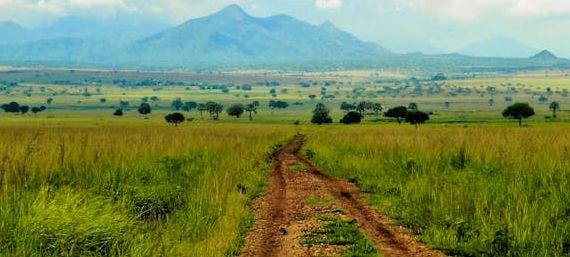
The terrain assumed command. Okello followed drainage lines and animal paths, avoided ridgelines by day, used them briefly at night for orientation. Soil color revealed moisture and movement. Broken vegetation spoke of recent passage. Fire was avoided; smoke would mean contact, and contact would mean compromise.
Civilian movement became the most reliable indicator of the war’s direction.
Villages along his route were abandoned or dismantled in haste. Cooking stones were gone. Livestock tracks led away from homesteads, not toward pasture. This was civilian intelligence—withdrawal before orders, absence before violence. Okello adjusted. He avoided recently vacated zones, knowing scarcity followed retreat and desperation made people unpredictable. When contact became unavoidable, he skirted perimeters and moved through cover. Civilians avoided him as he avoided them. Survival required no conversation.
Weeks lengthened into months. The wilderness demanded constant judgment. Once, a leopard forced engagement at close range where terrain denied withdrawal. Survival came without distance or weapon. Elsewhere, he crossed a mined corridor by reading soil disturbance and the scars of prior passage. A river marked by crocodiles was crossed under darkness, timing chosen over strength. Insects were repelled with improvised mixtures. Hunger was managed. Movement was measured. None of this was exceptional. He had been trained for it.
Deep in the interior, Okello found abandoned military communication equipment scattered among the skeletal remains of three men. Ammunition lay nearby, untouched. Their posture suggested a failed relay or observation post—no extraction markers, no recent activity. The equipment confirmed what the silence had already told him.
The war had moved on.
That night, beneath open sky, he recalled his superior’s words, spoken once without emphasis, now carrying weight:
In battle you do what you can to stay alive. The rest belongs to the earth—to decide whether we become ancestors or are allowed to continue.
He oriented himself by the stars his great-grandfather had taught him long before maps refined his instincts. Termites indicated water. Spiders marked direction. Soil organisms revealed stability. Certain plants warned of danger; others suggested passage. Military doctrine had taught him how to fight. The land taught him how to continue without retreat.
With recovered equipment secured in his rucksack, Okello began his final movement. His objective was no longer the enemy but divisional headquarters. He arrived without escort or advance signal, reported according to regulation, and waited.
Within hours, the narrative turned against him.
In official records, the war had ended decisively. Rebel forces had collapsed. Okello, however, had vanished at the height of engagement. Absence, in institutional language, implied abandonment. He was charged with dereliction of duty, abandonment of post, and crimes attributed to collapsing rebel zones.
Okello did not argue. He presented evidence.
Before the Amnesty Commission, items were laid out: captured communication equipment, recovered ammunition, his assigned service weapons, a bayonet carried through months of movement. These were not trophies. They were material witnesses. Absence, they showed, had been penetration—not flight.
As deliberations stalled, the outside world responded. News of his survival spread across local and international media. Analysts debated probability. Civilians spoke in disbelief. Veterans understood what such survival implied.
Soon after, remaining rebel positions surrendered without engagement. Intercepted communications revealed their reasoning. The figure they called the Stallion with fangs—believed lost to terrain and hunger—had returned. His survival unsettled what remained of their resolve.
Before the Commission, rebel representatives accepted responsibility for atrocities previously attributed to Okello. Recovered records aligned with his account. Timelines corrected themselves. Silence was reclassified as endurance.
The charges dissolved. Okello was reinstated. No apology followed. Records were amended. What he had done behind enemy lines was absorbed quietly into doctrine—outcomes recorded, methods left unspoken.
He returned to duty without comment and was assigned to clear contaminated terrain where the war had left more than graves.
Those who had doubted him avoided his eyes. Those who understood remained silent. The wilderness had already judged him beyond tribunal.
The name General O, the Stallion with fangs began to circulate—not as rank, not as claim, but as recognition. He neither accepted nor denied it.
He had survived war, terrain, and judgment. He remained standing.
The environment, however, remained active after the last exchange. Behind enemy lines, success did not permit movement; it demanded restraint. Extraction had never been planned. Any early displacement would expose him. Prolonged stillness, however, would end him. He chose stillness and waited until the land itself began to change.
Days passed beneath the bog. What had once been pliant earth began to dry and compact, pressing down with a slow, suffocating resolve. Air thinned. Moisture retreated. The ground that had concealed him now threatened to claim him. His rations—sealed in a body bag at his side—diminished steadily. Calories became numbers. Water became discipline. Strength faded faster than he had calculated.
Physical decline followed its known sequence. Joints stiffened. Circulation slowed. Muscles softened under forced immobility. Okello recognized the warning signs. Remain longer and survival would end without contact.
When he withdrew from concealment, the bog resisted him. Leeches clung to his skin. The earth pulled at his limbs as though unwilling to release what it had hidden so carefully. When he emerged, soaked and weakened but intact, the operation ended. What remained was survival in contested wilderness.
The terrain assumed command. Okello followed drainage lines and animal paths, avoided ridgelines by day, used them briefly at night for orientation. Soil color revealed moisture and movement. Broken vegetation spoke of recent passage. Fire was avoided; smoke would mean contact, and contact would mean compromise.
Civilian movement became the most reliable indicator of the war’s direction.
Villages along his route were abandoned or dismantled in haste. Cooking stones were gone. Livestock tracks led away from homesteads, not toward pasture. This was civilian intelligence—withdrawal before orders, absence before violence. Okello adjusted. He avoided recently vacated zones, knowing scarcity followed retreat and desperation made people unpredictable. When contact became unavoidable, he skirted perimeters and moved through cover. Civilians avoided him as he avoided them. Survival required no conversation.
Weeks lengthened into months. The wilderness demanded constant judgment. Once, a leopard forced engagement at close range where terrain denied withdrawal. Survival came without distance or weapon. Elsewhere, he crossed a mined corridor by reading soil disturbance and the scars of prior passage. A river marked by crocodiles was crossed under darkness, timing chosen over strength. Insects were repelled with improvised mixtures. Hunger was managed. Movement was measured. None of this was exceptional. He had been trained for it.
Deep in the interior, Okello found abandoned military communication equipment scattered among the skeletal remains of three men. Ammunition lay nearby, untouched. Their posture suggested a failed relay or observation post—no extraction markers, no recent activity. The equipment confirmed what the silence had already told him.
The war had moved on.
That night, beneath open sky, he recalled his superior’s words, spoken once without emphasis, now carrying weight:
In battle you do what you can to stay alive. The rest belongs to the earth—to decide whether we become ancestors or are allowed to continue.
He oriented himself by the stars his great-grandfather had taught him long before maps refined his instincts. Termites indicated water. Spiders marked direction. Soil organisms revealed stability. Certain plants warned of danger; others suggested passage. Military doctrine had taught him how to fight. The land taught him how to continue without retreat.
With recovered equipment secured in his rucksack, Okello began his final movement. His objective was no longer the enemy but divisional headquarters. He arrived without escort or advance signal, reported according to regulation, and waited.
Within hours, the narrative turned against him.
In official records, the war had ended decisively. Rebel forces had collapsed. Okello, however, had vanished at the height of engagement. Absence, in institutional language, implied abandonment. He was charged with dereliction of duty, abandonment of post, and crimes attributed to collapsing rebel zones.
Okello did not argue. He presented evidence.
Before the Amnesty Commission, items were laid out: captured communication equipment, recovered ammunition, his assigned service weapons, a bayonet carried through months of movement. These were not trophies. They were material witnesses. Absence, they showed, had been penetration—not flight.
As deliberations stalled, the outside world responded. News of his survival spread across local and international media. Analysts debated probability. Civilians spoke in disbelief. Veterans understood what such survival implied.
Soon after, remaining rebel positions surrendered without engagement. Intercepted communications revealed their reasoning. The figure they called the Stallion with fangs—believed lost to terrain and hunger—had returned. His survival unsettled what remained of their resolve.
Before the Commission, rebel representatives accepted responsibility for atrocities previously attributed to Okello. Recovered records aligned with his account. Timelines corrected themselves. Silence was reclassified as endurance.
The charges dissolved. Okello was reinstated. No apology followed. Records were amended. What he had done behind enemy lines was absorbed quietly into doctrine—outcomes recorded, methods left unspoken.
He returned to duty without comment and was assigned to clear contaminated terrain where the war had left more than graves.
Those who had doubted him avoided his eyes. Those who understood remained silent. The wilderness had already judged him beyond tribunal.
The name General O, the Stallion with fangs began to circulate—not as rank, not as claim, but as recognition. He neither accepted nor denied it.
He had survived war, terrain, and judgment. He remained standing.
The environment, however, remained active
This post was created with our nice and easy submission form. Create your post!

Written by
Caesar Obong Ng'bong Ocen is a Ugandan writer whose work traverses narrative fiction, cultural memory, and moral inquiry. Drawing on African cosmologies, and reflective storytelling, his writing engages with issues of power, identity, faith, and the human condition within post‑conflict societies. His series blends political realism with interior psychological struggle, articulating the tensions between duty and conscience, tradition and modernity, exile, redemption. Obong Ng'bong's work bridges literary and social worlds: it interrogates African historical and political realities while exploring philosophical and ethical questions that resonate across disciplines. His narratives are grounded in cultural authenticity and moral depth, making them relevant to both literary and humanistic inquiry. He also mentors emerging writers and contributes to dialogue on African storytelling traditions and their place in contemporary literature.
Did this story move you? Every gift goes directly to Caesar Obong Ng'bong ocen — writers on Muwado earn from reader appreciation, not algorithms. Even $1 makes a difference.






Next: https://muwado.com/general-o-operation-eagle-talon/