

 Ahmed Didaati

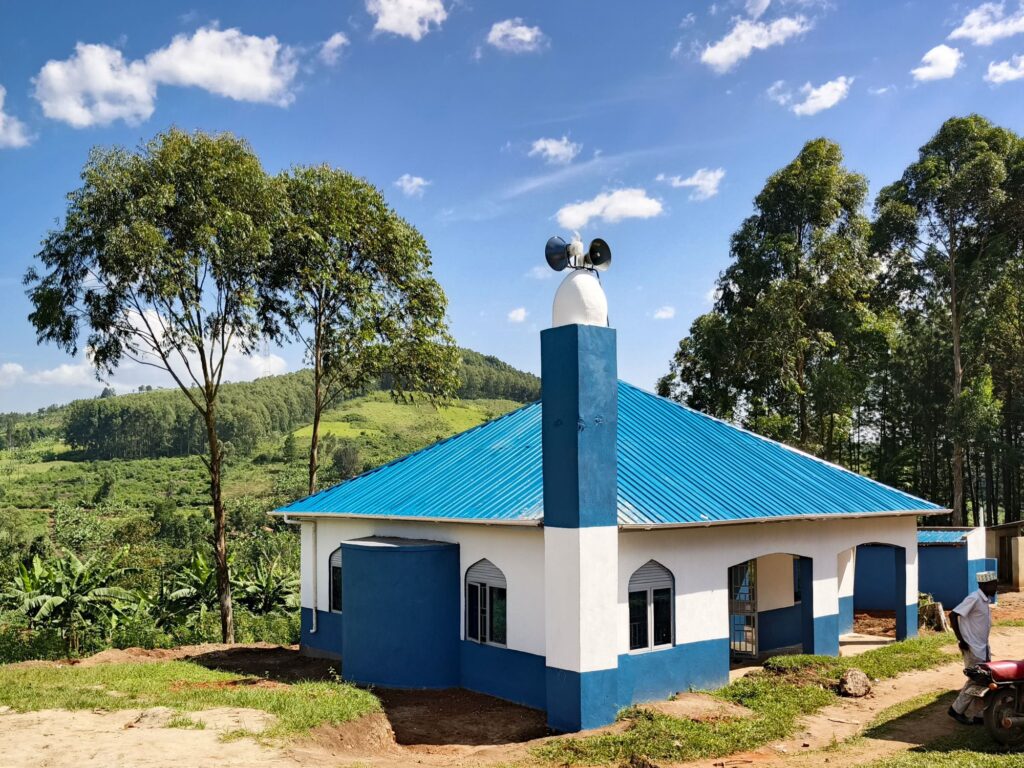
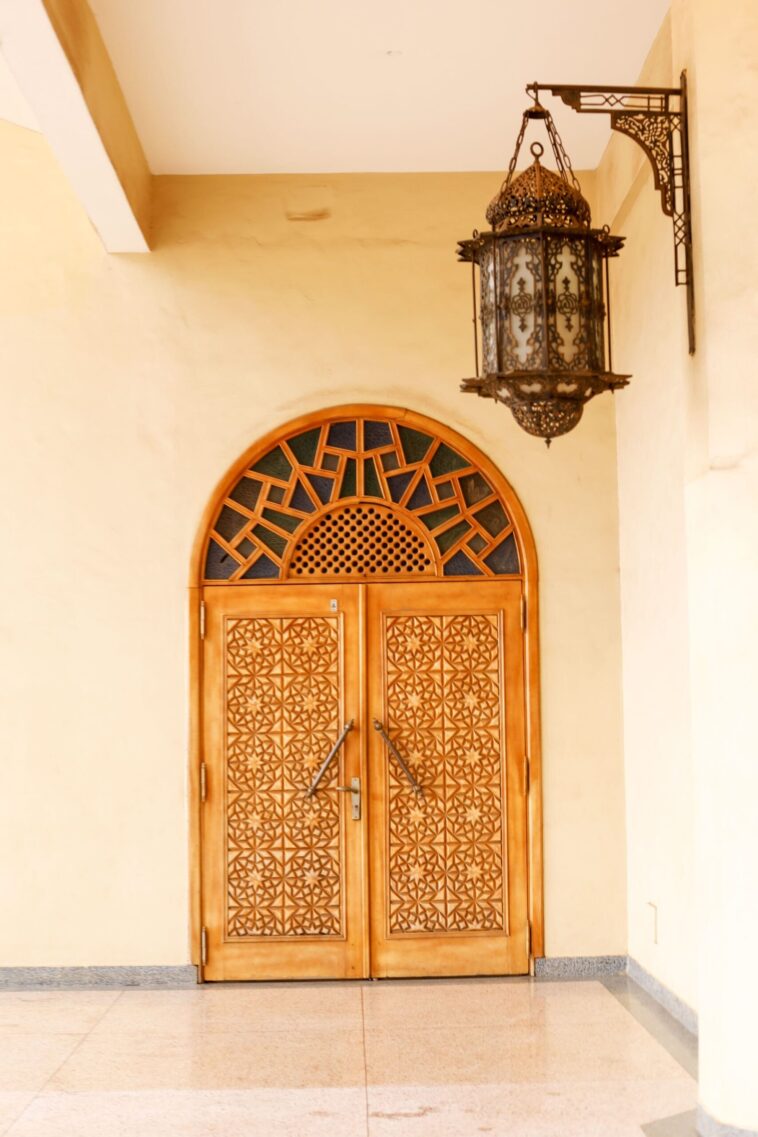
KAMPALA, Uganda — From the busy streets of Kampala to remote villages across the country, mosques continue to rise, becoming an increasingly common feature of Uganda’s landscape. While each mosque serves as a place of worship, its construction often represents something much greater faith, charity, education, unity and community development.
Today, Islam is the second largest religion in Uganda, with millions of Muslims spread across every region of the country. As the Muslim population grows, so does the demand for permanent places of worship, leading to increased support from both local communities and international Muslim charities.
Building a Mosque: A Reward That Continues Forever
One of the greatest motivations for Muslims to build mosques comes from the teachings of Prophet Muhammad (peace be upon him).
He said:
“Whoever builds a mosque for Allah, Allah will build for him a house in Paradise (Jannah).”
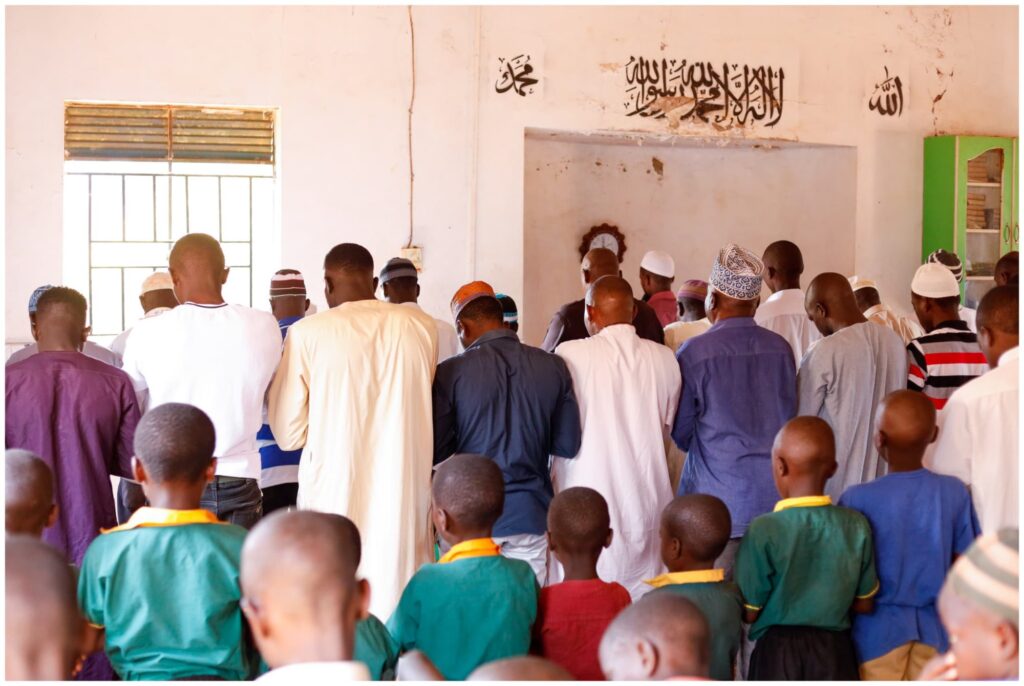
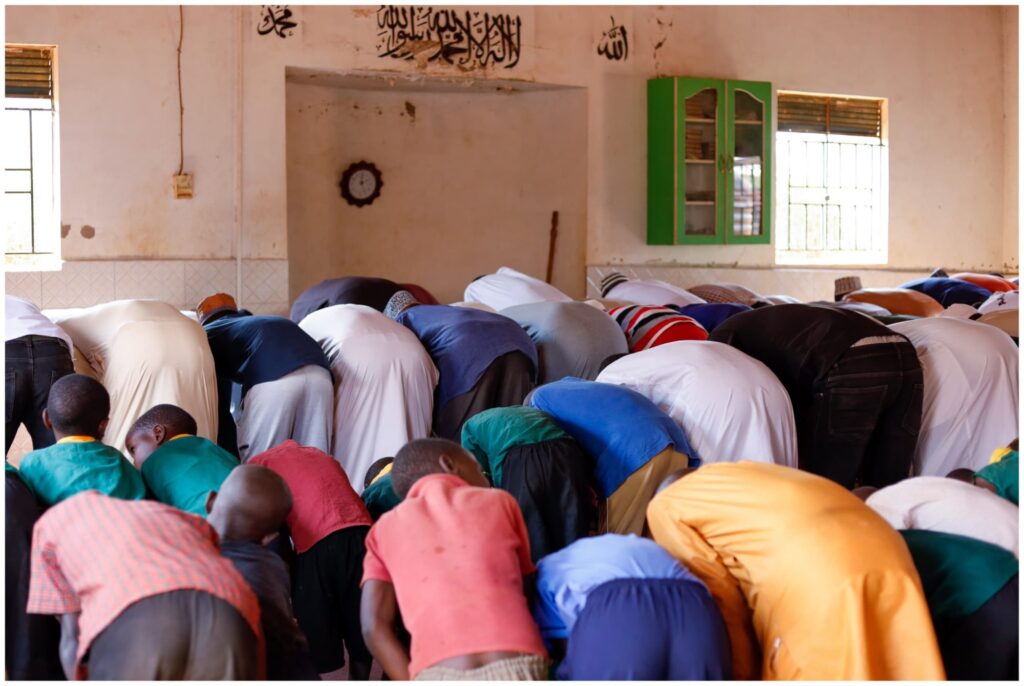
This authentic teaching has inspired Muslims around the world for centuries. Because of this promise, many believers donate their wealth toward building mosques, believing that every prayer, every Qur’an recitation and every act of worship performed inside continues to earn them rewards long after they have passed away. This is known in Islam as Sadaqah Jariyah (continuous charity).
Why So Many Mosques Are Being Built in Uganda
Uganda has become one of the countries receiving significant support for mosque construction from international Islamic charities.
Several reasons explain why:
- Construction costs are far lower than in many developed countries.
- Land is generally more affordable and easier to secure through local communities.
- Many rural Muslim communities still lack permanent places of worship.
- Uganda guarantees freedom of religion, allowing faith communities to establish places of worship within the law.
- The Uganda Muslim Supreme Council (UMSC) provides an organized religious structure that helps verify genuine community requests.
While some people believe donors build in Uganda because it is difficult to construct mosques in Europe or North America, there is no evidence that this is the main reason. In reality, most Islamic charities choose Uganda because the need is high, projects cost less, and every donation reaches more beneficiaries.
How Communities Apply for a Mosque
Although procedures differ slightly between organizations, many Muslim charities ask communities to submit similar requirements before approving a project.
These usually include:
- Proof that the area has an active Muslim community, often around 100 or more Muslims.
- Photos or videos showing the current place of worship or the lack of one.
- Proof that the land belongs to the Muslim community.
- A copy of the land title or other legal ownership documents.
- A recommendation letter from the LC1 Chairperson confirming the community’s request.
- An endorsement from the area’s District Kadhi or the Uganda Muslim Supreme Council.
After verifying these documents, the organization assesses the available land, the size of the Muslim population and the project’s urgency before approving the construction of either a small village mosque or a larger permanent mosque.
Uganda’s Cooperation Makes the Process Easier
Uganda has long been recognized for promoting religious freedom and peaceful coexistence between different faiths.
The cooperation between the Government of Uganda, local leaders and the Uganda Muslim Supreme Council has helped many mosque projects move forward within the country’s legal framework. This environment has also encouraged international charities to invest in projects that strengthen education, healthcare, clean water and community development alongside mosque construction.
International Organizations Supporting Muslims in Uganda
Over the years, many international organizations have supported Uganda’s Muslim communities through mosque construction, boreholes, schools, health services, orphan support and humanitarian relief.
Some of the organizations include:
- One Ummah Uganda
- Direct Aid Society (Kuwait)
- Qatar Charity
- Islamic Relief Worldwide
- Muslim World League
- World Assembly of Muslim Youth (WAMY)
- International Islamic Charitable Organization (IICO)
- Al Muntada Al Islami Trust
- Zayed Charitable and Humanitarian Foundation
- World Islamic Call Society (historically active)
These organizations continue to improve the lives of thousands of Ugandans by supporting both religious and social development projects.
Muammar Gaddafi’s Lasting Legacy in Uganda
Among the most famous Islamic landmarks in Uganda is the Uganda National Mosque on Old Kampala Hill, formerly known as the Gaddafi National Mosque.
The mosque was completed with major financial support from Libyan leader Muammar Gaddafi and officially opened in 2007. Today, it serves as the headquarters of the Uganda Muslim Supreme Council and remains the largest mosque in Uganda as well as one of the most recognizable Islamic landmarks in East Africa.
Gaddafi’s support for mosque construction and Islamic institutions extended beyond Uganda to several African countries, leaving a legacy that is still visible today.
More Than a Place of Worship
For many Ugandan communities, a mosque is much more than a building where people perform daily prayers.
A mosque often serves as:
- A centre for Islamic education.
- A Qur’an learning centre.
- A meeting place for resolving community issues.
- A venue for marriages and religious celebrations.
- A centre for distributing food aid and Zakat.
- A shelter during emergencies.
- A symbol of unity, hope and community development.
As Uganda’s Muslim population continues to grow, so does the importance of building places that strengthen both faith and community life.
For Muslims, every mosque built is not simply made of bricks and cement it is an investment in the Hereafter, inspired by the belief that whoever builds a mosque for the sake of Allah will be rewarded with a house in Jannah (Paradise).
This post was created with our nice and easy submission form. Create your post!
Did this story move you? Every gift goes directly to Ahmed Didaati — writers on Muwado earn from reader appreciation, not algorithms. Even $1 makes a difference.




Muwado weekly chart
Get Africa’s top 10 stories every Thursday
No account needed — just your email.
Want to follow Ahmed Didaati and get notified every time they publish?
Create a free Muwado account →