

 Ahmed Didaati

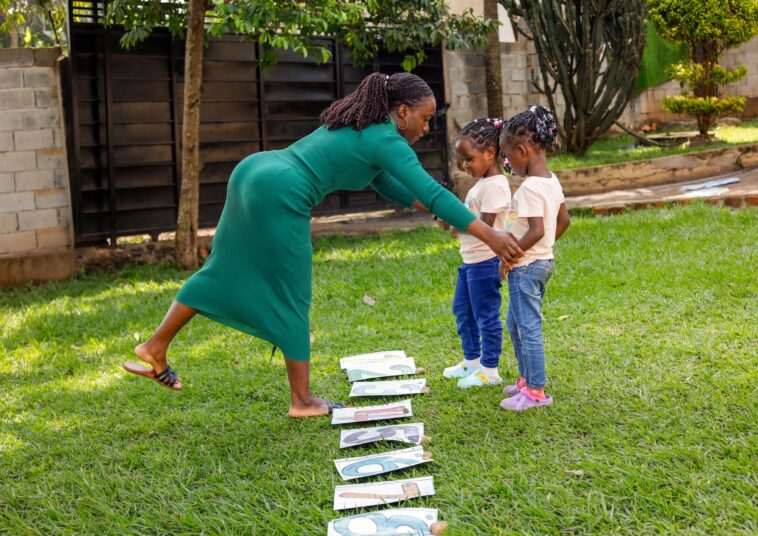
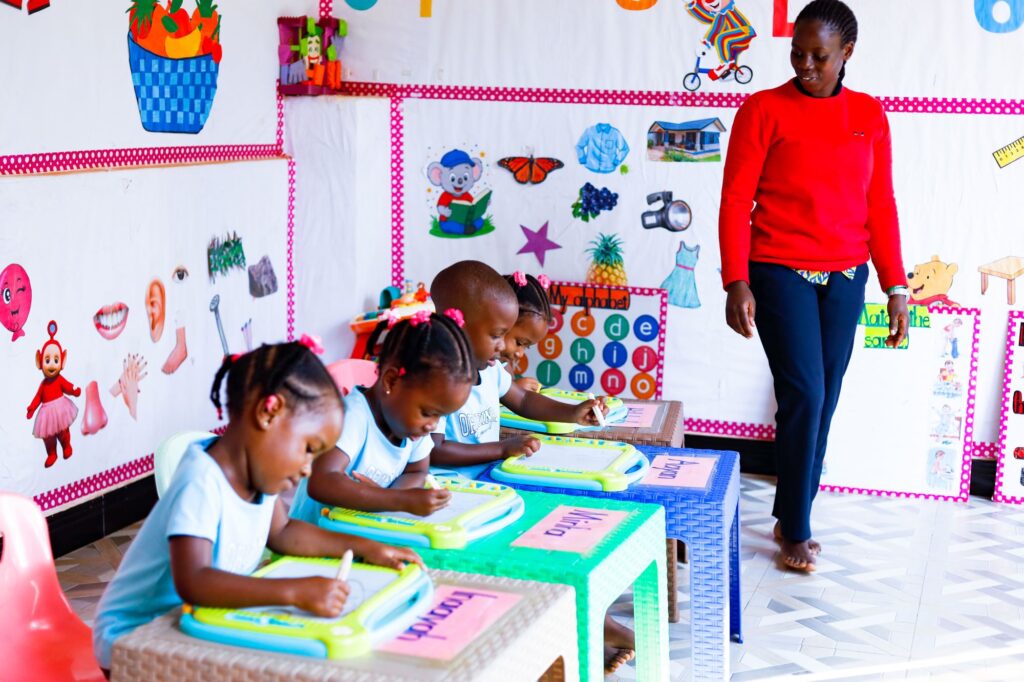
For some Ugandan families, education no longer begins with an early-morning alarm, a school uniform and a journey through Kampala traffic.
Instead, the classroom is coming home.
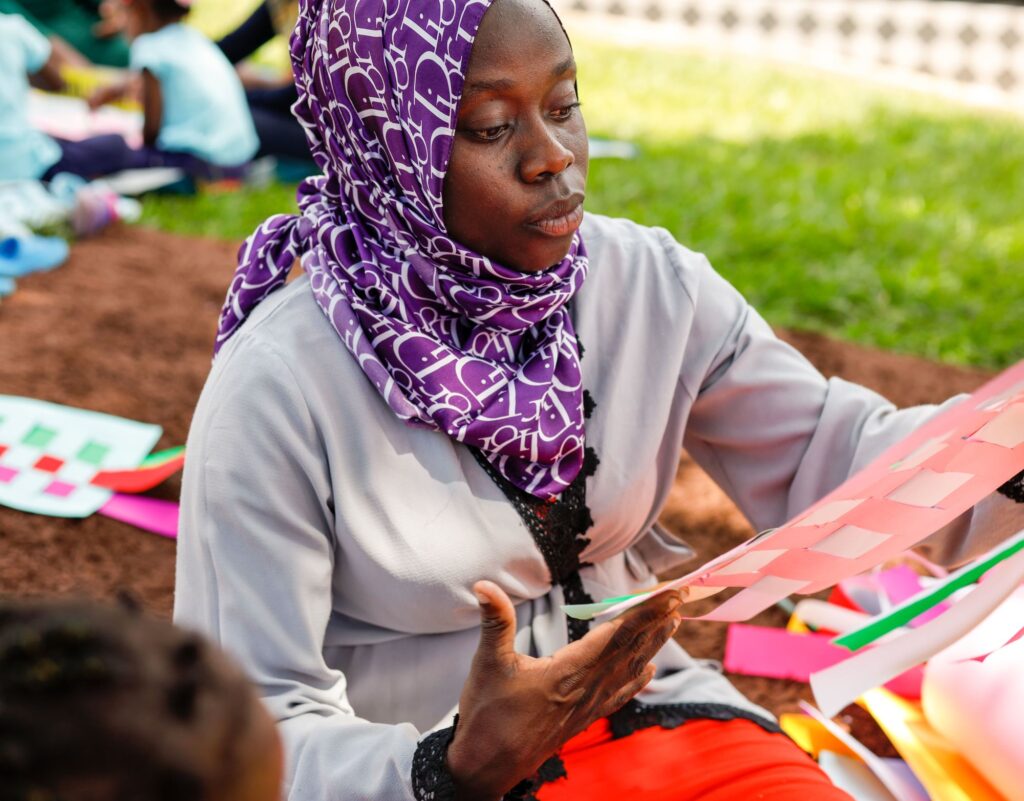
Among those helping families explore this alternative approach to education is Nabakka Jalia, popularly known as Julia, a professional Early Childhood Development (ECD) teacher with 15 years of experience and the CEO of The HomeSchool Haven.
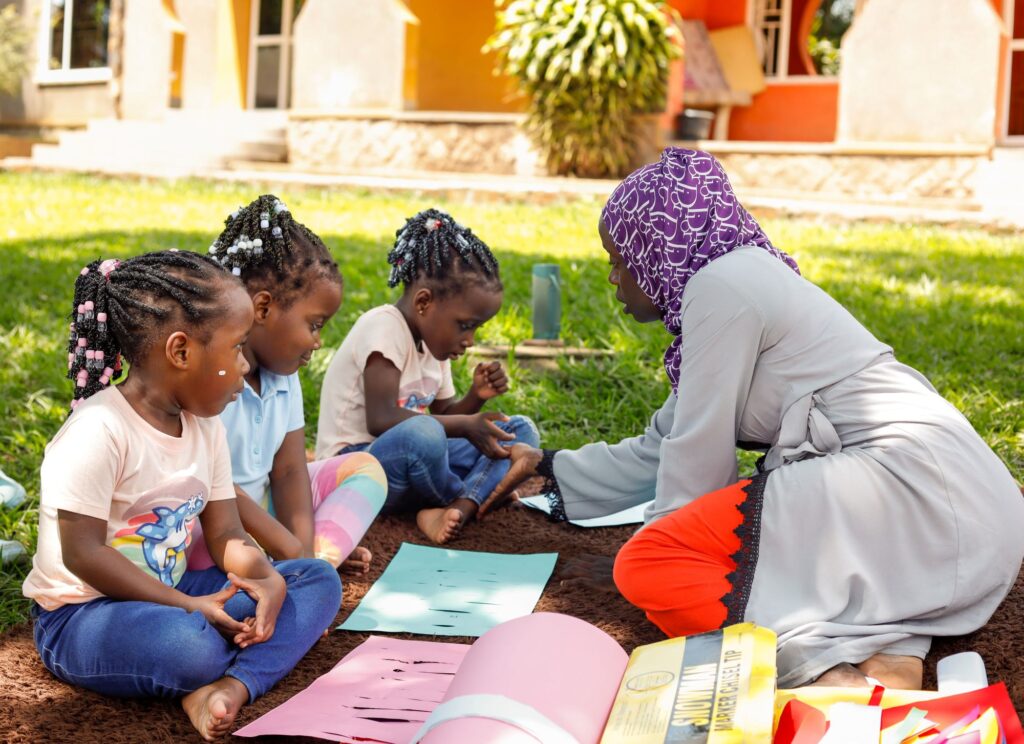
Julia began her homeschooling journey in 2021, during the COVID-19 period, starting with just one family. Today, she says, The HomeSchool Haven works with 12 families and eight professional teachers, providing homeschooling, consultation and learning materials.
«“I started with one family in 2021, and today we are working with 12 families with eight professional teachers,” Julia says.»
FROM COVID-19 TO A LONG TERM EDUCATION CHOICE
The COVID-19 pandemic changed the way millions of children experienced education, and Uganda was no exception.
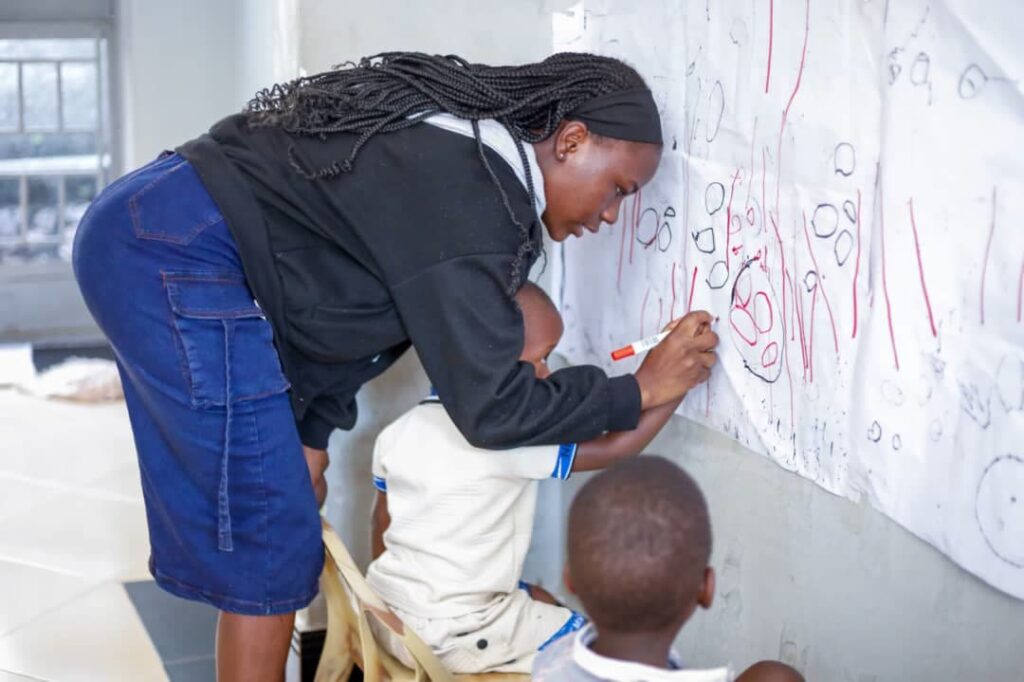
During school closures, children relied on home study materials, radio lessons, online platforms and other forms of remote learning.
But for some families, learning from home did not end when schools reopened.
Uganda’s National Curriculum Development Centre (NCDC) conducted a national study on homeschooling and released its findings in 2025. The study found that homeschooling had continued beyond the COVID-19 period, identifying personalised learning, parental involvement and self assessment among its characteristics.
The NCDC subsequently recommended that government should recognise and regulate homeschooling and establish clearer support systems for parents and learners.
For Julia, what began as a response to the disruption caused by COVID-19 gradually developed into a professional education service.
WHY SOME PARENTS ARE CHOOSING HOME EDUCATION
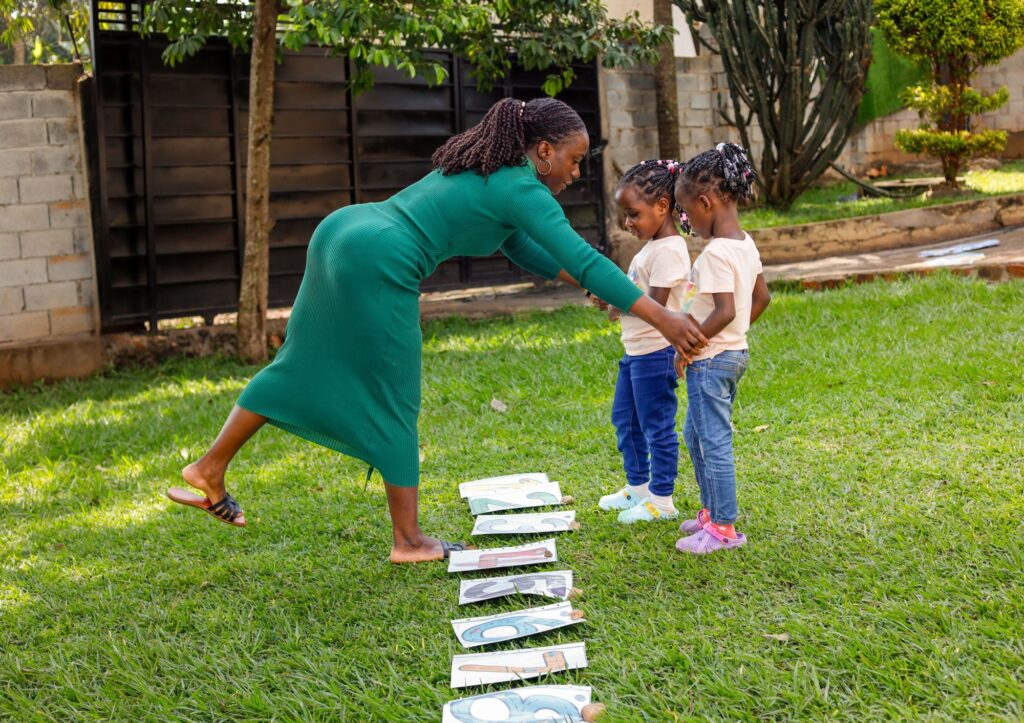
According to Julia, parents approach her for different reasons.
Some believe their children are not receiving the level of education they expect for the money they pay in conventional schools.
Others want their children to spend more time with their families, while some are concerned about illness, infections and the daily journeys children make to and from school.
There are also parents who believe their children need more time to understand lessons and therefore require an environment where a teacher can adjust the pace of learning.
For some families, homeschooling can also provide greater flexibility for children with disabilities or particular learning and developmental needs.
These concerns come at a time when child safety remains an important education issue in Uganda. Road safety, in particular, remains a concern for children travelling to and from school.
But Julia says homeschooling should not simply be viewed as an escape from conventional schools.
For many families, she says, it is about finding a learning approach better suited to an individual child.
WHEN A CHILD NEEDS MORE TIME
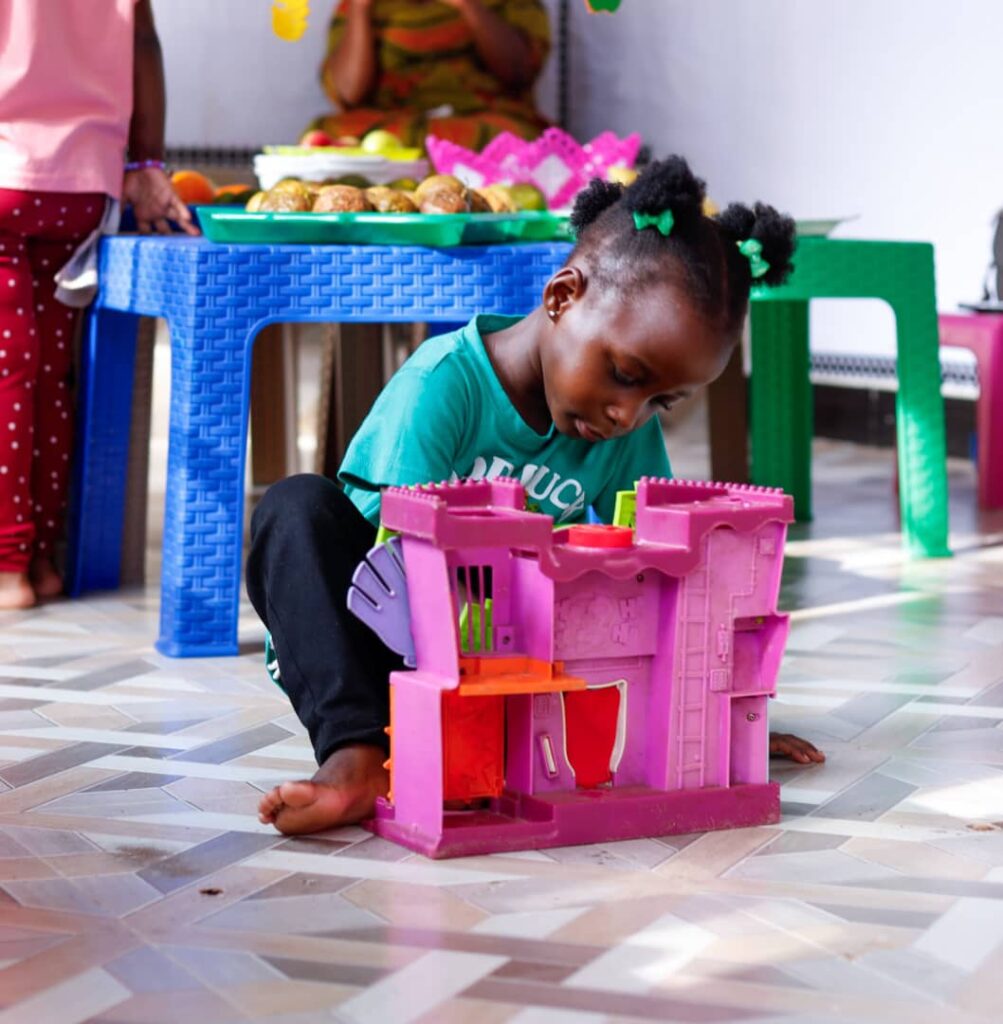
One of the strongest arguments for homeschooling is individual attention.
In a conventional classroom, one teacher may have many learners with different abilities and learning speeds.
At home, a teacher can spend more time with an individual learner.
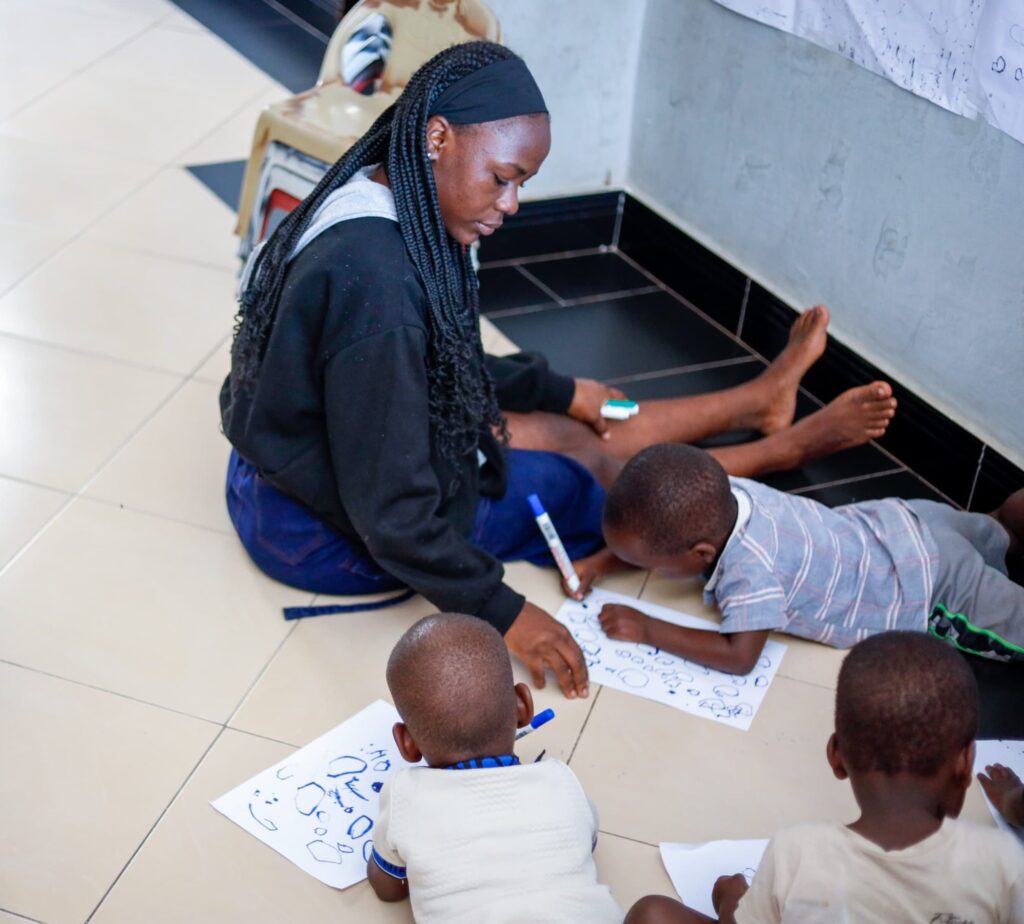
A lesson can be repeated. A difficult subject can be explained differently. The pace can be adjusted.
For children who require additional support, this flexibility can be particularly valuable.
The NCDC emphasises the importance of supporting children’s cognitive, emotional, social, physical and language development, particularly during the early years.
Julia’s background in Early Childhood Development has shaped her approach to working with younger learners and their families.
HOMESCHOOLING IS MORE THAN TEXTBOOKS
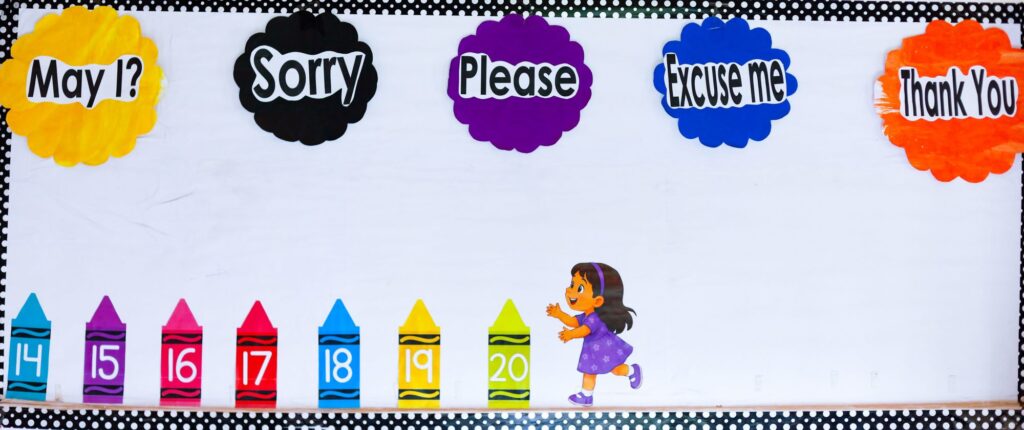
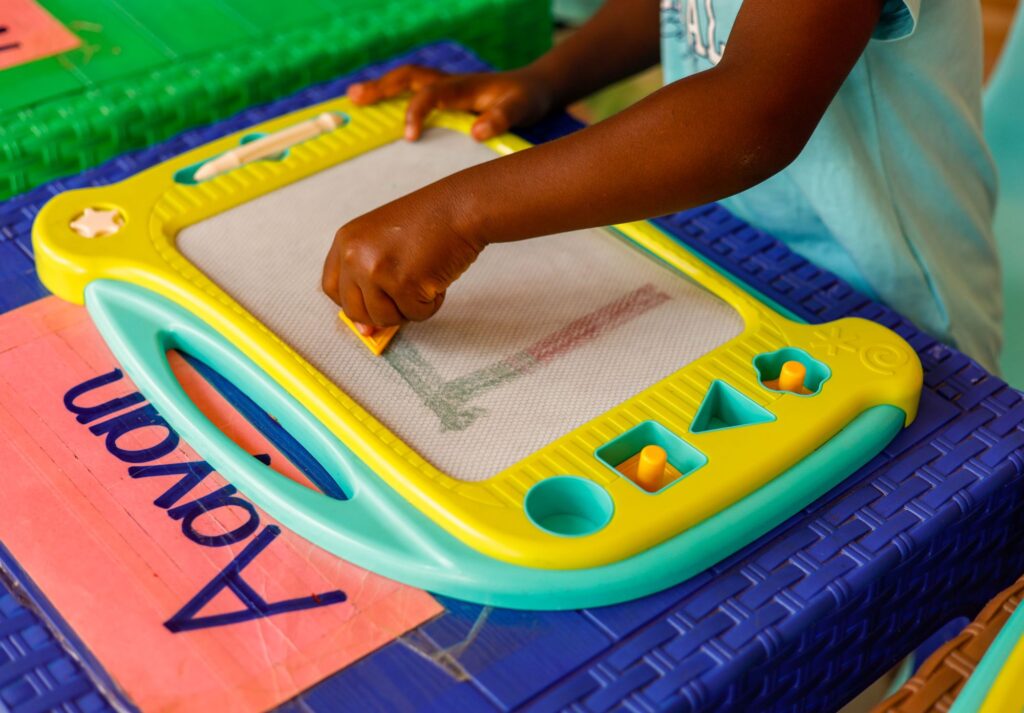
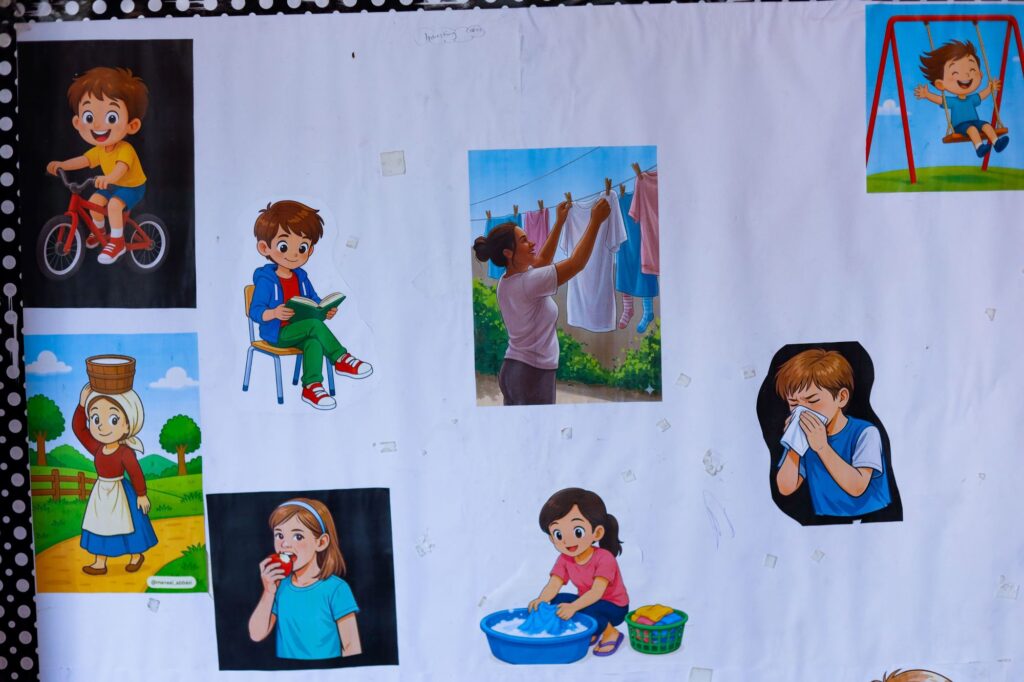 The HomeSchool Haven does not simply connect children with teachers.
Julia says the organisation also provides consultation and classroom learning materials to help families create structured learning environments.
Educational materials are particularly important for younger children, who often learn through a combination of books, practical activities, play and other instructional resources
For a homeschooling family, therefore, the home has to become more than a place where a child sits with a book.
It needs to become a safe, organised and stimulating learning environment.
THE COST OF BRINGING SCHOOL HOME
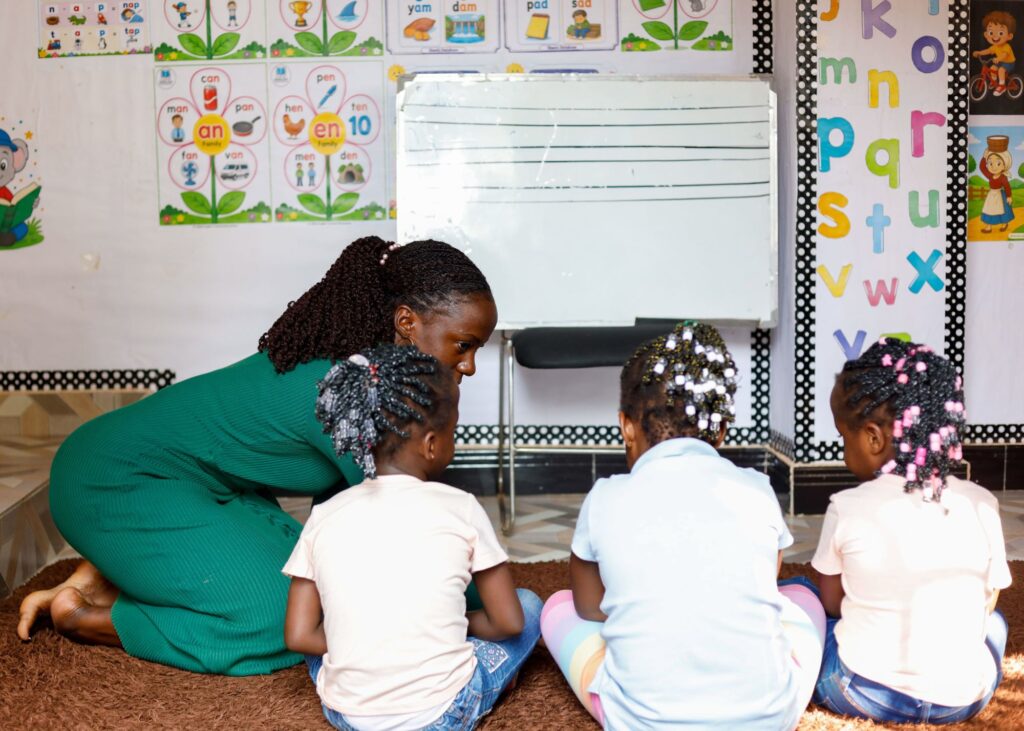
Homeschooling may remove some conventional school expenses, but Julia warns parents not to assume that it is automatically cheap.
«“It is not cheap,” she says.»
Families may need to invest in books, learning materials, furniture, technology, internet access and a suitable learning space.
Parents who want professional one on one teaching may also need to pay teachers or tutors.
A dedicated room or quiet space can help a child concentrate, while educational technology can provide access to additional learning resources.
In other words, homeschooling does not eliminate the cost of education.
It can instead move part of that cost from the school to the home.
THE VALUE OF ONE ON ONE TEACHING
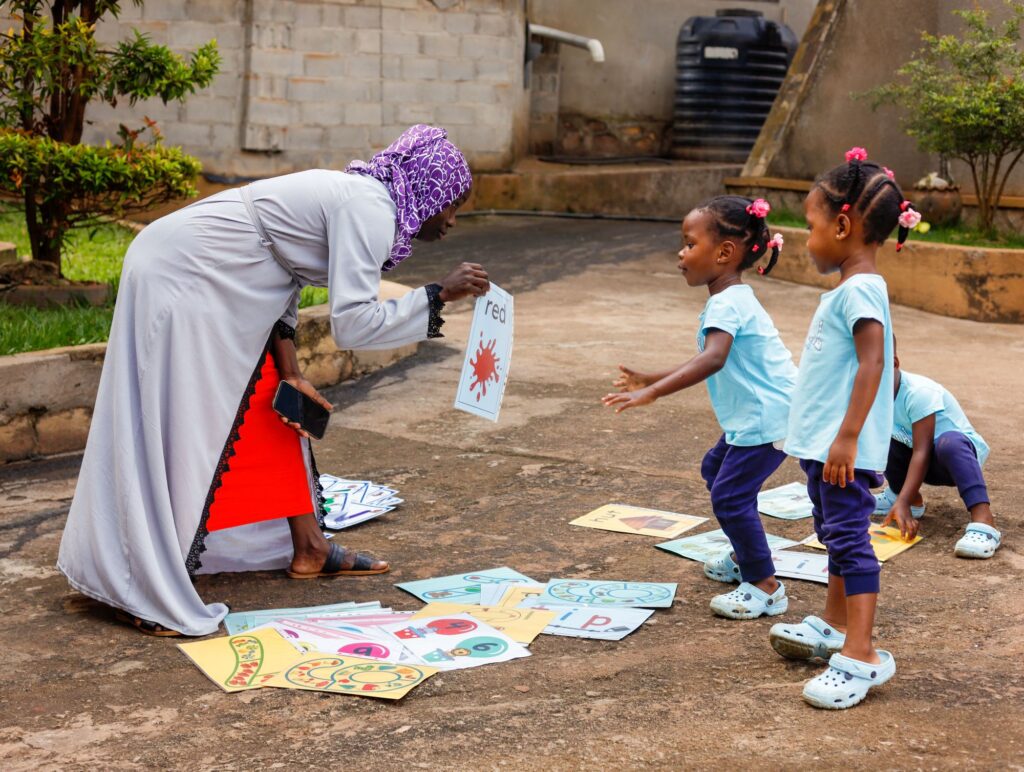
For families able to afford it, personalised teaching can be one of homeschooling’s biggest attractions.
A teacher working closely with one learner can observe progress, identify difficulties and adapt lessons accordingly.
Julia says parents who want one on one teaching can access it through homeschooling, but it requires commitment from both the family and the teacher.
It requires time, planning, resources and regular assessment.
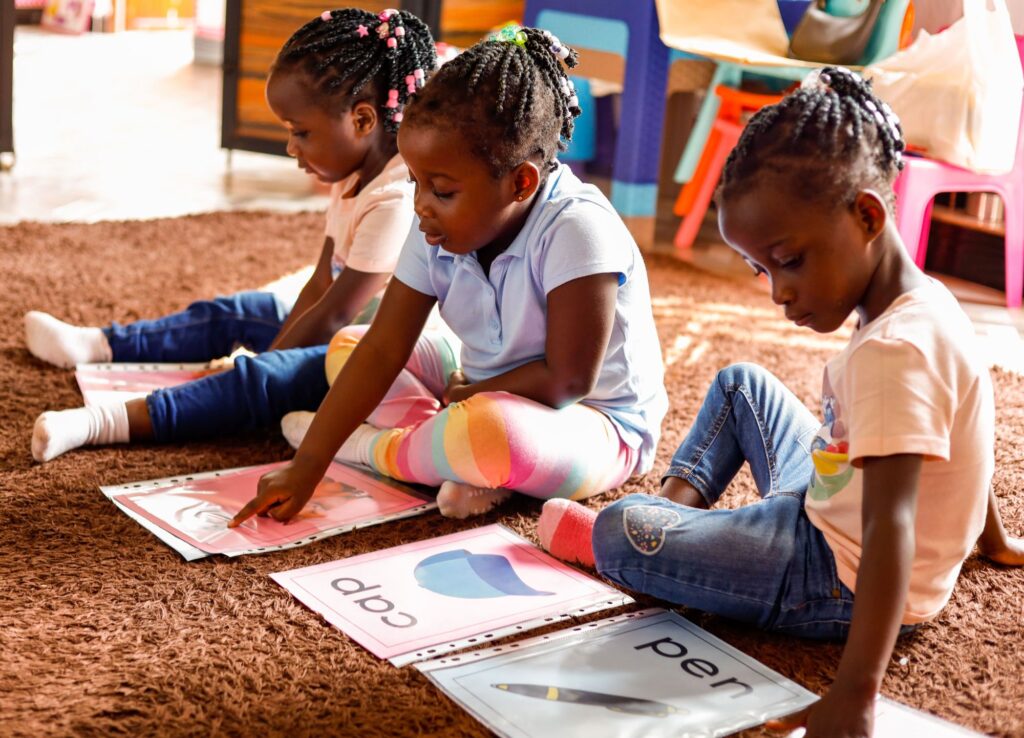
The NCDC’s research similarly points to parental involvement and assessment as important elements of successful homeschooling.
A POLICY STILL TAKING SHAPE
Uganda’s education laws establish primary education as universal and compulsory and place responsibilities on parents concerning school-age children. At the same time, the legal framework provides for alternative approaches to basic education in certain circumstances.
However, Uganda does not yet have a comprehensive homeschooling framework that clearly answers every question surrounding registration, assessment, curriculum, progression and recognition of independent home education.
That makes the NCDC’s 2025 homeschooling research significant.
Among the recommendations are clearer guidelines for homeschooling parents, learning resources, assessment, support for learners with special educational needs and pathways into further education.
The question now is how government will translate those recommendations into a practical and workable framework.
FROM ONE FAMILY TO TWELVE
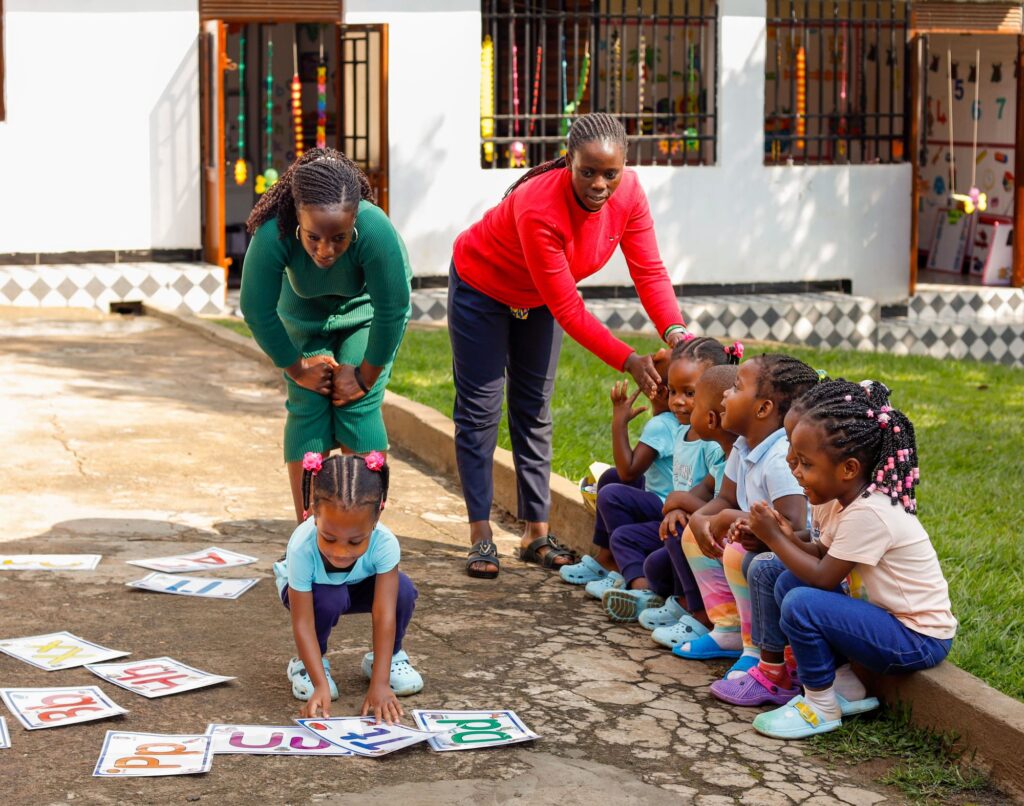
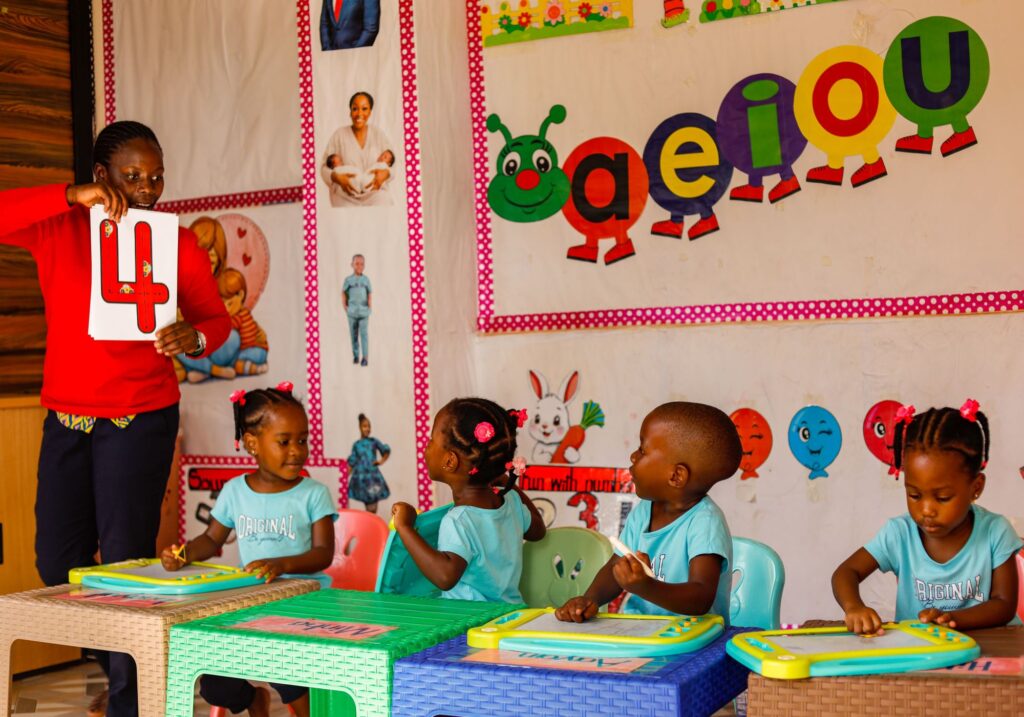
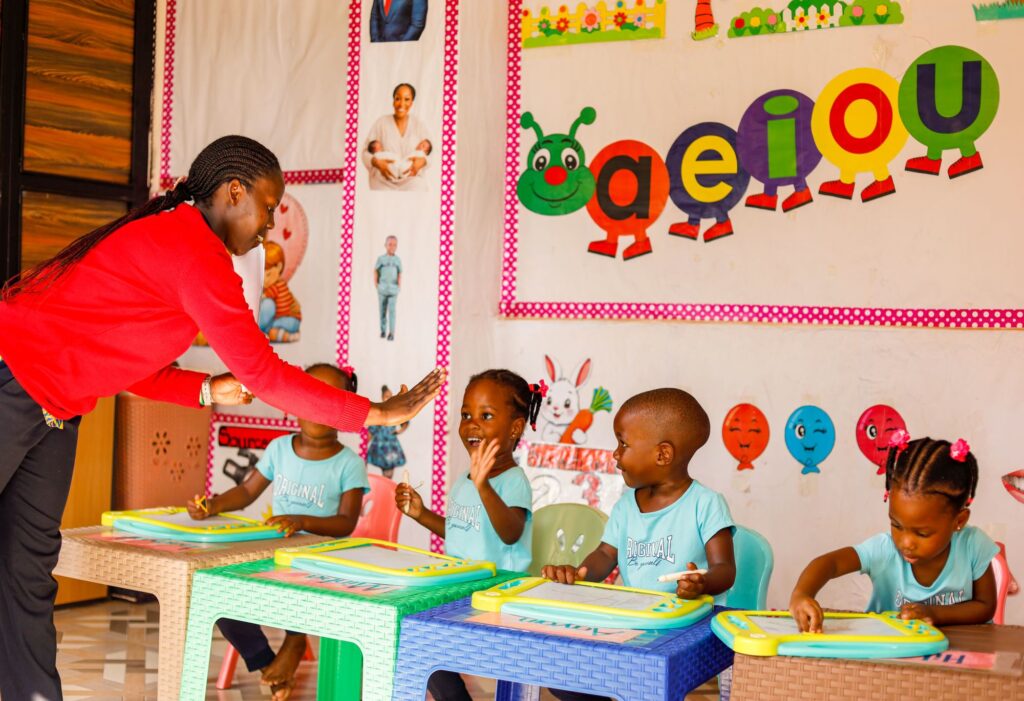 Julia’s journey illustrates how a small response to a national crisis can evolve into a longer-term education service.
From one family in 2021 to 12 families today, supported by eight professional teachers, The HomeSchool Haven reflects the growing interest among some Kampala families in alternative approaches to education.
With her 15 years of ECD experience, Julia says her goal is to help families create structured learning environments where children can receive the attention and support they need.
Her experience also raises a bigger question for Uganda:
 If education can successfully happen inside the home, how should the country recognise, regulate and support it while protecting every child’s right to quality education?
For now, the answer remains under discussion.
But for the families working with Julia, one thing is already clear:
The classroom does not always have to be behind a school gate. Sometimes, it begins at home.
THE HOMESCHOOL HAVEN AT A GLANCE
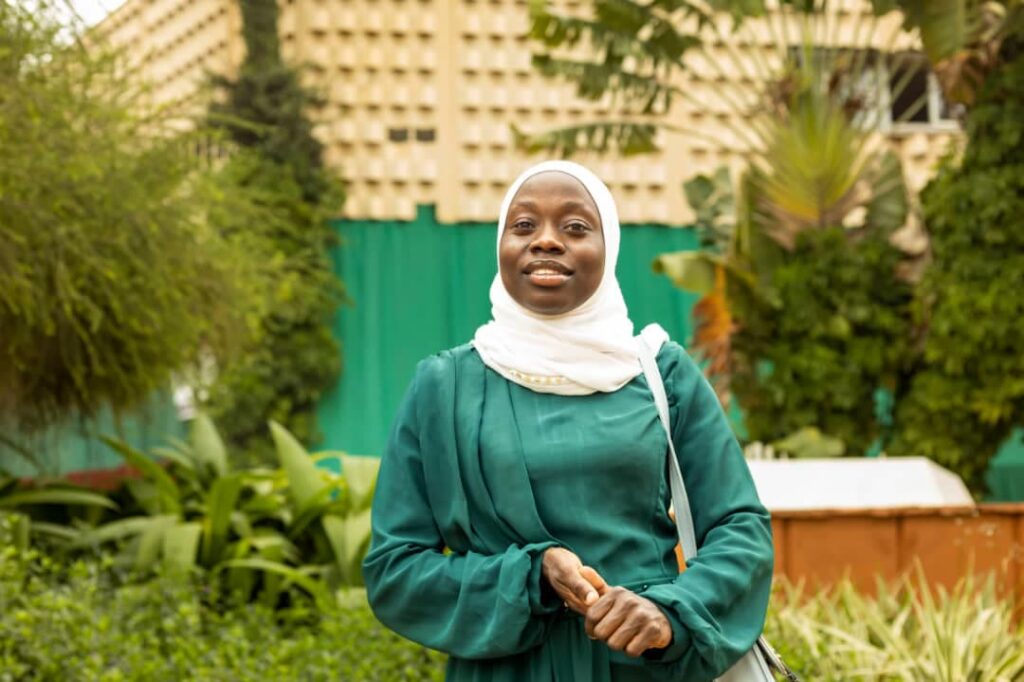
CEO: Nabakka Jalia
Profession: ECD Teacher & Homeschooling Consultant
Services: Homeschooling, consultation and classroom/learning materials
Contact: +256 708 588 457
Organisation: The HomeSchool Haven
This post was created with our nice and easy submission form. Create your post!

Did this story move you? Every gift goes directly to Ahmed Didaati — writers on Muwado earn from reader appreciation, not algorithms. Even $1 makes a difference.






Muwado weekly chart
Get Africa’s top 10 stories every Thursday
No account needed — just your email.
Want to follow Ahmed Didaati and get notified every time they publish?
Create a free Muwado account →