

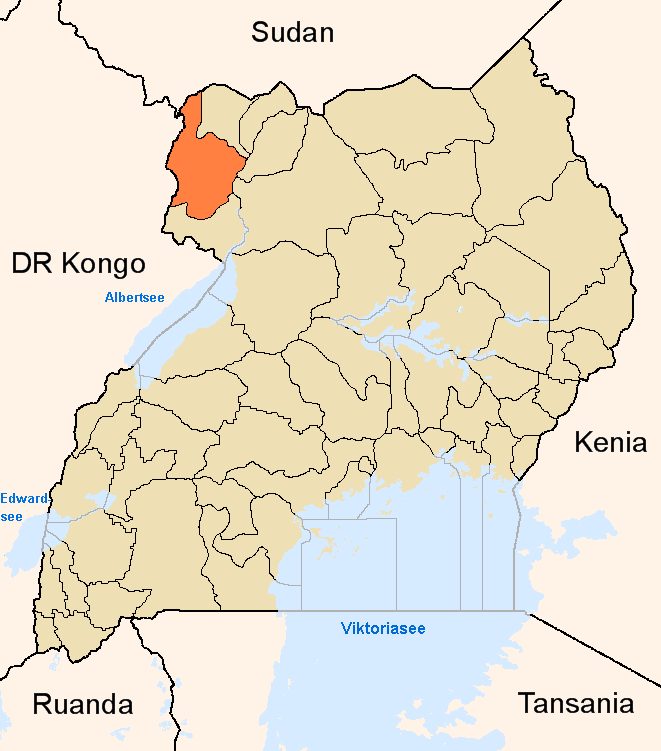
 A'ita Jaffer Joel

The direction the world is taking is becoming increasingly worrying, and as leaders, we must pay serious attention to the changing expectations of our people.
Social media, smartphones and instant access to information have fundamentally changed society. Citizens today are more informed than ever before. They understand their rights and can see, in real time, how other regions of Uganda, Africa and the world are progressing.
A young person anywhere in West Nile can see industries being built elsewhere, cities developing, young people getting jobs, businesses growing and infrastructure transforming communities. We can no longer assume that our people do not know what is happening elsewhere.
As political, business, cultural, religious, social and academic leaders in West Nile, we must raise our game.
The poorer people become, the greater the frustration, hopelessness and bitterness—especially among young people who are educated, connected and ambitious but cannot find meaningful opportunities.
Our priority must therefore be jobs, jobs and more jobs.
We must deliberately attract industries into West Nile and support manufacturing, agro-processing, commercial agriculture, tourism, technology, construction and other productive sectors. We must improve infrastructure, electricity, roads, internet connectivity, skills development and access to finance.
Government alone cannot do this. Business leaders must invest. Political leaders must create an enabling environment. Universities must produce relevant skills and innovation. Religious and cultural leaders must mobilise communities towards productivity. Our diaspora must bring back knowledge, networks and capital.
The era when people’s minds could simply be played with politically is coming to an end. People can now see. They can compare. They can ask questions. They can see which regions are attracting industries, infrastructure and investment.
Our young people are not asking for sympathy. They are asking for opportunity.
We therefore need a new development agenda for West Nile—one that rises above politics, tribes, districts, personalities and individual interests.
The question every leader should ask is:
What am I doing to create opportunities for the next generation of West Nile?
The world has changed. Our people have changed. Their expectations have changed. Our leadership must change too.
However, Violence must be condemned with the highest level.
The greatest legacy we can leave behind is not the positions we occupied, but the opportunities we created for those who came after us.
This post was created with our nice and easy submission form. Create your post!

Written by
An Infrastructure Consultant, Entrepreneur and Motivational Speaker. CEO Joadah Consult
Did this story move you? Every gift goes directly to A'ita Jaffer Joel — writers on Muwado earn from reader appreciation, not algorithms. Even $1 makes a difference.





Muwado weekly chart
Get Africa’s top 10 stories every Thursday
No account needed — just your email.
Want to follow A'ita Jaffer Joel and get notified every time they publish?
Create a free Muwado account →