
 Jackee Batanda
I have learnt to tell within 15 minutes whether a partnership is worth pursuing. It’s not because I am a mind reader. After 11 years of building partnerships across NGOs, the private sector, academia, and donor spaces, I have learned what to look for early on.
I used to take many “exploratory calls” that felt productive and went absolutely nowhere. My partnerships outreach checklist had many meetings registered, but few tangible results.
Now I run a quick 5-question check in the first conversation. It’s not perfect, but it’s accurate enough to save serious time and pursue meaningful partnerships. Here’s my
15-minute partnership audit:
1) Do they ask questions – or just pitch?
If the first 10 minutes are them talking at you, that’s data.
Strong partners are curious. They want to understand your goals, constraints, and what “fit” actually looks like – not just sell you their agenda.
2) Do they talk like it’s “we” or “you can help us”?
Language gives away intent. If it’s all “we need you to…” or “you could do this for us…,” that’s not a partnership conversation. That’s a service request (which is fine – just call it what it is).
3) Do they get specific about timelines + accountability?
Vague partnerships stay vague. If someone says “let’s collaborate” but can’t answer:
When? On what? With what resources? Measured how? They are not ready yet.
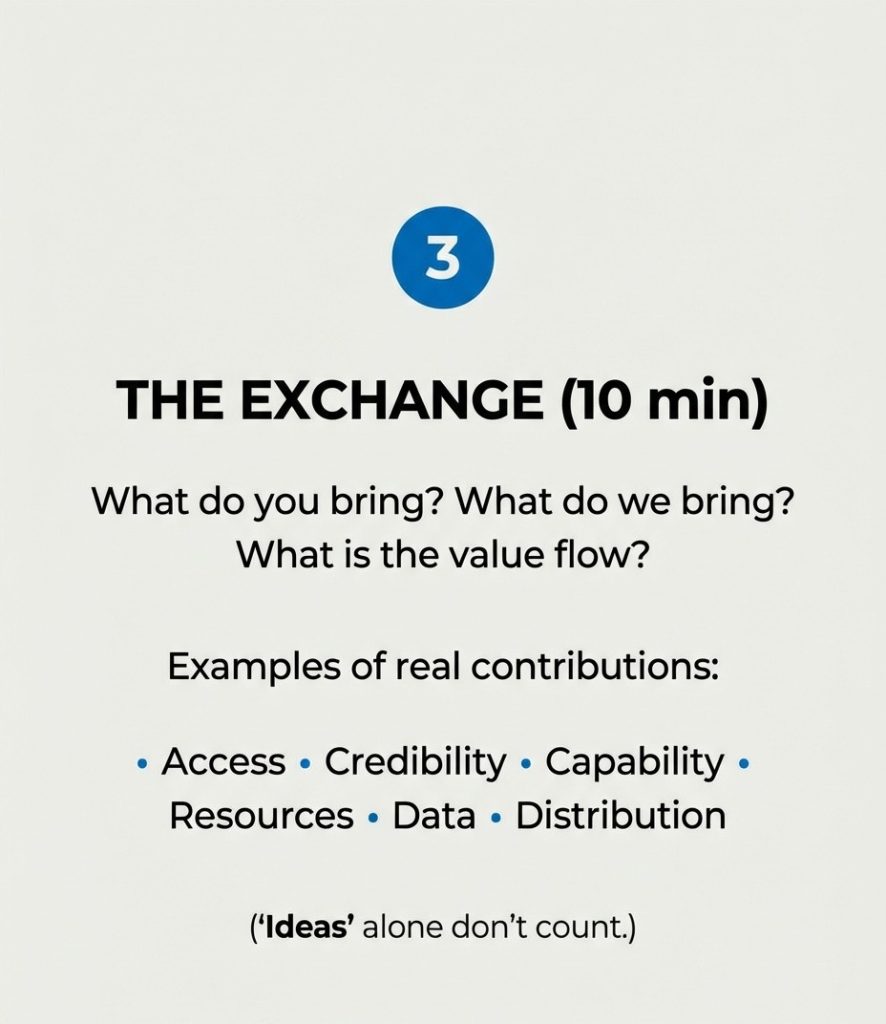
4) Can they clearly name what they bring?
Partnership is an exchange. And “ideas” don’t count as a contribution on their own.
Value can be: network access, credibility, technical capacity, distribution, data, co-funding, in-kind support – whatever it is, it needs to be clear.
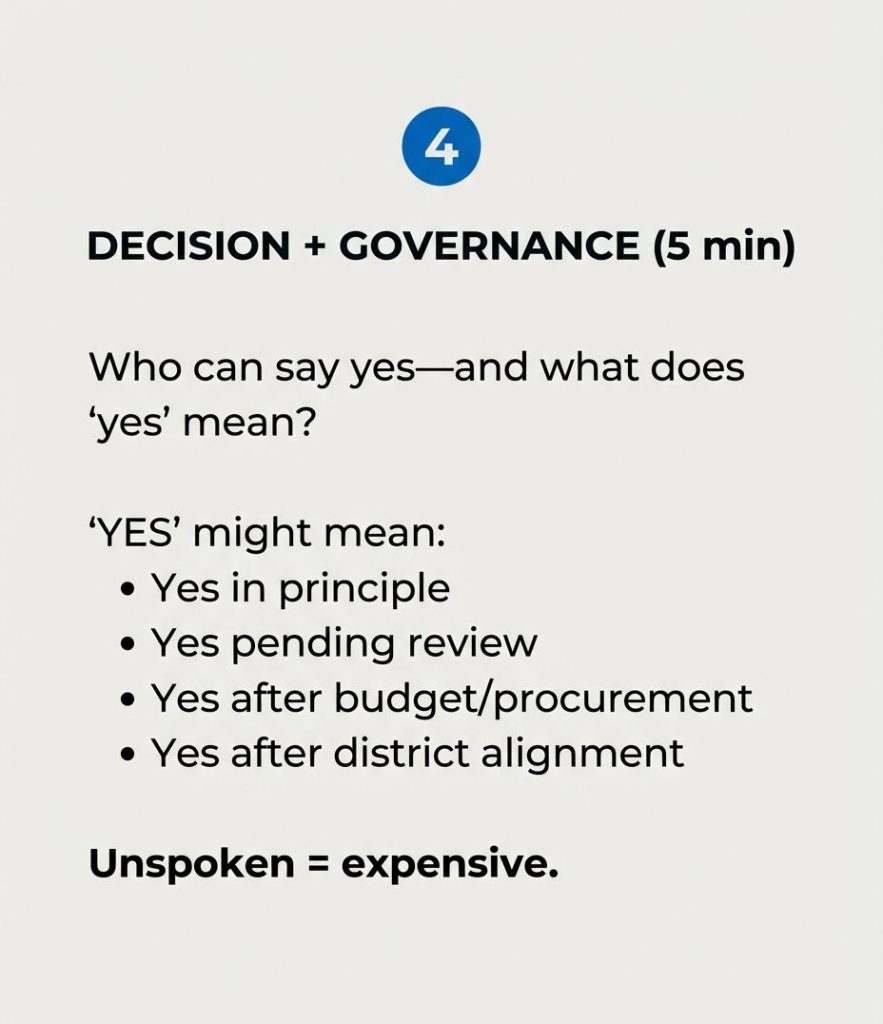
5) Do they have decision-making power, or are they a messenger?
This one saves months. If every decision has to be “taken back to the team,” you’re not talking to the partner; you are talking to a liaison. Again: not bad, just important to know early so you don’t stall out.
If 3 or more of these are missing in the first conversation, I pause. Partnership clarity should start in conversation one, not conversation five.
I have learned this the hard way: If you ignore red flags early, they don’t disappear. They just get expensive.
Most partnerships die in the “let’s stay in touch” phase.
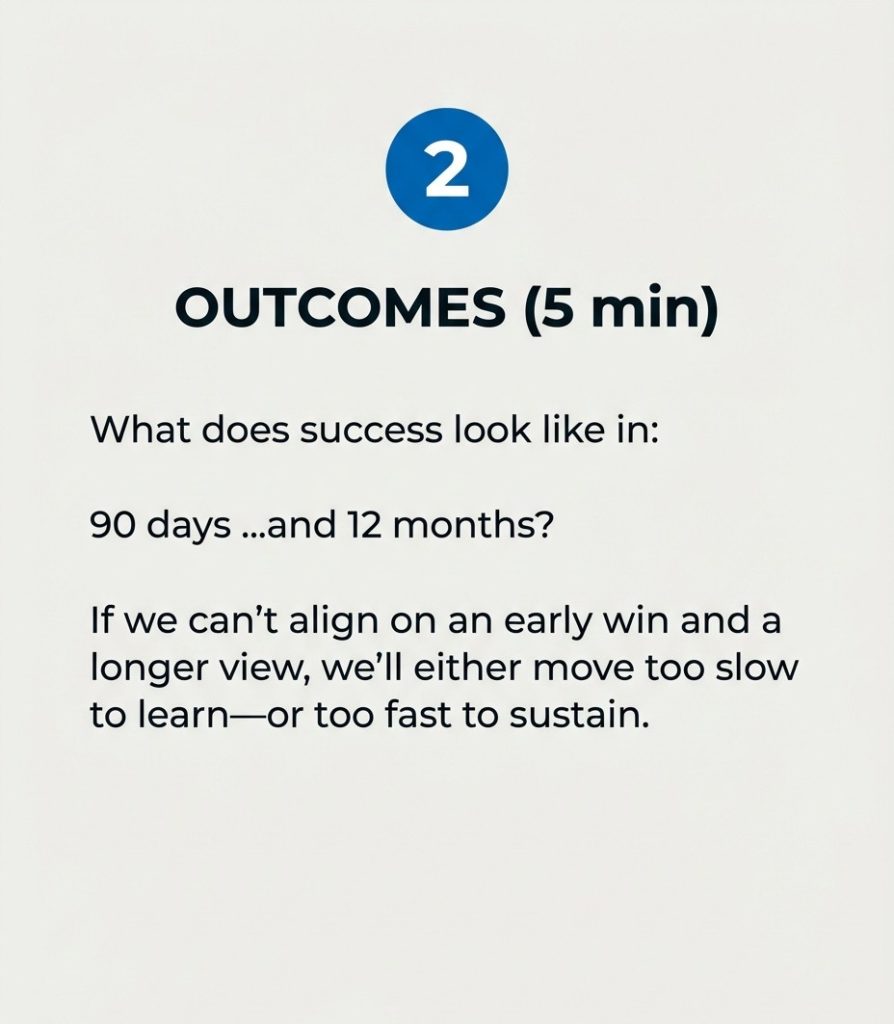
After hundreds of partnership conversations, I’ve learned this: momentum is the real test. If a partnership idea can’t survive 30 minutes of structured clarity, it probably won’t survive 6 months of execution complexity.
So I built a filter:
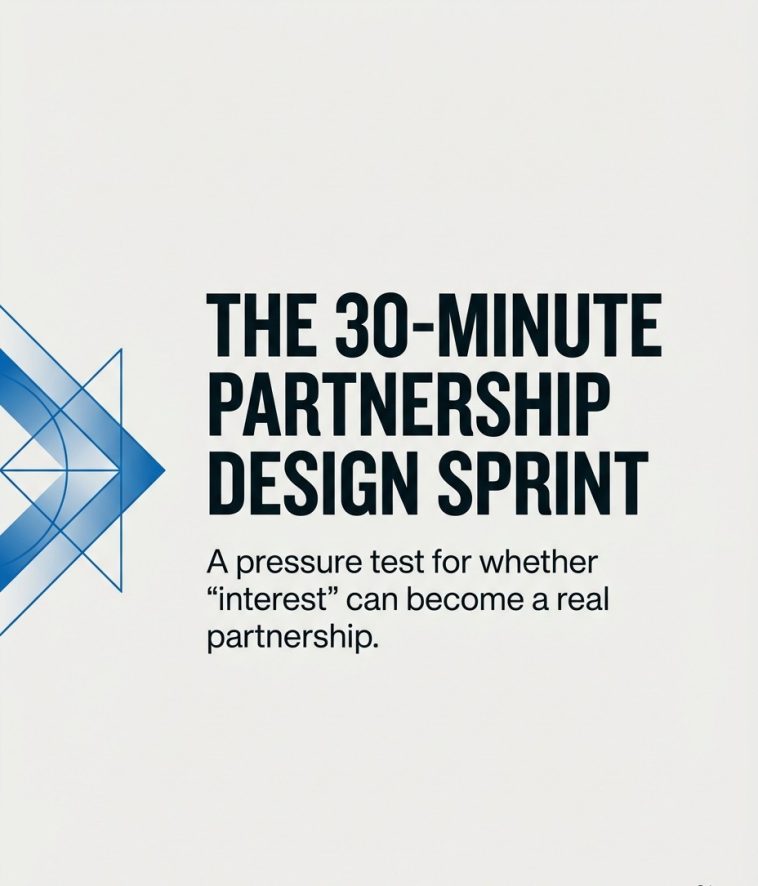
The 30-Minute Partnership Design Sprint.
It’s not a pitch meeting. It’s not a brainstorm.
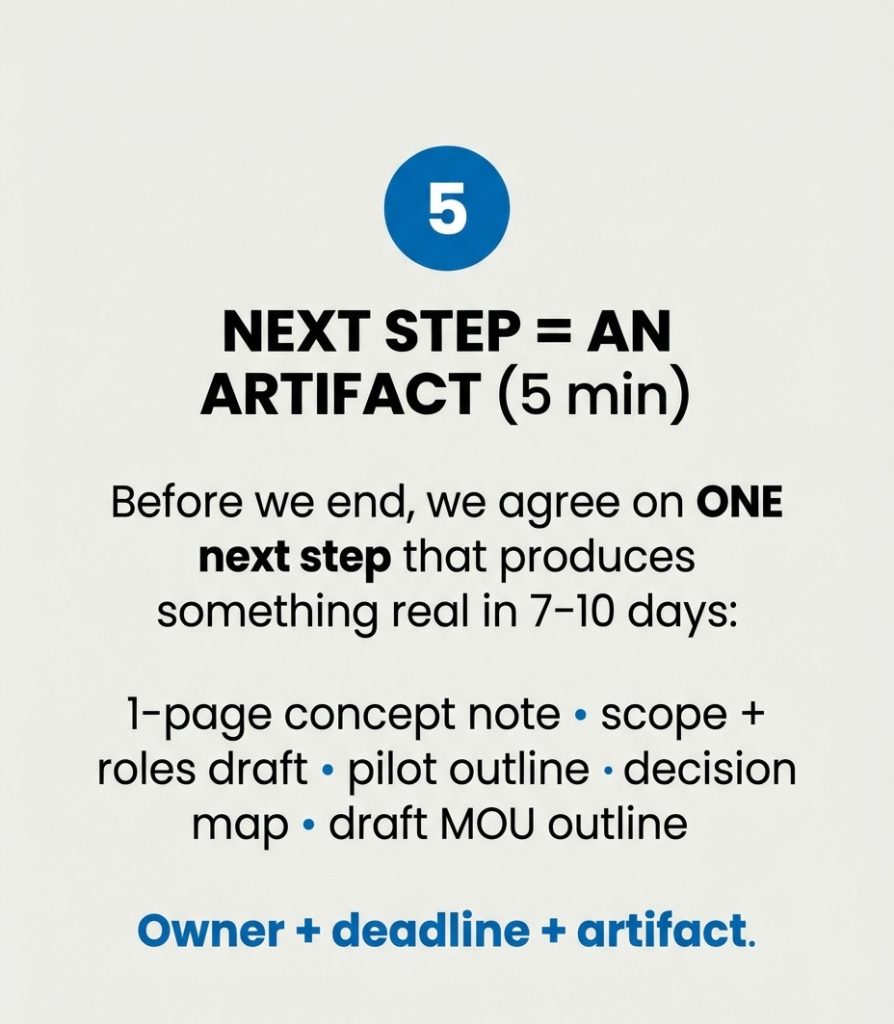
It’s a pressure test that turns “this sounds interesting” into “here’s exactly what we’re doing next.”
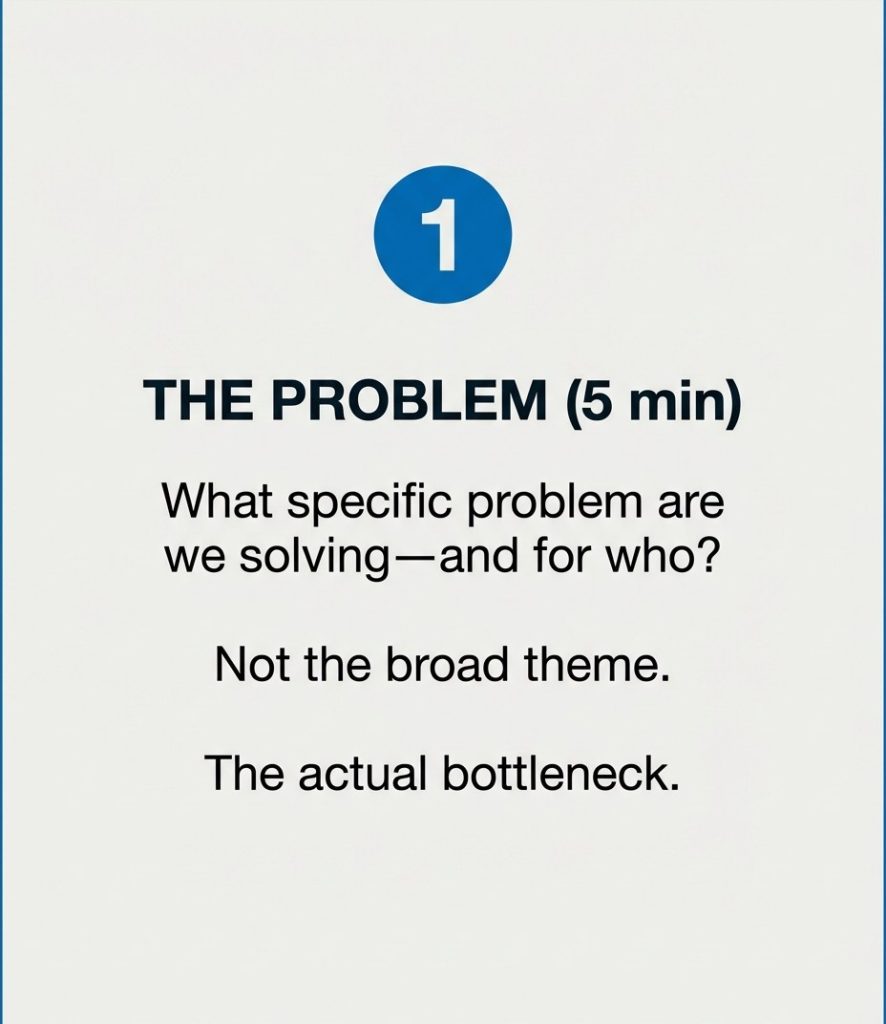
Five questions. Thirty minutes. One artifact at the end.
And if you’ve ever had a promising partnership conversation disappear into calendar limbo – you know why this matters.
Curious – what’s your biggest partnership red flag?
What’s YOUR filter before you commit to a second partnership meeting?
Drop it in the comments. And if you want the copy-paste template I use to run these sprints, comment “SPRINT” and I’ll send it your way.
This post was created with our nice and easy submission form. Create your post!

Written by
Strategic Partnerships Architect | Author | Book Writing Mentor Executive Story Consultant | Editor
Did this story move you? Every gift goes directly to Jackee Batanda — writers on Muwado earn from reader appreciation, not algorithms. Even $1 makes a difference.


Muwado weekly chart
Get Africa’s top 10 stories every Thursday
No account needed — just your email.
Want to follow Jackee Batanda and get notified every time they publish?
Create a free Muwado account →