

 Shadreck Chikoti

In Malawi, art is often seen as a means to an end, a way to survive in a society where economic opportunities are scarce. Many artists, musicians, visual artists, dramatists, comedians, and social influencers, create work that caters to the masses, prioritizing popularity and financial gain over creative expression. This phenomenon has led to a culture of “people-pleasing” art, where artists shy away from challenging societal norms or exploring complex themes.
As a result, Malawian art often reflects the status quo, reinforcing existing power structures and social attitudes. It becomes didactic, preachy, and overly utilitarian, lacking the boldness and nuance that true artistry demands. The pressure to conform is immense, and artists risk alienating their audience and losing their livelihood if they dare to be different.
This raises important questions about the role of art in Malawian society. Shouldn’t art be a space for critique, experimentation, and growth? Shouldn’t it challenge our assumptions and push boundaries, rather than simply mirroring our biases? The problem is that, in Malawi, art is often trapped in a cycle of survival, where creativity is sacrificed at the altar of economic necessity.
The consequences are far-reaching. Art that fails to challenge or provoke is art that reinforces the existing power dynamics, perpetuating injustices and inequalities. It becomes a tool for oppression, rather than a force for liberation. As Audre Lorde once said, “Poetry is not a luxury. It is a necessity.” But what happens when that necessity is reduced to a mere commodity?
To break this cycle, Malawian artists must reclaim their creative freedom. They must prioritize their vision, even if it means sacrificing short-term gains. They must create art that is uncomfortable, that challenges, and that inspires not merely for its own sake, but for its essence. Only then can art in Malawi truly flourish, becoming a powerful force for social change and self-expression.
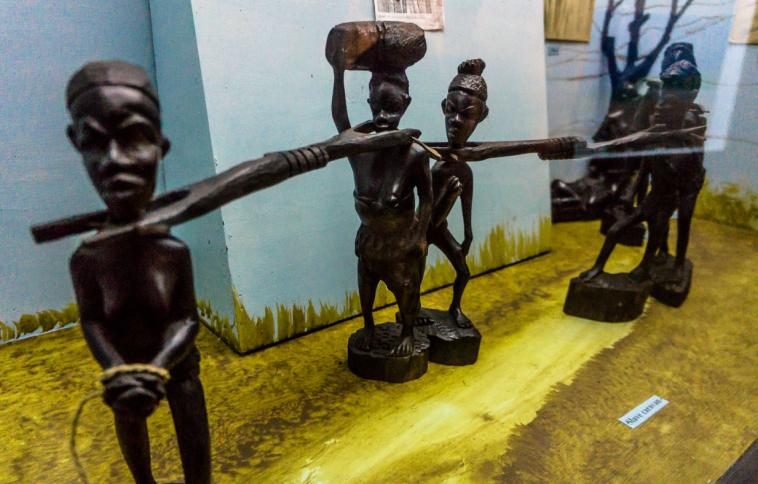
Img: TimCowley
This post was created with our nice and easy submission form. Create your post!

Written by
Did this story move you? Every gift goes directly to Shadreck Chikoti — writers on Muwado earn from reader appreciation, not algorithms. Even $1 makes a difference.


Muwado weekly chart
Get Africa’s top 10 stories every Thursday
No account needed — just your email.
Want to follow Shadreck Chikoti and get notified every time they publish?
Create a free Muwado account →