

 Caesar Obong Ng'bong ocen

Prev: General O: The Checkmate
Okello lay in the hospital bed, surrounded by blue-white walls, wide windows, and a floor streaked with muted red—an unspoken reminder of battles fought in silence. Pale, skinny nurses moved efficiently, their steps measured, their presence detached. Doctors, speaking through nasal monotones, examined him with clinical precision, yet he allowed it. Amid the antiseptic hum of machines, a subtle thread of possibility took root: faith.
Reverend T.D. Jackson of Alive Ministries International entered quietly, carrying calm authority. His words, deliberate and measured, spoke of forgiveness, courage, and the will to do better in the days ahead. Okello’s heart, heavy with years of war, politics, and personal omissions, listened. Slowly, the door opened further, and his children entered. Each step was familiar, each movement deliberate. His son knelt, his daughter followed, and his wife lowered herself in prayer. In that room, amidst machines and sterile walls, Okello realized life had offered him a second chance—not only to live but to serve and protect in the eyes of God, despite the weight of unspoken histories.
Days passed, and his health improved miraculously. The once cancerous general found in faith not just solace, but clarity. He devoured the Bible, studied the Qur’an, and absorbed wisdom from scholars. He became a “general” in the eyes of the Lord, yet the weight of past decisions—the missions, the alliances, the silences—still lingered at the edge of light.
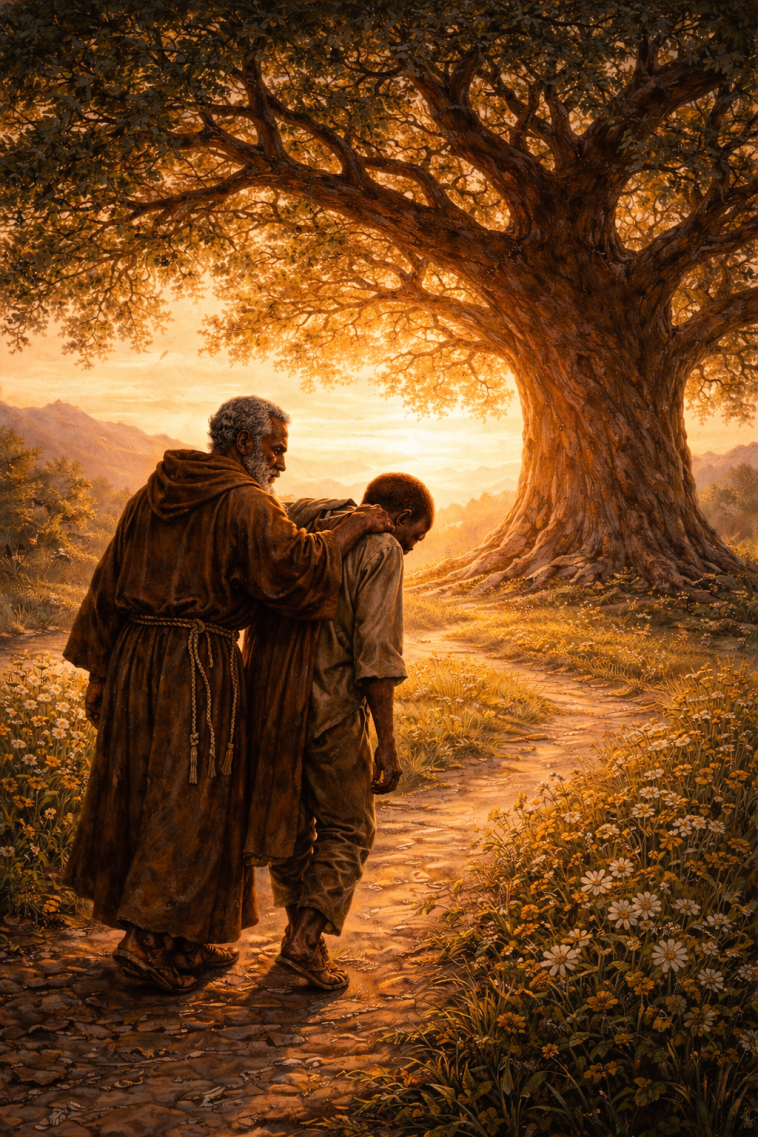
Visions visited him. One, of his grandfather beneath the setting sun by the great Mvule tree, beckoned him forward. Okello’s feet felt heavy with the burden of omissions and consequences. He awoke to the sterile hospital walls, realizing redemption was a process, not a single moment.
Above the clouds, aboard a jet at ten thousand feet, the old soldier’s instincts reawakened. The pen-and-notebook reflex—long used for intelligence and strategy—returned. This time, it was not scripture he recorded, but messages hidden in the blinking of wing lights. Every pulse, every flash was a code. Without hesitation, Okello deciphered them, identifying the plane’s exact location. Then, a blinking light appeared on the ground: his former division headquarters. Retired? The lights said otherwise.
A message flickered repeatedly: “Te__ 7ra train arrive.” Fragmented, cryptic, deliberate. Yet to Okello, it carried meaning. Something, or someone, was signaling across distances only an intelligence-trained mind could recognize. Even above the clouds, he understood that the past he believed left behind was far from over.
Below, Entebbe International Airport glimmered like distant constellations. Yet the closer he came to home, the more it felt like exile. Soldier, politician, pastor—would they honor him as a hero, or dismiss him as opportunist? Memories of battles, alliances, and silent sacrifices weighed heavily. The applause of the faithful he had served abroad seemed distant compared to the silent scrutiny awaiting him on familiar soil. Returning home was not merely landing—it was confronting judgment, perception, and the echoes of omissions left unspoken.
As the jet taxied toward the terminal, Okello’s focus shifted to the building room, a space both familiar and charged with memory. Its walls and corners whispered of decisions made in shadows, promises kept, and secrets tucked away. Here, he would confront not only the echoes of the past but the opportunities of the present—a new battlefield, smaller than a field, yet infinitely more complex: the rooms of human hearts, minds, and conscience.
Even now, Okello knew: redemption was not only survival, not only faith, but the conscious act of living with truth, confronting omissions, and serving wherever one could. And with that understanding, the journey had truly begun.
This post was created with our nice and easy submission form. Create your post!

Written by
Caesar Obong Ng'bong Ocen is a Ugandan writer whose work traverses narrative fiction, cultural memory, and moral inquiry. Drawing on African cosmologies, and reflective storytelling, his writing engages with issues of power, identity, faith, and the human condition within post‑conflict societies. His series blends political realism with interior psychological struggle, articulating the tensions between duty and conscience, tradition and modernity, exile, redemption. Obong Ng'bong's work bridges literary and social worlds: it interrogates African historical and political realities while exploring philosophical and ethical questions that resonate across disciplines. His narratives are grounded in cultural authenticity and moral depth, making them relevant to both literary and humanistic inquiry. He also mentors emerging writers and contributes to dialogue on African storytelling traditions and their place in contemporary literature.
Did this story move you? Every gift goes directly to Caesar Obong Ng'bong ocen — writers on Muwado earn from reader appreciation, not algorithms. Even $1 makes a difference.






Next: https://muwado.com/general-o-a-mole-amidst-gods-men/