

 Oweyegha Afunaduula

Introduction
As Uganda approaches the 2026 Presidential and General Elections, concerns are growing about a troubling trend: the potential use of cloud system integration in electoral fraud, which could accelerate democratic backsliding. Allegations suggest the NRM regime is preparing agents, reportedly trained in Nairobi under the Uganda Electoral Capacity Building Project, to exploit technology for electoral gain. This article explores what cloud system integration entails, how it might fuel democratic erosion, and why safeguards are critical.
What is Democratic Backsliding?
Democratic backsliding refers to the gradual undermining of democratic institutions, norms, and practices, often through legal or quasi-legal means. It involves the erosion of checks and balances, suppression of opposition, and manipulation of electoral processes to consolidate power. In Uganda, signs of democratic backsliding include restrictions on freedoms, weakened accountability, and increasingly opaque governance. Recent examples include the heavy militarization of opposition leader Kyagulanyi Ssentamu’s campaign trail, with reports of his supporters being tortured and maimed, raising alarms about shrinking political space.
What is Cloud System Integration?
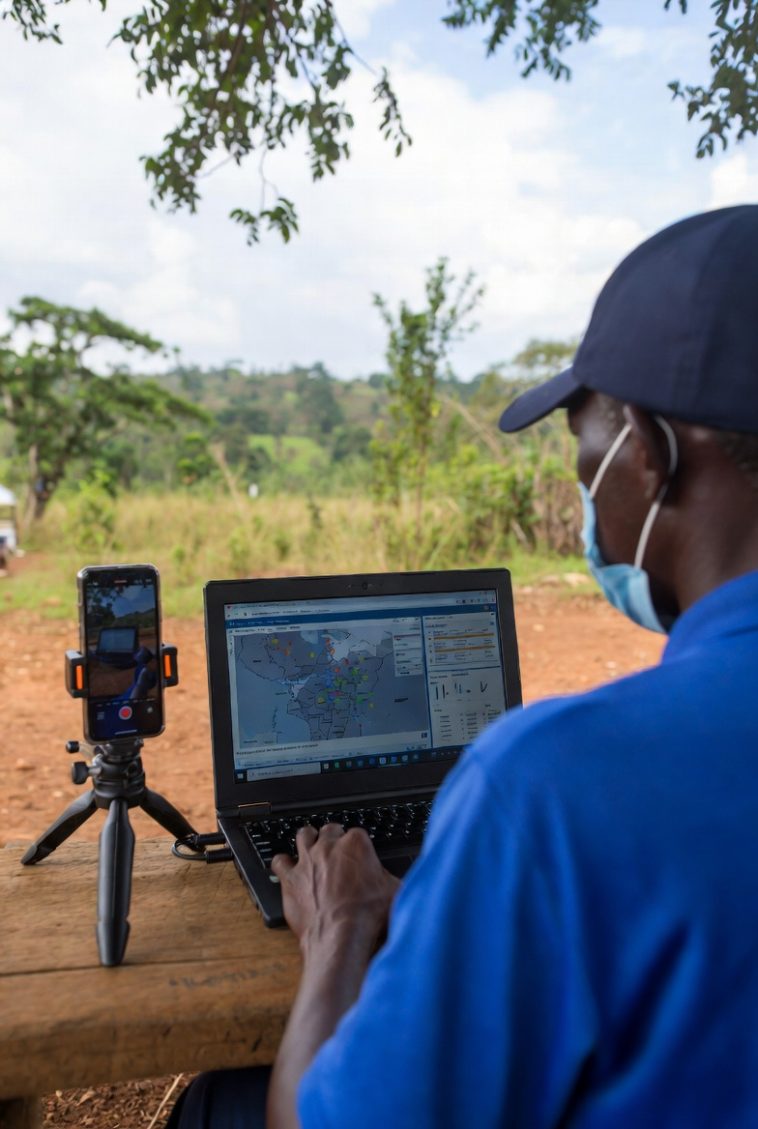
Cloud system integration connects disparate IT systems over the internet to streamline data exchange and processes. In elections, this could mean real-time vote tracking or centralized result management. While promising efficiency, it also opens doors to risks like unauthorized access, data manipulation, or cyber-attacks if safeguards are weak.
Uganda’s Electoral Tech Plans: A Double-Edged Sword?
The Electoral Commission is introducing biometric voter verification kits (BVVKs) for 2026, using fingerprints and facial recognition. Proponents see this as a step toward transparency, but the technology isn’t foolproof. Biometrics can be vulnerable to spoofing, data errors, or exclusion of legitimate voters with worn-out fingerprints—a weakness that could be attractive to those seeking to manipulate outcomes. Critics worry: what if the system extends to cloud-based vote processing? The Office of the National Chairman (ONC)’s “Vote Protection System,” designed to monitor polling stations, has amplified fears of potential misuse. Are we safeguarding votes—or controlling them?
Allegations of Preparing for Rigging
Reports suggest agents were trained in Nairobi to handle advanced systems, sparking fears of a centralized rigging mechanism. Without clear oversight, cloud integration could enable altering results in real-time, disenfranchising voters in opposition strongholds under the guise of “technical glitches.” This risks deepening democratic backsliding by normalizing electoral manipulation.
Key Risks and Implications
Let me summarize hereunder the key risks and implications
– Undermining Trust:
Perceived fraud could spark unrest, weakening democratic legitimacy of the NRM regime
– Suppression of Opposition:
“Technical issues” could block votes in critical areas, particularly those perceived to be strongly pro-Opposition.
– Erosion of Accountability:
Centralized control risks adjustments without audit trails.
– Cyber Threats:
Cloud systems are vulnerable to hacking, compromising results.
Safeguarding Uganda’s Democracy
To counter these risks:
– Demand Transparency:
Involve independent observers, opposition parties, and civil society in audits.
– Fortify Security:
Use end-to-end encryption, offline backups, and multi-factor authentication.
– Educate Voters:
Ensure citizens know their rights and how systems work.
– Strengthen Laws:
Define strict rules for tech use in elections, with penalties for breaches.
Conclusion
Technology in elections can be a leap forward – but only if it serves democracy, not undermines it. Uganda’s 2026 elections are a test of resilience against democratic backsliding. The Electoral Commission must prioritize openness, security, electoral justice and accountability to ensure the process reinforces, rather than erodes, democratic values. It is absolutely important that Uganda’s elections are de-militarize to ensure that the voters do not elect under military control and fear or even avoid going to the polls in anticipation of state violence or, for that matter, the soldiers and militarized police upon the voters, particularly in areas considering pro-Opposition. Ultimately the people to be politically-developed must trust the electoral process and participate fully in the election to chose their leaders freely. Elections should not be organized for power retention, conquest and occupation. Doing so renders them useless in the democratic development of Uganda and the citizens and blurs the fire in the interest of the rulers.If the citizens do not trust the electoral process the alternative for them rising up to protect by democracy by whatever way and means they collectively choose.
For God and My Country.
This post was created with our nice and easy submission form. Create your post!

Written by
I am a retired lecturer of zoological and environmental sciences at Makerere University. I love writing and sharing information.
Did this story move you? Every gift goes directly to Oweyegha Afunaduula — writers on Muwado earn from reader appreciation, not algorithms. Even $1 makes a difference.





Muwado weekly chart
Get Africa’s top 10 stories every Thursday
No account needed — just your email.
Want to follow Oweyegha Afunaduula and get notified every time they publish?
Create a free Muwado account →