

 Timothy Asiimwe
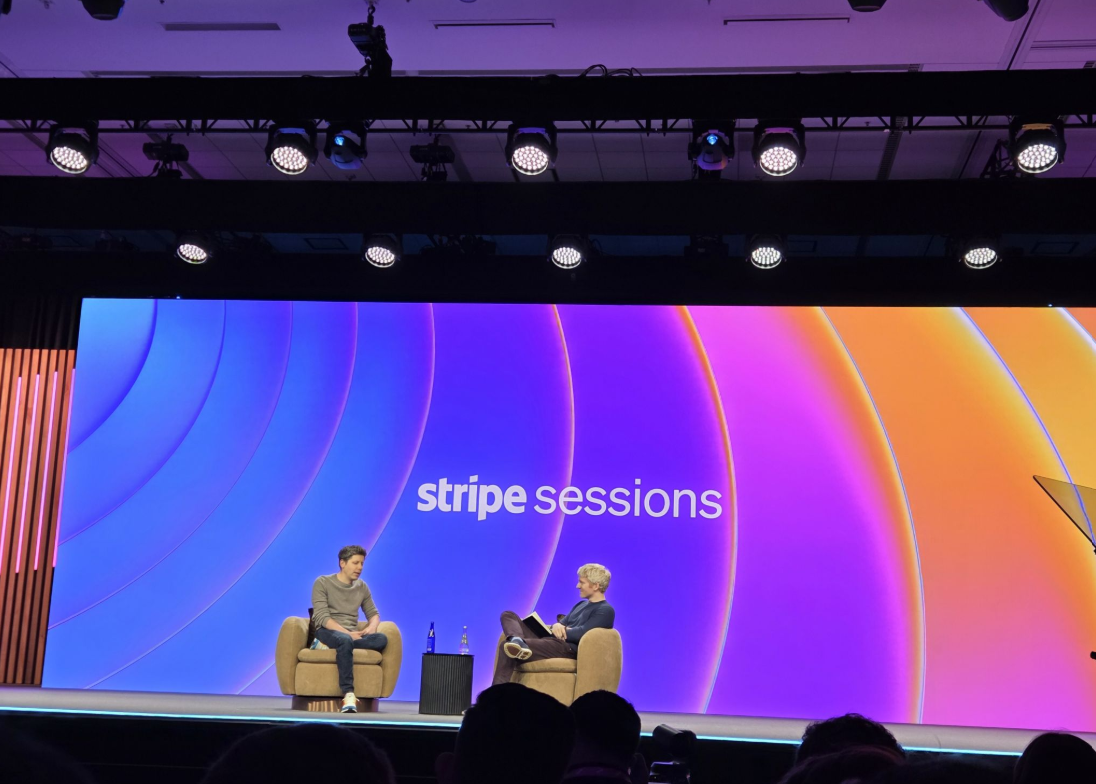
Almost two weeks back, I was at Stripe Sessions in San Francisco. A lot of charts, predictions and demos were shared. Here’s what caught my attention:
• Something fundamental changed at the start of 2026. This showed up as a near-vertical inflexion in new business formation on Stripe and usage of its CLI. There’s only one explanation of course: AI. This led Patrick & John, the Stripe co-founders, to dub Q1 2026 as “the start of the singularity”.
• For the first time ever, it’s now possible to stream payments i.e to charge minute sums by the millisecond. This is enabled by stablecoins and Tempo blockchain, and unlocks a new way to monetize inference-driven features.
• AI is upending per-seat pricing for SaaS companies. Nearly everyone is struggling with how to price inference-driven features, because power users often use way more inference/tokens than the average user.
• Agents are here to stay and will soon be spending money and Stripe’s Machine Payments Protocol (MPP) provides an open standard to enable agentic commerce.
• This is the golden age for tinkerers and “idea-men”. As Sam Altman put it: “people who deeply understand their users and can’t code at all” are now just as, if not more important than pure technical talent.
Beyond the talks, some of my favourite moments were the hallway conversations with builders and connecting with folks from Stripe, including Paul Kramer. What stood out most was how deeply Stripe seems to care about craft and beauty. Stripe Press captures that ethos so well, and I was glad to get a copy of Dwarkesh Patel’s The Scaling Era.
This post was created with our nice and easy submission form. Create your post!
Written by
Did this story move you? Every gift goes directly to Timothy Asiimwe — writers on Muwado earn from reader appreciation, not algorithms. Even $1 makes a difference.






Muwado weekly chart
Get Africa’s top 10 stories every Thursday
No account needed — just your email.
Want to follow Timothy Asiimwe and get notified every time they publish?
Create a free Muwado account →