

 Angarukamu Ronad

Uganda just got a renewed promise on science and industrialisation. Hon. Eng. Jonard Asiimwe, following his successful vetting as Minister of Science, Technology and Innovation, made a call that should excite every researcher, engineer, and manufacturer in the country- a promise to fast-track innovations from university labs, support their refinement and IP registration and scale them for industrial adoption. It aligns directly with President Museveni’s vision of a USD 500B science-led economy.
The question now is not if Uganda can get there, but how fast we close the gap between lab prototypes and factory floors.
Uganda’s strength is not lack of ideas — it’s the bottleneck between ideas and industry. Several universities and research institutions already hold breakthroughs waiting for scale.
The pattern is clear and the science exists. What we’ve lacked is speed, funding, and a policy push to force adoption.
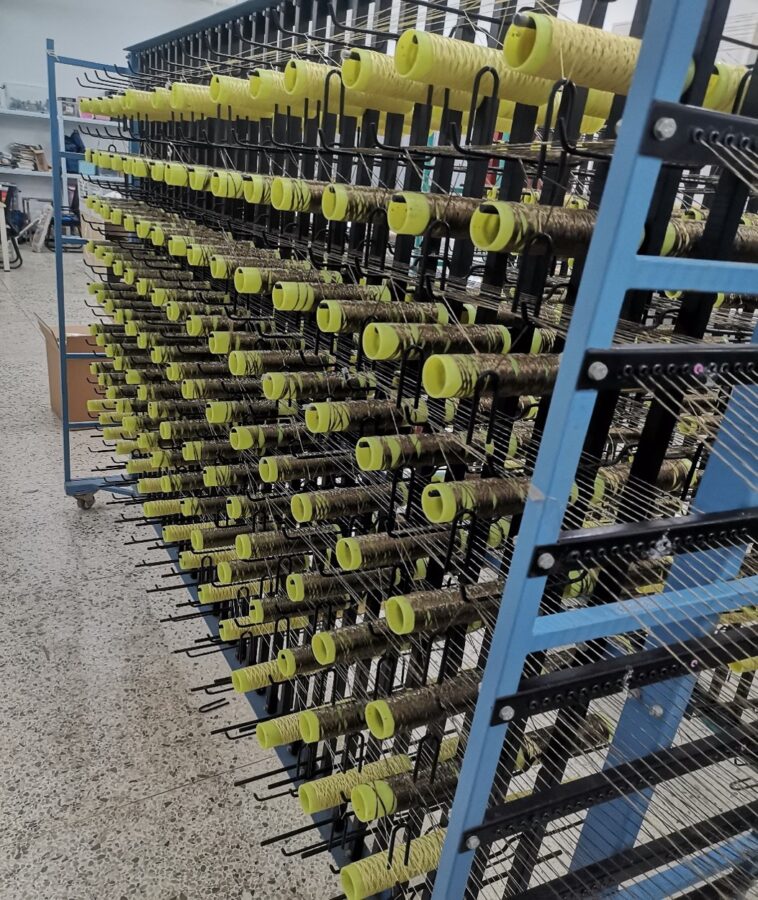
For a textile engineer, this is personal. Uganda grows cotton and variety of other Natural fibrous materials- silk, sisal, bananas, sugarcanes etc, but we still export this raw fiber and import finished fabric and other products. That gap is a lab-to-industry problem.
Industries built on local IP hire local engineers, technicians, and artisans. A $500B economy won’t come from raw exports. It comes from patents
When, for example, a lab process for cassava starch-based or banana fibre-based food packaging/tableware products scales up, that’s not just research. That’s factories, jobs, and reduced import bills.
All these government commitments to a science-led economy mean little without policy teeth. Government is the biggest buyer. If ministries, hospitals, schools etc. are mandated to source lab-validated Ugandan innovations first, we create a guaranteed market. That’s how South Korea and China scaled — government demand pulled industry up. Equally, the FDI policy should be reformed to make it standard that if an Investor is to access incentives of land, tax holidays or government contracts, they show how they integrate Ugandan R&D solutions into their projects.
Furthermore, government should catalog all market-ready innovations in research labs — we can’t scale what we don’t list!
The tone is set. The labs have done their part inventing. Now policy, industry, and researchers must meet in the middle.
Uganda’s $500B science-led economy won’t be built on imported technology alone. It will be woven — literally and figuratively — from innovations that start in our universities and research labs and end in our factories.
This post was created with our nice and easy submission form. Create your post!

Did this story move you? Every gift goes directly to Angarukamu Ronad — writers on Muwado earn from reader appreciation, not algorithms. Even $1 makes a difference.






Muwado weekly chart
Get Africa’s top 10 stories every Thursday
No account needed — just your email.
Want to follow Angarukamu Ronad and get notified every time they publish?
Create a free Muwado account →