

 Ahmed Didaati
Beyond What the Eye Sees: How Martin Senkubuge’s New Exhibition Challenges Uganda’s Deepest Myth
There are exhibitions that impress through technical mastery. Then there are exhibitions that quietly unsettle you, leaving you questioning assumptions you have carried for years.
Between Sight and Soul, the latest solo exhibition by Ugandan visual artist Martin Senkubuge, belongs firmly in the second category.
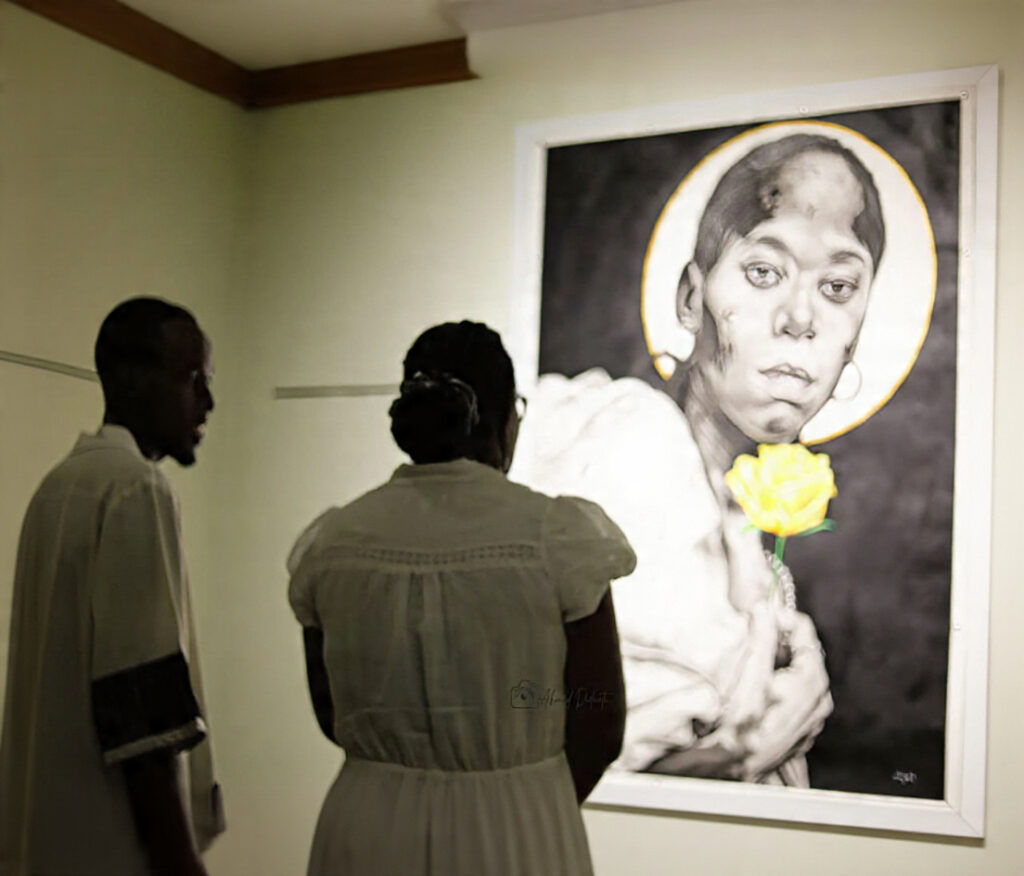
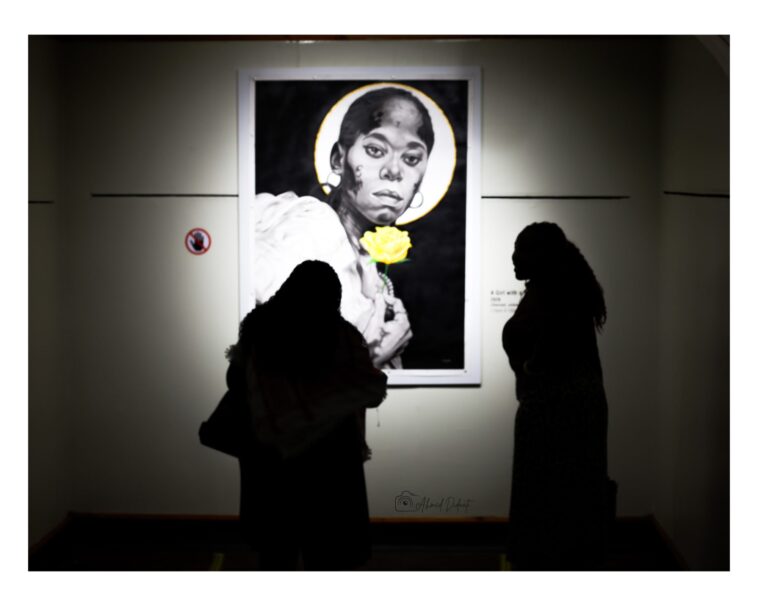
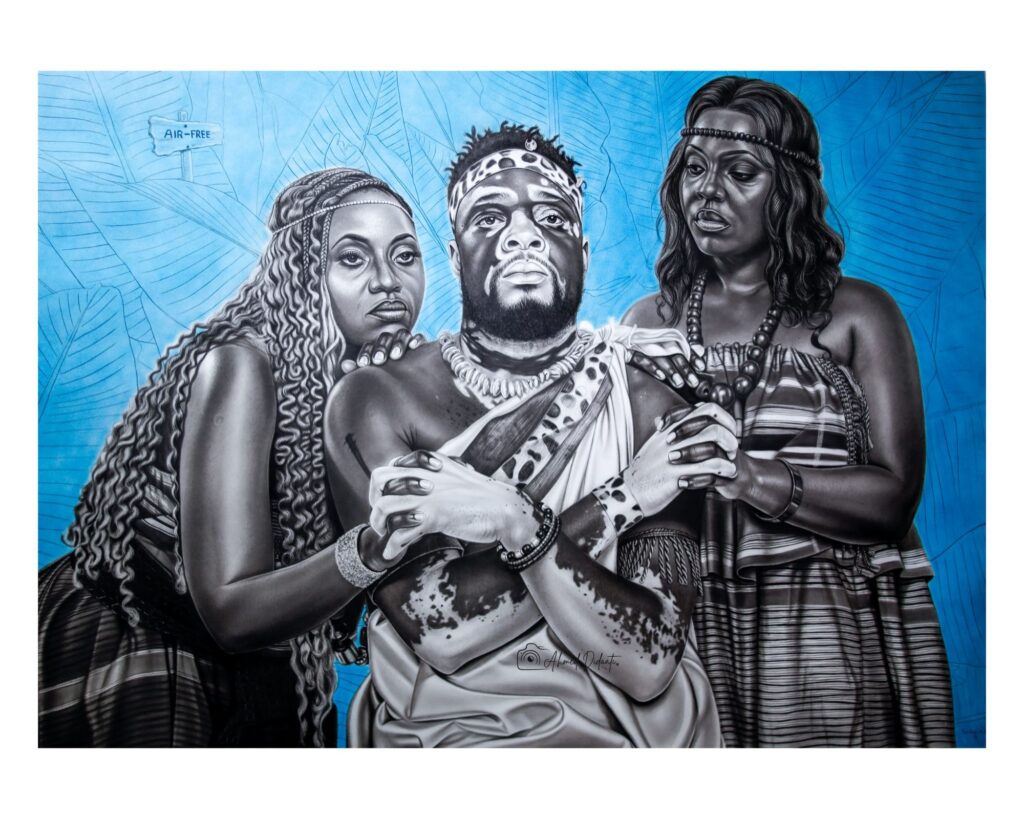
Opening on 26 June and running until 25 July 2026, the exhibition is more than a collection of charcoal drawings. It is a deeply reflective body of work that confronts long-held myths surrounding people living with vitiligo and twins beliefs that have persisted in parts of Uganda for generations. Rather than simply documenting discrimination, Senkubuge asks a more profound question: What happens when we stop judging people by what we see and begin listening to what their humanity reveals?
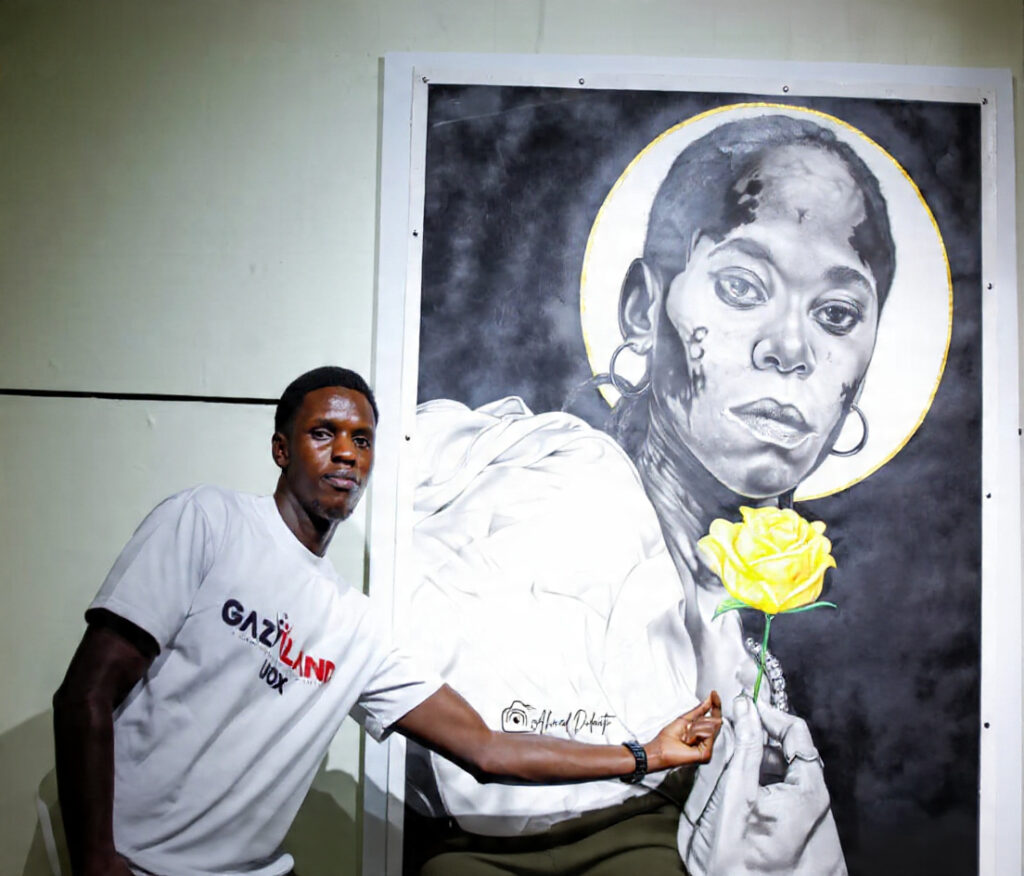
At first glance, the exhibition appears minimalist. Large charcoal portraits emerge from dark backgrounds with extraordinary sensitivity. But the longer one stands before them, the more the works become conversations rather than images.
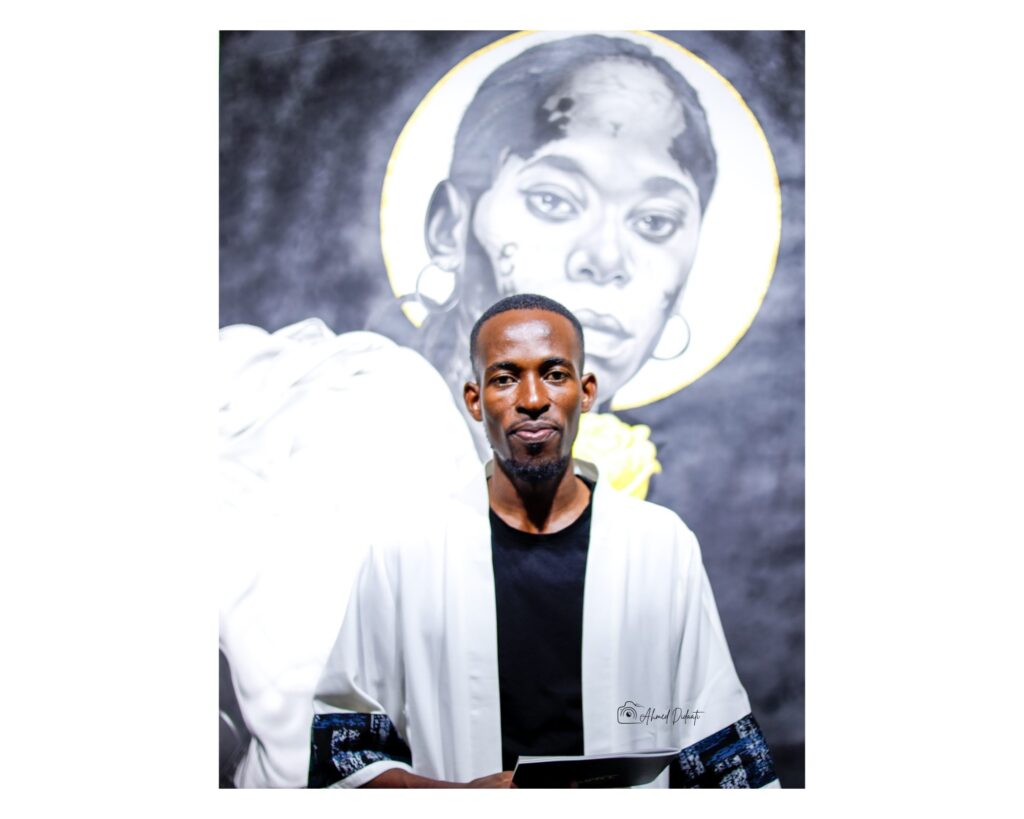
The exhibition statement describes this journey as moving from “the eye’s fixation on surface” to “the soul’s recognition of shared humanity.” It is a powerful invitation to reconsider how societies construct difference and how art can dismantle inherited prejudice.
One of the exhibition’s strongest ideas lies in its refusal to treat skin as identity. Instead, the visible marks associated with vitiligo become symbols of resilience rather than exclusion. Twins who in some communities have historically been surrounded by superstition are similarly presented not as anomalies but as embodiments of belonging, beauty and unity.
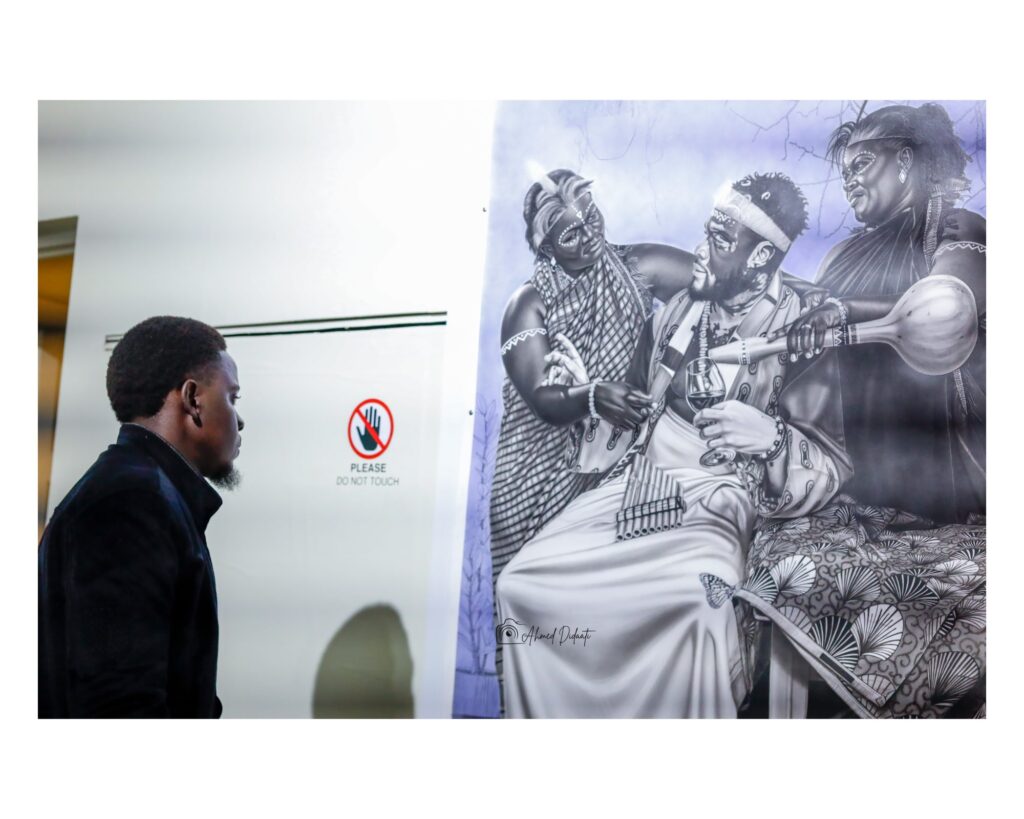
That shift feels particularly important in today’s Uganda, where conversations around identity, disability, inclusion and mental wellbeing continue to evolve. Art becomes not merely decorative but restorative.
The exhibition is developed within IMEP (Incapacitating Myths, Embracing Patterns), a creative initiative that explores how visual storytelling can challenge inherited social narratives surrounding appearance and difference. The project combines lived experience, research and cultural symbolism to encourage empathy instead of fear.
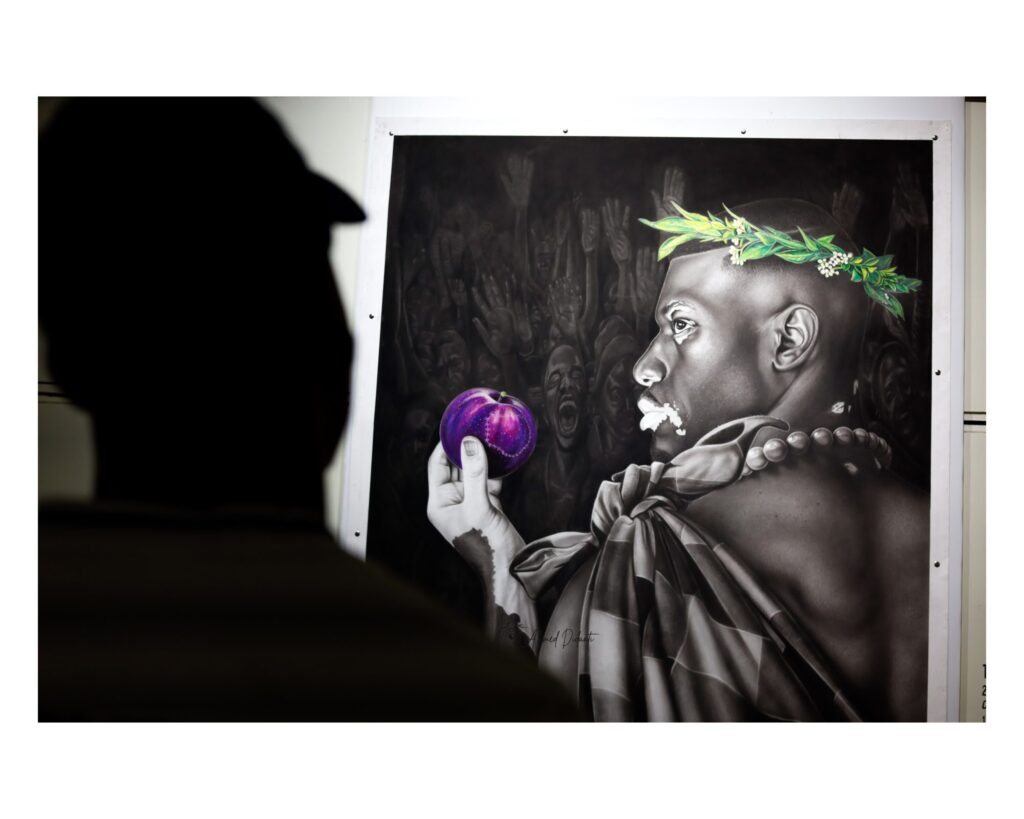
What distinguishes Senkubuge’s practice is his command of charcoal. His portraits are neither photographic nor abstract. They occupy an emotional space where light and shadow become metaphors for memory, vulnerability and hope. Every line appears intentional; every absence of colour amplifies the emotional weight carried by the subjects.
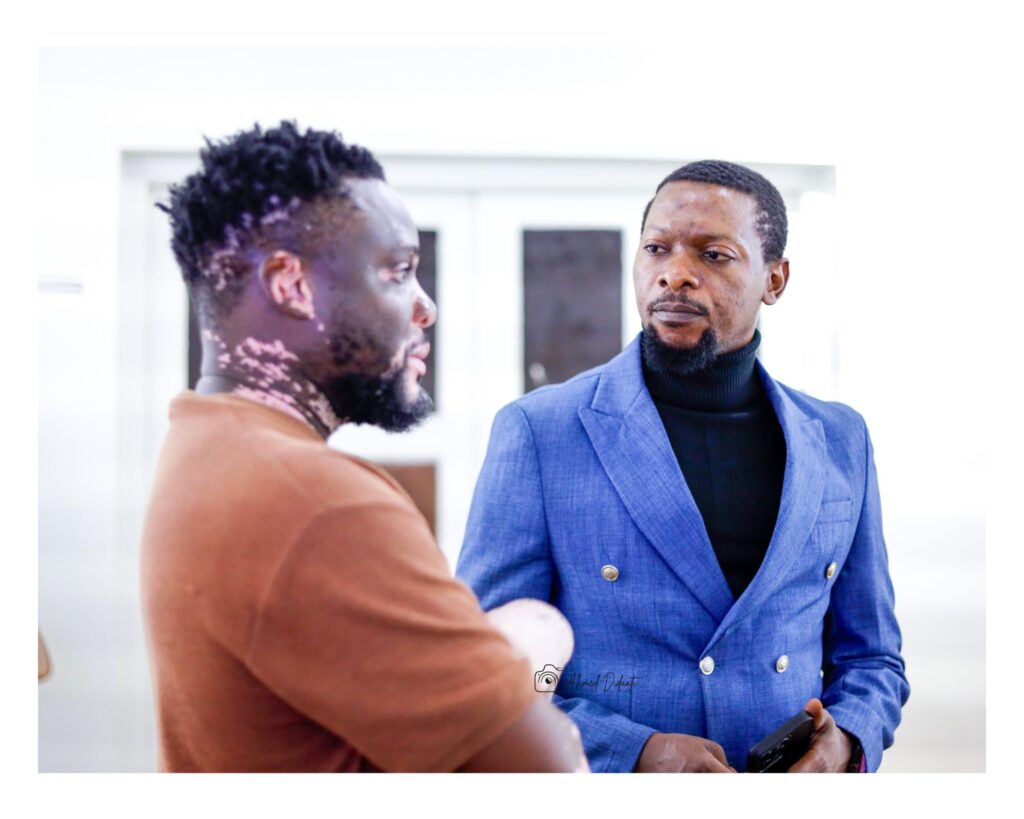
Rather than offering easy answers, Between Sight and Soul repeatedly asks difficult questions.
Is sight enough to know another person?
Can beauty exist beyond skin?
Can art rewrite stories that culture has repeated for generations?
Those questions linger long after leaving the gallery.
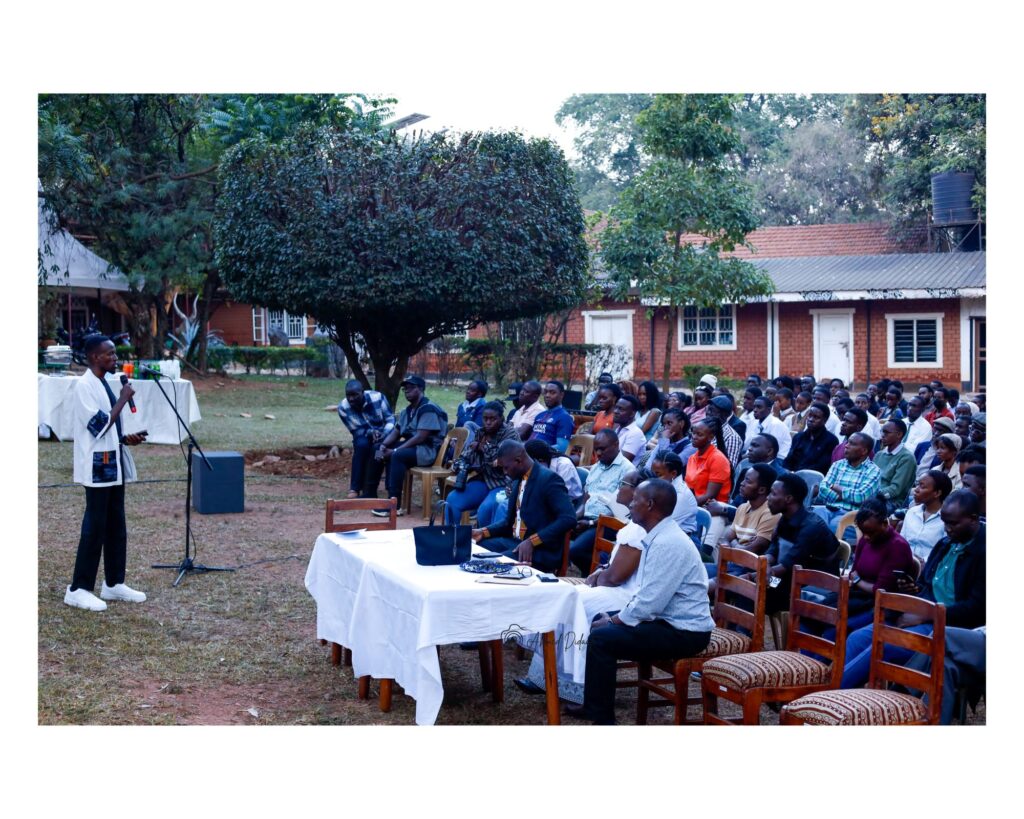
The exhibition also contributes to a broader movement within contemporary African art. Across the continent, artists are increasingly using portraiture not simply to represent people but to challenge histories of exclusion and redefine whose stories deserve visibility. In that context, Senkubuge’s work feels timely, placing Ugandan social realities within larger conversations about dignity, identity and belonging.
Perhaps the exhibition’s greatest achievement is that it refuses sensationalism. It does not accuse. It does not preach.
Instead, it creates space for reflection.
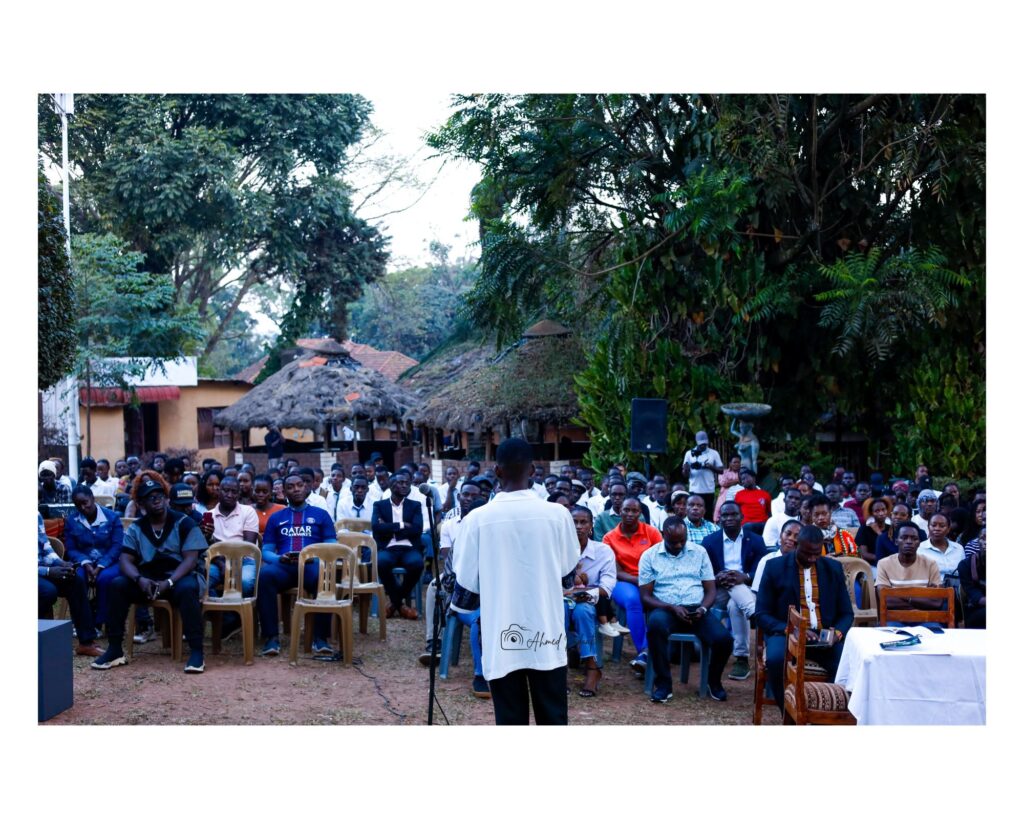
Standing before these charcoal figures, viewers are gently reminded that every visible mark tells only part of a story. Behind every face exists a history of resilience, silent struggles, hope and humanity that no first glance can fully reveal.In a world increasingly driven by instant judgments and surface impressions, Between Sight and Soul argues for something slower and far more courageous: seeing people not through inherited myths, but through compassion.
And perhaps that is the true work of art not simply changing what we look at, but changing how we look.
This post was created with our nice and easy submission form. Create your post!

Did this story move you? Every gift goes directly to Ahmed Didaati — writers on Muwado earn from reader appreciation, not algorithms. Even $1 makes a difference.





Muwado weekly chart
Get Africa’s top 10 stories every Thursday
No account needed — just your email.
Want to follow Ahmed Didaati and get notified every time they publish?
Create a free Muwado account →