

 Aliker p'Ocitti

The history of Acholi is littered with conflicts that have resulted to endless wars. From the Luo immigration wars to the two-decade Lord’s Resistance Army (LRA) rebellion against the government of President Museveni Kaguta, Uganda’s longest-serving government.
In all these conflicts and wars, there are more unsung Heroes with unwritten stories than those whose stories have been told. Yet if their stories had been documented, our narratives as victims or survivors would be different.
Today, I am happy to share with you about a well-told story of a simple ordinary gentleman with an extraordinary life and contribution to his community.
In 2022, I travelled to Kitgum to begin the autobiographical research on the life of Ojul Onesimus Odora, notably Dakta Okom for his reputable medical services spanning decades.
In one of my first interviews, a lady pulled aside Dakta Okom and asked:
“Is this what the doctors have asked you to do?”
In his charming high-pitched tone, Dakta Okom replied:” No, not at all; you see when my day finally comes, as you cement my grave know that I left the legacies of my life with my children in a book.
“In Acholi, writing a personal memoir or autobiography is likened to writing a personal Will or coono dogi putting in words your final words.
While a personal Will is a legal document that dictates how a person’s properties and possessions will be distributed upon death; an autobiography is a self-written account of one’s own life, providing personal narratives of experiences, memories and reflections from the authors perspective.
But why do we write autobiographies? There are many reasons why we document our lives. One such reason is to tell our own stories and pass on these legacies from the experiences of our lives to the next generation.
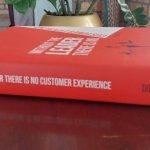
In March 2025, Dakta Okom published his autobiography, My Life. Dakta Okom-The Tree Stump with Xlibris in New York, USA.
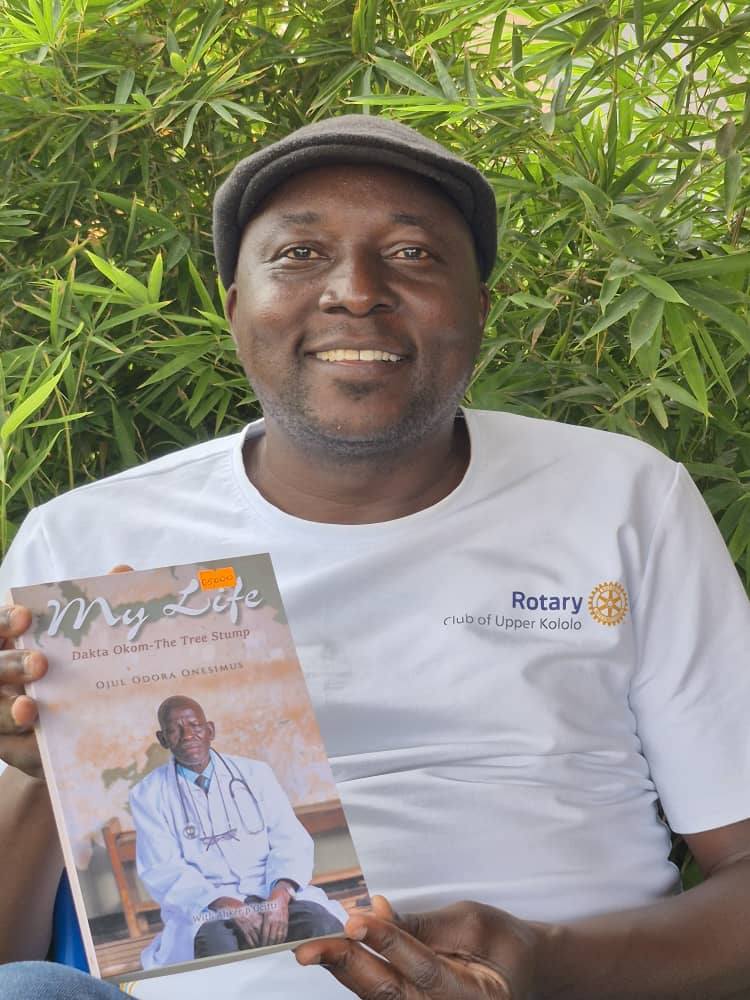
It was eventually well reviewed in the Daily Monitor by Mr. Phillip Matogo, a seasoned literary journalist.
A reader was moved by Dakta Okom’s story as a lifelong civil servant for decades and how as Kitgum district’s first Optician and Ophthalmologist envisioned and ensured Kitgum received its first eye clinic during the two-decade LRA war and government of Uganda.
The reader shared this story which eventually got recommended to the Chancery/Presidential Awards Committee (PAC).
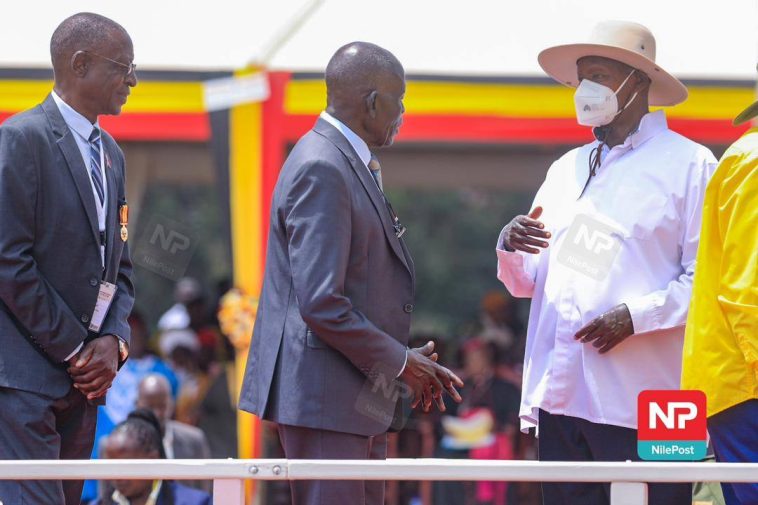
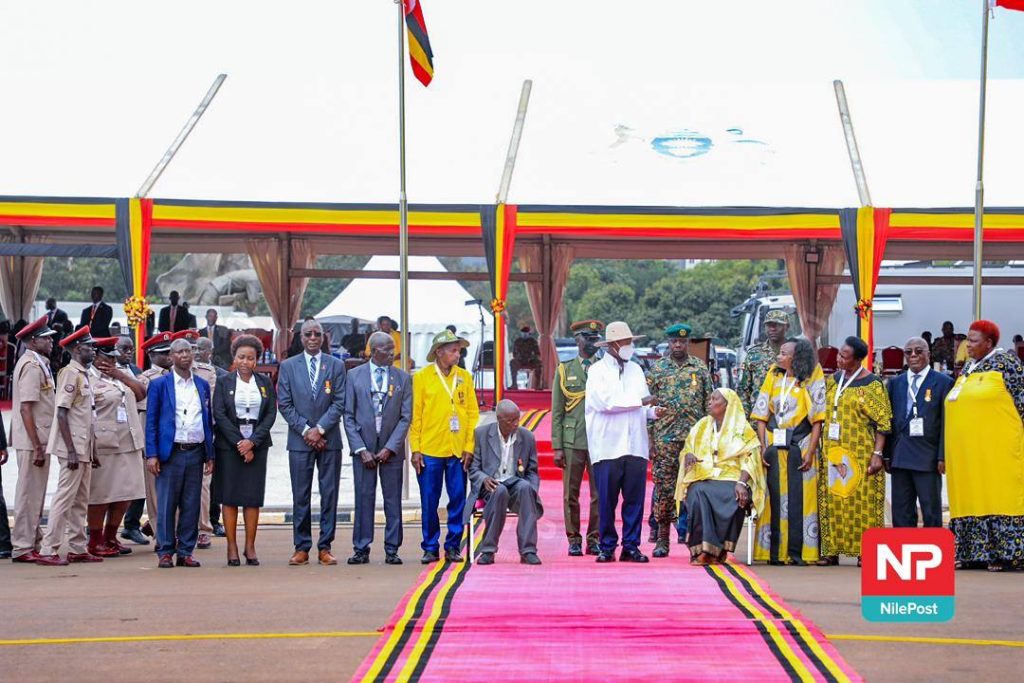
On January 26th, 2026, President Museveni honoured 33 individuals as the National Resistance Movement (NRM) marked 40 years in power.
The recipients, drawn from politics, business, public service and other sectors received various national and party awards, including the Crested Crane-Grand Commander, National Independence Diamond Jubilee Medal, Nalubale Medal, Luwero Triangle Medal, Personal Sacrifice Medal and Meritorious Service Awards.
According to the medal citation, Dakta Okom, was honoured with the National Independence Diamond Jubilee Medal for his public service to his country, Uganda.
Recently, the Independent, one of Uganda’s leading online source referred to Tonny Mulambe, the Chancery Department Principal Assistant Secretary as saying, “there is a comprehensive approach to identifying and recognizing individuals who have made exceptional national contributions.”
“The process involves strict criteria to ensure that those selected have truly demonstrated outstanding service,” said Tonny Mulambe.
In my opinion, I believe when fact-checking the contribution of Datka Okom, his life and works, this information was verifiably documented in his autobiography.
In the aftermath of the two-decade war and prior wars in Acholi, there are many unsung heroes whose stories and contributions will go with them as their graves are being cemented.
In our families, there are forgotten heroes whose stories were never told because we never emancipated ourselves despite our education to prioritise documenting their stories using our own lenses.
In our minds and in the minds of our family members, we are yet so disempowered to see biographies, memoirs and autobiographies as a Written Will, in anticipation of death, which will come anyway.
Many enlightened Acholi are happy to read foreign biographies and see no point in telling their parents’ stories because remembering their parent’s legacies are too expensive.
Today, I write to celebrate the life of Dakta Okom for the gift of sharing his life with us. I celebrate your life not because your medal has validated our decision to write, but I celebrate your life because 100 years from now, your legacy will still stand the test of time as told by you and not those who didn’t know you.
Your great-grandchildren will celebrate you as uniquely different from your contemporaries because while you lived; you kept for them your legacy and the wisdom of your people in a book.
As you begin this new year 2026, may the life of Dakta Okom inspire you to tell your story and that of your parents who could have left an impact in your community.
Writing your autobiography is not writing a Will, writing an autobiography is documenting your legacies for future reference using your own lenses to tell your story.
We don’t need to wait for a Presidential Awards Committee to recognize our own who made significant contributions; we can as a community reward those who served us with community medals, too.
Pick your copy from Las’Café, Gulu City !
This post was created with our nice and easy submission form. Create your post!

Written by
Did this story move you? Every gift goes directly to Aliker p'Ocitti — writers on Muwado earn from reader appreciation, not algorithms. Even $1 makes a difference.




Muwado weekly chart
Get Africa’s top 10 stories every Thursday
No account needed — just your email.
Want to follow Aliker p'Ocitti and get notified every time they publish?
Create a free Muwado account →