

 Tema Innocent

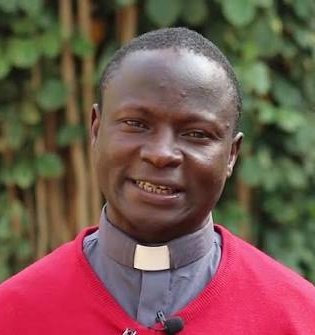
On a hot afternoon in Masaka City, December 3, 2025, Rev. Fr. Deusdedit Ssekabira stepped out of his office at Katwe Trading Centre, unaware that his life was about to change in an instant. The young chaplain—admired for his energy, his work with the youth, and his stewardship of community projects supported from abroad—had become a familiar figure of hope in a region quietly wrestling with frustration. But that day, hope gave way to terror.
Witnesses still speak of the moment it happened. Four vehicles, plates hidden, tore into the trading centre. Men dressed in black, faces masked, moved with chilling precision. “They were highly organized,” recalled his brother, Alex Ssenyondo. In broad daylight, the priest was seized and forced into a white Toyota Hiace—one of the dreaded “drone” vans long associated with disappearances across Uganda. No explanation. No warrant. Just a sudden, violent erasure. And then he was gone.
Days passed with nothing but silence from the authorities. His family pleaded publicly, insisting, “He is not a criminal.” Within Masaka Diocese, shock rippled through parishes. Youth programs that once filled church compounds with laughter and song fell eerily quiet. Priests lowered their voices in their own rectories, wondering whether a homily on justice or a community project could be twisted into evidence of “subversion.” Foreign donors hesitated. Parents kept their children home from catechism. Fear seeped into spaces once defined by trust.
It wasn’t until December 14 that the UPDF finally spoke. Fr. Ssekabira, they said, had been “recently arrested” for “violent subversive activities against the state.” He was in lawful custody, they claimed, awaiting charges. But the timeline didn’t match. The abduction had happened nearly two weeks earlier. No evidence was offered—only vague accusations that sounded painfully familiar to those following the treatment of opposition figures.
The shock of his disappearance didn’t stop at Masaka. It spread like a crack through Uganda’s religious institutions. In a diocese known for speaking out on social issues, priests suddenly found themselves second‑guessing every word. Youth ministries—the heartbeat of Fr. Ssekabira’s work—stalled. Young people drifted away, unsure whether involvement with the church might put them at risk. Across the country, Catholic leaders who once addressed corruption and human rights with courage now paused, aware that even the pulpit could be seen as a threat in a climate thick with suspicion.
The abduction struck at something deeper than one priest’s fate. It shook the Church’s role as a moral compass. Only months earlier, bishops had warned that Uganda was “on the edge,” citing rising torture and abuses of power. Now, one of their own had been taken. Parishes didn’t empty overnight, but attendance thinned in subtle, steady ways. Fear replaced fervor. Sanctuaries felt less like places of refuge and more like places being watched.
“When a shepherd is taken for guiding the young and uplifting the poor, the flock scatters,” a parishioner in Masaka whispered. “We pray for his return, but we also pray no one comes for us next.”
Fr. Ssekabira’s disappearance is more than a single tragedy—it is a warning. When a priest can be snatched in broad daylight, the shadows have reached the altar itself. Until truth and justice prevail, the bells may still ring, but they ring into a silence heavy with unspoken fear.
This post was created with our nice and easy submission form. Create your post!
Written by
A sports Journalist with RabSports Uganda, Advocate for Children’s Rights and Youths, Amazing Storyteller with DW Akademie and UNICEF, Independent Researcher, Student at Muni University
Did this story move you? Every gift goes directly to Tema Innocent — writers on Muwado earn from reader appreciation, not algorithms. Even $1 makes a difference.






Muwado weekly chart
Get Africa’s top 10 stories every Thursday
No account needed — just your email.
Want to follow Tema Innocent and get notified every time they publish?
Create a free Muwado account →