

 Edgar Mukasa
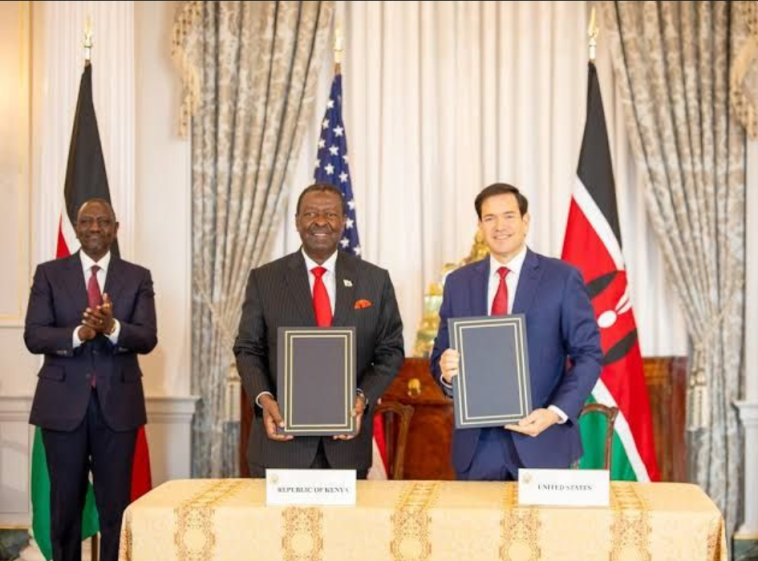
On the 1st day of Christmas, I have taken a moment to reflect on the New Foreign Aid model adopted by the Trump administration, adopting Kenya as the case study on the signing of a US$2.5 billion health cooperation framework with the United States on 4th December 2025.
On unveiling the new policy, the United States Secretary of State highlighted 2 concerns with the previous system including:
– The host country’s government had very little influence in implementation of the projects when the funds were channelled through Not-For-Profit organisations.
– A significant percentage of the funds that would otherwise be utilised in implementation of the project would go to catering for overhead and administrative costs of the implementing organisations.
From preliminary review of the new model, the objective is:
– Building capacity of the host countries so that they can eventually take over those elements initially handled by the sponsoring country (United States) after a pre-determined period.
– American resources should only be utilised in strengthening nations/groups that are friendly to the United States.
– American resources should only be directed to programs that are aligned with interests/core objectives of the United States.
– Recipient countries will now be expected to co-invest / contribute a fraction of the resources required for implementation of the programs.
Taking this change in model into consideration, the question that remains in the hearts and minds of all Not-for-Profit organisations is, “How do we survive in the immediate term?”
A few pointers to take into consideration in the boardroom conversations as organisations position themselves to tap into resources from the United States include:
– Are our objectives aligned to the critical areas of interest of the United States?
– Which government departments of the host country is charged with implementation of the programs being sponsored?
– How can we collaborate with the government department for efficient execution of these programs?
– What could be the alternative income-generating activities aligned to our strengths to explore for sustainability of the organisation?
As the famous biblical principle goes, “He who seeks shall find” and putting this into perspective of the Not-for-profit organisations under the current circumstances, it is critical to deeply reflect on the value that can be added to the areas of focus for the sponsored programs and deliberately position themselves to tap into the limited resources available.
This post was created with our nice and easy submission form. Create your post!

Written by
Edgar is an Associate Director in KPMG Uganda with over 13 years experience working as a tax advisor in KPMG.
Did this story move you? Every gift goes directly to Edgar Mukasa — writers on Muwado earn from reader appreciation, not algorithms. Even $1 makes a difference.





Muwado weekly chart
Get Africa’s top 10 stories every Thursday
No account needed — just your email.
Want to follow Edgar Mukasa and get notified every time they publish?
Create a free Muwado account →