

 Ahmed Didaati

The Silent Crisis: Why Routine Eye Screening Must Be a National Priority in Uganda
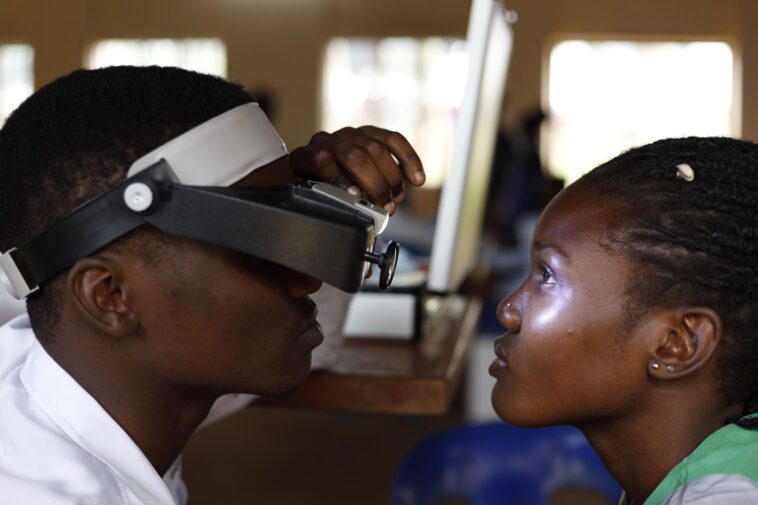
A young woman sits patiently as an eye care professional examines her vision. It is a routine procedure, one performed thousands of times every day around the world. Yet within those few minutes lies the opportunity to detect disease early, prevent avoidable blindness, and preserve a lifetime of independence.
Across Uganda, eye diseases continue to affect people of all ages, often progressing unnoticed until vision has already been compromised. Unlike many other health conditions, several causes of visual impairment develop silently, without pain or obvious symptoms. For many patients, the first visit to an eye clinic comes only after significant sight has been lost.
Routine eye screening changes that narrative.
According to global health evidence, more than one billion people live with vision impairment that could have been prevented or treated through timely intervention. In Uganda, preventable and treatable conditions including cataracts, refractive errors, glaucoma, diabetic retinopathy, and childhood eye disorders remain among the leading causes of visual impairment. Early diagnosis offers the best chance of protecting sight and improving quality of life.
The impact extends far beyond health.
A child who cannot see the classroom board may struggle academically without anyone realising the problem is poor vision. A farmer, tailor, driver, or trader with undiagnosed eye disease may gradually lose the ability to earn a living. Older adults living with vision loss often face increased risks of falls, isolation, and dependence on family members.
These are challenges that routine eye examinations can help prevent.
Uganda has made important strides in expanding eye care services through hospitals, community outreach programmes, school vision screenings, and partnerships with health organisations. However, many rural and underserved communities still face shortages of trained eye care professionals, limited access to specialised equipment, and low public awareness about the importance of regular eye check-ups.
Strengthening eye care requires sustained investment in preventive services, improved access to affordable treatment, public education, and the integration of eye health into primary healthcare. Most importantly, it requires a shift in mindset from seeking treatment only after vision deteriorates to embracing routine screening as an essential part of preventive healthcare.
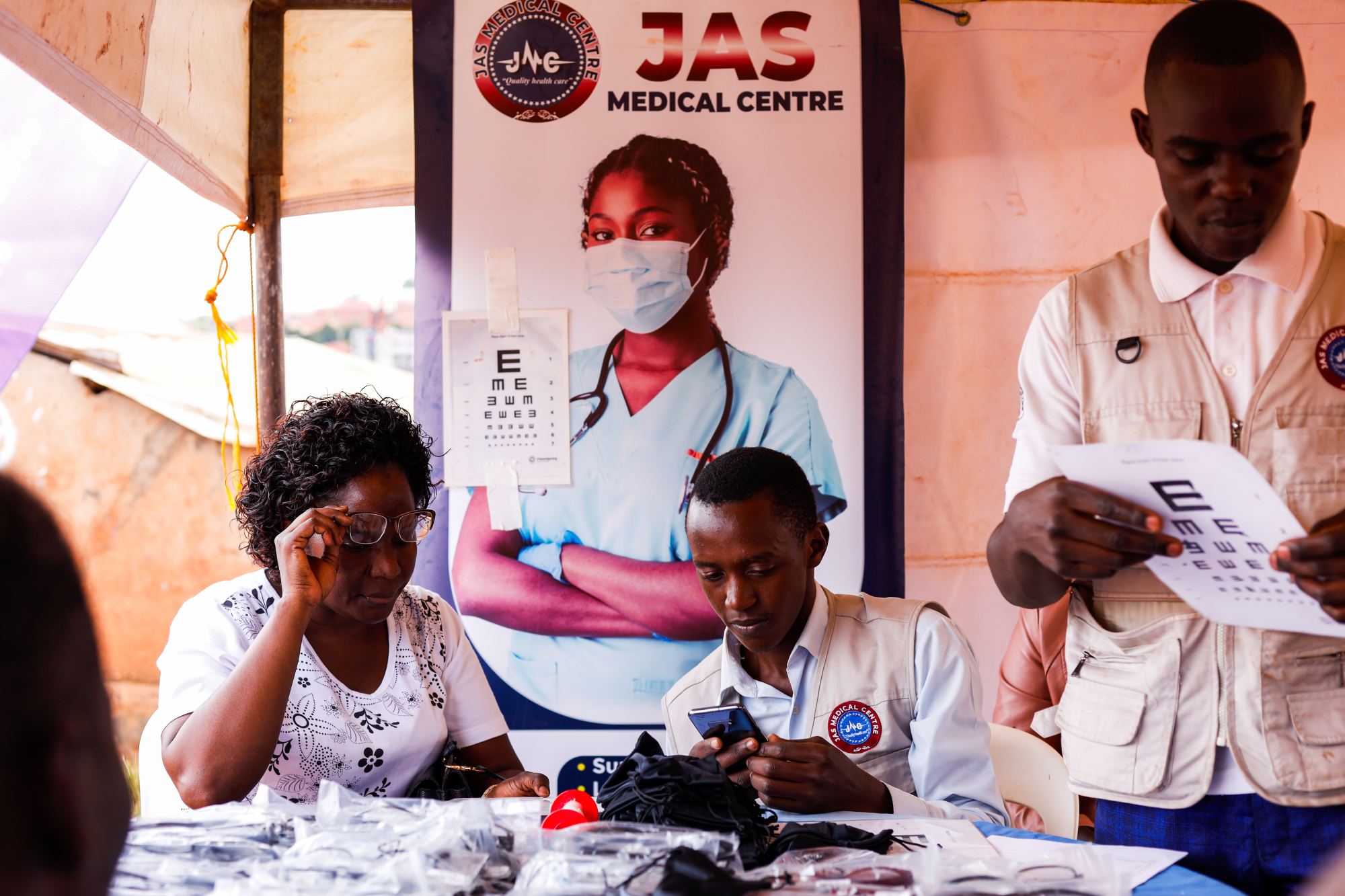
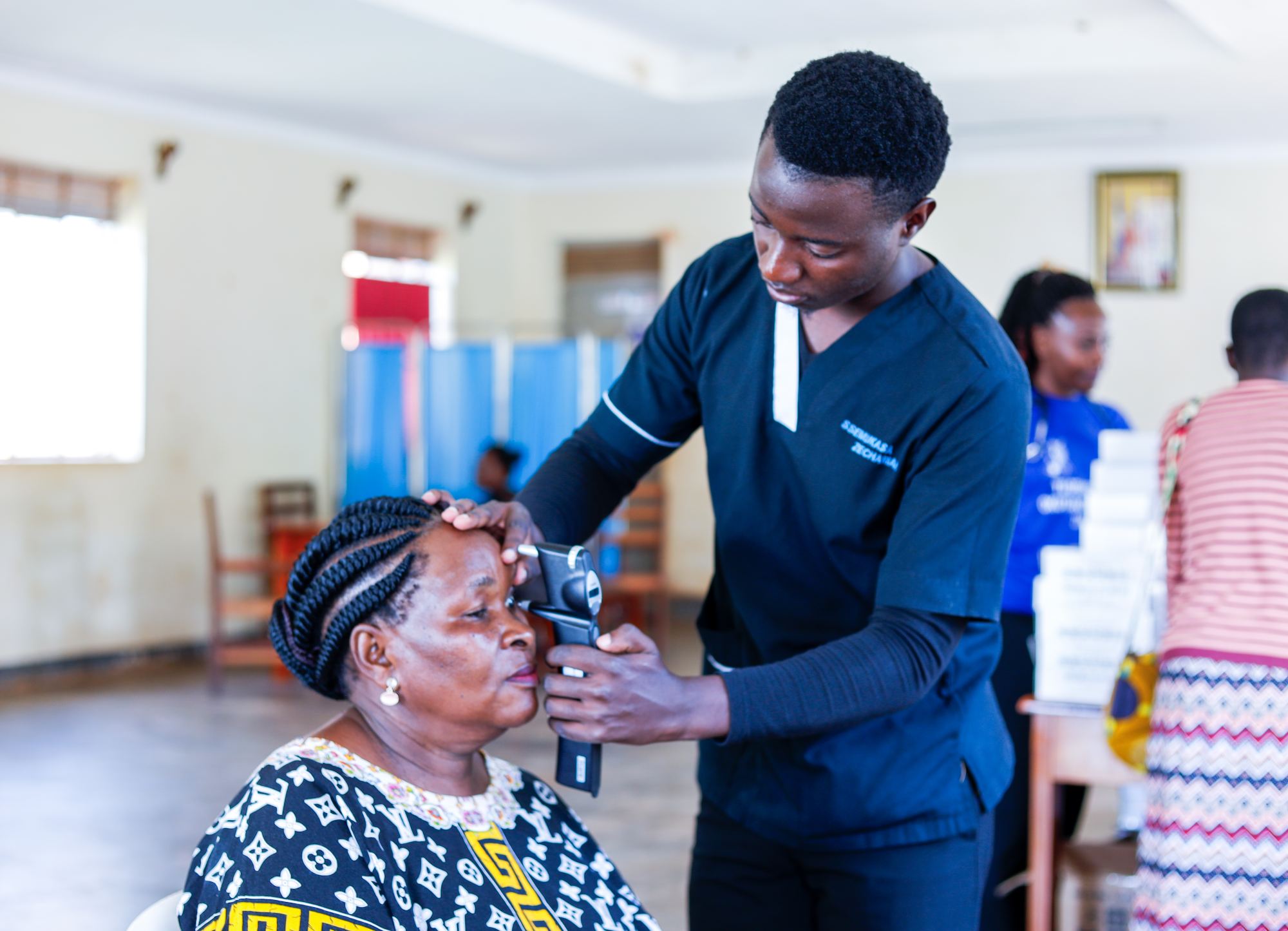
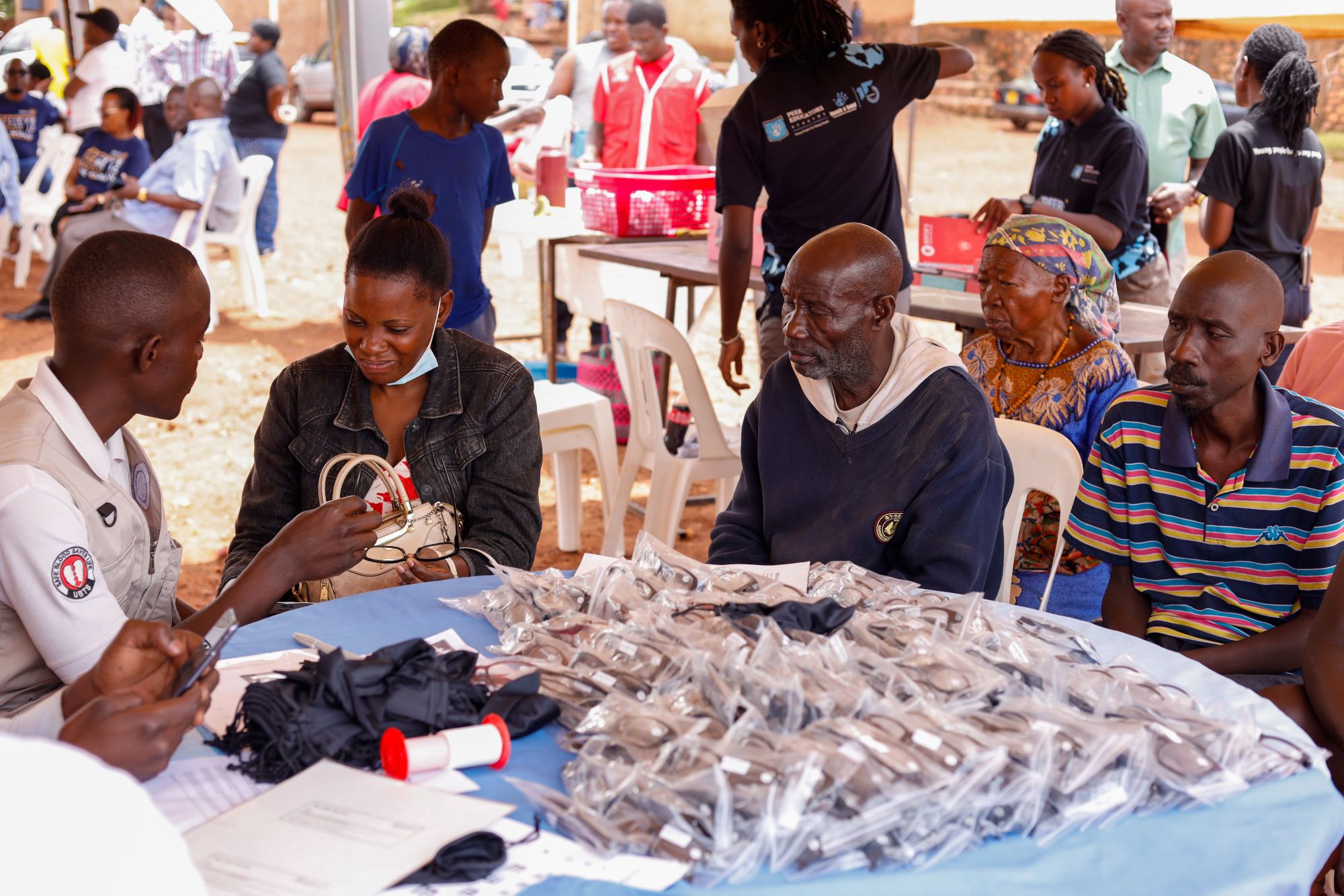
The photograph accompanying this story is more than a clinical scene. It is a reminder that behind every eye examination is a person whose education, livelihood, independence, and future depend on the gift of sight.
Protecting vision is not simply about treating disease.
It is about ensuring that every Ugandan has the opportunity to learn, work, care for their family, and experience life with dignity.Sometimes, saving sight begins with nothing more than a routine eye examination.
This post was created with our nice and easy submission form. Create your post!

Did this story move you? Every gift goes directly to Ahmed Didaati — writers on Muwado earn from reader appreciation, not algorithms. Even $1 makes a difference.






Muwado weekly chart
Get Africa’s top 10 stories every Thursday
No account needed — just your email.
Want to follow Ahmed Didaati and get notified every time they publish?
Create a free Muwado account →