

 Ulokcwinyu Ubia
Acting Is a Profession, Pretending Is a Lifestyle
Theatre spaces, theatre spaces, theatre spaces. Or perhaps we should broaden it to art spaces…or even more honestly, creatives themselves.
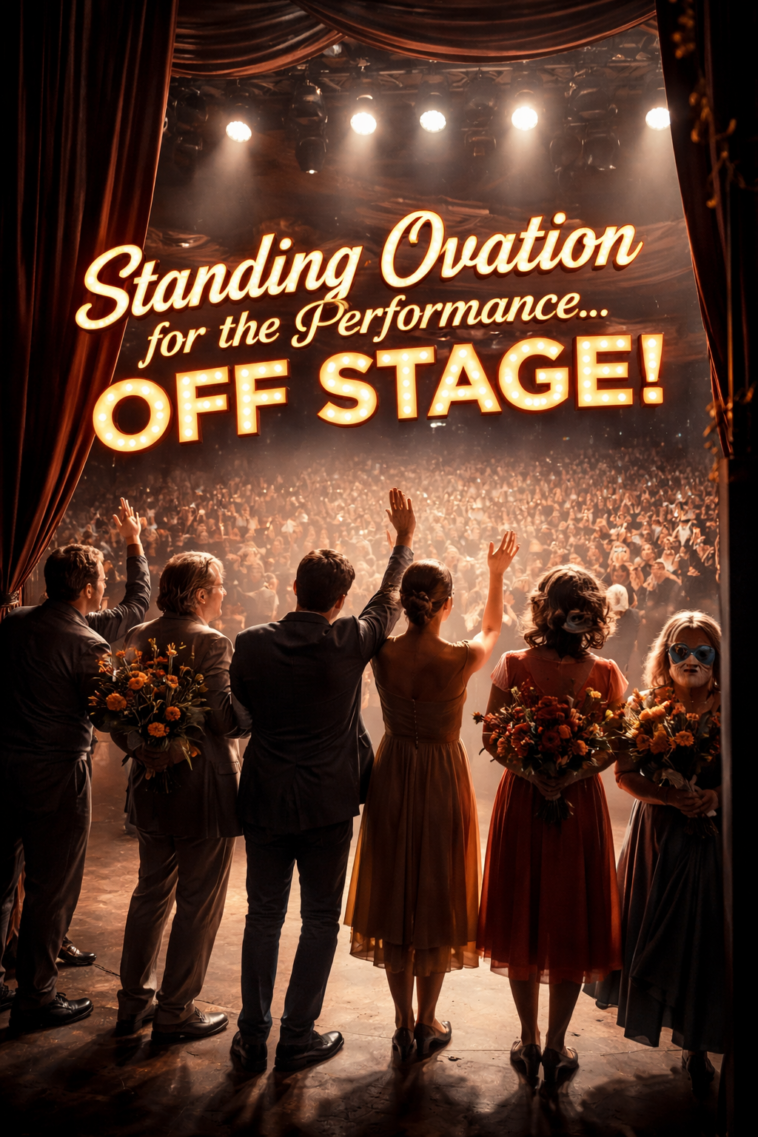
March is the month of theatre. A time when we gather to celebrate the craft, the discipline, the magic of storytelling. A time when we remind ourselves, and the world, that theatre is not just performance; it is reflection. It is a mirror held up to society. It is, as many of us have confidently said time and again, a representation of life. And that is where my discomfort begins.
Because if theatre is a representation of life, then what exactly are we representing when we step off the stage and into our shared spaces? What happens when the practitioner, the artist, the storyteller, the “truth-teller”, fails to live in alignment with the very truths they claim to embody? I am reminded of a paraphrased thought from Maxwell: before choosing someone as a mentor, examine whether their personal life aligns with their public performance. It is a simple idea, but deeply unsettling when placed against the reality of many creative spaces.
This March, despite the social anxiety that seemed to accompany the season, I found myself present in several theatre and creative spaces. I showed up. Sometimes hesitantly, sometimes intentionally and I listened. Conversations flowed, particularly during the World Theatre Day engagements. There was laughter, reflection, critique, celebration. But beneath it all, there was something else. Something quieter, but persistent.
A dissonance.
At one point, someone casually remarked, “actors are liars.” I instinctively resisted that statement. It felt reductive, almost dismissive of the depth and honesty that acting requires. But later, as I sat with it, I began to reconsider. Not in defense of the statement, but in observation of behavior. Because what I have witnessed in our creative spaces is not necessarily lying in performance but performance in living.
I have seen a creative denied space at the National Theatre due to a double booking, only to greet the very authority responsible with warmth and smiles the following day, as though nothing had happened. I have seen young creatives. Brilliant, hardworking individuals remain unpaid, disrespected, and overlooked, yet still extend handshakes, hugs, and pleasantries to those who have wronged them. I have seen actors who have endured harassment stand beside their perpetrators in public spaces, smiling for photographs, participating in conversations, maintaining appearances. And I have asked myself: at what point did survival become synonymous with silence? At what point did professionalism become indistinguishable from pretense?
There seems to be an unspoken rule in many of these spaces: show face. Maintain the illusion that everything is fine. That you are fine. That the system is fine. BUT IT IS NOT. And perhaps more concerning is how deeply this culture has been normalized. I have observed women leading theatre organizations. Powerful, visionary women stand together in public, exchanging promises of collaboration and solidarity. Yet behind closed doors, those same spaces are filled with gossip, resentment, and harsh criticism of one another. It is exhausting. It is disheartening. And it is confusing, especially in a field that prides itself on truth, vulnerability, and authenticity.
In one particularly striking moment, I watched a creative who had been deeply undermined by a referee, spoken about poorly, discredited, turn around the very next day and compliment that same referee’s dress, offering hugs and admiration as though the previous harm had never occurred. It was difficult to witness.
Not because conflict does not exist. We are human, after all but because of the performance surrounding it. The unwillingness to confront, to name, to sit with discomfort. Instead, we decorate our interactions with politeness that borders on dishonesty. And again, I found myself asking: what do we actually want?
Do we want community? Or do we want proximity? Do we want the truth? Or do we want acceptance? Do we want growth? Or do we want to be seen? Because these behaviors suggest that, in many cases, we are more invested in maintaining access and appearances than in cultivating integrity. Even in moments of loss, the pattern persists. People who once spoke ill of someone suddenly become their loudest celebrators after they are gone. Stories shift. Narratives soften. Proximity is rewritten.
It mirrors a familiar metaphor: the woman who speaks poorly of her husband to the entire village, only to return home and treat him like a king. The contradiction is stark. The performance, undeniable. And perhaps that is the uncomfortable truth we need to confront:
that many of us have mastered the art of performance so well that it has seeped into our everyday lives.
We perform politeness. We perform support. We perform community. But performance without authenticity is hollow.
This is not a call to abandon grace, or diplomacy, or professionalism. These are necessary tools, especially in collaborative spaces. But there is a difference between being diplomatic and being dishonest. Between choosing peace and avoiding truth. If theatre is truly a representation of life, then perhaps the challenge before us is this: to ensure that our lives are not contradictions of the stories we tell.
To build spaces where discomfort can be addressed without fear of exile. Where accountability is not seen as aggression. Where respect is not conditional. Where silence is not the price of belonging. Because the stage is not the only place where truth should exist.
And if we are to celebrate theatre, not just as an art form, but as a way of engaging with the world, then we must be willing to examine the roles we play when the curtains close. Otherwise, we risk becoming exactly what we resist admitting: Not actors who tell stories…
…but people who have forgotten how to live honestly.
@UlokcwinyuUbia.
This post was created with our nice and easy submission form. Create your post!

Did this story move you? Every gift goes directly to Ulokcwinyu Ubia — writers on Muwado earn from reader appreciation, not algorithms. Even $1 makes a difference.






Muwado weekly chart
Get Africa’s top 10 stories every Thursday
No account needed — just your email.
Want to follow Ulokcwinyu Ubia and get notified every time they publish?
Create a free Muwado account →