

 Olara Samuel
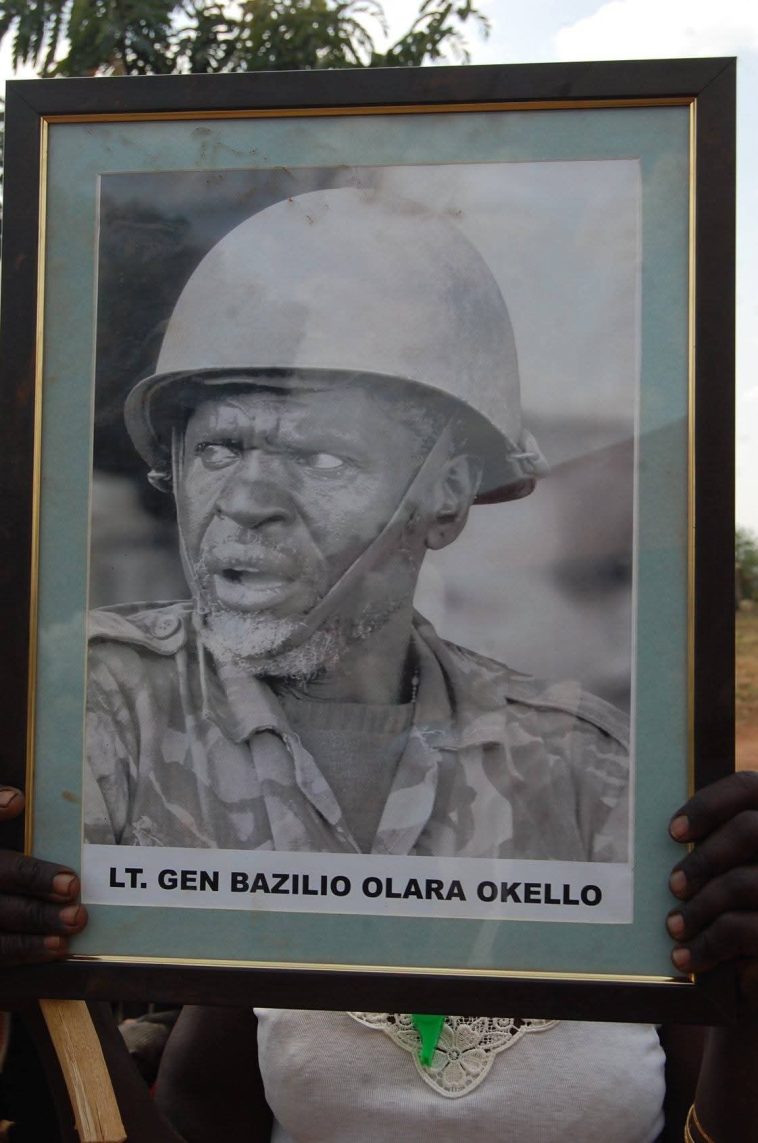
Thirty-six years ago, on 9 January 1990, my family lost a father. Uganda lost one of her sons, H.E. Lt Gen Bazilio Olara Okello, a soldier, statesman, and former Head of State who gave his life to the service of this country.
Time does not erase loss; it reshapes it. For families, grief settles into memory and silence. For nations, memory becomes history, sometimes contested, sometimes ignored. Yet the truth remains: no nation can move forward honestly without confronting and understanding its past.
In February 2025, ten years passed since my father’s remains were finally returned to Ugandan soil. That moment was more than a burial; it was an act of national reconciliation. His return affirmed a fundamental truth: that beyond politics and contested memory, belonging to one’s country endures.
Bazilio Olara Okello’s life was defined by service to Uganda. He joined the army pre independence. Post-independence and in the formative years of resistance against Idi Amin’s brutal rule, he organised and protected his men at Owiny Kibul, later leading them safely into Tanzania. There, in Kigwa, Tabora, he helped keep over a thousand fighters alive and united. Those men later formed the heart of Kikosi Maalum, one of the forces that played a key role in ending Idi Amin’s regime.
In 1979, during the war that ended Idi Amin’s rule, he commanded the ‘A’ Company (infantry) that captured Kampala, playing a pivotal role in liberating the nation. His courage, discipline, and tactical skills demonstrated not only military excellence but also a profound commitment to the liberation and attempt to stabilise Uganda. To the men he led, he was more than a commander; he was a leader who understood that morale, dignity, and care for one’s soldiers were essential to both survival and victory.
Years later, in 1985, following a mutiny within the Uganda National Liberation Army against H.E. Dr Apollo Milton Obote’s government, he assumed leadership responsibilities at a time of profound national uncertainty. He prioritised stability, peace, and a smooth transition of power, peacefully handing authority to H.E. Tito Okello Lutwa rather than pursuing personal ambition. Leadership scholars often note that true authority is shown not by how power is taken, but by how it is relinquished. My father’s decision exemplified this principle and remains a defining act of patriotism in Uganda’s history.
His service and contribution did not go unrecognised. H.E. President Yoweri Kaguta Museveni acknowledged him as a former Head of State of Uganda, a testament to the enduring respect for his role in shaping the nation. In recognition of his service to the country, he was awarded the Kagera Medal and accorded a state funeral with a 15-gun salute, a solemn honour reserved for those whose lives are inseparable from the history of Uganda.
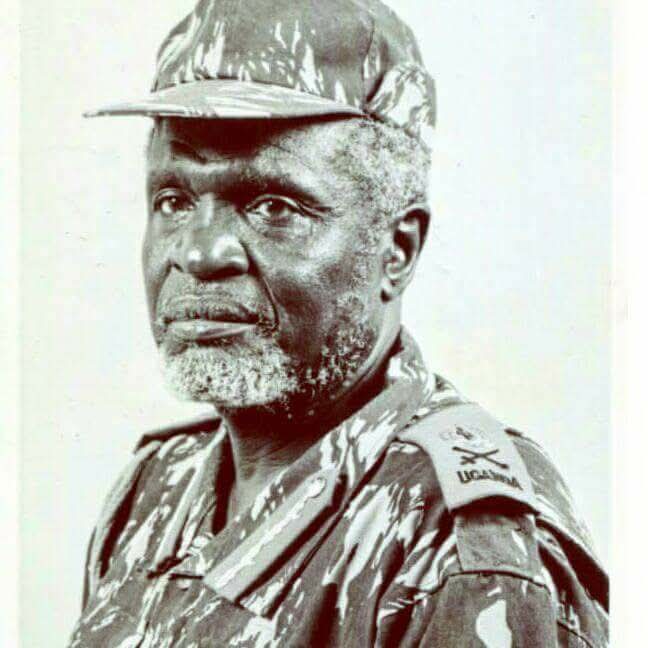 But beyond titles and uniforms, he was a loving father and a man of faith. As a family, we knew that we shared him with Uganda. We saw him more often in his military uniform than in civilian clothes, a constant reminder of where his duty lay. Yet despite his demanding and often unpredictable schedule, he always made time for us, and we never doubted his love or presence as a father. He was a devoted Catholic, rarely seen without a rosary around his neck. During the tense days of the 1980s, our family prayed together before he left for work, unsure of what the day would bring. At home, he was firm but deeply loving, teaching us that character, hard work, and faith matter more than position or name. He reminded us that while we carried his name, we each had to earn our own place in the world through integrity and service.
As a human being, he was not without fault. No leader shaped by war and upheaval ever is. But those who served with him describe him as disciplined, duty-bound, and committed to the idea of Uganda as a unified nation. He understood that loyalty to the country transcends loyalty to oneself, and that peace and stability are higher responsibilities than pride or ambition.
Like many leaders shaped by challenging times, there have been moments when his legacy has been viewed through a limited lens, with aspects of his actions and the context in which they occurred sometimes oversimplified or overlooked. Often judged through the comfort of hindsight, without fully accounting for the intricacies of the moment. Such portrayals often overlook context and complexity. History is not one sentence or one accusation. It is the sum of a life, of choices made, sacrifices given, and responsibilities carried. Those who knew him best speak of his humanity, discipline, and deep sense of duty. Those who served with him, lived under his command, and knew him personally consistently attest to his discipline, humanity, and principled character.
Uganda’s past is complex and sometimes painful. Yet complexity should not be an excuse for silence. Remembering Bazilio Olara Okello does not require rewriting history; it requires facing it honestly, acknowledging both its challenges and lessons.
As we mark thirty-six years since his passing, this is a moment for reflection. His life teaches that unity is stronger than division, that peace demands humility, and that true love for Uganda is demonstrated through selfless service and prioritising the nation above all else.
His story is inseparable from Uganda’s story, a nation shaped by many hands, some celebrated, others forgotten. Our shared responsibility as Ugandans is to approach our history with fairness, maturity, and a commitment to cohesion. A peaceful and patriotic Uganda is not built through selective memory, but through honest remembrance and collective determination.
May we, as one people, continue to choose the harder but higher path: unity over division, service over self, and love for God and country above all else.
May your soul rest in peace Dad.
The storyteller is son to H.E. Lt Gen Bazilio Olara Okello.
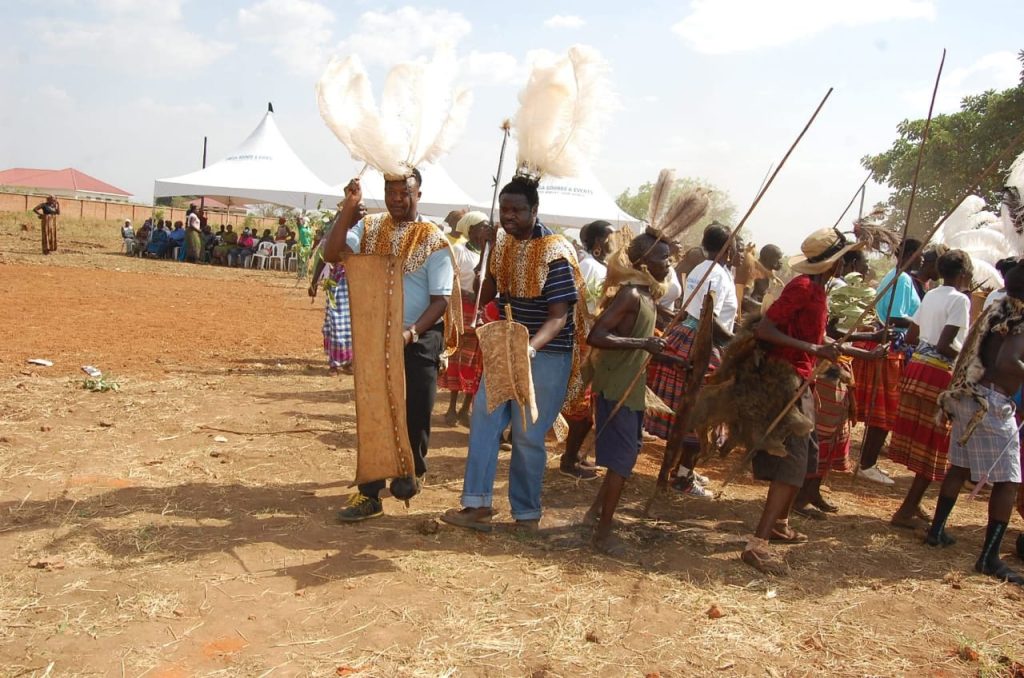
Ladit Ceasar Poblick and Samuel Olara (infront) dancing Otole at the reburial of his dad, Gen. Bazilio on February 14, 2015 in Madi Opei, Lamwo district.
This post was created with our nice and easy submission form. Create your post!
Did this story move you? Every gift goes directly to Olara Samuel — writers on Muwado earn from reader appreciation, not algorithms. Even $1 makes a difference.



Muwado weekly chart
Get Africa’s top 10 stories every Thursday
No account needed — just your email.
Want to follow Olara Samuel and get notified every time they publish?
Create a free Muwado account →