

 Odoki Jimmy
A few years ago, I sat with a young man — I will call him Fred — in a small room at
Butabika Hospital. He had arrived late, slipping into a chair at the back, and said almost
nothing for the first hour. But when a member of Heartsounds began to describe the
particular loneliness of coming home from hospital and finding that friends would
quietly disappear when he would turn up — always finding a reason not to engage. After
a long while Fred raised his hand and then he spoke.
He said: “When I was discharged the second time, I had to relearn how to boil water, to
comb my hair. My hands would shake every morning. But I still woke up. Every day I
woke up.”
The room went still in the way rooms only go still when something true has just been
said out loud.
That is where I want to begin today. Not with statistics. Not with clinical definitions. But
with Fred — and the thousands of people like him across Uganda and across the world
— because he is the reason this theme, #BipolarStrong, is not just a hashtag. It is a
testimony.
People often ask me what strength looks like in the context of bipolar disorder. I used to
struggle to answer that question simply. Then I met the members of Heartsounds —
passionate, creative, and loving — and the answer became clear.
Firstly, after their diagnosis, some had lost their jobs following manic episodes, that the
world did not understand and the community did not forgive quickly. Rebuilding
themselves was hard. — not just of careers, but of the sense of who they had been
before. What struck me, though, was not the rebuilding itself, remarkable as it was. It
was the self-awareness they had developed through the process.
Most could tell you, with extraordinary precision, what the first signs of a shift in their
mood felt like. Some had mapped themselves — their triggers, their sleep patterns, their
warning signals — with the kind of careful attention that most people never apply to
their own inner lives. One told me: “I know myself better now than I ever did before I was
diagnosed. I just wish the lesson had been cheaper.”
That kind of self-knowledge — earned through years of lived experience, not borrowed
from any textbook — is one of the defining strengths of this community. And it is
extraordinary.
Second, it needs to be noted that there is a specific courage required to speak openly in
a country where stigma still has sharp teeth. I have watched members of Heartsounds
stand before Rotary clubs and church congregations and speak about their experience with a steadiness that left the room changed.
At one church, after such a visit, two people came quietly to the door. One of them told
a peer supporter: “I opened up to my family because of the courage you showed when
you came.”
That is what advocacy does. It does not always look like a podium or a microphone.
Sometimes it looks like a person standing at a church door, shaking hands, breaking the
silence so that someone else can breathe. In Uganda, that is nothing short of
revolutionary.
The members I have come to know do not hide their lived experience of bipolar disorder.
I asked one of them once where the patience and dignity they show others comes from.
The answer was simple: “I spent a long time feeling like a burden to the people around
me. I never want anyone sitting across from me to feel that way.”
That is empathy with roots — empathy that grew specifically from pain, not despite it.
The lived experience of bipolar disorder, at its most transformative, does something to a
person’s capacity to feel alongside others. It deepens it. It makes it less theoretical and
more human. And this community offers it daily, without fanfare, to anyone who needs
it.
The members of Heartsounds have become, quietly and without any ceremony, exactly
the kind of people a community like this is built from. Resilient. Empathetic. Kind.
Present. Aware of their own story — and generous enough to let it be useful to someone
else.
There is still much to do: sensitisation, advocacy against discrimination, and expanding opportunities for meaningful employment. As we organise and plan ahead, we trust that
God will open doors and provide what is needed for Heartsounds to grow. But today, I
want to pause and name what already exists — because it is real, and it deserves to be
said clearly.
So today, on World Bipolar Day, I say to every member of Heartsounds Uganda and
every person living with bipolar disorder across this country and beyond:
Your story is not a footnote. It is not a cautionary tale. It is not something to whisper
about or edit out of polite conversation.
It is evidence — vivid, living, breathing evidence — that human beings can carry
enormous diPiculty and still choose connection. Still choose courage. Still choose to show up for peer support work even when the world has not yet learned to compensate
it properly.
You are BipolarStrong.
With profound respect and solidarity,
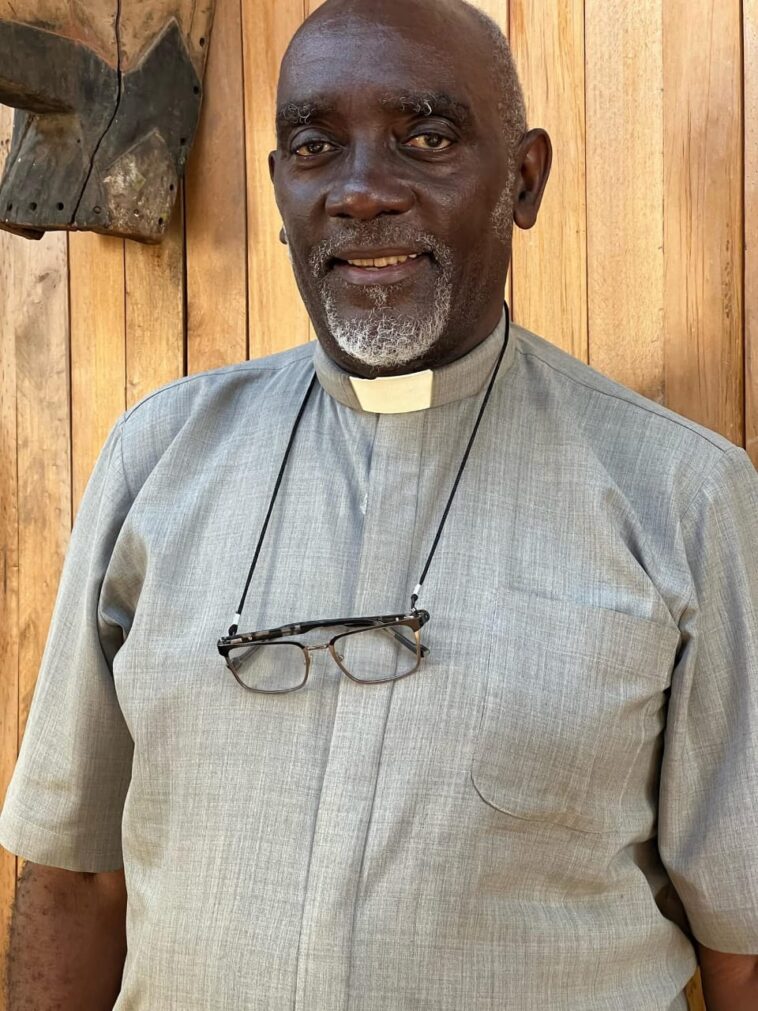
Rev. Dismas Eddie Bwesigye
Patron, Heartsounds Uganda
This post was created with our nice and easy submission form. Create your post!

Written by
Jimmy Odoki Acellam is Coordinator of Heartsounds Uganda and a Mental Health Advocate.
Did this story move you? Every gift goes directly to Odoki Jimmy — writers on Muwado earn from reader appreciation, not algorithms. Even $1 makes a difference.




Muwado weekly chart
Get Africa’s top 10 stories every Thursday
No account needed — just your email.
Want to follow Odoki Jimmy and get notified every time they publish?
Create a free Muwado account →