

 Shadreck Chikoti

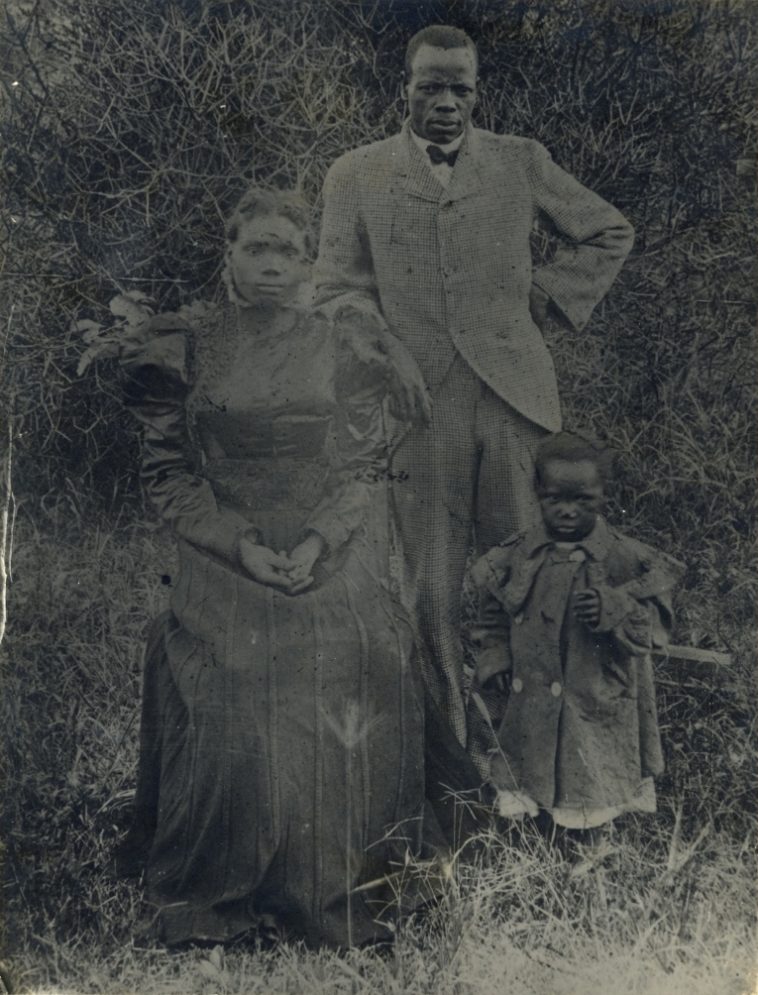
If Malawi were in Europe or America, John Chilembwe would probably be a towering national hero. There would be a grand museum dedicated entirely to his life. We might still have his shirts preserved behind glass, the chair he sat on in his house, his letters carefully archived, two original bricks from his church displayed as sacred relics, the curtains from his home, his gun, his academic degree, and shelves upon shelves of books written about him. There would be films, many films, about Chilembwe. There would be songs in his honor. There would be merchandise: dolls, commemorative items, statues in every major city, streets named after him.
Every detail of his life would have been thoroughly investigated. How tall was he? What did he like to eat? Exactly when and where did he die? What were his last words? Was he truly killed in the manner we were told? There would be countless history students researching him, producing competing theories, debating his legacy.
But not here. In Malawi, almost everything eventually becomes political. History is deliberately erased. Facts are deliberately buried.
Chilembwe had two sons. One reportedly died here in Malawi in the 1970s, yet little is publicly known about him. The other went to Zambia and, it is said, later to America, but his story, too, is obscure. A niece of Chilembwe married an American and moved to the United States. What became of her life? How did that chapter of the family end? We do not know. Our history was not written by us. And we seem uninterested in writing it now.
When we speak of history, Malawi often appears like sheep waiting for a shepherd, waiting for someone to tell us who we are, what we produce, what we look like, what we eat. How, then, can a nation develop under such passivity? What, truly, did Chilembwe die for?
These questions are not merely nostalgic; they are diagnostic. A nation that does not curate its memory risks losing its identity. Much of what we know about Chilembwe’s 1915 uprising comes from colonial archives, records written from the perspective of those he opposed. How much of his interior life, his fears, his hopes, his private reflections, remains inaccessible because we did not preserve it? How much was filtered through hostile eyes?
Other nations build museums, commission films, and encourage rigorous scholarship not simply to glorify heroes, but to construct a shared narrative. Memory becomes infrastructure. Heritage becomes pedagogy. Debate becomes a sign of intellectual health. Why have we not invested similarly in ours? Is it lack of resources, or lack of will? Is it political discomfort with complex heroes? Or is it a deeper cultural failure to value documentation and archiving?
To ask what Chilembwe ate or how tall he was may seem trivial. Yet such details humanize a figure otherwise frozen in myth. They allow schoolchildren to see not just a face on currency, but a man of flesh and blood. They invite storytellers to imagine, filmmakers to recreate, scholars to interrogate. Without such work, a hero becomes a slogan.
Perhaps the more unsettling question is this: if Chilembwe stood today and looked at our indifference to our own historical record, would he recognize the freedom he sought? If his struggle ignited the long road toward independence, have we honored that spark by building a culture of remembrance and inquiry? Or have we allowed political convenience and neglect to dim it?
History does not disappear by accident; it fades through silence. And silence is a choice.
Image: Wikimedia
This post was created with our nice and easy submission form. Create your post!

Written by
Did this story move you? Every gift goes directly to Shadreck Chikoti — writers on Muwado earn from reader appreciation, not algorithms. Even $1 makes a difference.






Muwado weekly chart
Get Africa’s top 10 stories every Thursday
No account needed — just your email.
Want to follow Shadreck Chikoti and get notified every time they publish?
Create a free Muwado account →