

 Tema Innocent
In Uganda, children are the heartbeat of the nation. They carry the dreams of families, clans, and communities from Kampala’s busy streets to the quiet gardens of Mbarara, from the fishing boats of Jinja to the hills of Gulu. To nurture them is to nurture the future; to honor them is to honor the soul of Uganda itself. Yet too often, their voices are ignored, their needs overlooked, and their rights denied. Speaking about children’s rights is not simply a matter of law or policy—it is a matter of survival, culture, and morality.
Children have the right to education. In villages from Arua to Gulu, and towns from Kampala to Mbale, many children still walk long distances to school, sometimes barefoot, sometimes hungry. Some arrive late because they must fetch water or help in the gardens before sunrise. Yet education is not a privilege—it is a right. A child who learns is a child who can break cycles of poverty, innovate, and lead. Parents must remember that sending a child to school is not a favor; it is a duty. Uganda’s future leaders, doctors, teachers, and innovators are sitting in classrooms today, waiting for the chance to be nurtured.
Children have the right to protection. Uganda has seen its share of hardship, and in some regions children have been exposed to violence, neglect, or exploitation. In certain homes, discipline has crossed into abuse, leaving scars that last a lifetime. But every child deserves to grow up safe, free from harm, and shielded from exploitation. A parent’s hand should never be a source of fear. Instead, it should be a shield, a comfort, and a guide. Communities must also play their part—neighbors, teachers, and leaders must speak out when a child is mistreated. Silence is complicity, but protection is strength.
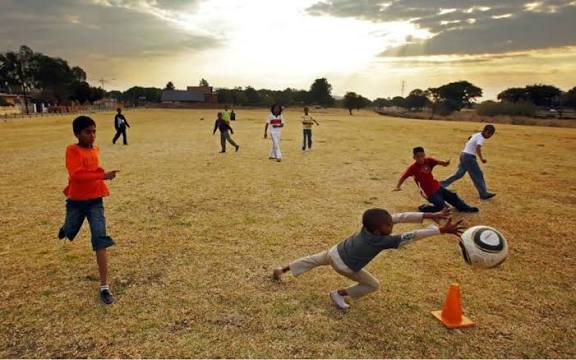
Children have the right to play. In many communities, play is dismissed as laziness, yet play is the language of creativity. When children play football in dusty fields, sing folk songs in Luganda, or dance to the rhythms of the adungu and drums, they are not wasting time—they are building imagination, teamwork, and joy. Play is part of their growth, just as important as food and shelter. A child who plays learns to cooperate, to dream, and to express themselves. Uganda’s cultural games—like kwepena (dodgeball) or dool (jump rope)—are not just entertainment; they are traditions that build resilience and community.
Children have the right to be heard. Too often, adults believe that children should be silent, that their opinions do not matter. But a child’s voice carries truth. When a child says, “I am tired,” “I am hungry,” or “I am afraid,” those words must be respected. Listening to children is not weakness—it is wisdom. Uganda’s proverb says, “Omwana takulila nju emoi”—a child does not grow up in one home alone. The whole community must listen and respond. When children are heard, they grow confident, and confidence builds leaders.
Children have the right to health. From the clinics of Jinja to the hospitals of Lira, children deserve access to medicine, clean water, and proper nutrition. A child weakened by hunger or disease cannot thrive. Parents and leaders must ensure that children’s bodies are nourished, their minds are cared for, and their spirits are uplifted. Malnutrition, preventable diseases, and lack of clean water are not just health issues—they are violations of rights. A healthy child is a strong child, and a strong child is the foundation of a strong Uganda.
Children have the right to identity and belonging. Whether in Buganda, Busoga, Acholi, or Karamoja, every child deserves to know where they come from, to be proud of their language, culture, and heritage. To deny a child their roots is to deny them their wings. Uganda’s diversity is its strength, and children must be taught to embrace it. A child who knows their clan, their traditions, and their songs grows with dignity and pride.
Children’s rights are not foreign concepts imported from elsewhere—they are deeply African, deeply Ugandan. Our proverbs, our songs, and our traditions remind us that children are the heartbeat of the nation. Protecting their rights is not charity; it is survival. It is the only way Uganda can grow stronger, wiser, and more united. When we look at the struggles of the past—the wars, the poverty, the displacement—we see that children often carried the heaviest burdens. Yet they also carried hope. They sang songs in camps, they played games in dusty fields, they dreamed of better days. That resilience is proof that children are not just tomorrow—they are today.
Parents, guardians, and leaders must remember: when you protect a child’s rights, you protect Uganda’s tomorrow. When you silence a child, you silence the future. When you nurture a child, you nurture the nation. Every child deserves love, respect, and opportunity. Every child deserves to be seen not as a burden, but as a blessing.
Imagine Uganda twenty years from now. The children who are protected today will be the leaders of tomorrow. The children who are educated today will be the innovators of tomorrow. The children who are heard today will be the voices of justice tomorrow. The children who are loved today will be the parents of tomorrow, raising yet another generation with dignity.
This is why nurturing the future and honoring the child must be more than words—it must be action. It must be seen in the way parents treat their children at home, in the way teachers guide them in schools, in the way leaders make policies, and in the way communities come together. Uganda’s strength lies not in its wealth or its land, but in its children. To protect them is to protect the nation’s soul.
This post was created with our nice and easy submission form. Create your post!
Written by
A sports Journalist with RabSports Uganda, Advocate for Children’s Rights and Youths, Amazing Storyteller with DW Akademie and UNICEF, Independent Researcher, Student at Muni University
Did this story move you? Every gift goes directly to Tema Innocent — writers on Muwado earn from reader appreciation, not algorithms. Even $1 makes a difference.




Muwado weekly chart
Get Africa’s top 10 stories every Thursday
No account needed — just your email.
Want to follow Tema Innocent and get notified every time they publish?
Create a free Muwado account →