

 Odoki Jimmy

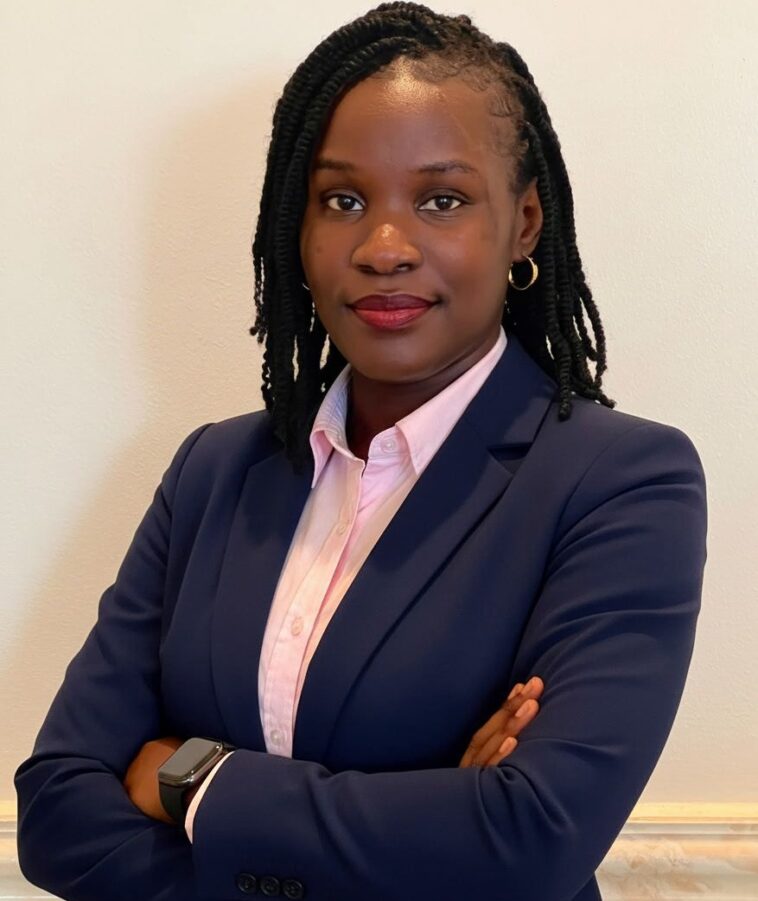
Dr. Melanie Magoba, a psychiatrist, addressed members and friends of HEARTSOUNDS UGANDA on World Bipolar Day at Kati Kati under the theme “BipolarStrong
Good evening everyone,
Today, we join the rest of the world in observing World Bipolar Day under the theme #BipolarStrong. This day reminds us not only to raise awareness about bipolar disorder, but also to see the person behind the diagnosis.
Behind every diagnosis is a human being—with hopes, dreams, strengths, and a story that deserves to be heard with compassion, not judgment.
As we create awareness today, I hope we can also take time to learn a few important things about bipolar disorder within our own Ugandan context.
Bipolar disorder is a condition that affects mood, energy, and daily functioning. In simple terms, it involves shifts between two extremes. At one time, a person may experience depression—feeling sad, tired, and hopeless. At another time, they may experience mania or hypomania—feeling unusually energetic, talking a lot, sleeping very little, having racing thoughts, and sometimes making risky decisions.
These changes are not a sign of weakness or bad character. They are part of a medical condition that can be treated and managed.
Globally, bipolar disorder affects a relatively small percentage of people, but it remains one of the leading causes of disability worldwide. This is because it often starts in young people—usually before the age of 30—and can affect education, employment, relationships, and overall quality of life.
When we bring this closer to home in Uganda, the situation becomes even more important.
Earlier this year, the State of Uganda’s Population Report described mental health as a “silent emergency.” It showed that 1 in 3 Ugandans experiences a mental health condition, yet less than 10% receive the care they need. This gap is due to limited services, a small number of mental health professionals, and ongoing stigma.
In our main psychiatric facilities, bipolar disorder is one of the leading causes of admission. Yet in the community, many people remain undiagnosed or misdiagnosed. This means many individuals are suffering without understanding what is happening to them, and without getting the help they need.
We must also understand that in Uganda, people have different beliefs about mental illness. Some communities recognize symptoms of bipolar disorder and even have local names for them. For example, among some communities, the term “Kazoole” is used to describe a form of manic illness, while “Kalogojjano” refers to a milder form, often characterized by continuous talkativeness. Depression usually goes unnoticed because the individual is calm and probably not destructive.
At the same time, some people may understand these conditions in spiritual or cultural terms, sometimes linking them to ancestral spirits, clan-related illnesses, or other traditional beliefs.
These perspectives are important. They shape how people understand illness and where they seek help. It is therefore not surprising that many people first go to traditional or spiritual healers before coming to hospitals—and some continue to use both systems of care.
If we are to support our communities effectively, we must respect these beliefs while also providing clear, accurate information and improving access to appropriate care.
Another challenge is that bipolar disorder often occurs alongside other conditions such as substance use or HIV. This makes diagnosis and treatment more complex and highlights the need for well-trained health workers and strong support systems.
Unfortunately, stigma remains one of the biggest barriers.
People living with bipolar disorder are often labeled as “difficult,” “unstable,” or “unpredictable.” Instead of being supported, they are judged or excluded. This stigma can delay treatment, worsen outcomes, and isolate individuals and families.
But today, we choose to change that story.
#BipolarStrong is about strength and resilience. It is about recognizing the courage it takes to live with this condition, to seek help, to stay on treatment, and to keep moving forward despite challenges.
It is also about community.
And this is where you—our NGOs and community organizations—come in.
You play a critical role in reaching people where they are. You are trusted voices in communities. You have the power to influence attitudes, spread knowledge, and connect people to care.
We call upon NGOs to:
- Integrate mental health awareness into your programs
- Use your platforms to educate communities about bipolar disorder
- Help reduce stigma by promoting open conversations
- Support early identification and referral for those in need
- Advocate for better mental health services and funding
- Partner with health workers to deliver community-based support
- Demand accountability from leaders and stakeholders to prioritize mental health
- Push for the employment and equitable distribution of more psychiatrists and mental health specialists at regional referral hospitals, so that care is decentralized and accessible to communities across the country
Mental health is not separate from development—it is central to it. Without mental well-being, we cannot achieve our goals in education, employment, gender equality, or community development.
As individuals and as a community, there are simple but powerful things we can all do:
- Learn the facts about bipolar disorder
- Listen without judgment
- Encourage people to seek help early
- Treat everyone with dignity and respect
The good news is that recovery is possible.
With the right treatment, support, and understanding, people living with bipolar disorder can lead meaningful, productive lives. They can work, love, lead, and contribute to society.
So let today be more than just a day of awareness.
Let it be a call to action. A call to reduce stigma. A call to close the treatment gap. A call to build a stronger, more responsive mental health system for all Ugandans.
Because they are not alone. And they are strong.
Thank you.
This post was created with our nice and easy submission form. Create your post!

Written by
Jimmy Odoki Acellam is Coordinator of Heartsounds Uganda and a Mental Health Advocate.
Did this story move you? Every gift goes directly to Odoki Jimmy — writers on Muwado earn from reader appreciation, not algorithms. Even $1 makes a difference.




Muwado weekly chart
Get Africa’s top 10 stories every Thursday
No account needed — just your email.
Want to follow Odoki Jimmy and get notified every time they publish?
Create a free Muwado account →