

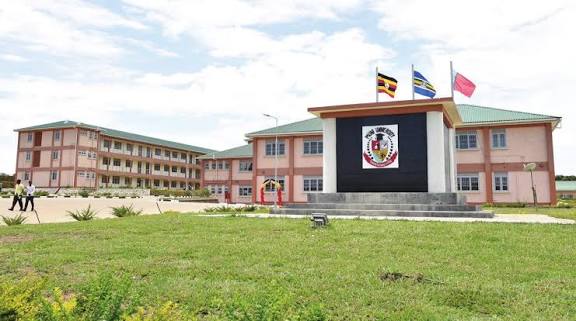
 Tema Innocent

In the heart of northwestern Uganda, where the Nile whispers through valleys and the savanna stretches beneath boundless skies, a hill rises with quiet majesty. Muni Hill, sacred to the Lugbara and Alur peoples, has long watched over Arua City—a sentinel of resilience and dreams.
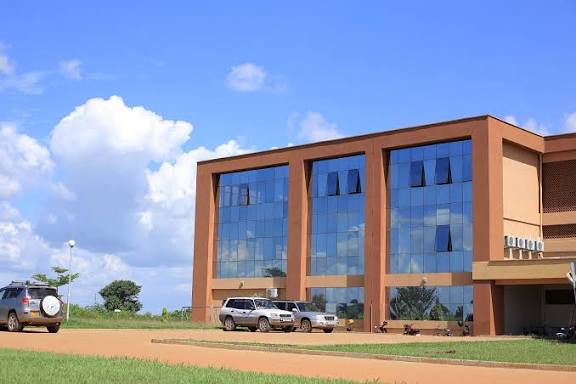
Above is Health Sciences Block
But in 2007, this hill became more than a symbol. Elders from the West Nile sub-region, scarred by conflict and isolation, petitioned President Yoweri Museveni with a simple plea: bring knowledge to heal, empower, and uplift. The response? A university rooted in technoscience—practical innovation to transform lives.
By July 1, 2013, through Statutory Instrument No. 31, Muni University was born. Originally named West Nile University, it was renamed to honor the spirit of Muni Hill. Just 3 km southeast of Arua’s center, the main campus now thrives beside the UNITE-Muni Campus, with expansion plans reaching Okollo, Bidibidi, and Pakwach.
The founding trio—Prof. Christine Dranzoa, Dr. Lam Lagoro, and Rev. Fr. Epiphany Picho Odubuker—laid the cornerstone. In November 2014, the first 100 students arrived. By 2024, the sixth graduation ceremony celebrated 143 trailblazers.
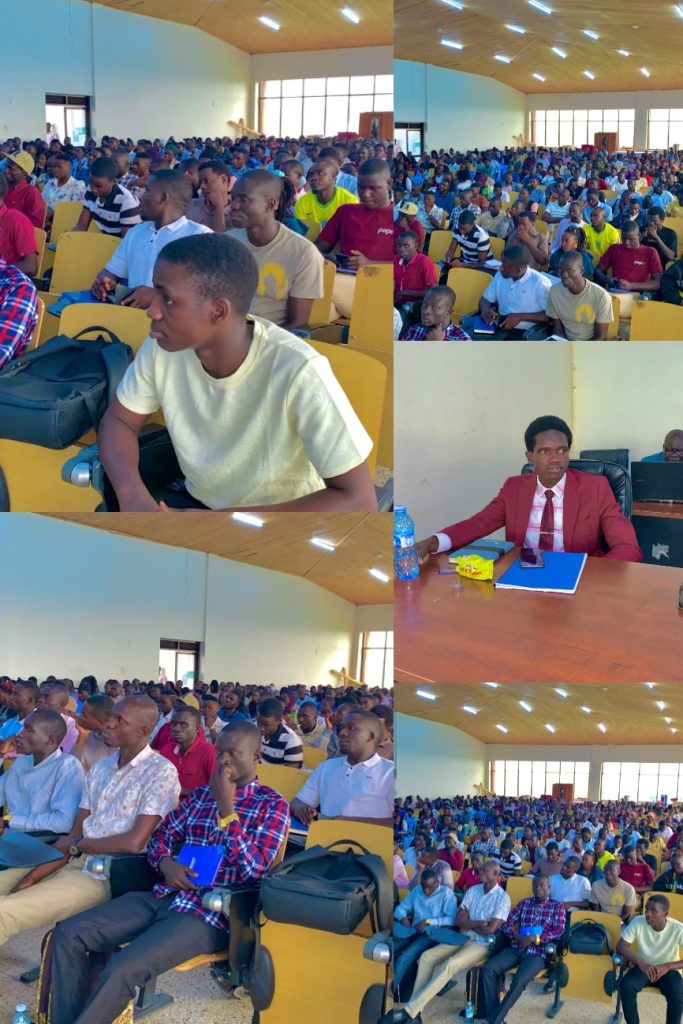
Students Attending Orientation During 2025/26 In the University’s Conference Hall
Muni’s motto, “Transforming Lives,” pulses through its six faculties: Technoscience, Agriculture and Environmental Sciences, Management Science, Education, Health Sciences, and Science. Programs span IT, Nursing, Agriculture, and Vocational Education. Blended learning, e-libraries, and the Muni Institutional Repository weathered COVID-19, ensuring continuity. A 2020 memorandum with AfriChild Centre sparked child-focused research.
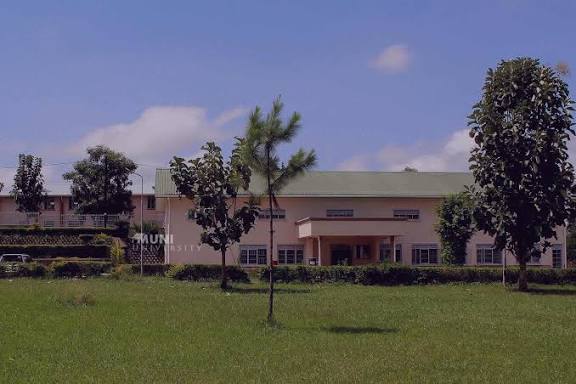
Library Block
Leadership fuels this fire. Chancellor Henry Luke Orombi, appointed in 2022, brings spiritual depth. Vice Chancellor Prof. Simon Anguma Katrini, since 2023, drives bold progress—hosting Türkiye’s Ambassador Nusura Tiperu, welcoming Prof. Frank Dehne for data science lectures, and appointing Prof. Jacob Godfrey Agea as Deputy VC. Prof. Robert Kajobe steers graduate innovation.
Mastercard Foundation’s RETI consortium empowers refugees and youth. Dr. Akim Okuni praised its efficiency at a Kampala workshop in October 2025, as the program aims to skill over 100,000 youth across 15 districts.
Partnerships light the way: Max Planck–Humboldt Research Unit, IRC on reproductive health, Tanzania for Kiswahili excellence, and Mildmay Uganda for sciences. In May 2024, the Regional ICT Innovation Hub launched with UGX 250 million, tackling DevOps and cloud gaps. NCHE commended gender equity. Astrophysicist Prof. Mirjana Pović inspired physics students with cosmic wonder.
But shadows test resolve. In September 2025, a tragic accident on the Pakwach-Arua road claimed Kennedy Acidri, Rev. Canon Patrick Acema, and Coach Washington Opiyo. Campus processions bore their caskets amid grief; interfaith prayers streamed live. At funerals in Ajia and Mvara, Prof. Katrini eulogized their humility and mentorship.
Students pulse with vitality. In October 2025, South Sudanese students formed MUSSUSA, electing Samuel Laguya Wilson Ramba as president. Guild inductions embraced the theme “Forging the Future Together.” On November 1, Muni triumphed in the Ultimate University Quiz Season 3, defeating MUBS 280–140.
Muni’s digital footprint thrives. On X, @Muni_University’s 11,000+ followers engage with AfRU Media Summit updates, UCC Golden Posts tours, and Independence Day pride. Librarian Buruga Bosco Appratus chaired CUUL’s Journal Committee, helping launch the Africa Journal of Information and Innovation. River Asa bridge inspections promise flood relief for students.
Admissions for 2025/2026 thrive: private sponsorship runs February–July; government merit April–July; Higher Education Certificate (HEC) programs offer bridges for qualification. Provisional graduation lists dropped October 25. Hostels are listed, calendars set. Staff transitions continue—University Secretary Emmanuel Natal Banya resigned in June 2025 to pursue MP aspirations.
As November 2025 unfolds, Muni ranks 24th in Uganda, with a 20% acceptance rate. From seeds planted in the 1970s to quiz victories and global partnerships, it bridges divides, empowers refugees, and drives innovation. Upcoming initiatives include deeper RETI youth skilling, the PREEP-Skills Development Project with GIZ Uganda, and new programs like Bachelor of Medicine & Surgery and Environmental Health Sciences—endorsed and awaiting NCHE approval.
Strategic plans also advance the Institute of Leadership and Governance (2025–2030). Prof. Katrini’s assembly urged purpose and discipline. In this saga of defiance and dawn, Muni proves: knowledge ignites eternal flames, shaping Uganda’s future under West Nile’s resilient sun.
This post was created with our nice and easy submission form. Create your post!
Written by
A sports Journalist with RabSports Uganda, Advocate for Children’s Rights and Youths, Amazing Storyteller with DW Akademie and UNICEF, Independent Researcher, Student at Muni University
Did this story move you? Every gift goes directly to Tema Innocent — writers on Muwado earn from reader appreciation, not algorithms. Even $1 makes a difference.





Muwado weekly chart
Get Africa’s top 10 stories every Thursday
No account needed — just your email.
Want to follow Tema Innocent and get notified every time they publish?
Create a free Muwado account →