

 Caesar Obong Ng'bong ocen
The eastern sun rose over the windy city, casting a soft glow on the streets. Another day, another life. An African pastor, far from home, navigating foreign soil — the Free States.
The day had already been relentless. From preaching God’s word to surviving a foiled assassination attempt, Okello moved with the calm precision of a man who had lived in the shadows his entire life. One mission remained: visit the Ugandan embassy, meet his allies, and prepare for what came next.
The chauffeur drove through the busy streets toward the embassy. Staff had been well informed of his visit. They had grown fond of him and his preaching — to them, he was a celebrity. Every official edged closer for a view, some daring to meet him briefly. For these people, it was a once-in-a-lifetime occasion.
Inside the embassy gates, Okello spotted them immediately: his son, Felix, and his right-hand man. Felix remained silent, a shadow of the boy he had once been, now grown into a disciplined soldier. Beside him, Drake moved differently — hands clasped behind his back, eyes flicking over every corner of the compound as if memorizing it for later use.
Something was wrong within these walls. Okello had come to correct it before the quagmire grew deeper. He needed to see his shadow — once a child, now a man who carried responsibility like armor.
“This is a complicated matter,” Okello said as they walked. “It almost caused our own collapse. You know that?”
Drake’s gaze never left the street ahead. A small, knowing smile tugged at his lips.
“Close enough that even ghosts would have noticed,” he said. “And clever enough to wear faces you thought you trusted.”
“How deep?” Okello asked.
“Deep,” Drake replied, tilting his head slightly, calculating. “Enough that defense became a costume. Timing was almost perfect — if we hadn’t been watching.”
He paused at the embassy door, touching the brim of his hat in a brief salute to Okello, unspoken respect for the life-and-death game they had shared. “We see it coming, always. And we stop it.”
Later, in a foreign hotel, Okello sat by the window. He was served by foreigners, ate foreign food, yet nothing tasted real. When he could, he ordered millet bread and stewed smoked beef, clinging to tastes that reminded him of home. Even those, however, felt distant and unreal.
Beyond the glass, the city lay indifferent. Somewhere within the system, a hidden rodent continued to gnaw, waiting to strike. Everything was unraveling — even the country itself seemed to shift, repackaged and softened as it rose into one of Europe’s major tourist hubs.
Okello had been a man of many missions, but this one required him off the radar and in foreign soil. Questions gnawed at him. Why had they tried to kill him here? Who could be trusted? And most painful of all: who was the mole?
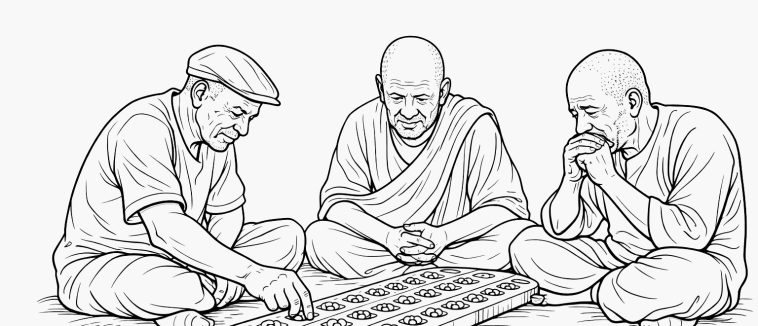
To Okello, espionage was like playing Omweso, the traditional Ugandan board game. A player of reputation must anticipate every move, study weaknesses, and plan each step before acting. Every step, every ally, every threat must be calculated. Drake embodied this precision, silently supporting Okello while offering insight only when necessary.
In his own country, these goons had tried to execute a master plan to eliminate the system’s biggest threat — Okello himself. Rising from humble beginnings to international recognition, he had shaken the foundations of the spy world — the High Table.
These goons were skilled, interwoven, capable of stealing the most detailed plans of any nation. Yet Okello defended Uganda with all his will and wisdom. Fate might have claimed him abroad, but with Drake vigilant, the plot collapsed.
A scheme that dragged a host-country official into the mix seemed childish to Okello — reckless, amateurish, and beneath him. The host nation would have paid the cost, and both the victim and his hospitality would have been at risk — for the man of God was no ordinary target.
The rodent remained hidden, but its presence was felt. Okello prepared for the next phase, knowing the mole operated both abroad and at home. With Drake at his side and Felix watching silently, he was ready. Every move now was deliberate; every ally and enemy a piece on the Omweso board. The game continued — and only one side could win.
This post was created with our nice and easy submission form. Create your post!

Written by
Caesar Obong Ng'bong Ocen is a Ugandan writer whose work traverses narrative fiction, cultural memory, and moral inquiry. Drawing on African cosmologies, and reflective storytelling, his writing engages with issues of power, identity, faith, and the human condition within post‑conflict societies. His series blends political realism with interior psychological struggle, articulating the tensions between duty and conscience, tradition and modernity, exile, redemption. Obong Ng'bong's work bridges literary and social worlds: it interrogates African historical and political realities while exploring philosophical and ethical questions that resonate across disciplines. His narratives are grounded in cultural authenticity and moral depth, making them relevant to both literary and humanistic inquiry. He also mentors emerging writers and contributes to dialogue on African storytelling traditions and their place in contemporary literature.
Did this story move you? Every gift goes directly to Caesar Obong Ng'bong ocen — writers on Muwado earn from reader appreciation, not algorithms. Even $1 makes a difference.




Muwado weekly chart
Get Africa’s top 10 stories every Thursday
No account needed — just your email.
Want to follow Caesar Obong Ng'bong ocen and get notified every time they publish?
Create a free Muwado account →