

 Oweyegha Afunaduula

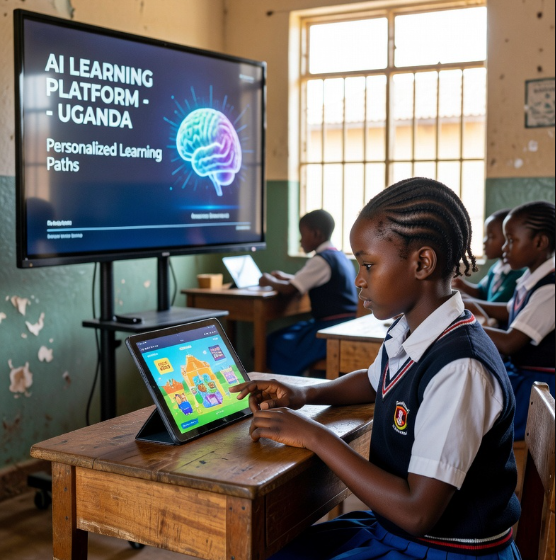
As the United States grapples with the impending AI-driven job market disruption, Uganda sees an opportunity to leapfrog into a prosperous future. By embracing extra-disciplinary science and AI-driven education, Uganda can become a thriving tech hub by 2050.
The Shift from Disciplinary to Extra-disciplinary Science
Traditional disciplinary science has limitations in addressing complex, interconnected challenges. Extra-disciplinary science transcends boundaries, integrating knowledge from diverse fields to tackle real-world problems. AI is a prime example of extra-disciplinary innovation, combining computer science, mathematics, and cognitive science to revolutionize industries.
– Interdisciplinarity: Integrates methods and insights from two or more disciplines to solve problems.
– Crossdisciplinarity: Views one subject through the lens of another discipline.
– Trans-disciplinarity: Unites academic disciplines to address complex real-world challenges, involving co-creation with stakeholders.
– Extra-disciplinarity: Operates beyond disciplinary restrictions, drawing upon indigenous wisdom, traditional ecological knowledge, and community-based innovation [2].
A Unified Science Approach: Arts, Social Science, and Natural Science
Uganda should reject the false dichotomy between Humanities, Social Sciences, and Natural Sciences. Instead, we advocate for a unified science approach, recognizing the three dimensions as interconnected and mutually inclusive. This mindset shift will foster extra-disciplinary learning communities, driving innovation and AI adoption.
Restructuring Government Efforts: Beyond Sectors
Accepting the oneness of science and its extra-disciplinarity necessitates a shift beyond disciplinarily-driven sectoral divisions. We should focus on:
– Intersectionality: Addressing complex challenges through intersecting perspectives.
– Cross-sectorality: Collaborating across sectors to tackle interconnected issues.
– Trans-sectorality: Uniting sectors to address complex real-world challenges.
– Extra-sectorality: Operating beyond traditional sectoral boundaries, embracing holistic problem-solving.
This new mindset will enable Uganda to harness AI’s potential, driving meaningful change in an Internet and AI-dominated world.
Recommendations
1. Integrate extra-disciplinary science into education: Foster interdisciplinary, cross-disciplinary, transdisciplinary, and extra-disciplinary learning.
2. Invest in AI infrastructure and training: Develop AI labs, curricula, and faculty expertise.
3. *Promote extra-disciplinary learning communities: Encourage collaboration across Arts, Social Sciences, and Natural Sciences.
4. Abandon sectoralisation of the Uganda economy: Shift towards intersectional, cross-sectoral, trans-sectoral, and extra-sectoral approaches to maximize AI benefits.
5. Establish innovation hubs: Support startups and entrepreneurs applying AI to real-world challenges.
6. Restructure government efforts beyond sectors: Adopt intersectional, cross-sectoral, trans-sectoral, and extra-sectoral approaches in policy-making and implementation.
By embracing extra-disciplinary science and AI-driven education, Uganda can turn the AI Doomsday scenario into a Boomsday by 2050.
References:
[1] UNESCO. (2025). AI and education: Guidance for policy-makers (2nd ed.).
[2] Oweyegha-Afunaduula, F. C. (2024). Advancing Environmental Public Learning in Uganda.
[4] Comprehensive Research On The Need To Integrate Artificial Intelligence in Ugandan Education
This post was created with our nice and easy submission form. Create your post!

Written by
I am a retired lecturer of zoological and environmental sciences at Makerere University. I love writing and sharing information.
Did this story move you? Every gift goes directly to Oweyegha Afunaduula — writers on Muwado earn from reader appreciation, not algorithms. Even $1 makes a difference.






Muwado weekly chart
Get Africa’s top 10 stories every Thursday
No account needed — just your email.
Want to follow Oweyegha Afunaduula and get notified every time they publish?
Create a free Muwado account →