

 Olara Samuel
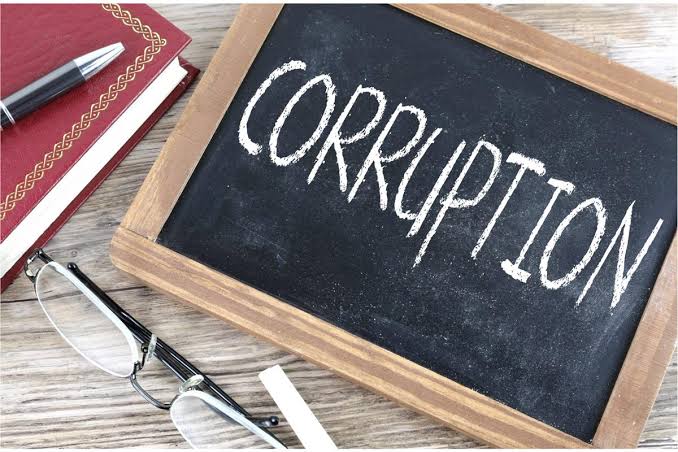
Scholars have always said that, a nation is not destroyed by its enemies, but by the corruption of its own leaders.
When corruption becomes normal, suffering becomes permanent.
For decades, Uganda has been bleeding from a wound that refuses to heal. That wound is corruption. It has eaten through the country’s institutions, destroyed public trust, weakened the economy, and stolen the future of millions of ordinary citizens.
Corruption is no longer just a problem in Uganda, it has become a national tragedy.
Ugandans wake up every day to broken hospitals, collapsing schools, impassable roads, unemployment, poverty, and insecurity. Yet billions of shillings disappear every year through theft, inflated contracts, ghost workers, bribery, embezzlement, and abuse of public office. Leaders who were entrusted to protect the nation have instead turned public offices into personal businesses. While citizens struggle to survive, a small group of powerful individuals grows richer through the suffering of the people.
Corruption has killed the healthcare system. Patients die in hospitals without medicine because funds meant for drugs are stolen. Mothers give birth on dirty floors while officials drive luxury vehicles purchased with public money. Doctors and nurses work under impossible conditions because resources vanish before they reach hospitals. How many Ugandans have died not because diseases were incurable, but because corruption stole their chance to live?
Corruption has killed education. Children study under trees while education funds disappear into private pockets. Teachers are underpaid and demoralized while billions are wasted on fake projects and endless scandals. A nation that fails to educate its children is preparing for a future of poverty, crime, and hopelessness.
Corruption has also destroyed justice.
Parliament, which is supposed to protect the people and defend national interests, has increasingly been viewed by many Ugandans as one of the biggest institutions promoting corruption and misuse of public resources. Instead of acting as a strong watchdog against theft and abuse of power, Parliament has repeatedly been associated with scandals involving excessive spending, questionable allocations, inflated budgets, and political favoritism. While millions of citizens struggle with poverty, unemployment, and failing public services, lawmakers are often accused of prioritizing personal benefits over the suffering of ordinary Ugandans. This is why everyone in Uganda wants to be an MP, it is an instituition that has turned theft into carrer!!
The growing public anger toward Parliament reflects a deeper crisis of trust. Citizens are losing confidence in leaders who appear disconnected from the realities of the people they represent. When an institution meant to fight corruption becomes associated with corruption itself, the entire nation suffers. In a corrupt system, the rich can buy freedom while the poor suffer without protection. Cases disappear. Criminals walk free. Honest citizens lose faith in institutions that are supposed to defend them. When justice is sold to the highest bidder, society becomes dangerous for everyone.
The economy continues to suffer because corruption scares away investors, destroys accountability, and increases unemployment. Young people graduate from universities only to face joblessness because opportunities are reserved for those with connections, money, or political influence. Merit has been replaced by favoritism. Hard work no longer guarantees success.
The most painful part is that corruption has become normalized. Ugandans have witnessed scandal after scandal involving powerful public officials, including controversies surrounding high ranking leaders such Anita Among, the Speaker of the Parliament of Uganda and the widely discussed allegations connected to misuse of public resources and luxury spending while ordinary citizens continue to suffer. These stories dominate headlines, spark public outrage, and then slowly fade away without meaningful accountability. This cycle has deepened public anger and convinced many citizens that corruption is protected at the highest levels of power. People are told that bribery is “how the system works.” Public officials steal openly without shame. Scandals erupt every year, but very few powerful individuals are ever held accountable. Uganda cannot progress when corruption is treated like a normal part of life.
This is not the Uganda that those who received the reigns of independence, dreamed of. A nation blessed with fertile land, natural resources, hardworking citizens, and immense potential should not be drowning in poverty and despair. Uganda is rich, but its people remain poor because corruption has captured the nation.
Enough should be enough Ugandans. Let us demand for accountability.
The greatest theft is not stealing money, it is stealing the future of an entire generation.
Ugandans must stop accepting corruption as inevitable. Citizens must demand accountability, transparency, and justice. Leaders who steal public funds should face serious punishment regardless of their position or political connections. Institutions must serve the people, not protect the corrupt.
The fight against corruption is not only for politicians or activists, it is a fight for every Ugandan who dreams of a better future. Silence only strengthens corruption. Fear only empowers thieves. If Uganda is to survive and prosper, the culture of impunity must end.
Corruption has already stolen too many dreams, destroyed too many families, and buried too many futures. The country cannot continue on this path.
Uganda deserves honest leadership. Uganda deserves justice. Uganda deserves development. Most importantly, Uganda deserves freedom from corruption.
Corruption is a silent war against Ugandans. A corrupt Parliament and Government may build monuments, but it will destroy the human dignity of its citizens.
Until corruption is defeated, Uganda will never fully rise. And that is the painful truth.
History will not remember the excuses of corrupt leaders. It will remember the suffering of the people they betrayed.
The storyteller is a human rights advocate and son to General Bazilio Olara Okello.
This post was created with our nice and easy submission form. Create your post!
Did this story move you? Every gift goes directly to Olara Samuel — writers on Muwado earn from reader appreciation, not algorithms. Even $1 makes a difference.






Muwado weekly chart
Get Africa’s top 10 stories every Thursday
No account needed — just your email.
Want to follow Olara Samuel and get notified every time they publish?
Create a free Muwado account →