

 Shadreck Chikoti
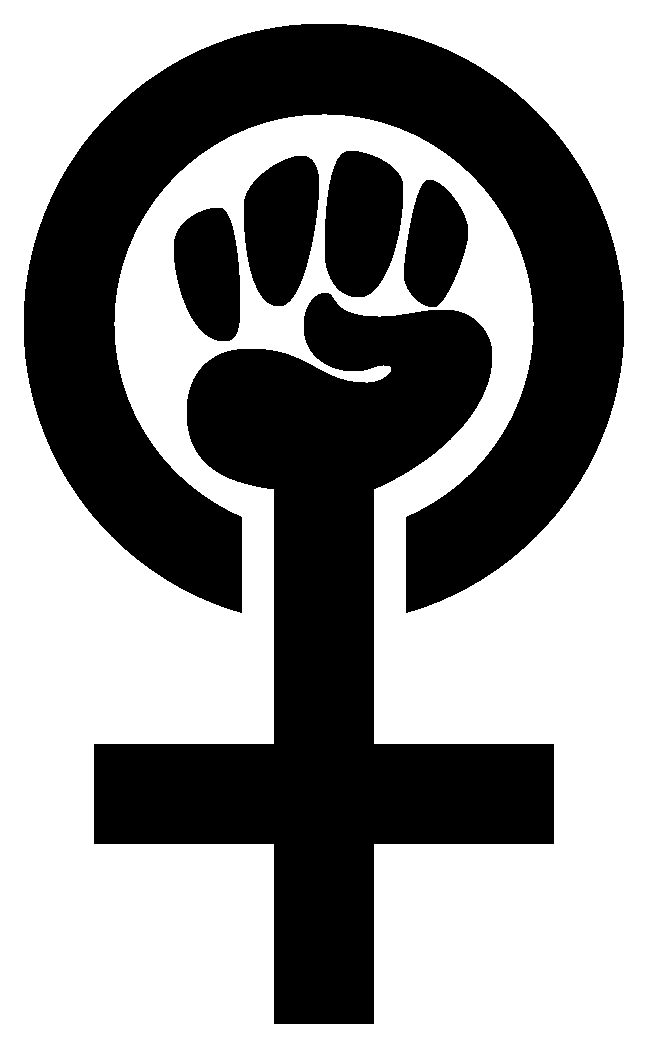
Here is the problem: if feminism is defined strictly by lived experience, then several critical questions arise.
First, not every woman’s experience is the same. While statistics clearly show that some experiences cut across women’s lives broadly, and therefore justify collective feminist responses, the question remains: how do we define these experiences today?
What do we do with men who identify as women?
What do we do with transgender people?
What about other gender identities?
Does feminism recognise these genders, or does it discriminate against them? If feminism recognises other genders, then it must necessarily incorporate their lived experiences as well. But how, then, does a man’s lived experience get woven into the advancement of feminism?
We often speak of allies, but allies to whom? To women, or to feminism itself?
When Chimamanda says we must all be feminists, I am certain she means exactly that, by every word. She means men, women, and people of all genders. The idea is for all of us to recognise the disparities that exist and, from our different vantage points and lived experiences, actively work to eliminate them.
If we say feminism belongs only to women, we begin to discriminate, and in doing so we place limits on the movement’s growth. We end up “othering” men, transgender people, and those of other gender identities, distancing them from the struggle instead of drawing them into it.
Feminism, at its core, must be understood as a pursuit of a just and equal world, one in which all genders thrive together and participate actively in achieving that goal.
In some parts of Africa, however, feminism has increasingly become a commodity: a donor-funded movement. In such contexts, it becomes convenient for certain groups to be pushed out of the circle so they do not have to share already scarce resources. This reality deserves honest interrogation.
My daughter was eleven when she wrote her first poetry book. When she finished it, I asked whether she could include a poem that defined her space as a woman. One such poem is titled “Being My Own Hero.” Her book was published when she was twelve and launched on her thirteenth birthday.
If I were a damsel in distress,
Put to the test,
I’d do my best,
To save me and the rest.
I’d be the hero courageous,
When things get dangerous.
We can have a sober, intellectual discussion about these questions without calling each other names. You are welcome to dig in.
This post was created with our nice and easy submission form. Create your post!
Written by
Did this story move you? Every gift goes directly to Shadreck Chikoti — writers on Muwado earn from reader appreciation, not algorithms. Even $1 makes a difference.

Muwado weekly chart
Get Africa’s top 10 stories every Thursday
No account needed — just your email.
Want to follow Shadreck Chikoti and get notified every time they publish?
Create a free Muwado account →