

 Odoki Jimmy

By Daniel Sentamu (PERSPECTIVE of lived experience)
As we observe World Bipolar Day 2026, it is time to shift the conversation. While awareness is vital, awareness without the protection of fundamental human rights remains incomplete. For many of us who have bipolar affective disorders—in my case, for over 15 years—the greatest barrier is not merely the condition itself, but the systemic injustice and discrimination we face in our daily lives.
The Silent Crisis: Rights and Legal Recourse
In many communities, persons who have mental health challenges are systematically silenced. We are frequently denied the right to own property, barred from legal recourse, and targeted by law enforcement officers rather than protected by them.
The reality for many is a cycle of:
Family-level discrimination:
Disinheritance and exclusion from decision-making.
Legal harassment:
Facing hostile legal environments where our diagnoses are used to undermine our credibility.
State-level negligence:
A lack of supportive channels for reporting abuse or seeking justice when our rights are violated.
A Call to Action:
The status quo is unsustainable. We need more than sympathy; we need systemic reform and active protection. To the mental health community, stakeholders, and policymakers, I propose the following pillars for urgent recourse and collaborative action:
Legal Aid Programs:
Establishing specialized legal support channels for individuals with mental health challenges, who are victims of discriminatory property disputes or harassment.
Sensitization of Law Enforcement Officers:
Implementing mandatory training for police and local authorities on how to interact with and protect persons with mental health conditions, ensuring they are treated as citizens with rights, not as targets.
Community Protection Networks:
Developing local advocacy groups that serve as watchdogs to prevent the mistreatment and mob justice often directed towards our peers.
Policy Reinforcement:
Aligning local community practices with international human rights standards to ensure that a mental health diagnosis is never a justification for the loss of civil liberties.
Conclusion
I commend the tireless efforts of advocates like Joseph Atukunda, Jimmy Odoki Acellam, Eddie Nkurunungi, Benon Kabale, and others who are working to normalize the conversation around mental health. However, let this World Bipolar Day be the start of a new chapter—one where we demand justice with the same fervor that we demand understanding.
We must move beyond the “awareness” phase and enter the “action” phase. No one should be denied their rights because of their health conditions. It is time for our communities to become spaces of protection, not prejudice.
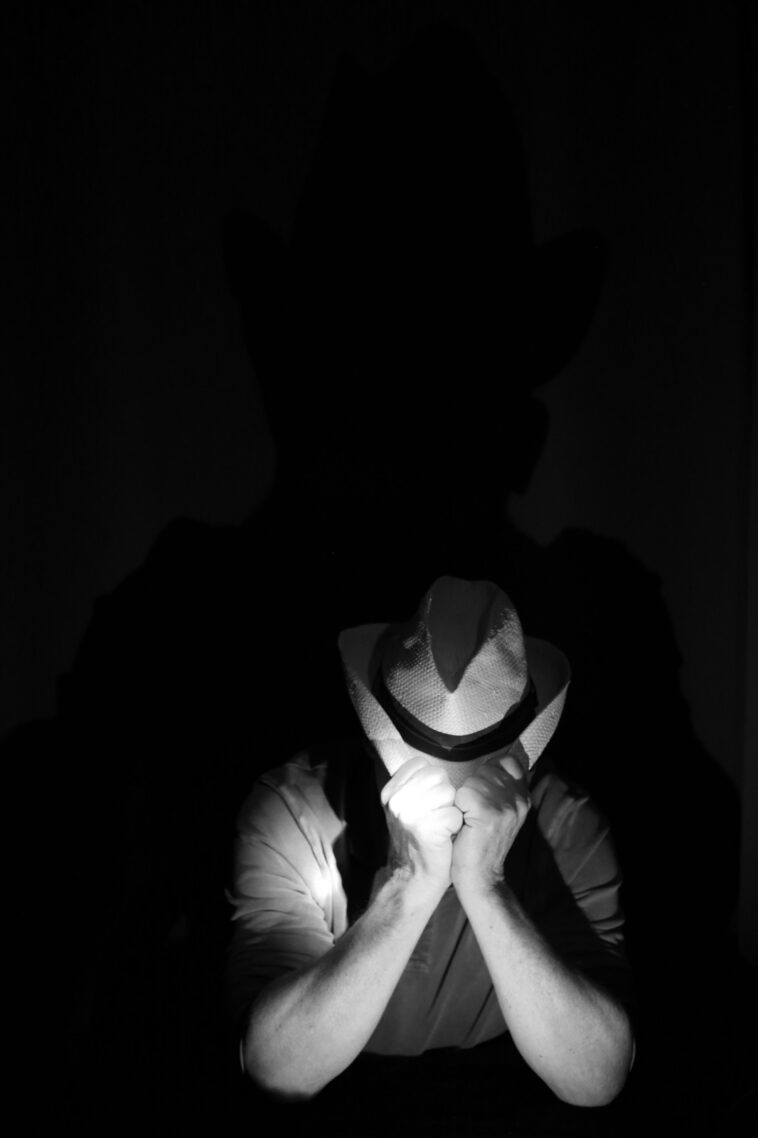
Photo: Rachel Mabala
This post was created with our nice and easy submission form. Create your post!

Written by
Jimmy Odoki Acellam is Coordinator of Heartsounds Uganda and a Mental Health Advocate.
Did this story move you? Every gift goes directly to Odoki Jimmy — writers on Muwado earn from reader appreciation, not algorithms. Even $1 makes a difference.






Muwado weekly chart
Get Africa’s top 10 stories every Thursday
No account needed — just your email.
Want to follow Odoki Jimmy and get notified every time they publish?
Create a free Muwado account →