

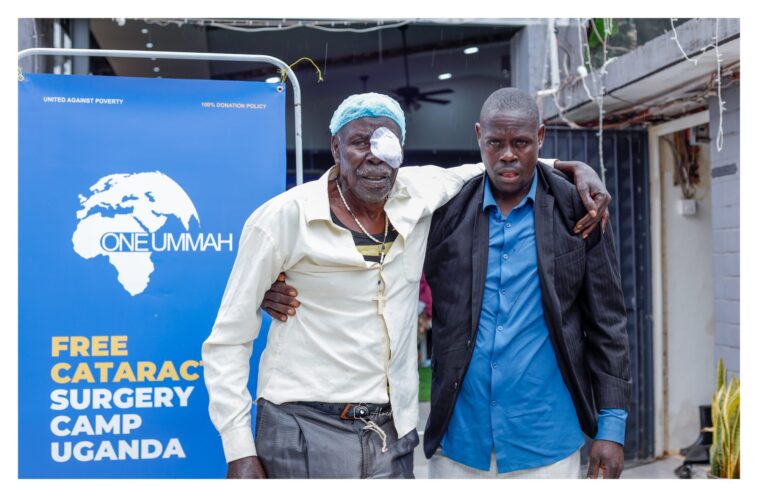
 Ahmed Didaati
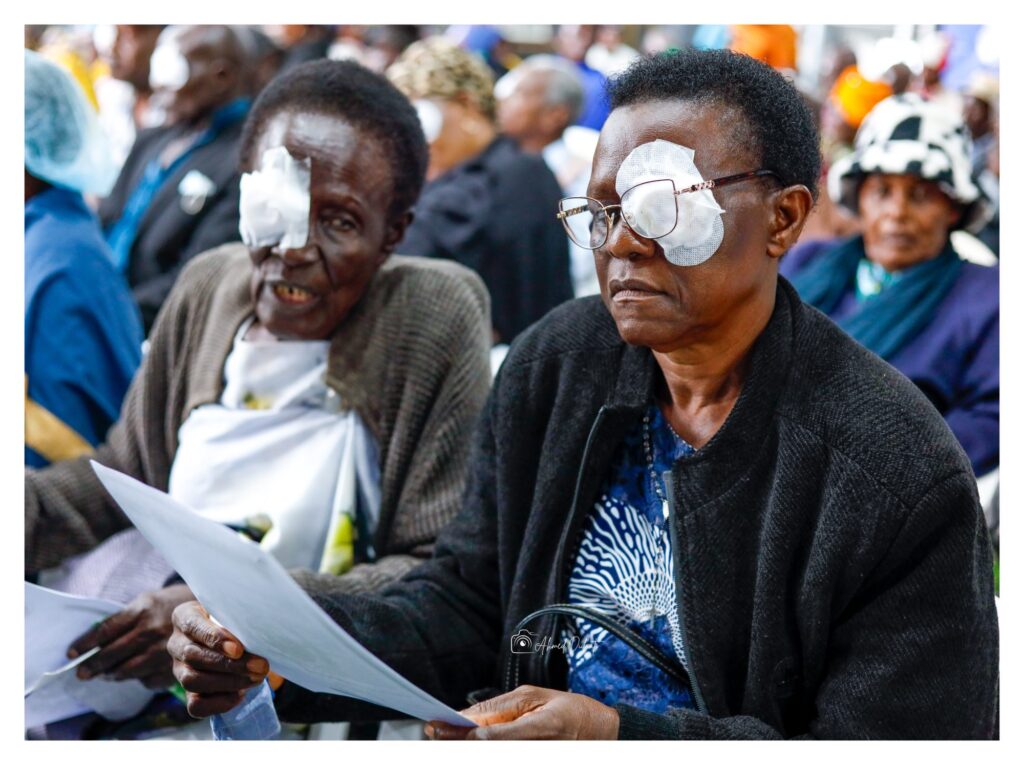
For many people living with cataracts, losing sight is a gradual process.
Faces become difficult to recognise. Movement becomes uncertain. Daily work becomes harder. For some, the loss of vision can mean losing their independence.
But for hundreds of Ugandans, that darkness has begun to lift.
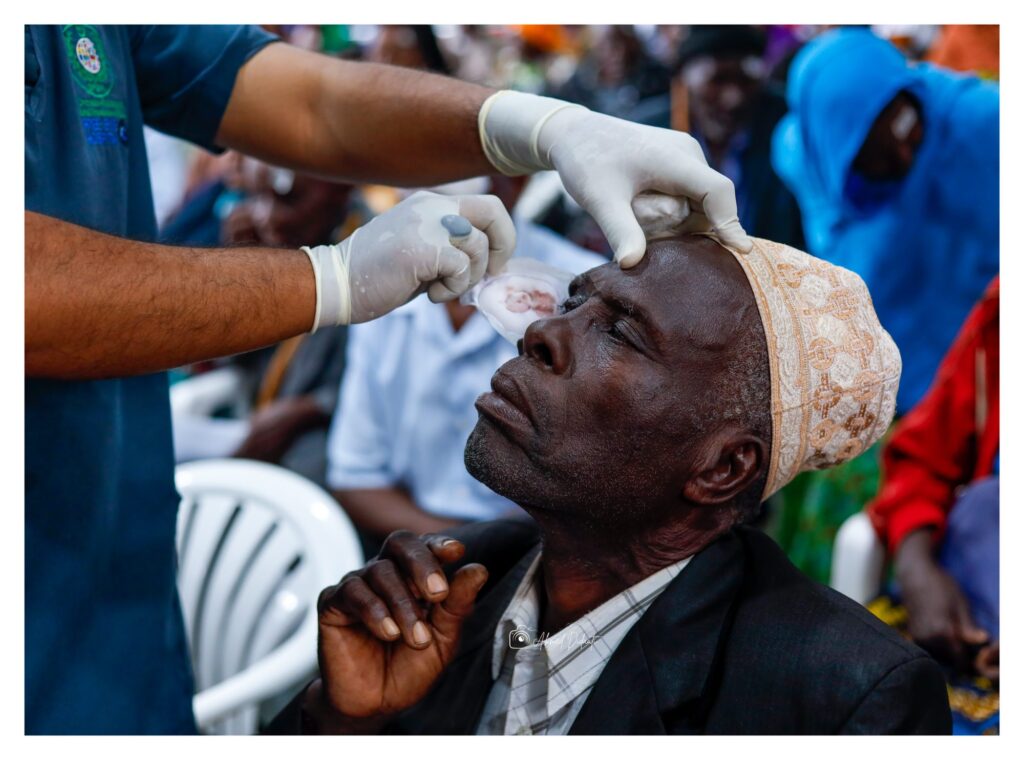
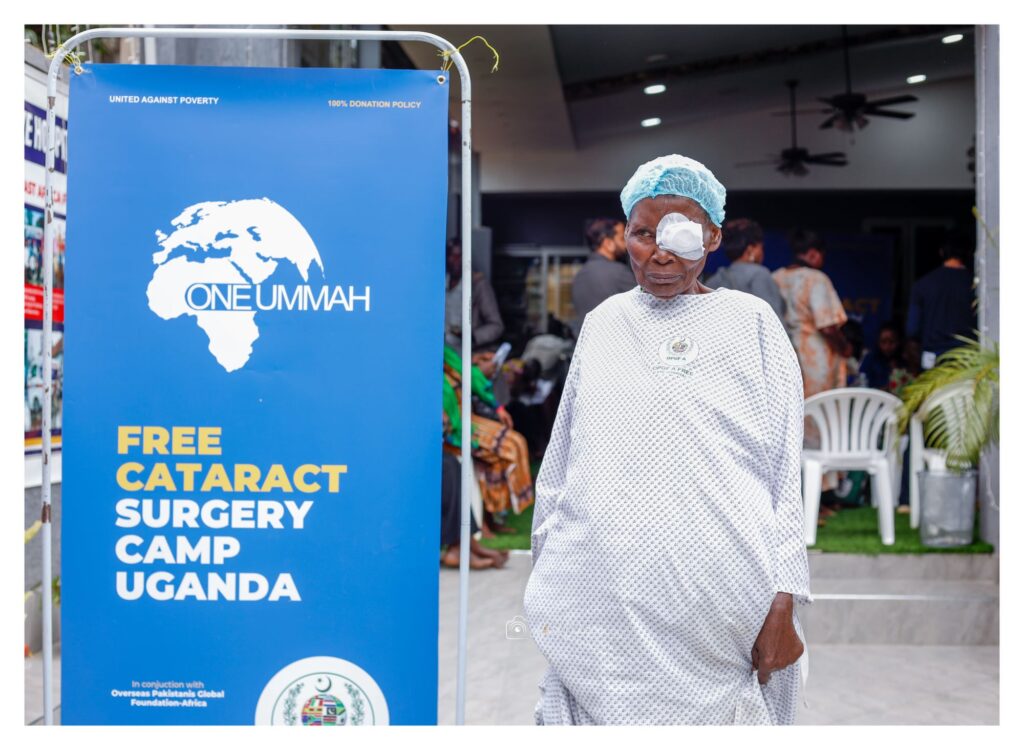
On 19 July 2026, a free cataract surgical camp at the OPGFA Free Eye Hospital in Kampala ended after hundreds of patients received surgery. The campaign was organised through a collaboration between One Ummah Uganda and the Overseas Pakistanis Global Foundation Africa (OPGFA).
According to an OPGFA update, about 427 patients underwent cataract operations during the July campaign.
Now, the programme is expected to move closer to communities in western Uganda.
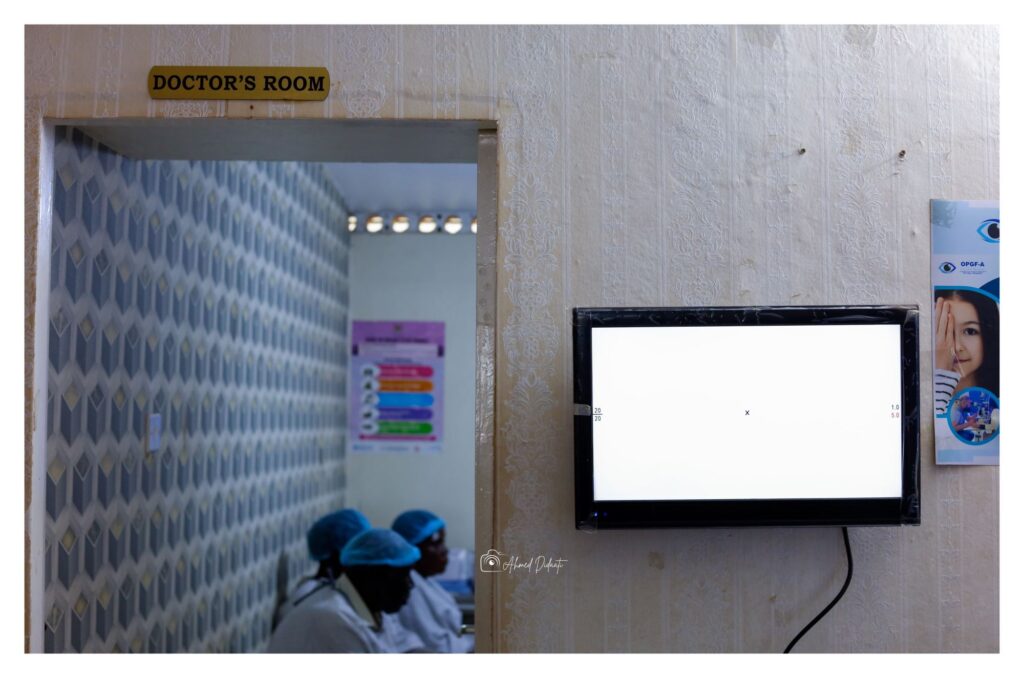
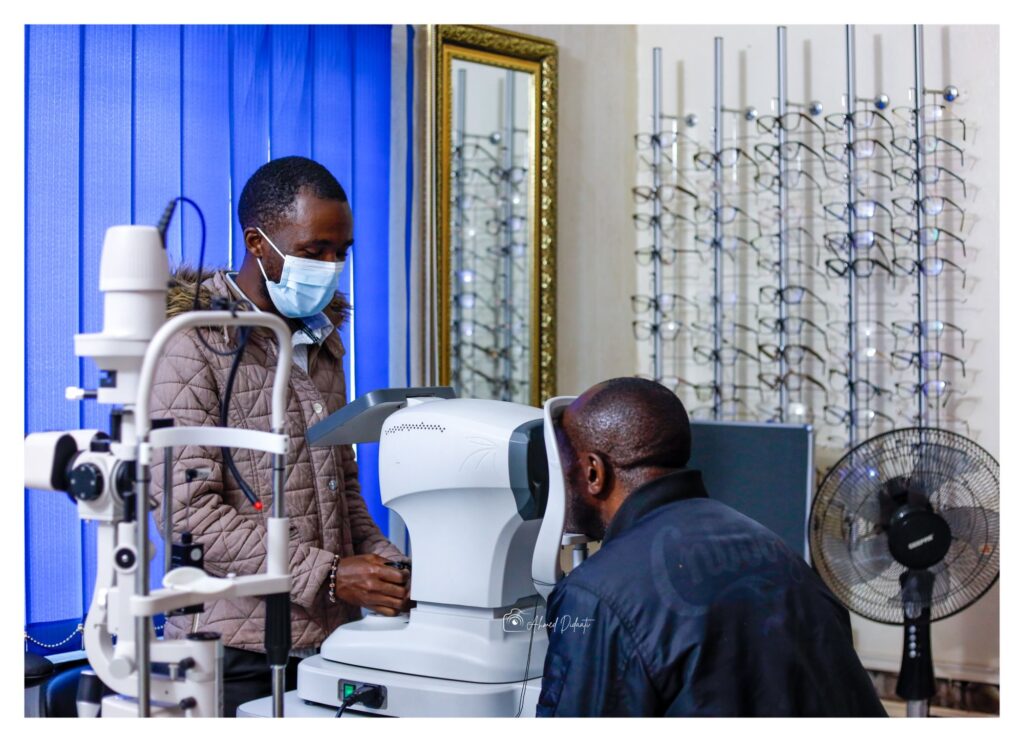
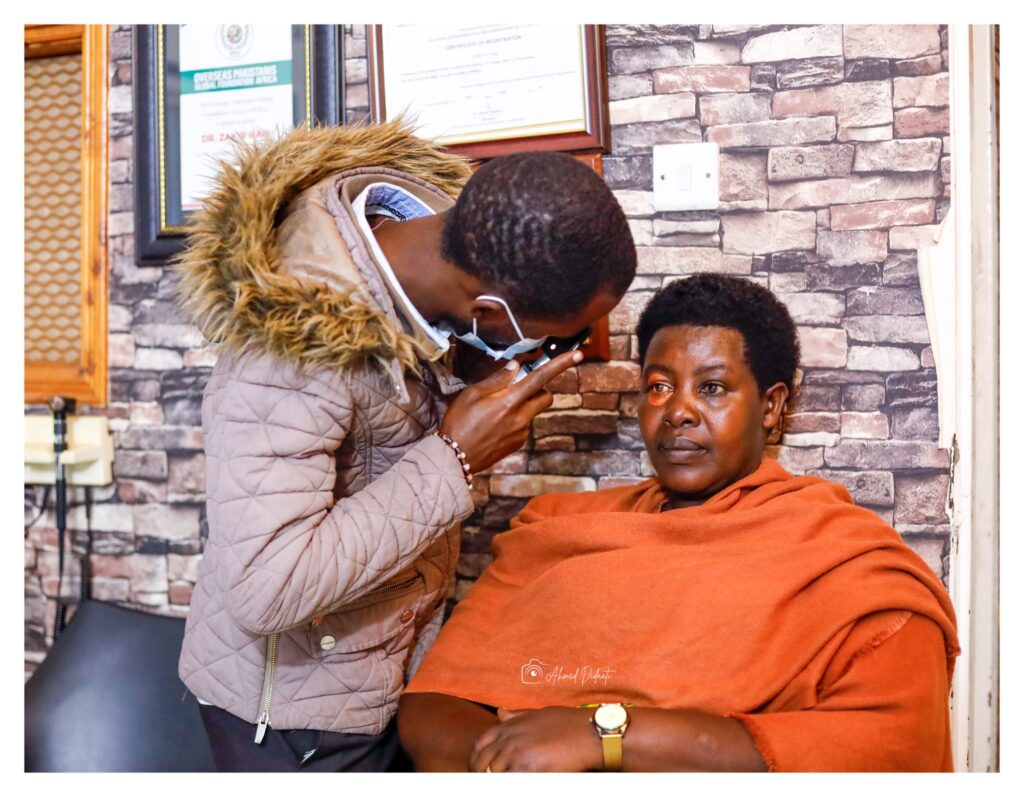 In September, One Ummah Uganda and OPGFA plan to organise a free cataract surgical eye camp in Hoima, serving patients from Hoima and neighbouring districts.
The initiative was announced during a visit on 18th July 2026 at the OPGFA Free Eye Hospital by Mr. Usman Azam, Regional Desk Manager for Africa and Asia.
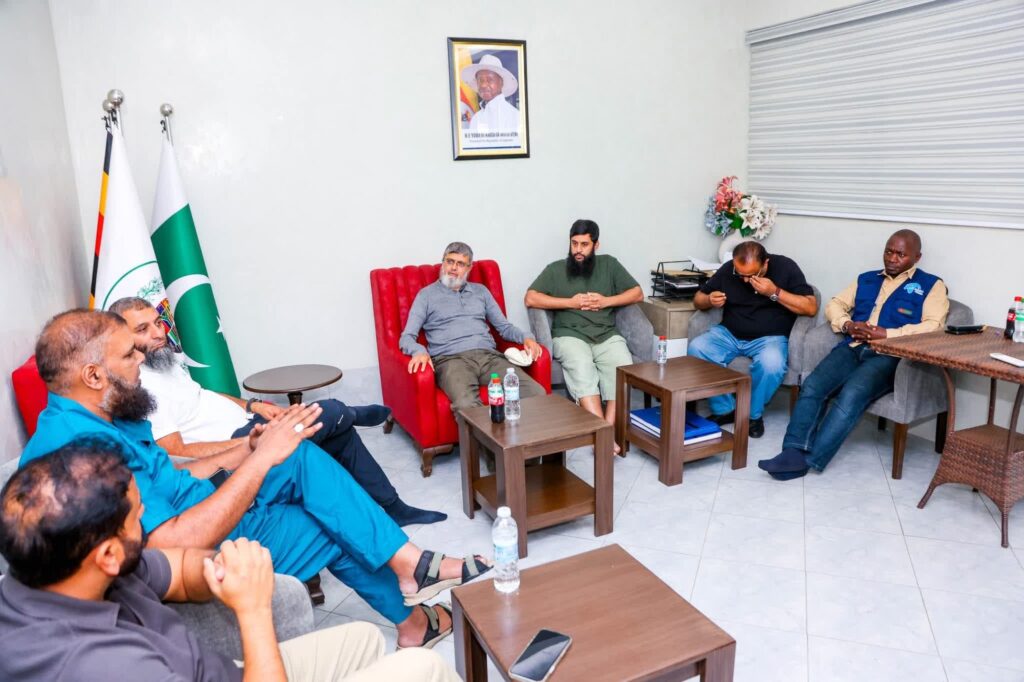 The planned Hoima outreach comes as access to specialist eye care remains uneven across the country.
While Hoima Regional Referral Hospital provides ophthalmology services, patients with advanced cataracts often require surgery to restore their sight. A previous eye-health assessment in Hoima documented a significant burden of avoidable blindness and challenges in accessing cataract surgery.
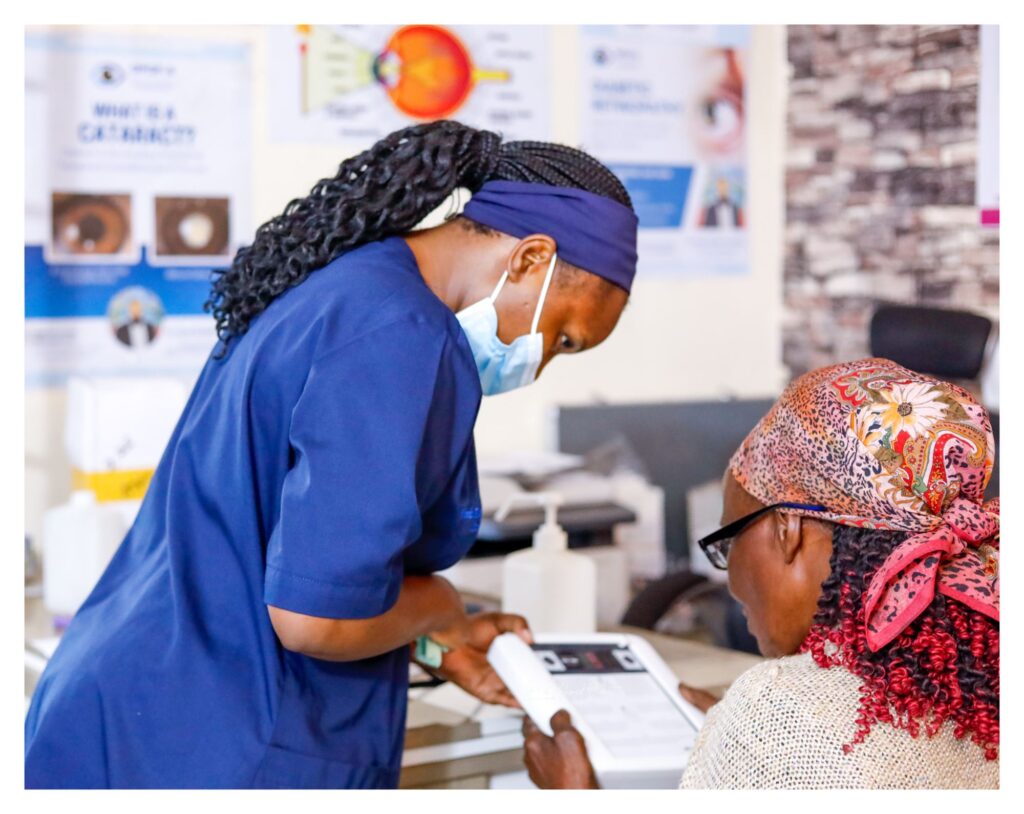 However, the current number of people needing cataract operations in Hoima and neighbouring districts remains unclear.
Community screening will therefore be important in identifying people who need cataract surgery, prescription glasses or specialist treatment and referral.
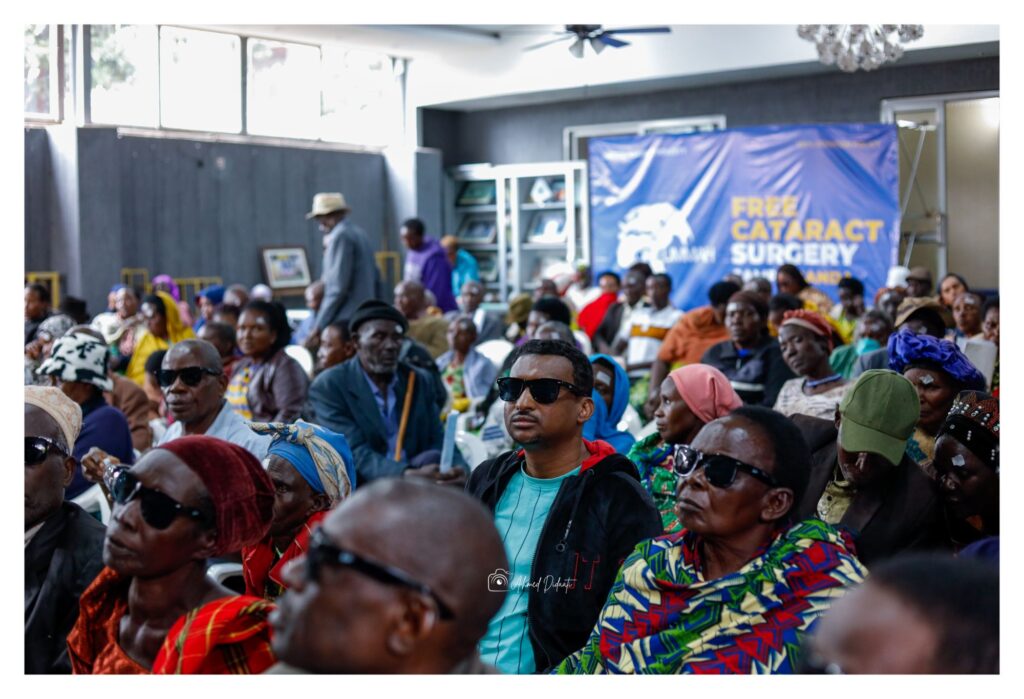
 For rural communities, the distance to specialised services can be a major barrier.
Bringing cataract surgery closer to Hoima could help patients who might otherwise struggle to travel to Kampala.
But the planned eye-care outreach is only one part of the work One Ummah Uganda is carrying out across the country.
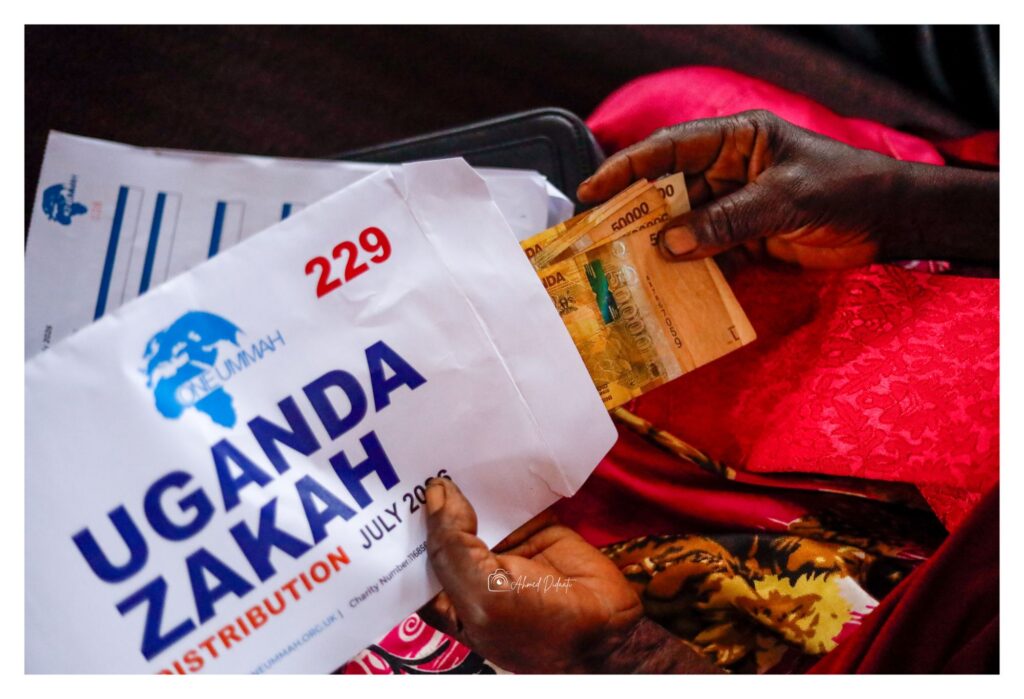
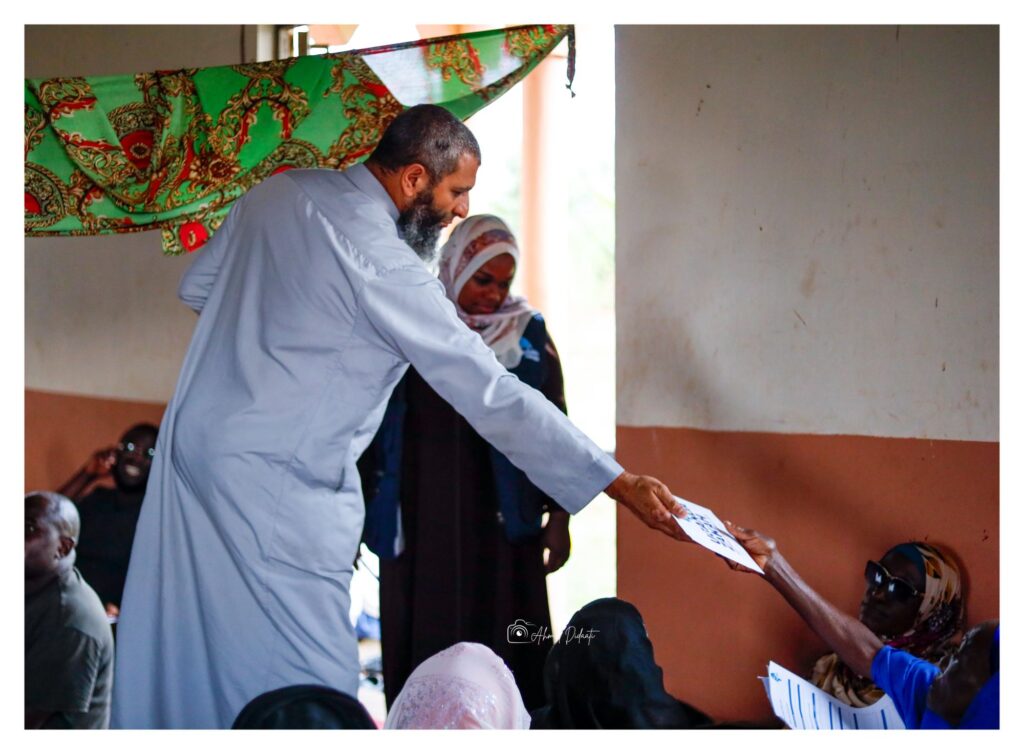 During his visit to Uganda, Mr. Usman Azam also travelled to Butambala District, where he visited One Ummah Uganda projects and joined the distribution of Zakat to members of the Muslim community.
For beneficiaries, such support can mean more than immediate financial relief.
Zakat assistance can help vulnerable families meet basic needs while, for some recipients, providing an opportunity to invest in small businesses and other income-generating activities.
According to One Ummah Uganda, the organisation has distributed Zakat to more than 10,000 Muslims across Uganda over the past eight years, supporting people in need and helping some beneficiaries establish livelihoods of their own.
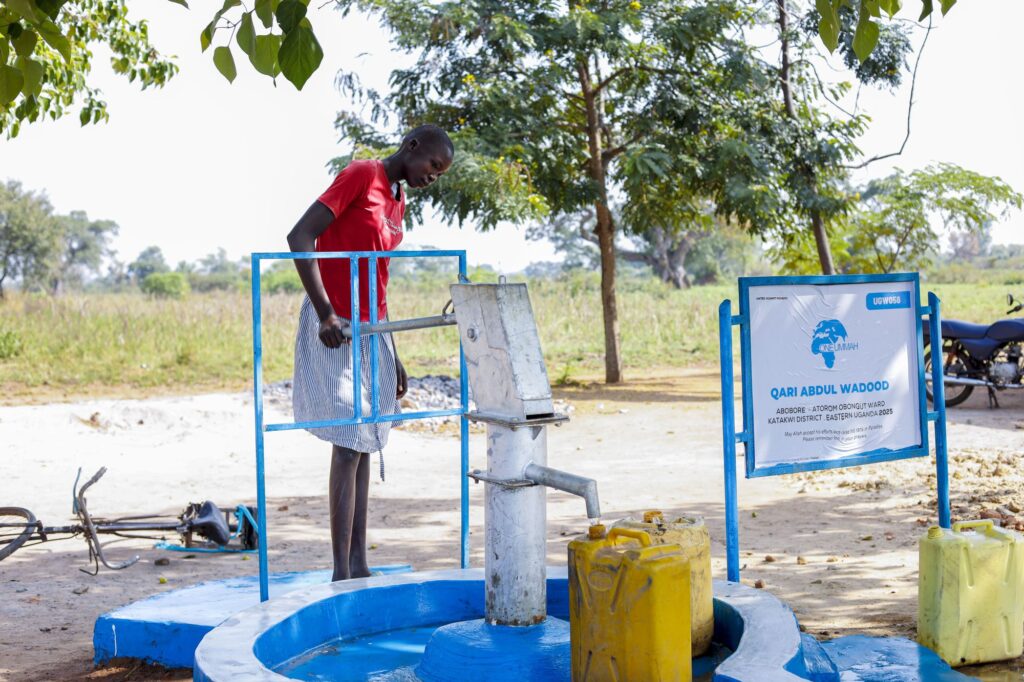
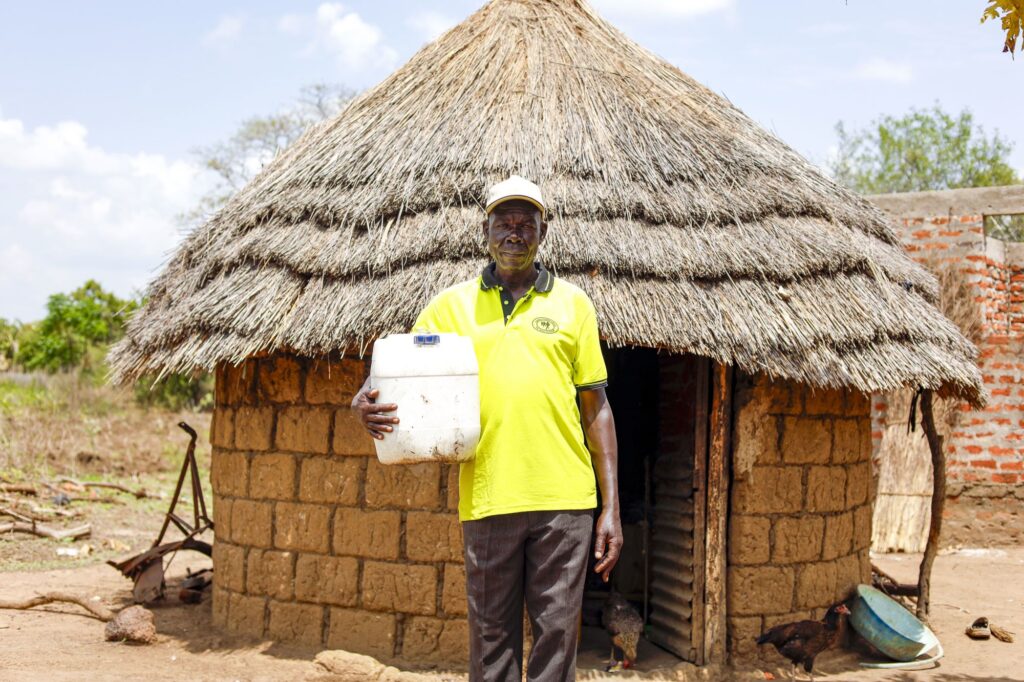 The visit to Butambala also included a look at completed water well projects, another part of One Ummah Uganda’s wider humanitarian work.
Access to clean water remains a major challenge for many rural communities. For families who depend on distant or unreliable water sources, the construction of a well can change the rhythm of everyday life.
It can reduce the distance people travel to collect water and improve access to safer sources for drinking and household use.
One Ummah’s annual reports show that water projects have been a significant part of its work in Uganda. One report recorded another 107,000 beneficiaries of clean-water projects.
The charity’s current water programme also lists Uganda among the countries where it constructs boreholes, with a single borehole potentially serving a community of up to 1,000 people.
For communities where water sources are distant or unreliable, such projects can have an impact far beyond the provision of water.
They can save time, support household health and allow families to focus more on education, work and other daily activities.
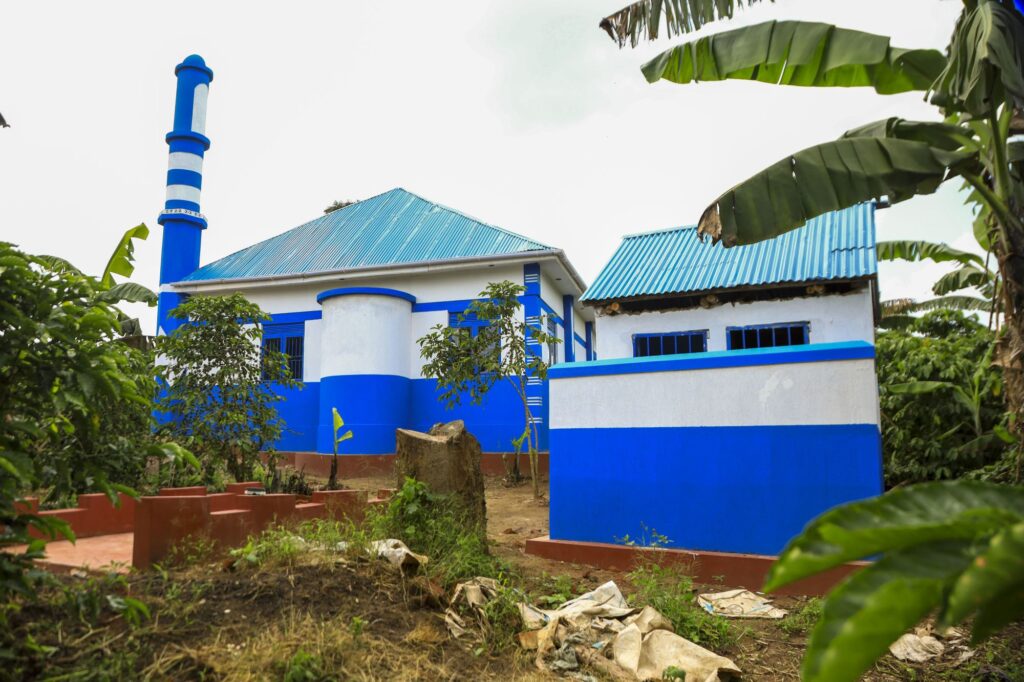
The visit also included Mpigi District, where Mr. Usman Azam visited a One Ummah mosque project.
The mosque project formed part of the organisation’s wider community development work, supporting places of worship and strengthening community life.
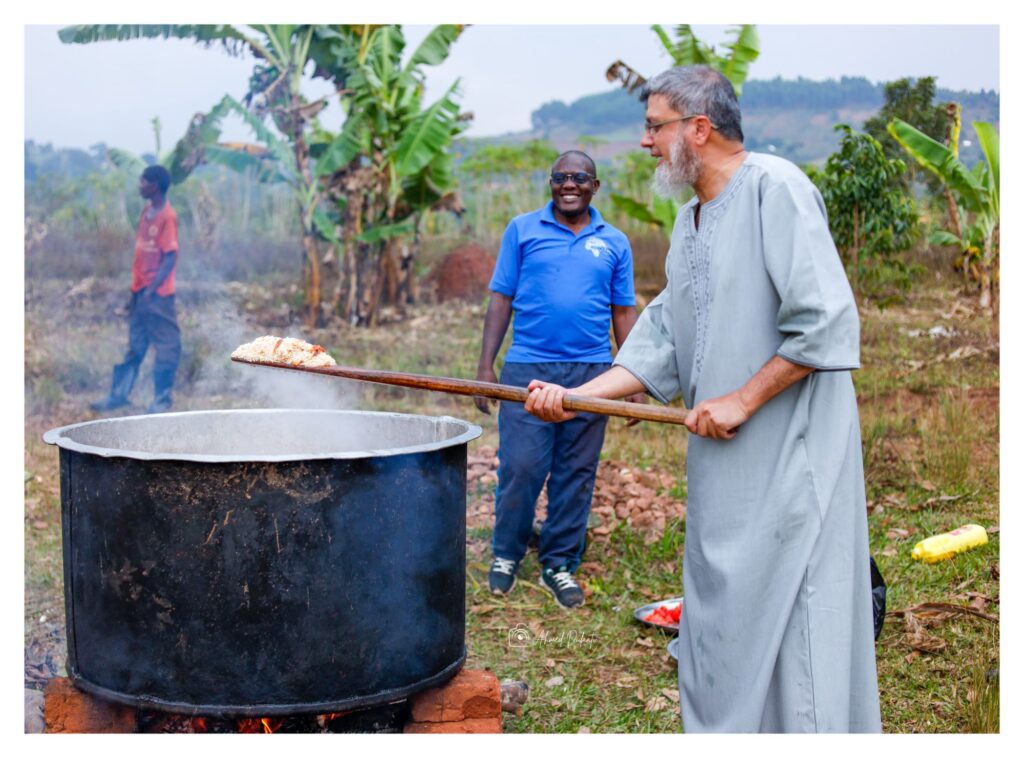
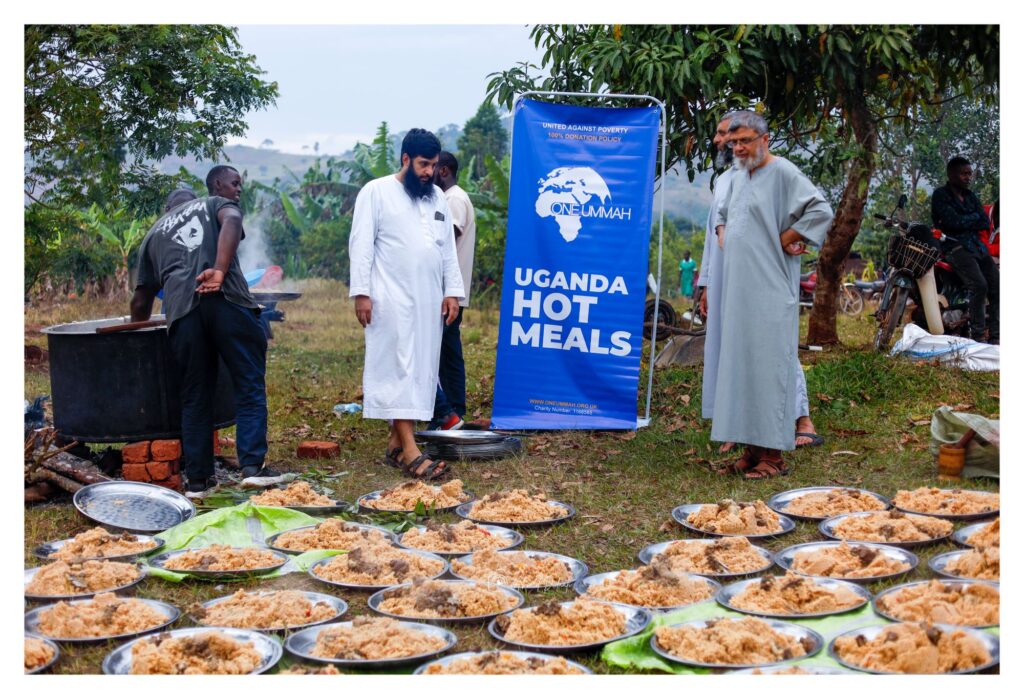
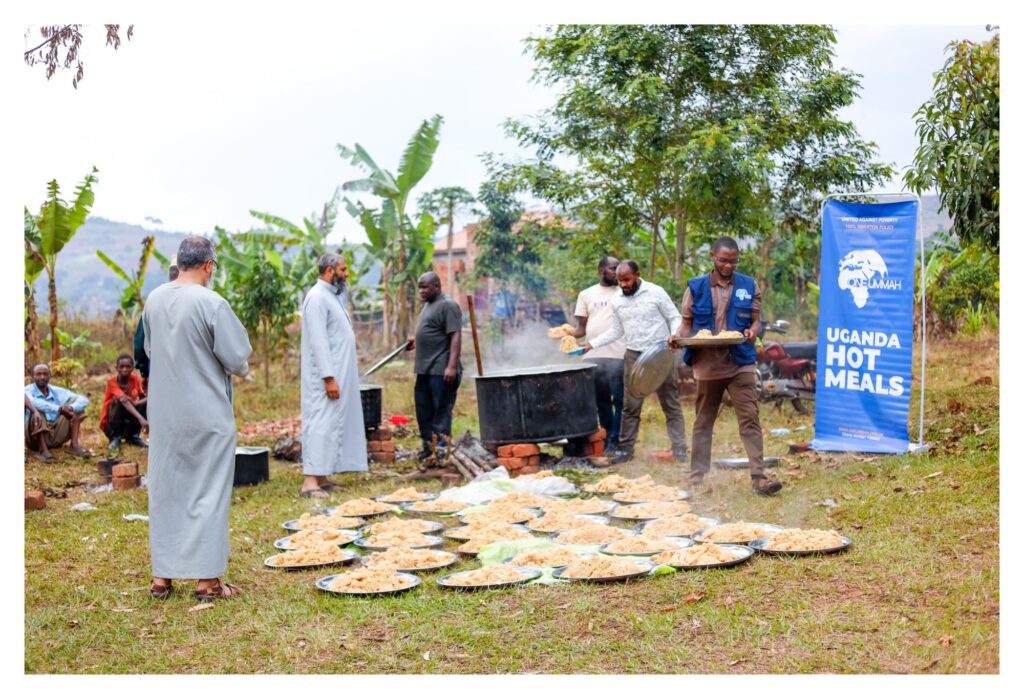
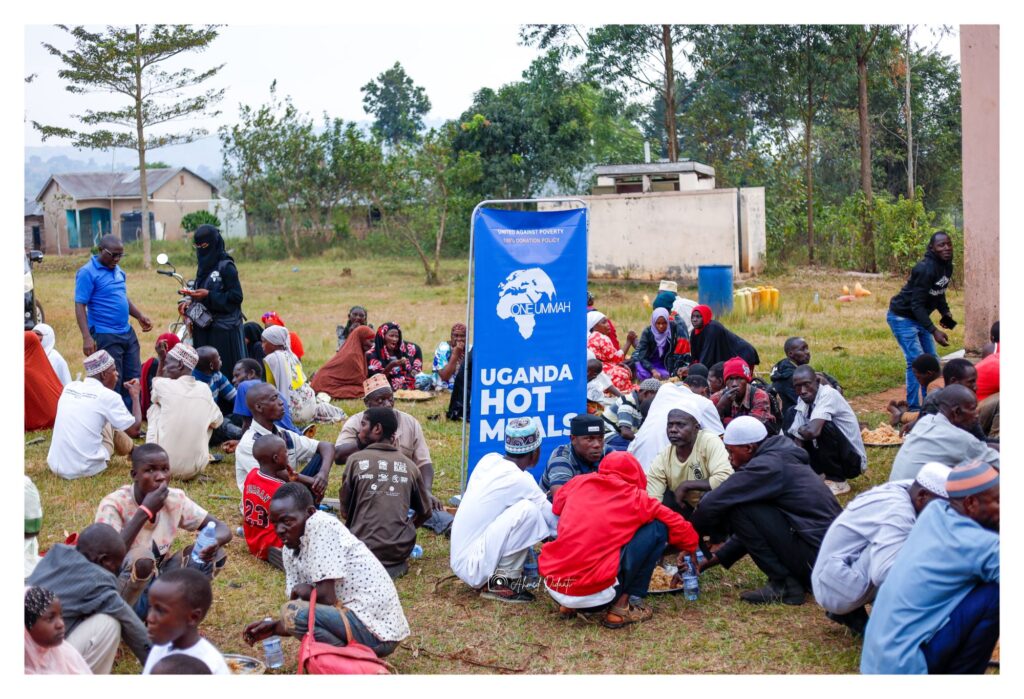 In Butambala, Mr. Usman Azam also joined community activities that included the distribution of 200 hot meals to members of the Muslim community.
The projects visited across Mpigi and Butambala offered a glimpse into the broader approach behind One Ummah Uganda’s work: responding to immediate needs while investing in interventions intended to improve lives over the longer term.
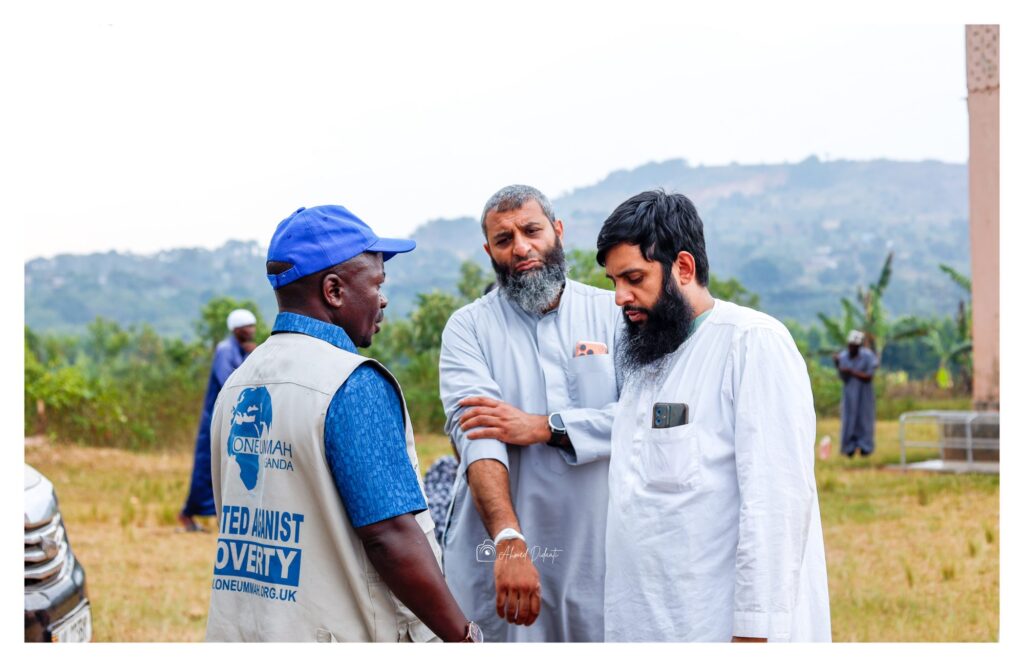
From Zakat support and water wells to food packs, hot meals, Qurbani meat, orphan sponsorship, medical aid, emergency relief and mosque projects, One Ummah’s work in Uganda reaches communities facing a range of challenges.
Its published reports show that these programmes have supported thousands of people across the country.
Each project addresses a different need.
For someone struggling to see because of cataracts, surgery can mean the return of independence.
For a family receiving Zakat, financial assistance can offer a chance to start or strengthen a small livelihood.
And for a community gaining access to a nearby water source, a new well can mean less time spent searching for water and more time spent on work, school and family life.
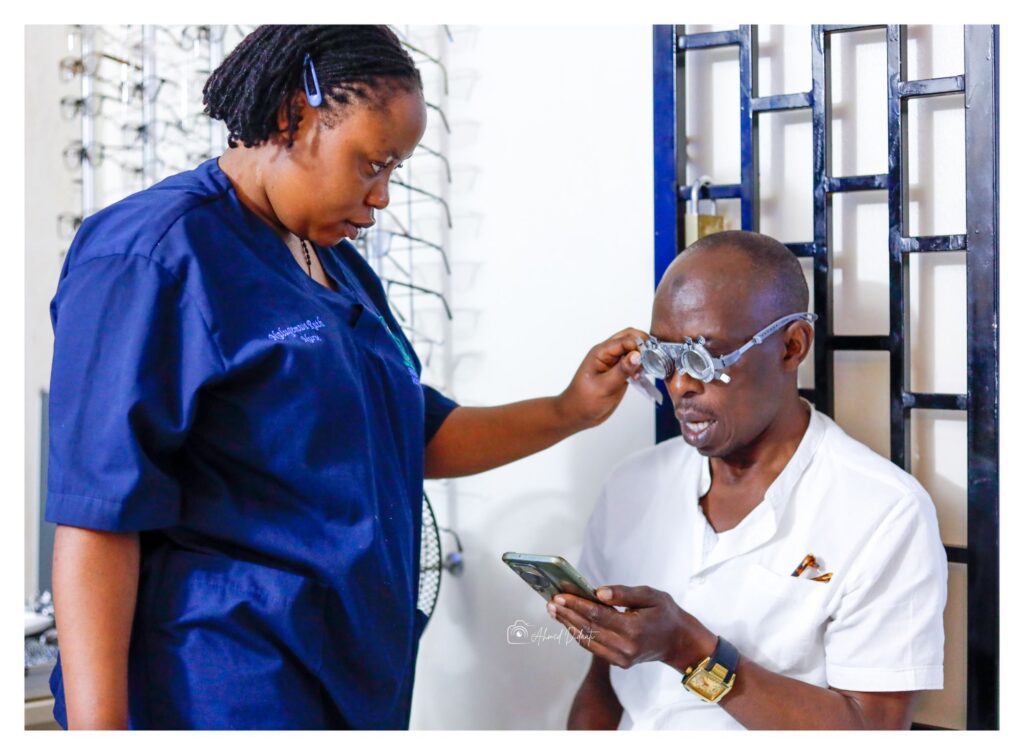
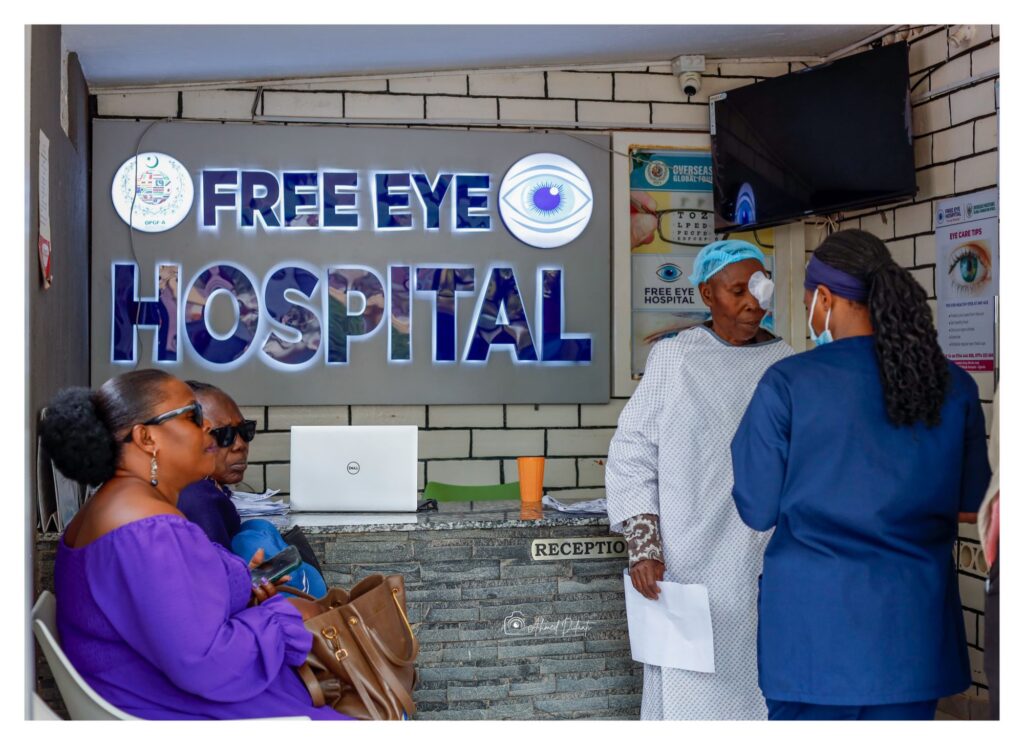 Together, the projects visited during Mr. Usman Azam’s trip reflect One Ummah Uganda’s wider effort to support communities through immediate relief while investing in longer term solutions.
This post was created with our nice and easy submission form. Create your post!

Did this story move you? Every gift goes directly to Ahmed Didaati — writers on Muwado earn from reader appreciation, not algorithms. Even $1 makes a difference.




Muwado weekly chart
Get Africa’s top 10 stories every Thursday
No account needed — just your email.
Want to follow Ahmed Didaati and get notified every time they publish?
Create a free Muwado account →