

 Ahmed Didaati

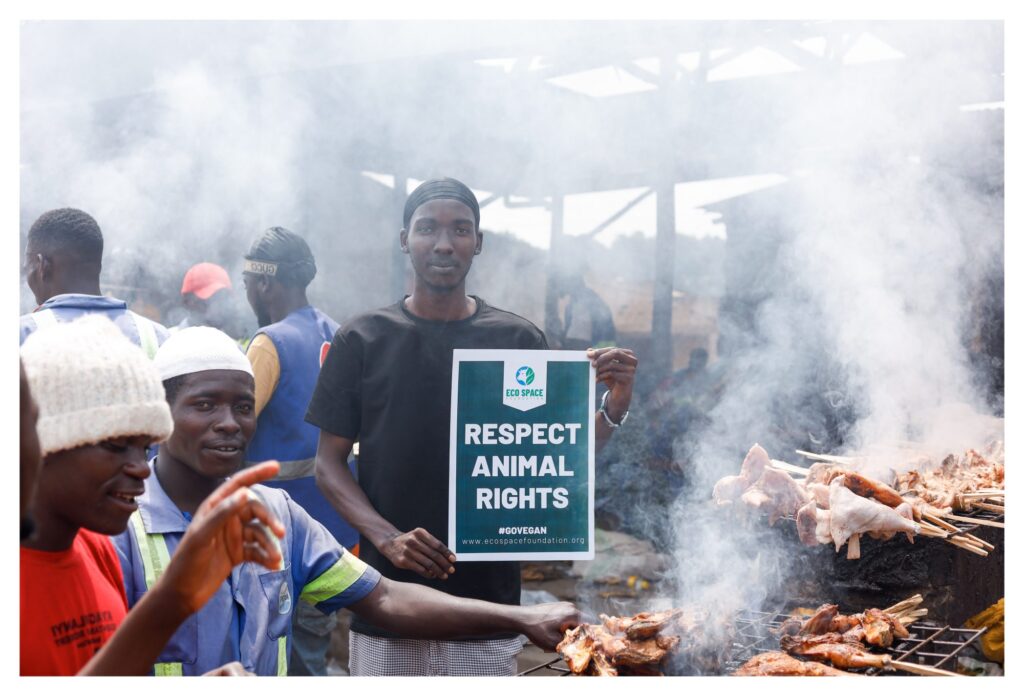
In Uganda, meat is about more than food.
For many people, it is associated with prosperity, hospitality and celebration. When household incomes rise, meat may appear more often on the dinner table. Plant-based foods, by contrast, can sometimes be seen as a necessity for families who cannot afford meat.
Now, a small but increasingly organised movement is challenging that perception.
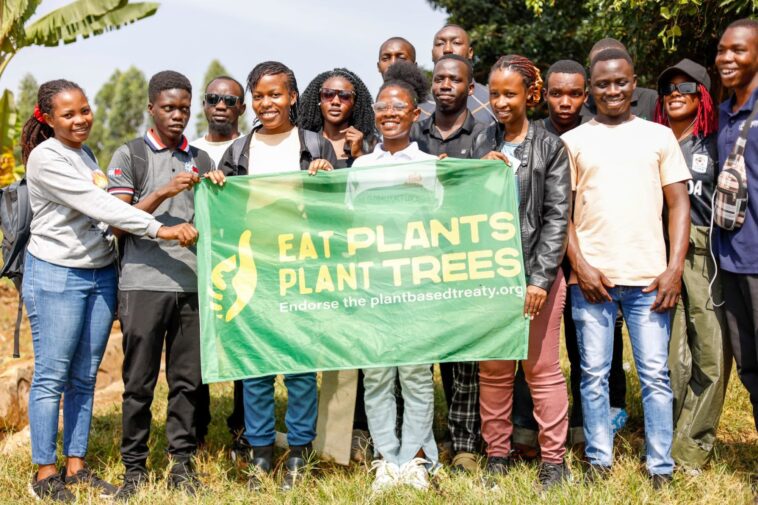
Among those leading the campaign is Eco Space Foundation, a Ugandan grassroots organisation promoting veganism, animal rights and sustainable food systems.
The organisation says it wants to inspire 20 million Ugandans to embrace veganism by 2040 an ambitious target in a country where food is closely connected to culture, religion, agriculture and livelihoods.
But the movement faces a difficult question: can Uganda change its relationship with food without changing the traditions and economic realities that have shaped it?
A Movement Takes Shape

Uganda has no authoritative national figure for the number of people who identify as vegan.
But organised vegan advocacy is growing.
The Uganda Vegan Society says it began in 2019 and was formally registered as Vegan Network Uganda in 2021. Other groups, including Action for Veganism and Climate Uganda, are also promoting plant-based diets, animal welfare and environmental awareness.
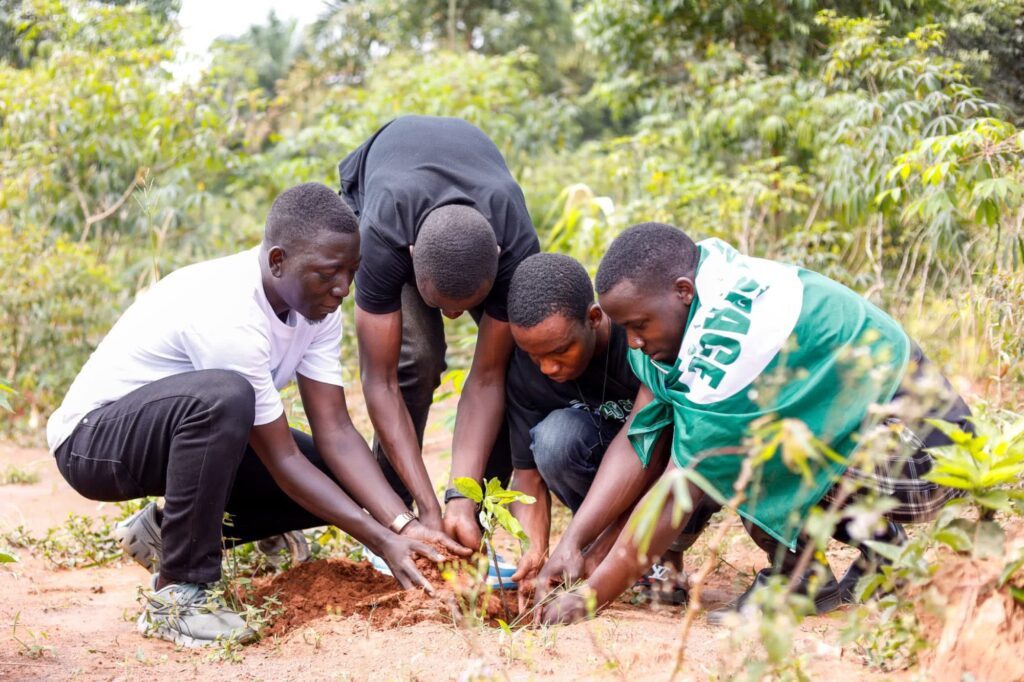
Eco Space Foundation says it has worked in Uganda since 2023, taking its campaign into schools, communities and restaurants.
It reports reaching 30,000 students in 45 schools, establishing 15 vegan clubs and planting or distributing more than 5,000 fruit trees.
The figures are based on the organisation’s own reporting and have not been independently verified.
The strategy is to take veganism beyond individual lifestyle choices and into institutions that influence daily life.
Challenging the Meaning of Meat
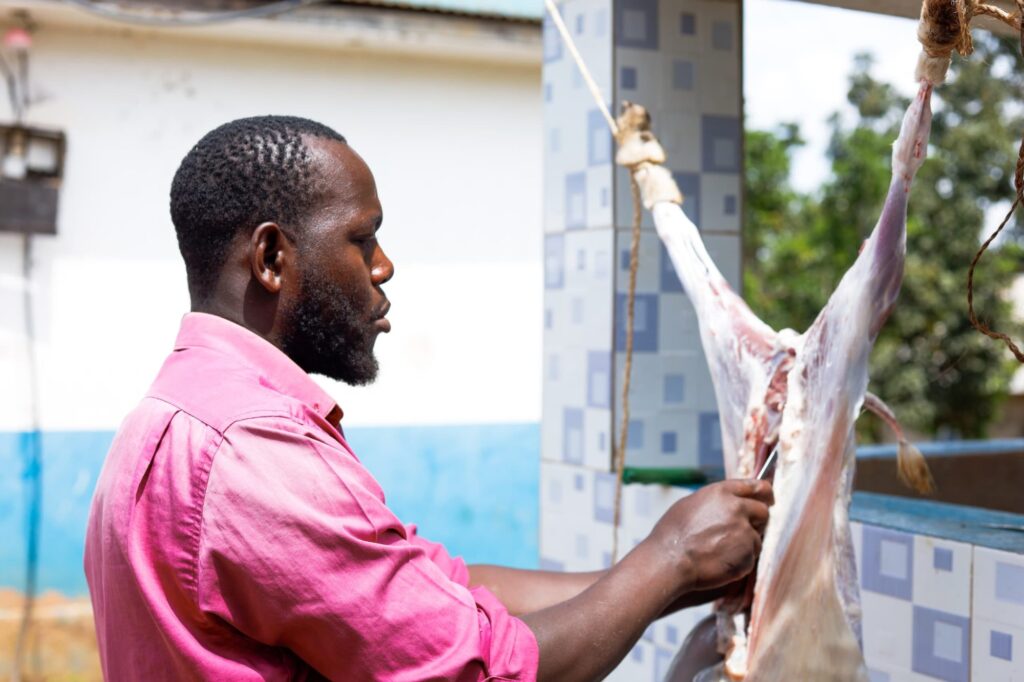
For some Ugandans, meat is associated with economic progress.
A family that begins earning more may buy beef, chicken or goat more regularly. Meat can also be an important part of hospitality and celebrations.
Plant-based staples such as beans, groundnuts and vegetables, meanwhile, may be viewed by some as food for households with fewer choices.
Vegan campaigners are trying to change that perception.
Uganda already has a rich tradition of plant-based foods, including beans, groundnuts, peas, matooke, cassava, sweet potatoes, millet, sorghum and leafy vegetables.
The challenge may therefore not be introducing plant-based food, but changing what it represents.
For the movement, the question is whether people can be encouraged to see plant-based meals as a choice rather than a sign of poverty.
A Challenge That Reaches the Farm
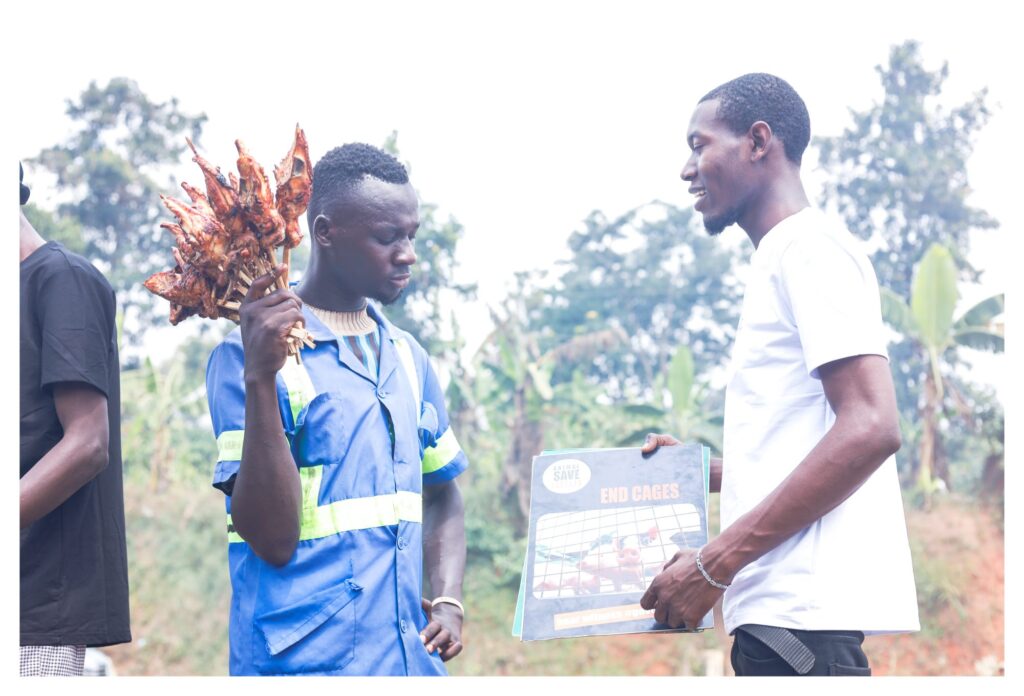
The debate becomes more complicated outside Uganda’s cities.
For many households, animals are not simply food.
Cattle, goats, sheep and poultry provide income, milk, meat and financial security. In pastoral and agro pastoral communities, livestock can be central to economic survival and cultural identity.
That creates a difficult question for the vegan movement:
What happens to farmers whose livelihoods depend on animals?
Eco Space Foundation says it is exploring alternative livelihoods for people involved in animal agriculture who want to transition to other forms of work, including organic farming, afforestation and plant-based alternatives.
 But replacing livestock based livelihoods is not simple.
For many farmers, animals are not a lifestyle choice. They are an economic asset.
Any major shift in food consumption would therefore have consequences far beyond the dinner table.
The Religious Conversation
The debate also touches religious traditions.
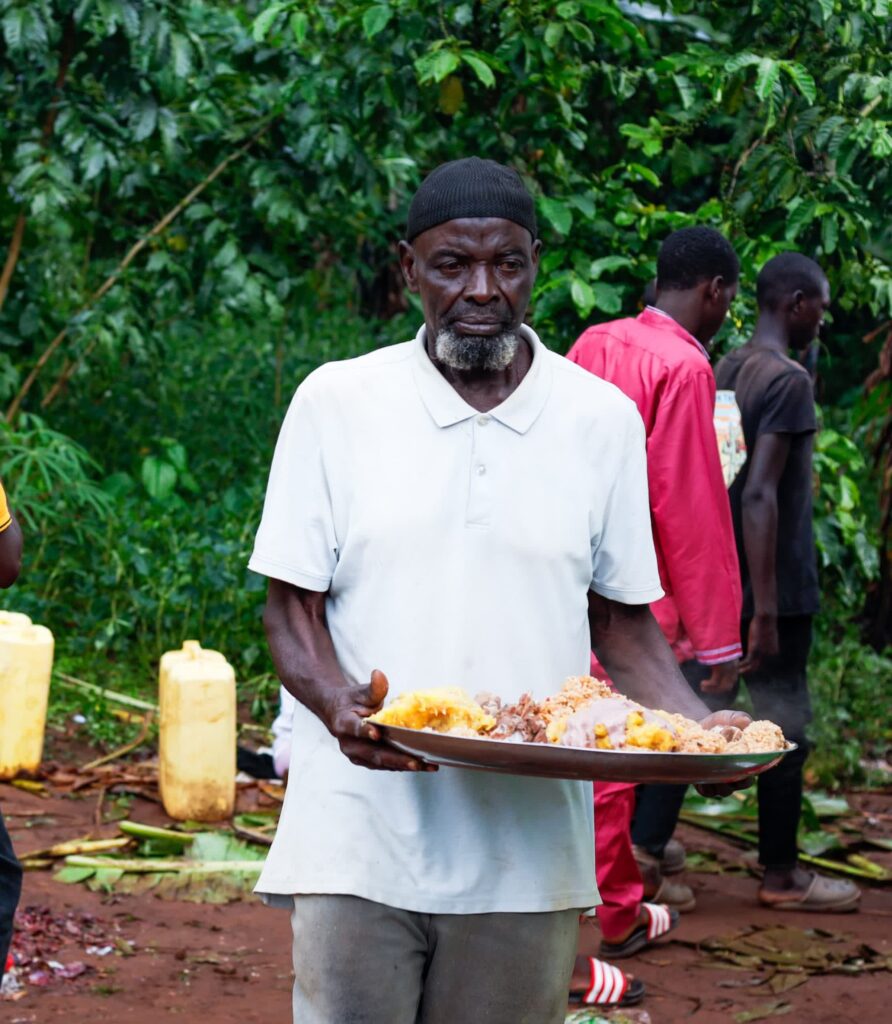
Uganda has a significant Muslim population, and halal meat is part of the dietary practices of many Muslims.
But Islam does not require Muslims to eat meat.
The more complex issue is cultural and religious tradition. Meat is often associated with hospitality and celebrations, while the sacrifice and distribution of animals during Eid al-Adha have particular religious significance.
For vegan campaigners, engaging Muslim communities therefore requires sensitivity.
The issue is not simply whether veganism is religiously permitted. It is also about how dietary choices intersect with faith, tradition and personal preference.
The same complexity applies to other Ugandan communities where animals have important economic and cultural roles.
The Health Debate
Health is another part of the campaign.
Some vegan activists emphasise the risks associated with meat consumption, but the scientific evidence is more nuanced.
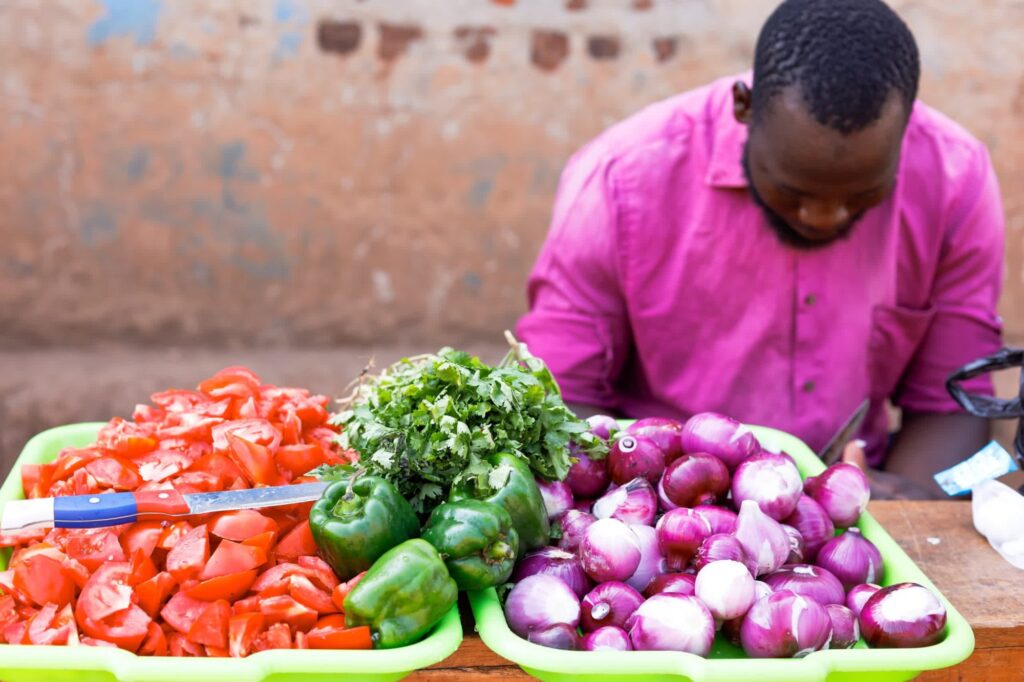
The World Health Organization recommends diverse and balanced diets and recognises both plant and animal sources of protein. It also says replacing some red meat with plant-based protein sources may provide health benefits for many adults.
The message is therefore not simply that all meat is unhealthy.
The wider question is whether people can eat a more diverse diet containing more fruits, vegetables, pulses and whole grains while making informed choices about animal products.
That distinction is particularly important in Uganda, where affordability and food security remain central concerns.
From Schools to Restaurants
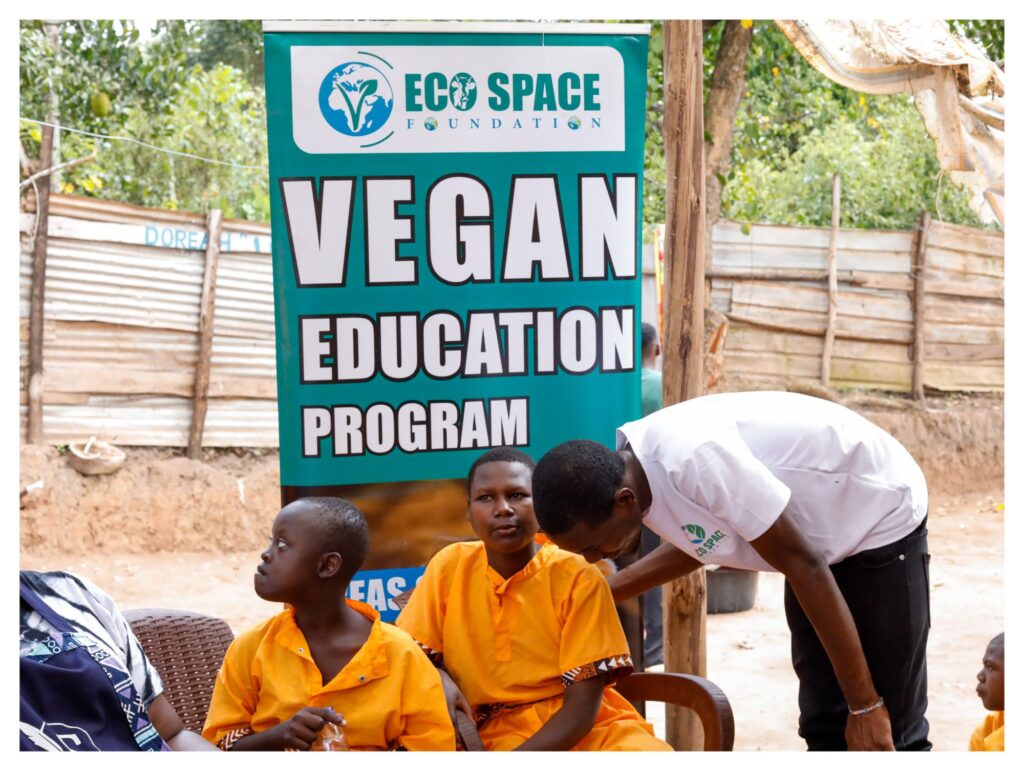
Eco Space Foundation is taking its campaign into schools and the food industry.
It says its programmes introduce students to veganism, animal rights, sustainable diets and climate change.
It is also working with restaurants and chefs to increase plant-based options.
 Through Thrive Africa Vegan Restaurant Week, the organisation reports working with 15 restaurants and reaching about 20,000 people.
Those figures are organisation-reported and have not been independently verified.
The strategy is based on a simple idea: people are more likely to change their diets if affordable and familiar alternatives are available.
A Movement Facing a Bigger Question

Uganda’s vegan movement remains small, and there is no reliable national figure for the number of vegans in the country.
But the movement is becoming more organised.
Its advocates are asking Ugandans to reconsider their relationship with animals, food and the environment.
The challenge is that food in Uganda carries meanings that go beyond nutrition.
Meat can represent prosperity.
Livestock can represent wealth.
Food can be part of religious practice and cultural identity.
And for many families, agriculture is a matter of economic survival.
For Eco Space Foundation, the campaign is therefore about more than convincing people to stop eating meat.
It is about changing the way people think about food.
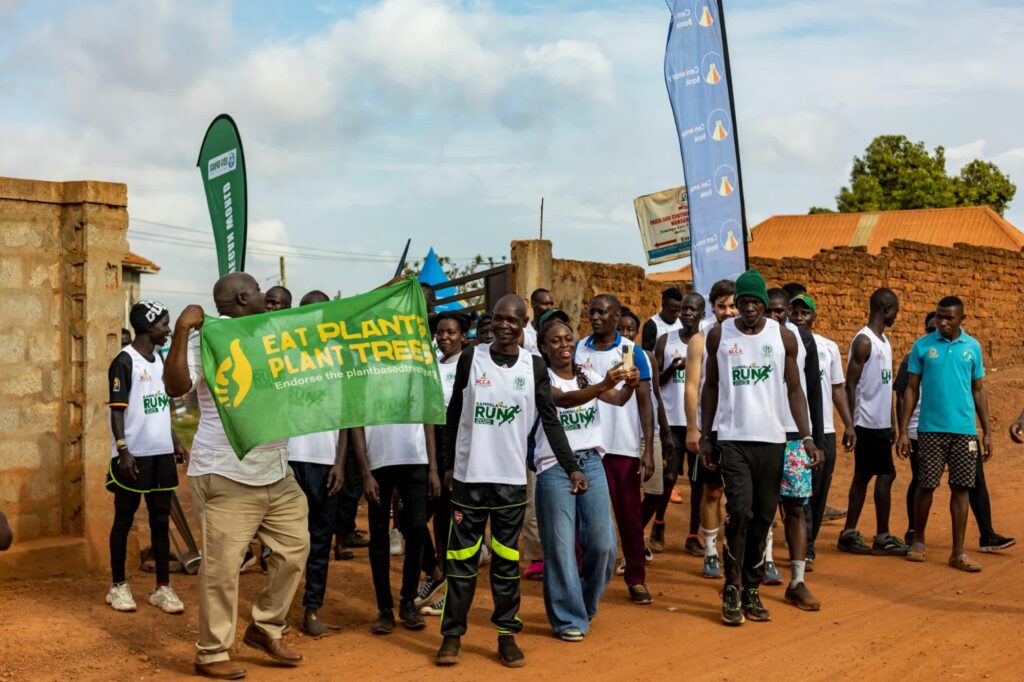 The question is whether a movement that wants to inspire millions of Ugandans to embrace veganism can offer a practical alternative that respects the country’s traditions, farmers and economic realities.
For now, the debate is only beginning.But the battle over Uganda’s future food culture is already being fought in schools, restaurants, farms and, ultimately, at the dinner table.
This post was created with our nice and easy submission form. Create your post!

Did this story move you? Every gift goes directly to Ahmed Didaati — writers on Muwado earn from reader appreciation, not algorithms. Even $1 makes a difference.




Muwado weekly chart
Get Africa’s top 10 stories every Thursday
No account needed — just your email.
Want to follow Ahmed Didaati and get notified every time they publish?
Create a free Muwado account →