

 Frostee Lens Ug

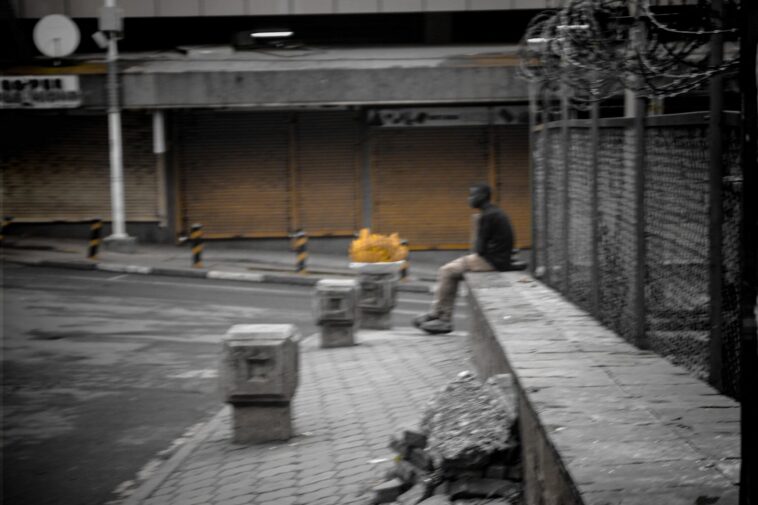
At 5:30 AM, Kampala is still yawning. But along Jinja Road, down Namuwongo slope, and through the footpaths of Kibuli, the city is already moving.
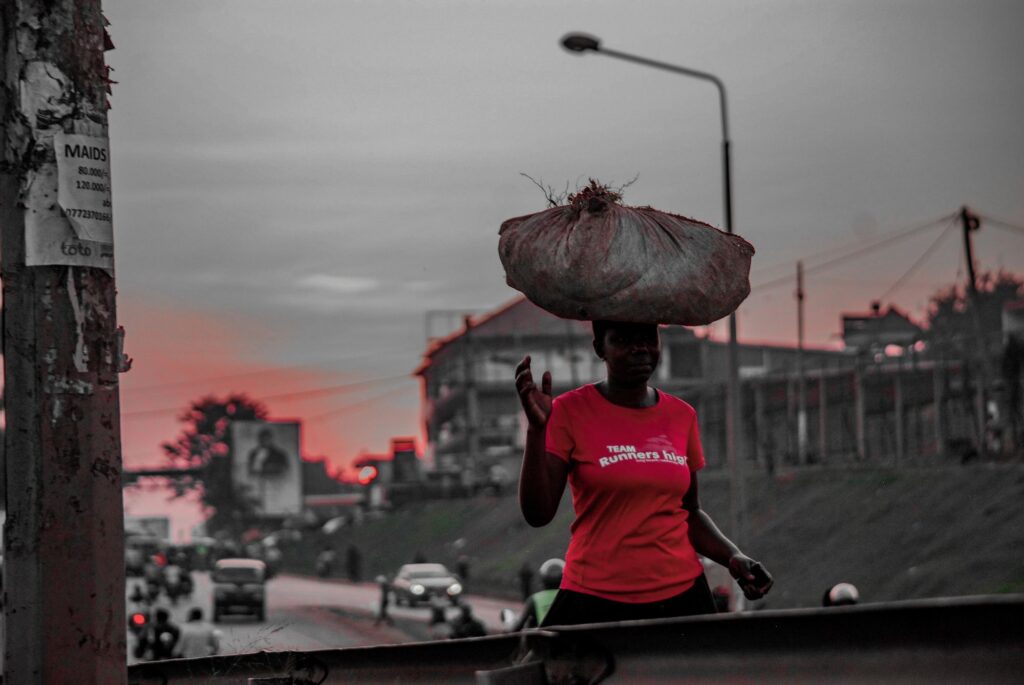
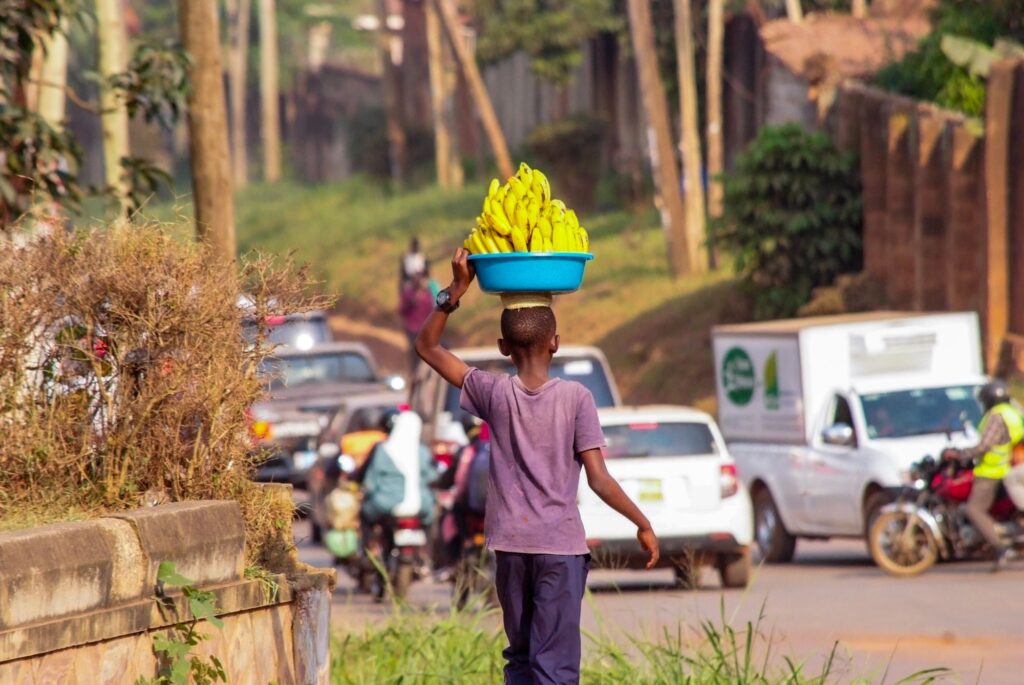
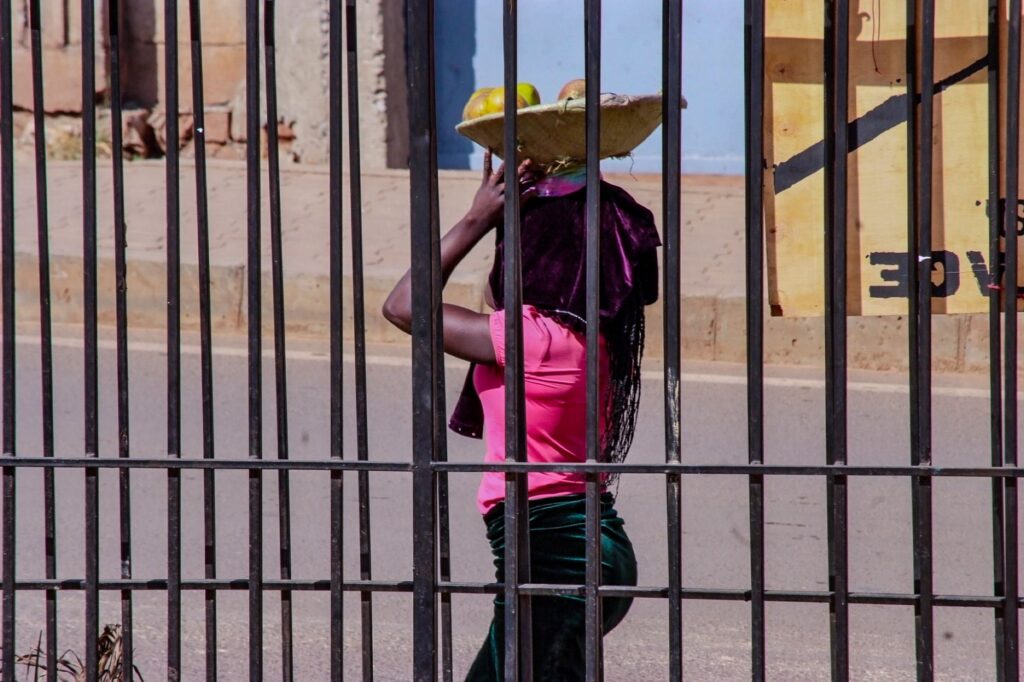
On their head: a basin balanced with yellow bananas (bogoya oba amenvu), roasted peanuts in recycled Fanta bottles, and a kaveera of deep-fried corn flakes. They walk about 7 kilometers from Banda to reach traffic at Clock Tower before the first boda jam. Each has to be one of thousands.
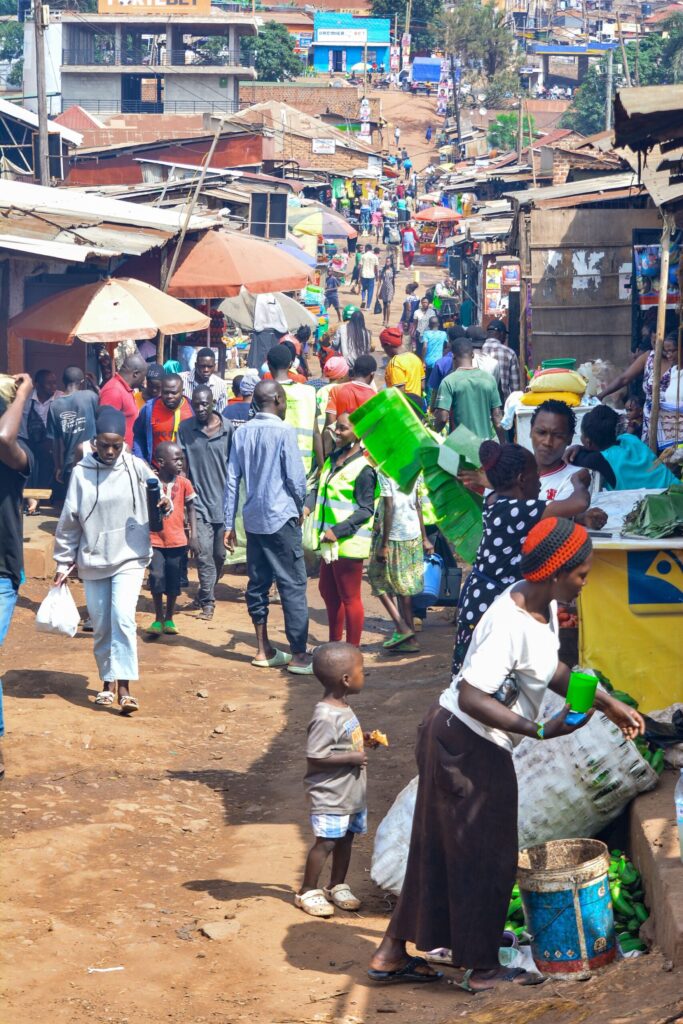
This is the daily rhythm of Uganda’s street vendors and hawkers. They are not in boardrooms or air-conditioned offices. They are in the roadside dust, between taxis in a traffic jam, on the walkways of Owino, at your gate in Nsambya, and under the trees in Gulu Main Market. From Arua to Mbale, Jinja to Hoima, Fort Portal to Soroti, and Mbarara’s Buremba Road, they are the first and last economy most city dwellers touch.
Who are they: The Categories on the Street
Uganda’s street economy is not one thing. It’s a whole ecosystem, built by foot, wheel, and hustle.
1. The Head-Basket Hawkers
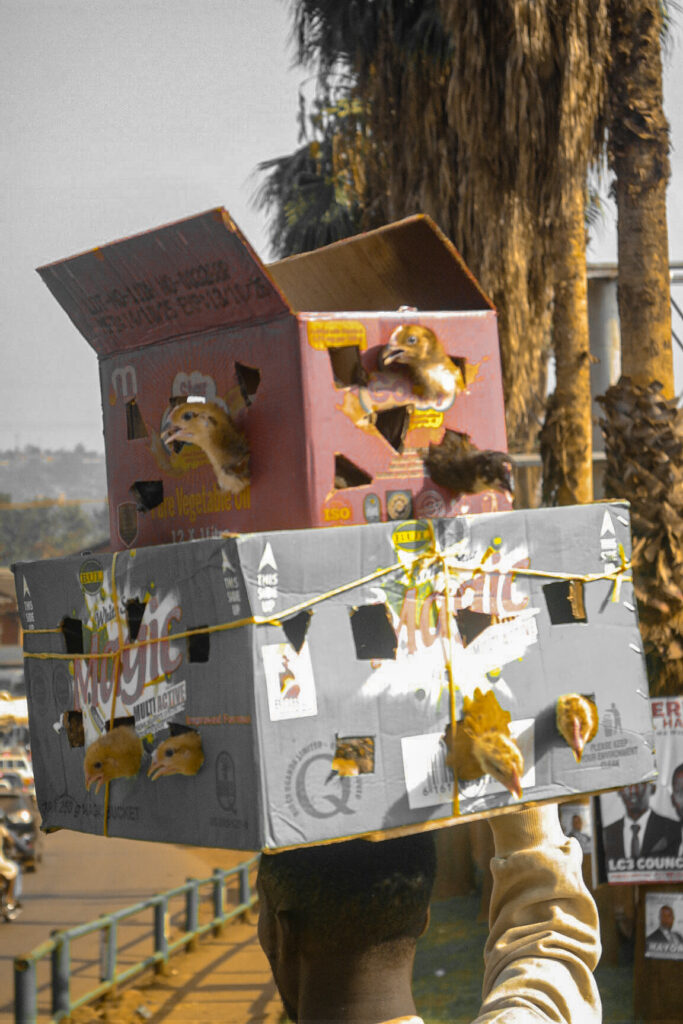
The most visible. Women and young men with basins, trays, and buckets. Mangoes in Soroti during season. Eggs in buckets in Naguru. Roasted g-nuts, boiled eggs, boiled maize, airtime cards, face masks, phone chargers. They move through traffic in Kampala, weave between cars in Jinja town, and stand at taxi parks in Mbale. Their capital is small, but their radius is huge.
2. The Wheelbarrow Boys
The logistics arm of the ghetto. With a wooden or metal wheelbarrow, they move charcoal from Nakawa to homesteads in Namuwongo, shift crates of soda from St. Balikuddembe to shops in Kisenyi, or deliver building materials in Fort Portal. For 2,000 UGX, they save a family a 3-hour walk. In the slums of Banda and Kikuba Mutwe, the wheelbarrow is a moving business
3. The Mobile Boutique
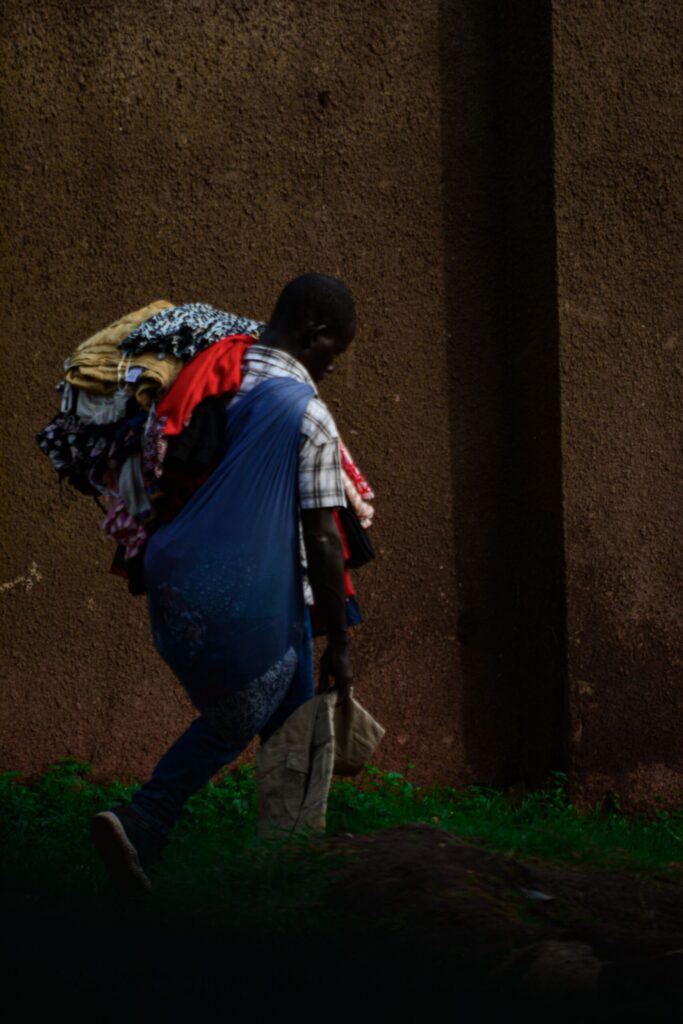
Clothes on a rail, on a bicycle, or spread on a polythene sheet. Second-hand jeans, children’s school wear, church dresses. They appear after 5 PM in lower Naguru, on the verandas of Hoima town, and along Gulu’s Pece Road. For many families, this is the only boutique they can afford without transport to a mall.
4. The Bicycle Hawkers
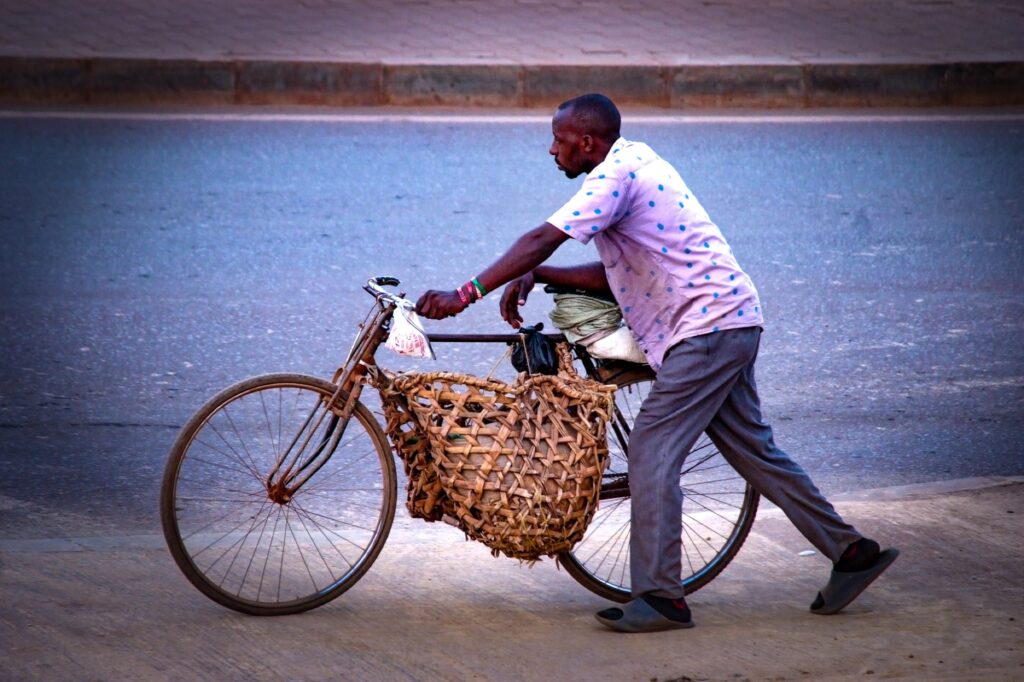
Speed and range. With a carrier at the back, they sell bread, mandazi, cosmetics, or fresh vegetables. Arua’s cobbled streets and Mbarara’s hilly suburbs are covered by bicycle vendors who can do in an hour what takes a walker half a day.
5. The Homestead-to-Homestead Vendors
They don’t wait for you. They come to you. From selling onions and tomatoes in Kikuba Mutwe, to water and charcoal in Banda, they know every lane. When you run out of salt at 8 PM, it’s them, not the supermarket, that rescues dinner.
Where They Live, How They Move
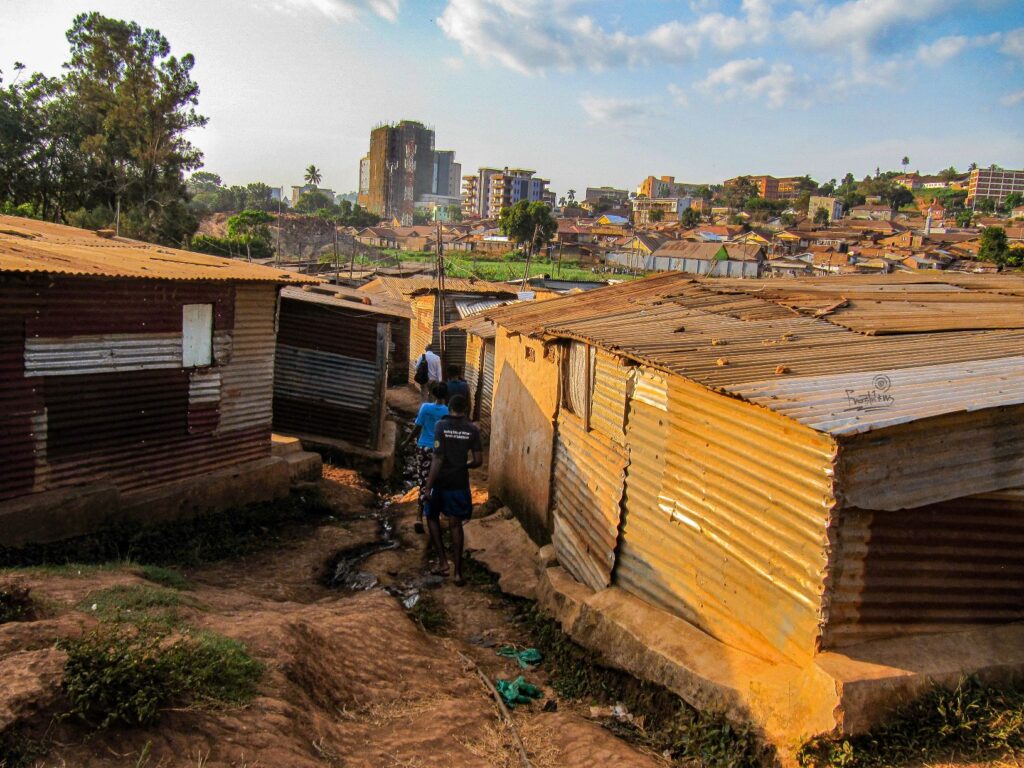
Their workplaces are the suburbs: Kibuli, Nsambya, Namuwongo, Naguru Upper and Lower, Banda, Kikuba Mutwe. Many walk 10-15 km a day because transport would eat their profit. A hawker in Kampala can cover Clock Tower, Kisementi, and Acacia in one day on foot. In Gulu, it’s Pece to Cerelenu. In Mbarara, it’s Central Market to Nyamitanga.
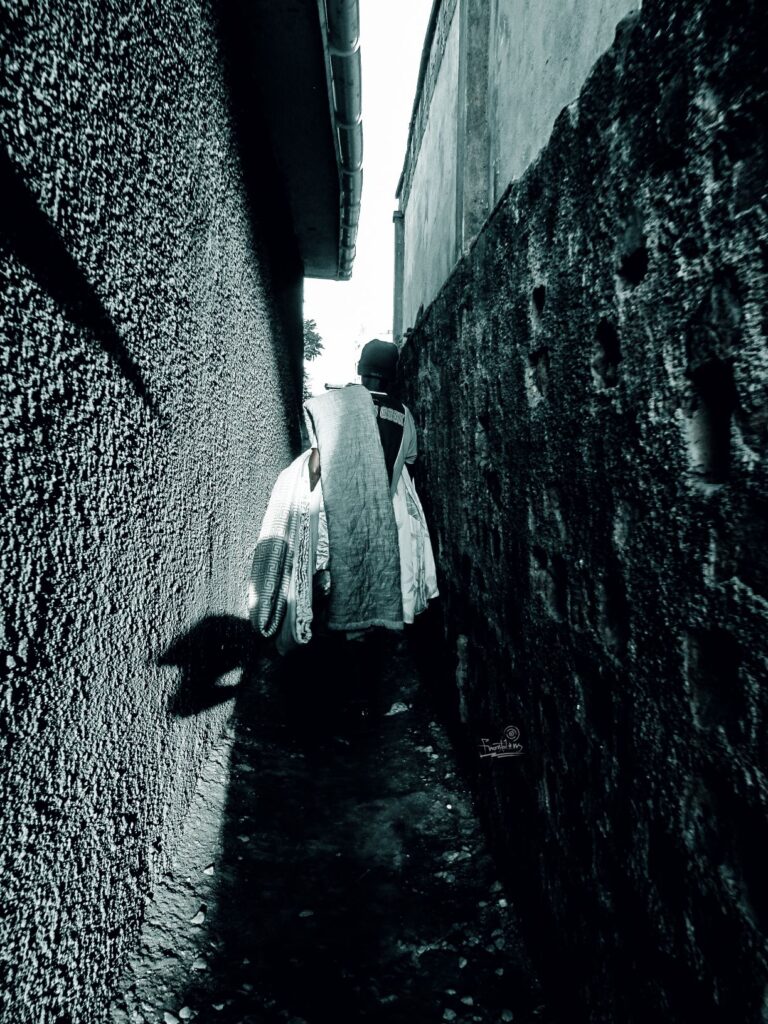
This is not a 9-to-5. It is “survive-to-the-next-day” work. Rain, sun, police chase, or traffic officer, they are out again the next morning.
Why They Matter: The Economics of Survival
We often talk about “the formal sector” when we talk about GDP. But look closer.
1. Tax Loyalty, From the Ground Up
They may not file returns, but they pay. Daily market dues in Owino, St. Balikuddembe, Gulu Main Market, Mbale Central Market. KCCA, municipal council, and town board levies. URA tax on the goods they buy from importers. Boda stage fees, parking fees, and local council charges. Collectively, Kampala’s informal traders alone are estimated to number over 200,000 people. Nationally, the informal sector accounts for about 48% of Uganda’s GDP and employs over 80% of the working population. Street vendors and hawkers make up a huge share of that number. They are the largest percentage of tax-paying, loyalty-paying, cash-in-hand citizens keeping city councils running.
2. The Cities’ Last-Resort Rescue Team
Stranded at 9 PM in Jinja with no bread? A bicycle hawker passes. Need one egg in Arua? The bucket lady is at your gate. Broke but need lunch at 500 UGX in Fort Portal? The roasted maize guy is at the stage. They are the cheapest, fastest, most accessible option. For students, boda riders, watchmen, and single mothers, they are not a convenience. They are survival.
3. They Keep the City Standing
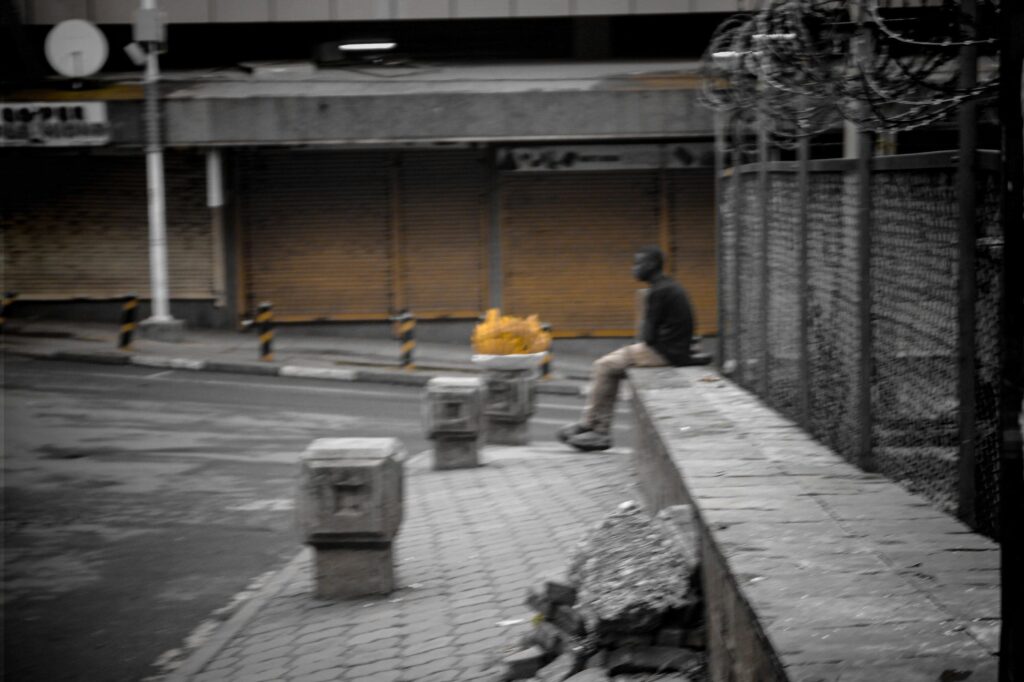
Remove them for one week and watch what happens. Traffic stalls without water and snacks. Markets clog without wheelbarrow boys. Homesteads in slums go without daily groceries. They are the circulation system. While malls close at 9 PM, the street economy runs until midnight and starts again before dawn.
The Vibe: A Day in the Life
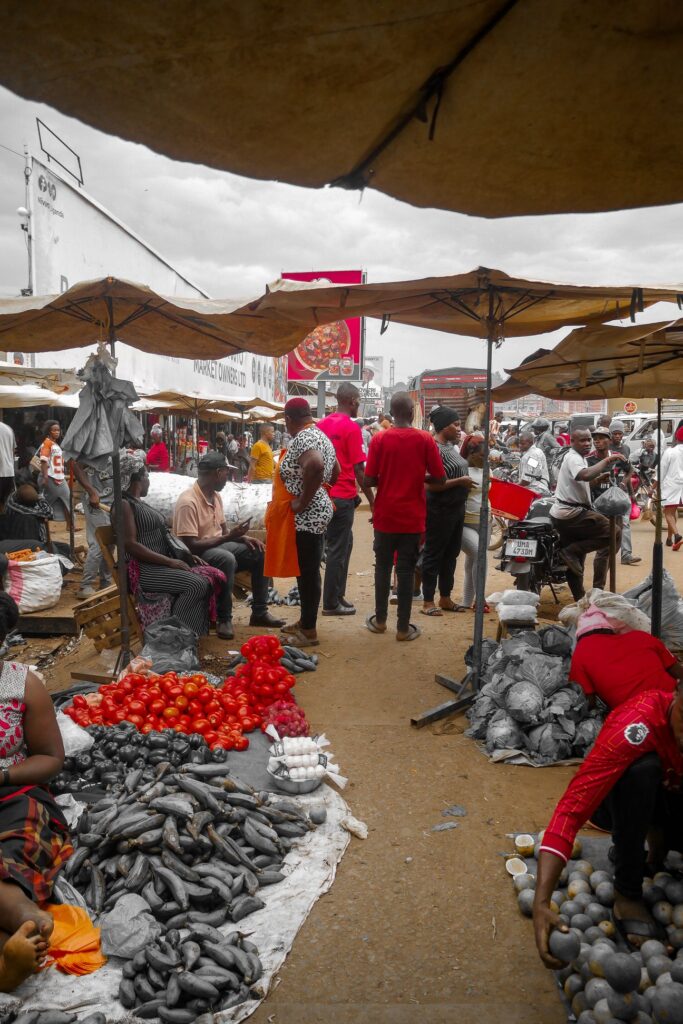
It’s hot. A taxi hoots. A hawker ducks, balances her basin, and says, “Mama, take peanuts, 500 only.” A wheelbarrow boy shouts, “fassi-fassi, give way!” as he pushes charcoal past boda bodas in Namuwongo. A boy on a bicycle rings his bell through Banda, “Bread, fresh bread!”
They know their customers by name. They give “nyongeza” extra peanuts when you’re short. They will hold your bag while you count coins. In Soroti, they shelter under the same tree when it rains. In Hoima, they share tea before the morning rush.
This is not just commerce. It is community. It is resilience stitched together with sweat.
The Reason for Their Existence
They exist because cities are expensive and jobs are few. They exist because not everyone can afford Nakumatt, but everyone must eat. They exist because the formal system cannot reach every alley in Naguru Lower or every corner in Gulu.
To ignore them is to ignore the people who make urban life possible for the majority. To recognize them is to recognize Uganda itself resourceful, mobile, and refusing to stand still.
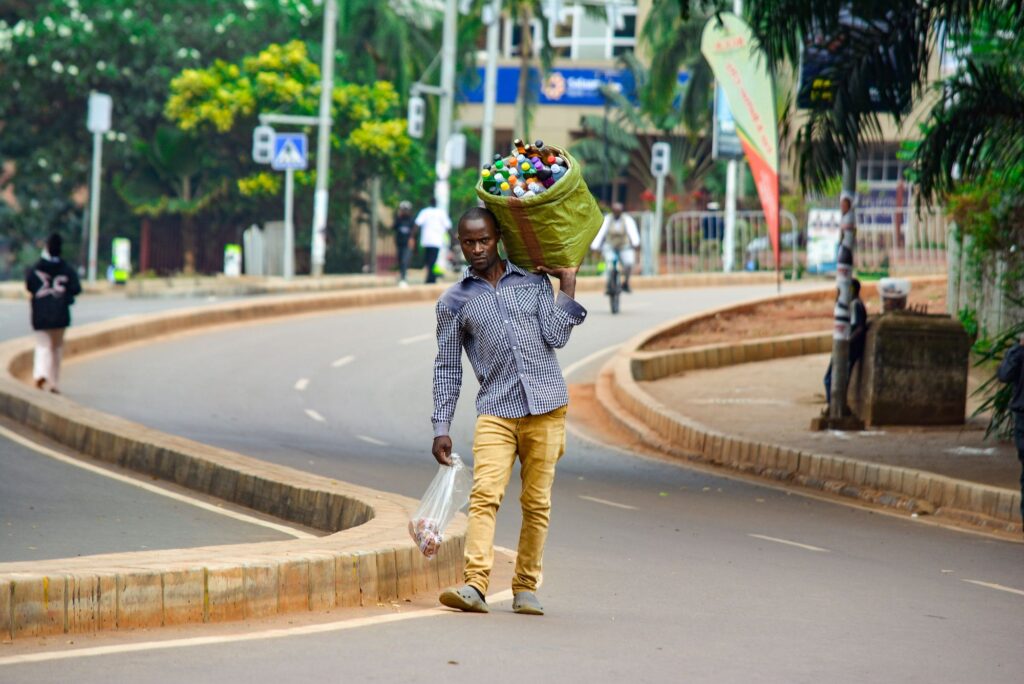
They are downtown city dwellers. They are survivors. They are the reason a stranded person in traffic, in a slum, or in a new city, can still find a way.

And when the day ends, they pack their basins, push their wheelbarrows home to Banda or Kikuba Mutwe, count 8,000 UGX profit, and plan to do it all again tomorrow.
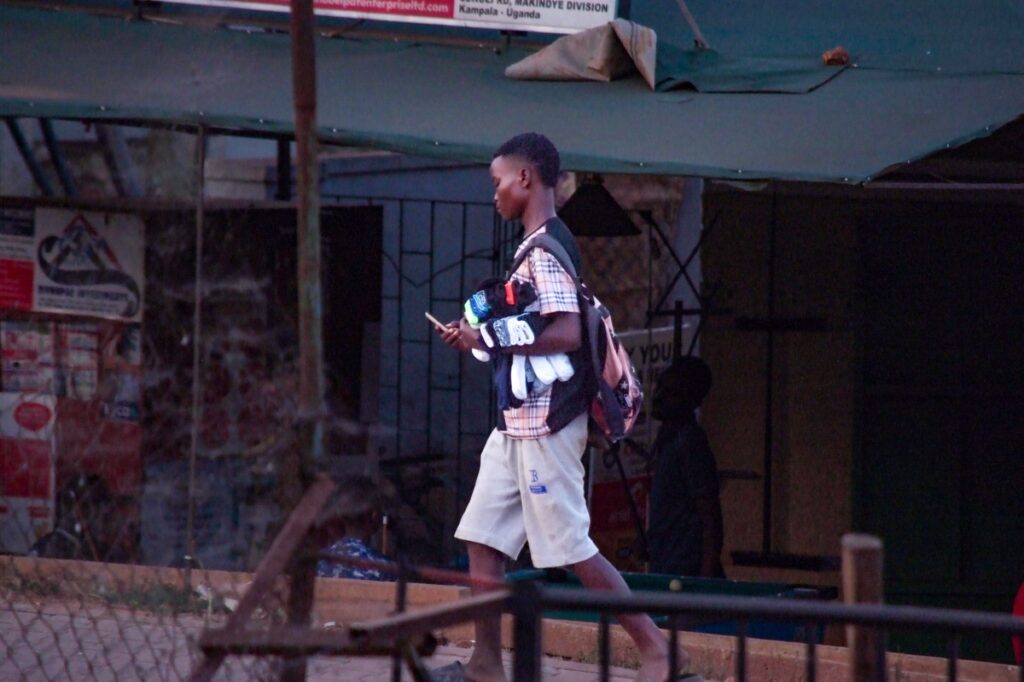
Because in Kampala, Mbarara, Jinja, Mbale, Hoima, Fort Portal, Soroti, Arua, and Gulu, the city does not start when offices open.
It starts when the hawker’s foot hits the pavement.
This post was created with our nice and easy submission form. Create your post!

Did this story move you? Every gift goes directly to Frostee Lens Ug — writers on Muwado earn from reader appreciation, not algorithms. Even $1 makes a difference.





Muwado weekly chart
Get Africa’s top 10 stories every Thursday
No account needed — just your email.
Want to follow Frostee Lens Ug and get notified every time they publish?
Create a free Muwado account →