

 Edwin Kamurasi

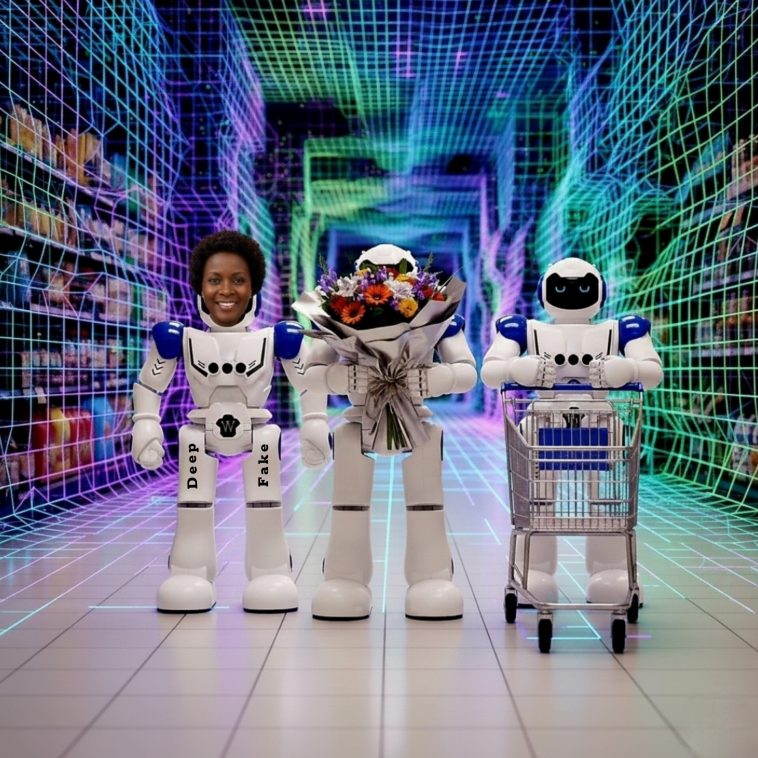
Amazon is suing Perplexity for letting its customers use AI agents (lets call them bots) that impersonate the account holders to shop for them. Amazon argues that stopping Perplexity’s agentic shopping tool is in the best interest of those customers because it allegedly degrades the customers’ shopping experience.
The irony? That’s exactly what these people have been waiting for… a bot to do their shopping. I think Amazon would better be served speaking for themselves rather than on our behalf. You see, it turns out that online shopping is as tedious (if not more) as it is shopping in brick-and-mortar malls, considering all the reviews we have to read, the counterfeit or subpar goods we have to dodge, and the occasional “DM for price” game online hawkers play, many people are increasingly choosing to entrust personal shoppers with saving them time and uncovering better deals — be they human or not.
A quick snapshot before I continue, for the readers in the dark, about the characters in this drama:
- Amazon, if you’re not familiar with it, is an American e-commerce Shopping platform, similar to Jumia, the African e-commerce giant (just much bigger and much older).
- Perplexity is an AI startup, similar to ChatGPT except it specializes in an autonomous search experience similar to google and has now launched an internet browser called Comet (similar to Chrome) that offers more agentic features for now (by that i mean more bots that can do things for you like shopping or research).
“Perplexity’s misconduct must end,” is what Amazon’s lawyers are demanding. But if we are being honest, it is partly because Amazon has plans of introducing its own shopping agent and they naturally aren’t too happy about facing competition in their own turf.
Speaking about misconduct… It is no secret that numerous AI companies subscribe to the “it’s better to ask for forgiveness than permission” school of thought. With that in mind, as we enter an era of more and more AI startup businesses surfacing, the second order outcome of their operations is a normalisation of a state of normlessness. Sociologists call this phenomenon ‘Anomie’.
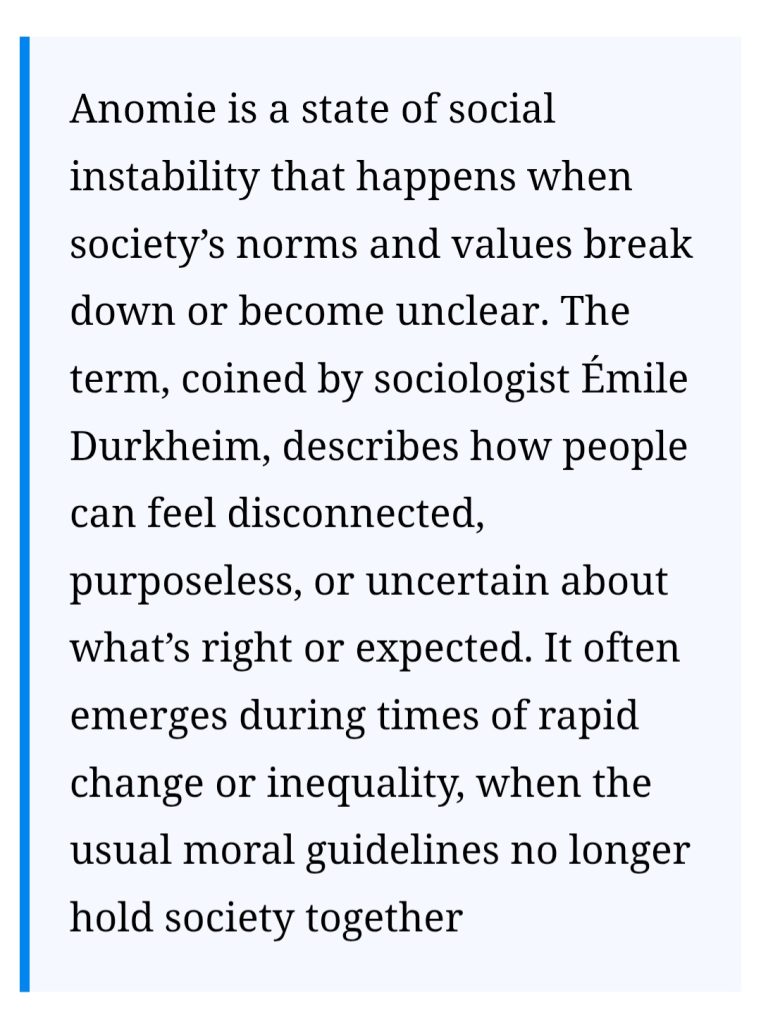
An effect, I dare say, that is supercharged by the users of most AI products and services. I say that because as of the year 2025, there are hundreds of millions of users worldwide using these things (myself included), a reality that makes a joke out of anyone who still claims that “Nobody wants this” in reference to Generative AI. But as we nurture the growth of these businesses by doing things like generating images (that were trained off artists and other’s work without their permission), we inadvertently excuse their behaviour through complicity.
When I think about this situation, a greater revelation unfolds before me: We now gleefully navigate technological spaces previously marked to be rife with dangers and monsters.
The funny thing about our fears is that, when they finally appear, they arrive tame, not as vicious or torturous as their detractors imagined. What we end up facing is a Scooby-Doo type reveal.
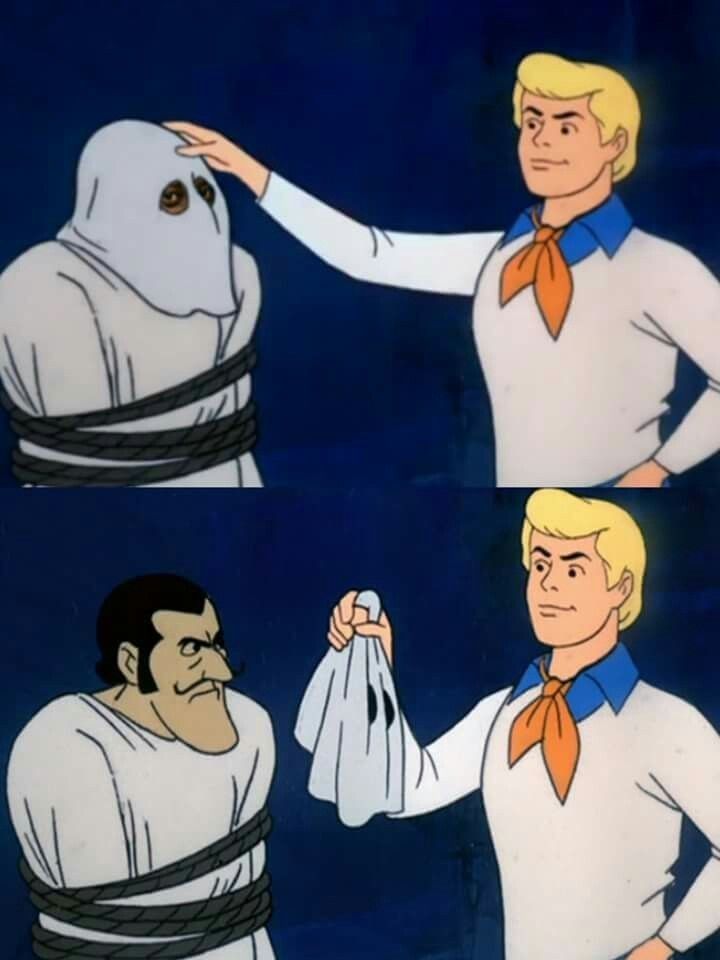
I’ll clarify. Ever since we became active, restless, wanderers of the internet, through CAPTCHA tests and warnings, we were told the Bots were coming. And like thieves in the night, they wouldn’t come knocking. But now that the time has come, the reality is that the ordinary people, big tech researchers sought to protect, have become willful hosts: Opening doors wide open. Inviting them in for tea (allegorically speaking).
For more than a decade, they warned us that deepfakes were coming. We imagined that adversarial governments would use it to sow confusion, and we imagined, because of decade old News Headlines, Hollywood tropes, and TV programs like the BBC’s 2019 hit series “The Capture” (a must watch, by the way), that it would be the technical-inclined proficient mavericks creating deepfakes, the hackers, Computer Science professionals or genius criminal types that would be the only ones to wield this power…
But now that the time has come, it turns out it’s as easy as a single sentence typed (in natural language like English) coupled with a photo attachment, and once again, it’s ordinary, you, me, the neighbour-next-door kind of people indulging in this, it’s anyone, from your high schooler to your 60 year old uncle creating deepfakes, for laughs and giggles, using widely available platforms like OpenAI’s Sora’s free cameo feature to the next Open Source Chinese AI visual generator.
If we are to rewind the hands of time even further to Valentine’s day 2019, OpenAI unveiled a historical gift to humanity. It was Gpt-2.
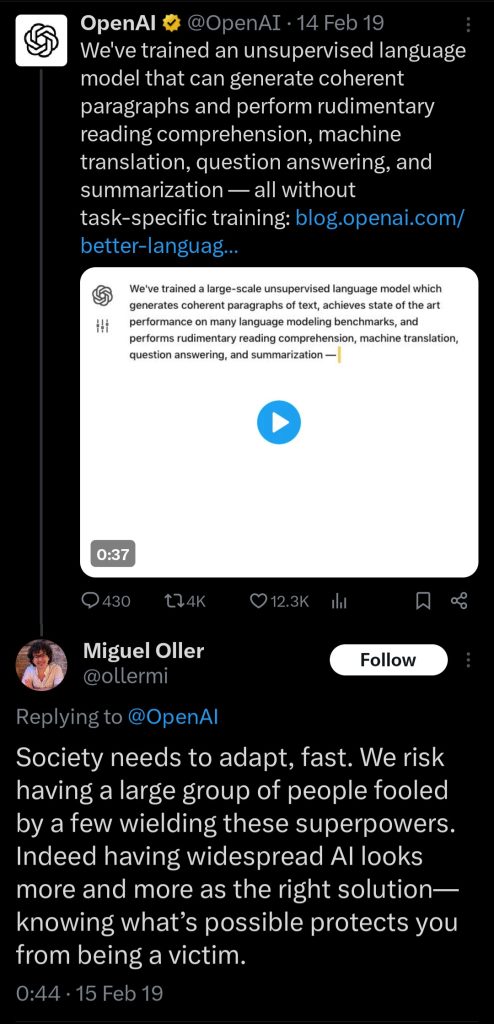
They demonstrated, to the standards of the time, some impressively generated texts, while releasing a drastically limited version of that model (as a precaution against malicious intent by bad actors) to the public for research purposes. The reactions were mixed.
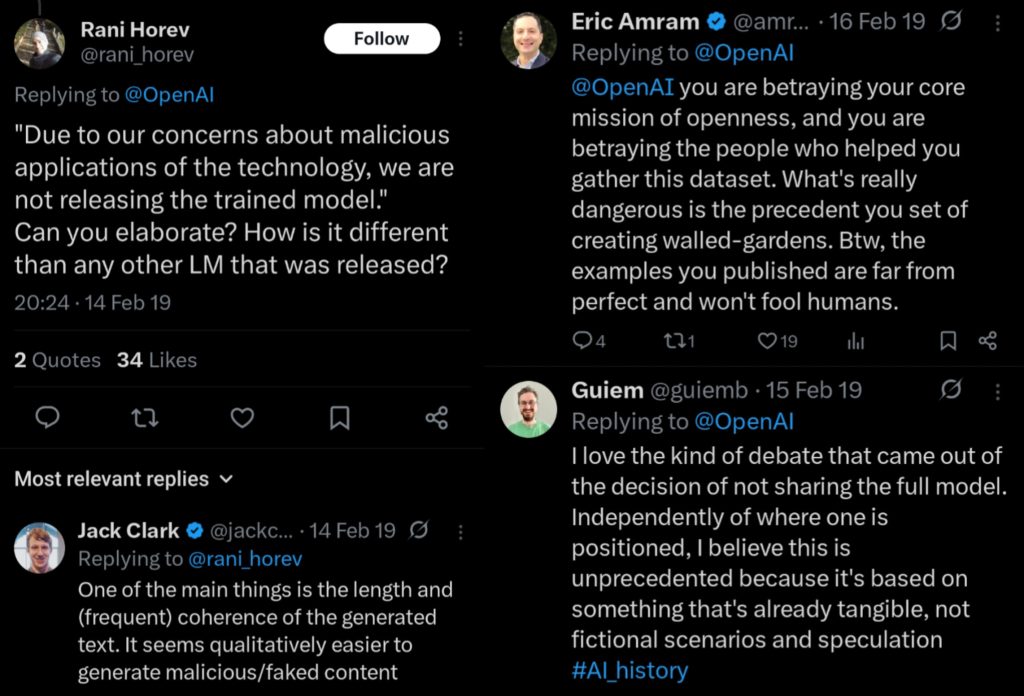
Nearly 4 years later, in November 2022, they decided to trust that the general public could handle this technology by releasing ChatGPT 3.5, a much more advanced model than the February 14th GPT-2 version, and it changed the world. I think for the better. Even as it sets off the AI race that currently risks exacerbating inequality.
A little point I would like to draw your attention to: Contrary to earlier fears that the public might be unable to distinguish what was real from what’s fake, something curious is happening. While alot of confusion still exists, we’re also seeing signs of a kind of digital maturation. People’s discernment is sharpening as they develop a heightened skepticism towards what they see and interact with online. Many are even growing familiar with the distinctive ‘AI voice’ that Large Language Models tend to produce in written content.
However, at the same time, we face an unforeseen issue, the potential wide-scale silencing of individual authorial voices. As more people, through adaptation, unconsciously begin to emulate the cadence and style typical of AI generated writing, the unique signature of human expression risks being lost in exchange for a kind of homogenized voice.
Anyway, back to my encompassing point, in spite of some prominent researchers and concerned global citizens calling for caution or a pause on AI, the general attitude about Large Language Models or AI technology as a whole is largely welcomed, encouraged and used widely.
If you were to think about how technology is received, you begin to realise that no moral panic has ever halted the further development of any technology. You begin to realise, regardless of the potential and realised dangers, the mass majority are the ones who uphold the continuity, which is why, “better” iterations continue to get churned out. The fact of the matter is, if the masses said “Enough. No more”, there’d be no more. But that’s not what happens because what we use… Blooms! Specifically since funding is attention-driven.
The only thing capable of chocking a tech project is a dry purse.
So now, as I come to grips with human nature, I can’t help but consider, that we, the everyday people, will be the ones to crowdsource the possible bubble-gum dystopia Huxley imagined, not some dodgy actors in black hoodies, or a rogue superintelligence called SkyNet.
Can you see it now? Our digital nightmares of decades past, let in, made therapists, asked to write emails and do our shopping. It’s a brave new world indeed when the anomie comes invited.
That’s all for now. Thank you for reading. If this post massaged your mind, feel free to share it, dissect its finer points or say something nice about it on X or in your chat groups. Some of us feed on compliments for esteem and constructive criticism for growth. You can also follow me here, as well as on X (formerly Twitter): @ekamurasi
>Images (header&footer): Created by me as a collage in Canva, then synthesized and regenerated in Google NanoBanana for a harmonious look, finished off using Inshot to edit and clean the image. Using the images for your own (non-financial) purposes is permitted.
>Index: A007
This post was created with our nice and easy submission form. Create your post!

Written by
Did this story move you? Every gift goes directly to Edwin Kamurasi — writers on Muwado earn from reader appreciation, not algorithms. Even $1 makes a difference.





Muwado weekly chart
Get Africa’s top 10 stories every Thursday
No account needed — just your email.
Want to follow Edwin Kamurasi and get notified every time they publish?
Create a free Muwado account →