

 Freelancer
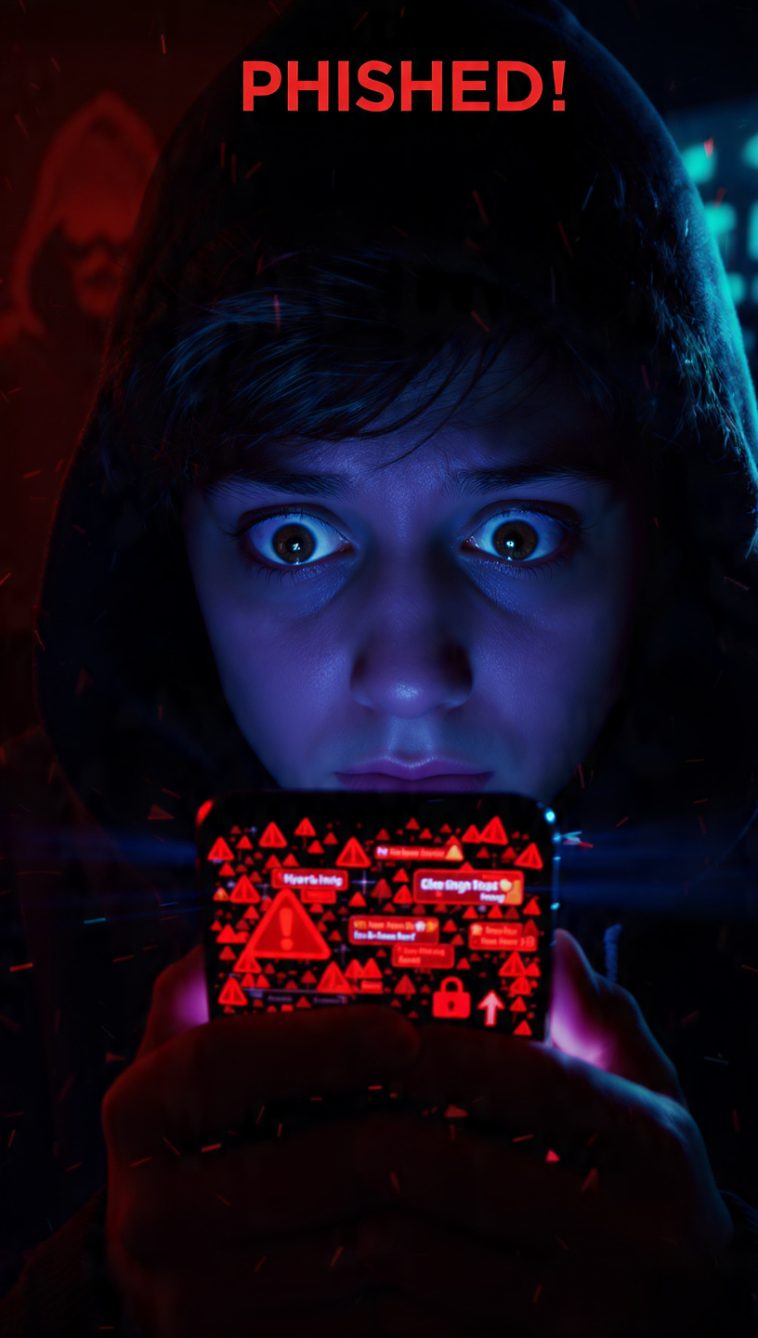
It started like any ordinary afternoon. I was scrolling through my social media feed, half-listening to a podcast, when a notification blinked on my screen: a friend request. Not from a stranger, but from someone I vaguely remembered—a classmate from years ago. The kind of person who pops up in memories, a name that triggers a brief smile, but someone you haven’t spoken to in a decade.
The profile picture looked familiar. The bio mentioned the city I had visited on a school trip. Mutual friends were listed. It felt… safe. Inviting even.
So, I clicked Accept.
Almost immediately, a direct message appeared: “Hey! Long time no see! Check out this funny video I found—thought you’d love it!” The link looked harmless, embedded in a playful GIF. I hesitated for barely a second. Curiosity won. I tapped the link.
At first, nothing seemed wrong. Then my phone froze. Panic surged. My heart raced as I tried to exit the app, but it wouldn’t respond. Suddenly, alerts popped up—security warnings I didn’t understand. My accounts were being accessed without permission. I realized, in horror, that I had walked straight into a trap.
This wasn’t a friend reconnecting—it was a meticulously designed phishing attack. The “profile” was fake. The classmate I thought I recognized? A stranger masquerading as someone I trusted. In a single moment, my digital world had been hijacked.
By morning, the consequences were devastating. My email was compromised. My social media accounts were sending out spam messages to friends. My banking information—somehow—had been accessed. Messages from concerned friends poured in: “Did you send this link?” The feeling was surreal: safe, familiar spaces on the internet suddenly felt like a minefield.
I examined the fake profile. At a glance, it seemed normal, even trustworthy. But subtle inconsistencies were there: a photo that looked slightly off, a bio too polished, a message that seemed almost too casual. And that link—what seemed like a harmless video—was a doorway for malware, designed to steal everything.
I spent hours repairing the damage—changing passwords, contacting banks, enabling two-factor authentication—but the emotional impact lingered. Fear, vulnerability, embarrassment. And then came the even scarier realization: I wasn’t the only target. This attacker had cloned multiple profiles of people I actually knew, sending malicious links to unsuspecting friends.
The experience forced me to confront a harsh reality: phishing attacks are no longer sloppy emails with spelling mistakes. They’re intelligent, highly personalized, and terrifyingly convincing. They prey on trust, nostalgia, and the human desire to reconnect.
Determined to prevent others from falling into the same trap, I documented my experience. I created short videos, screenshots of the fake profile (blurred for privacy), and audio recreations of the notification pings that had haunted me. Every detail was designed to make the threat real, tangible, and unforgettable.
Here’s what I learned—and what I now share widely:
- Verify every request: Even if someone looks familiar, double-check with them outside the platform.
- Examine links carefully: Hover over them to check URLs. Avoid clicking on anything suspicious.
- Strengthen your accounts: Enable two-factor authentication for an extra layer of protection.
- Trust your instincts: If something feels “off,” it probably is.
- Educate your friends: Share warnings; a single alert can stop a cascade of damage.
The response was overwhelming. Thousands of people shared my story. Some confessed they had fallen for similar scams. Others thanked me for opening their eyes to a digital threat they had underestimated. I realized that while my experience was painful, it could become a powerful tool for awareness.
Looking back, I see the moment I accepted that friend request as a turning point—not just in my digital life, but in my understanding of online trust. A simple click can become a portal into chaos. A harmless-looking notification can mask a professional cybercriminal.
The lesson is clear: vigilance isn’t optional in the digital age. Curiosity and convenience can cost far more than money—they can compromise your identity, your privacy, and your peace of mind.
And as for that friend request? I’ve learned to pause, question, and verify. Nostalgia is a powerful lure, but it’s no match for caution.
Because in the age of digital deception, the safest click is the one you think twice about.
This post was created with our nice and easy submission form. Create your post!
Written by
Sumaira is a content creator and writer who focuses on crafting clear, engaging, and impactful narratives. With a creative eye and attention to detail, she turns ideas into content that connects with readers and leaves a lasting impression. Read motivational quotes , if you find these quotes inspiring, follow and like for more daily motivation and positive content.
Did this story move you? Every gift goes directly to Freelancer — writers on Muwado earn from reader appreciation, not algorithms. Even $1 makes a difference.




Muwado weekly chart
Get Africa’s top 10 stories every Thursday
No account needed — just your email.
Want to follow Freelancer and get notified every time they publish?
Create a free Muwado account →