

 Tema Innocent

When the World Health Organization declared a “public health emergency of international concern” in mid May, the headlines came fast and frightening. Ebola was spreading out of control in Uganda and the Democratic Republic of Congo, or so the news alerts said. Fox News, the BBC, and Al Jazeera flashed maps showing a deadly virus creeping across East African borders, red arrows pointing from dense rainforests toward major cities.
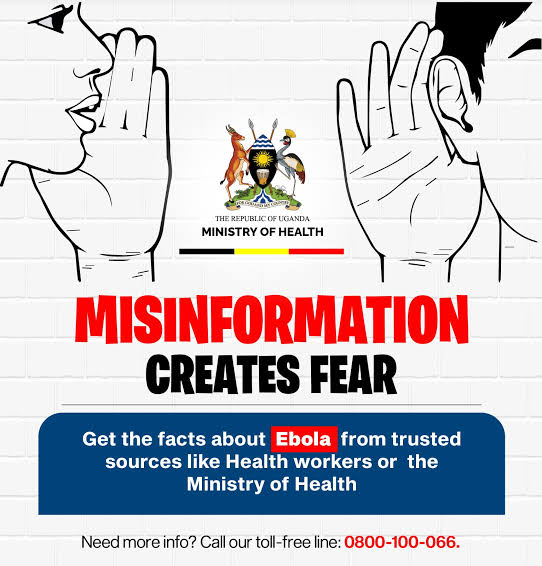
But inside Uganda, the reaction was not fear. It was fury.
As suspected cases crossed 600 and suspected deaths approached 140, Ugandan officials launched an unusual counterattack. They did not aim at the virus. They aimed at the WHO itself. Their accusation was sharp and simple: the United Nations agency was deliberately inflating numbers to shake down donors for cash.
Welcome to the gray zone between global health emergency and economic catastrophe. Here is the truth about the outbreak, the backlash, and why both sides actually have a point.
The Hard Numbers That Everyone Is Fighting Over
Let us start with what nobody disputes. There is a real Ebola outbreak caused by the Bundibugyo virus, a rare strain that has no approved therapeutics or vaccines. Unlike the more famous Zaire strain, which does have treatments, Bundibugyo carries an estimated fatality rate of 25 to 40 percent. That is not a drill. That is a serious public health threat.
According to the latest figures compiled by Al Jazeera, the situation looks like this. There are 600 suspected cases in total across both countries. There are 139 suspected deaths. Inside the Democratic Republic of Congo, 51 cases have been confirmed in Ituri and North Kivu provinces. Inside Uganda, only two cases have been confirmed, both in Kampala, and both were linked directly to travel from DRC. One of those two people died.
The WHO declared a public health emergency of international concern after 300 suspected cases and 88 deaths were initially reported. The outbreak has grown since then, but the critical detail that Ugandans are livid about is simple. The vast majority of those numbers belong to the Democratic Republic of Congo, not Uganda.
Why Ugandans Are Pushing Back, and Why It Is So Fierce
Imagine you run a safari lodge in Queen Elizabeth National Park. Your country has exactly two confirmed Ebola cases, both imported from a neighbor, and zero local transmission chains outside those travelers. Now imagine every major Western news outlet running graphics that say “Uganda DRC Ebola Outbreak” as if the two countries share the same level of risk.
That is not hypothetical. That is exactly what happened.
Ugandan tourism is a pillar of the economy. It relies entirely on international perception. During the massive 2018 to 2020 Ebola outbreak in eastern DRC, which was a different strain and far away from typical tourist routes, bookings across the entire region still collapsed. Ugandans remember that. They remember watching their livelihoods evaporate because of a crisis happening hundreds of miles away in another country.
The core grievance is methodological. The WHO’s headline figures bundle suspected cases, which are based on symptoms like fever and vomiting, together with laboratory confirmed cases. In conflict affected eastern DRC, where health systems are fragile and testing is slow, suspected counts can easily run five or even ten times higher than confirmed ones. That gap creates a fog of war. And that fog creates an opening for accusations of inflation.
Ugandan government officials went further. They accused the WHO of inflating figures specifically to attract more funding from wealthy donor nations. This is not a new charge. During the 2022 Sudan strain Ebola outbreak in Uganda, which was a separate event entirely, similar accusations of number padding circulated. There were also claims that some response funds were diverted away from frontline workers.
The Other Side of the Story, Because the WHO Is Not Just Crying Wolf
Before dismissing the emergency as a fundraising gimmick, it is worth considering what WHO epidemiologists are actually afraid of.
First, Kampala is a city of one and a half million people with a busy international airport. Two confirmed imported cases there means the virus jumped a border and landed in a major urban center. That is exactly how small outbreaks become large ones. That is exactly how past Ebola epidemics began, with just a handful of travelers carrying the virus across a dotted line on a map.
Second, healthcare workers have died. Lab confirmed deaths. That is a classic canary in the coal mine. When medics start falling, it usually means containment protocols have failed somewhere. It means the virus is finding gaps in the defense.
Third, the Bundibugyo strain is a wild card. With no approved vaccine or therapeutic, even a handful of cases can trigger a runaway cluster if health workers do not trace contacts aggressively. The WHO’s nightmare scenario is underreacting, watching the virus simmer undetected in a crowded neighborhood for two weeks, and then explaining to the world why they stayed silent while the outbreak doubled.
From the WHO’s perspective, declaring a public health emergency is not an insult to Uganda. It is an alarm bell designed to unlock funding, deploy emergency coordinators, and fast track vaccine trials. They would rather be accused of overreacting than be remembered for standing still.
A History of Broken Trust That Cannot Be Wiped Away
Here is where the controversy gets genuinely uncomfortable for international health agencies.
During the massive 2018 to 2020 Ebola outbreak in eastern DRC, which killed more than 2,200 people and infected over 3,400, documented corruption was staggering. Investigators found inflated per diems for phantom staff who never showed up for work. They found embezzlement of response funds. They found local communities watching aid workers drive brand new SUVs while burial teams lacked basic gloves.
That history does not stay inside the DRC. It poisons trust across the entire region. When Ugandan officials hear the WHO asking for millions more dollars to fight “600 suspected cases,” they remember the last time international responders showed up with empty promises and fat contracts. They remember watching money disappear while people died.
Community distrust is not irrational. It is learned. And it is very, very hard to unlearn.
Who Is Right? The Honest Answer Nobody Wants to Hear
The healthiest response, and the rarest one, is to hold two truths at the same time.
Truth number one is that this is a real outbreak with documented cross border spread, confirmed deaths, and a dangerous viral strain. Dismissing it entirely as a hoax or a shakedown would be reckless. The Bundibugyo virus does not care about tourism revenue or United Nations budgets. If it finds a foothold in Kampala’s informal settlements, the human cost will be measured in bodies, not press releases.
Truth number two is that the WHO’s practice of bundling suspected and confirmed cases in public headlines, without clear visual breakdowns, is a legitimate transparency failure. When Fox News runs “600 Ebola Cases in Uganda DRC” without specifying that Uganda has only two confirmed cases, that is not rigorous reporting. And when an agency with a documented history of financial mismanagement in the same region asks for more money based on those lumped numbers, skepticism is not unreasonable. It is accountability.
What Should Happen Next, According to People Who Know Both Sides
Three concrete things would cool this fire quickly.
First, transparent dashboards. The WHO and the DRC Ministry of Health should publish daily updates showing suspected cases versus confirmed cases side by side, with clear geographic breakdowns. No more lumping different categories together.
Second, independent auditing. A third party forensic audit of all Ebola response funds spent in the region since 2018 should be conducted and publicly released. Ugandan officials have already called for this. The WHO should agree without hesitation.
Third, risk based travel advisories. Instead of blanket “avoid the region” warnings, advisories should clearly distinguish between active outbreak zones in rural eastern DRC and major Ugandan cities with minimal confirmed cases. Tourism matters. Local economies matter. Blanket warnings hurt the wrong people.
The Bottom Line
This is a real outbreak, but it is a geographically uneven one. The primary crisis remains in eastern DRC, where fragile health systems and armed conflict make containment a nightmare. Uganda has so far contained its imported cases without local transmission. That is a success, not a failure.
But the controversy is not going away. Ugandans are tired of being collateral damage in international health emergencies. They are tired of watching their country’s name attached to headlines that do not reflect the reality on the ground. And the WHO is tired of being accused of profiting from panic.
Both sides have legitimate grievances. Neither side is blameless. The only way out is transparency, clear numbers, independent audits, and reporting that distinguishes between a regional crisis and a global headline.
Because when the next outbreak comes, and it will come, trust will be the only thing that moves faster than the virus.
This post was created with our nice and easy submission form. Create your post!
Written by
A sports Journalist with RabSports Uganda, Advocate for Children’s Rights and Youths, Amazing Storyteller with DW Akademie and UNICEF, Independent Researcher, Student at Muni University
Did this story move you? Every gift goes directly to Tema Innocent — writers on Muwado earn from reader appreciation, not algorithms. Even $1 makes a difference.





Muwado weekly chart
Get Africa’s top 10 stories every Thursday
No account needed — just your email.
Want to follow Tema Innocent and get notified every time they publish?
Create a free Muwado account →