

 Joseph Beraho

Colorectal Cancer in Uganda: The Emergency We’re Not Talking About
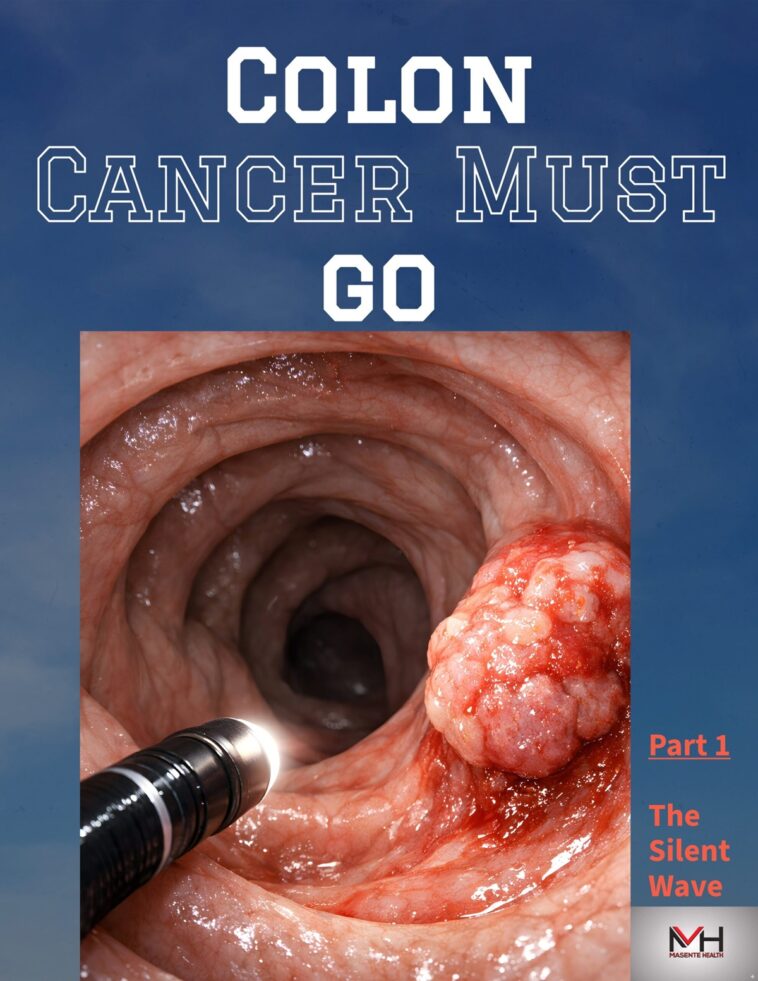
While malaria, HIV, and tuberculosis still dominate Uganda’s health imagination, the data now shows that non‑communicable diseases are rising far faster than most people realize. As our cities expand and lifestyles shift, “lifestyle diseases” are quietly taking center stage. Among them, colorectal cancer (CRC) has emerged as one of the most urgent and least understood threats.
The Hidden Crisis: Cancer Emergencies in Uganda
The tragedy of colorectal cancer in Uganda is not just the diagnosis — it’s the timing. As highlighted in a recent Daily Monitor article, the Executive Director of the Uganda Cancer Institute (UCI), Dr. Jackson Orem, warns of a side of cancer care that rarely reaches the public: the emergency crises that unfold when patients arrive at referral hospitals in a life‑threatening condition.
While public discussions often focus on chemotherapy and long‑term treatment, the reality is far more acute. Many of us present so late that we require crisis‑level interventions for catastrophic complications — massive internal bleeding, bowel obstruction, spinal cord compression. These emergencies claim lives quietly, exposing the gaps in our emergency preparedness and referral systems.
But the most powerful form of emergency preparedness doesn’t happen in an ICU. It happens years earlier, in the clinic. CRC is one of the most preventable common cancers we know — if we act early.
The Reality of CRC in Uganda
For years, colon cancer was dismissed as a Western or elderly disease. The data published in Cancer Medicine now tells a different story:
- Rising incidence: Kampala Cancer Registry data shows CRC increasing by 1.7%–2.2% annually.
- Rising mortality: Between 2010 and 2019, CRC deaths in Uganda rose by 10%.
- Lowest survival in the region: Uganda’s 5‑year survival rate is just 5.6%.
- A coming wave: Public health models project a 140% increase in CRC burden by 2045.
The reason behind this survival gap is simple: we are not screening early enough. National screening efforts have focused on cervical and breast cancer, leaving colorectal health almost entirely in the dark.
Why Early‑Onset CRC Is Increasing
CRC is appearing in younger adults across Sub‑Saharan Africa — and the drivers are becoming clearer. Urbanization has shifted diets toward low‑fiber, highly processed foods that disrupt the gut microbiome and promote inflammation. Sedentary lifestyles, rising obesity, chronic stress, and environmental toxins create a biological environment where precancerous lesions form earlier and progress faster.
These forces don’t act alone — they stack, accelerate, and overwhelm a healthcare system not yet designed to detect CRC early.
The 10‑Year Prevention Window
CRC is uniquely preventable because of how it develops. Almost all cases begin as small, benign polyps on the colon wall:
- Tubular adenomas: classic, stalked, highly visible, easy to remove.
- Sessile serrated polyps: flat, mucus‑covered, harder to detect, and biologically more aggressive.
The critical concept highlighted by longevity expert Peter Attia is the timeline: the journey from normal tissue to polyp to cancer typically takes 10 years or more. That decade‑long window is our opportunity. If a polyp is found and removed, the cancer is not just treated — it is prevented entirely.
But the real opportunity to save lives doesn’t lie in emergency rooms — it lies in the first clinic visit. And that’s where Part 2 will begin. 📍
This article is for educational purposes only and is not a substitute for professional medical advice, diagnosis, or treatment. Colorectal cancer symptoms can vary widely, and individual risk factors differ from person to person. Always consult a qualified clinician or specialist for personalized guidance about screening, diagnosis, or any medical condition. Never ignore professional medical advice or delay seeking care because of information you have read here.
Joseph Beraho, MBChB is a primary care physician at masente.health
This post was created with our nice and easy submission form. Create your post!
Written by
Did this story move you? Every gift goes directly to Joseph Beraho — writers on Muwado earn from reader appreciation, not algorithms. Even $1 makes a difference.






Muwado weekly chart
Get Africa’s top 10 stories every Thursday
No account needed — just your email.
Want to follow Joseph Beraho and get notified every time they publish?
Create a free Muwado account →