

 Ahmed Didaati
For hundreds of Ugandans living with preventable blindness, a free cataract surgery camp is more than a medical interMuhamme it is a chance to reclaim independence, dignity and the simple joy of seeing the world again.
By Ahmed Didaati
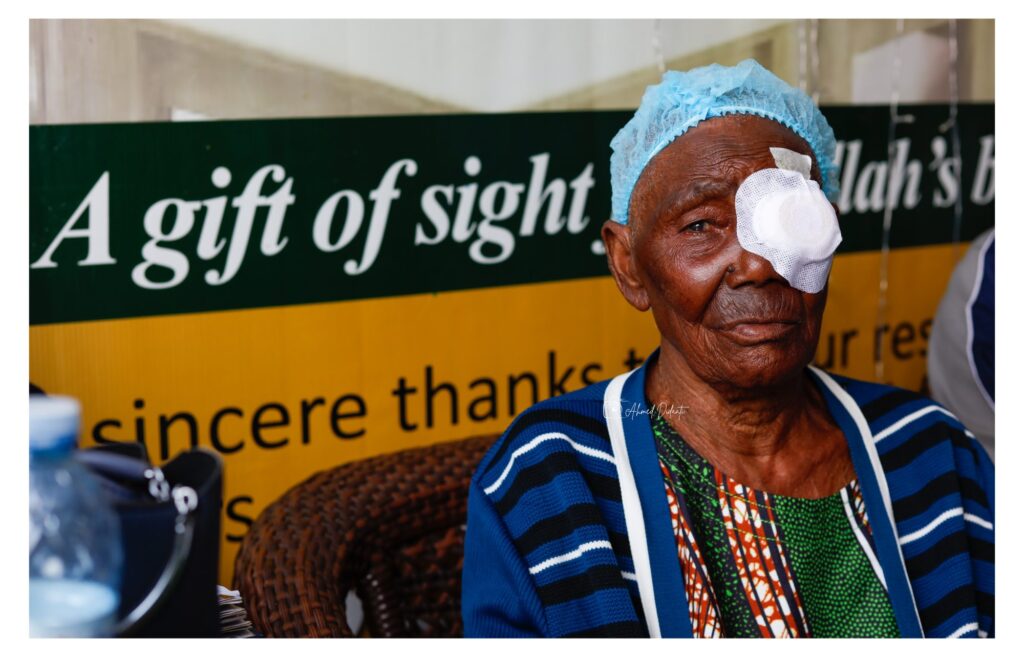
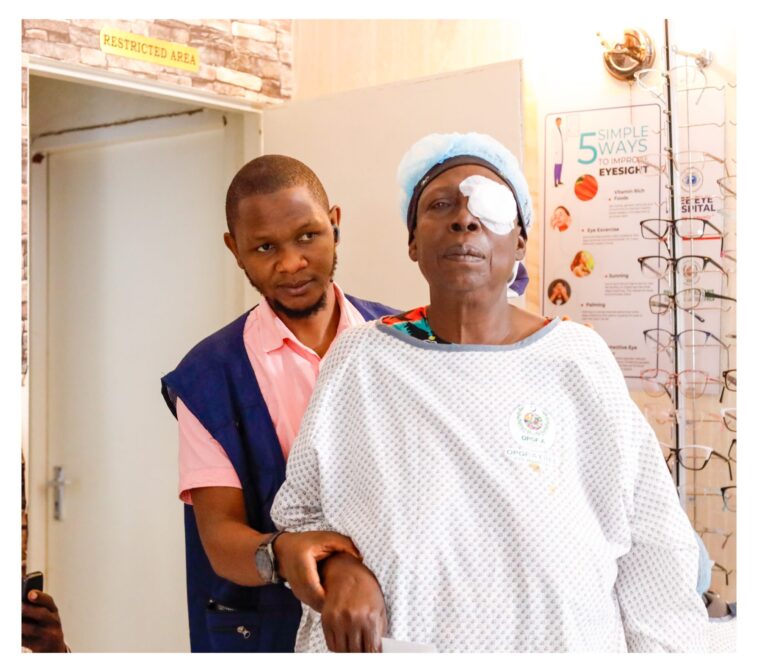
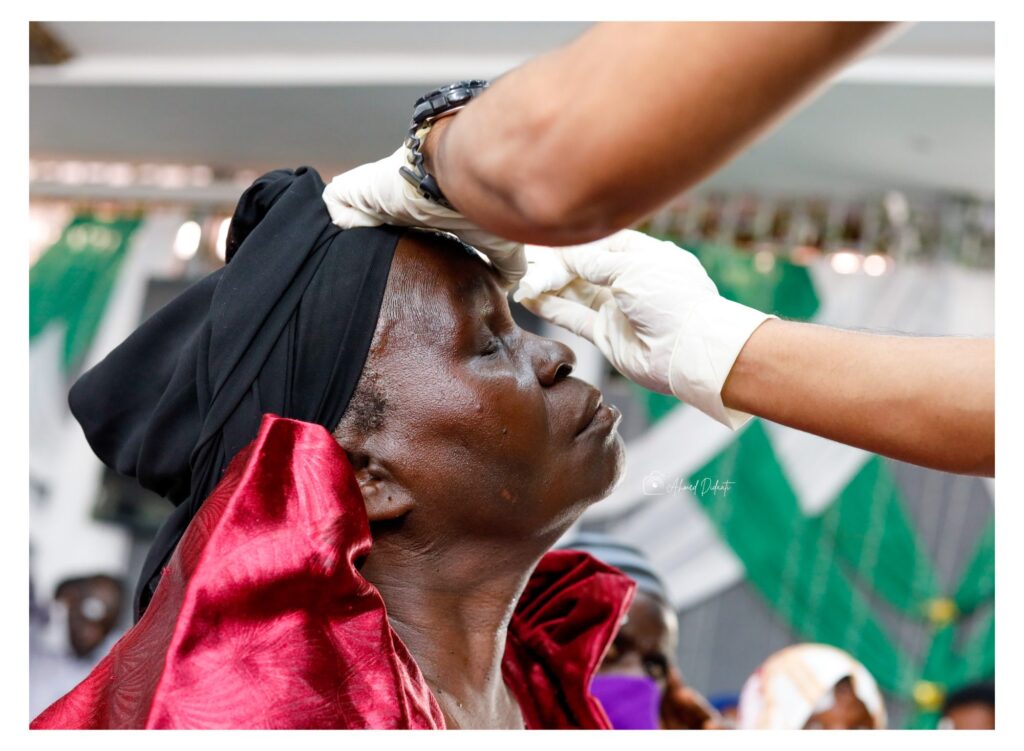
She sits quietly in a recovery room, a white bandage covering one eye while a blue surgical cap still rests on her head. Around her, nurses move from bed to bed checking on patients who, like her, have spent years living in a world that gradually faded into darkness.
The operation is over. But for her, the journey has only just begun.
Within 24 hours, doctors will remove the dressing. She hopes to see the faces of her children clearly again. She hopes to walk without fear of stumbling. She hopes to recognise familiar roads, neighbours and the everyday details that cataracts slowly stole from her.
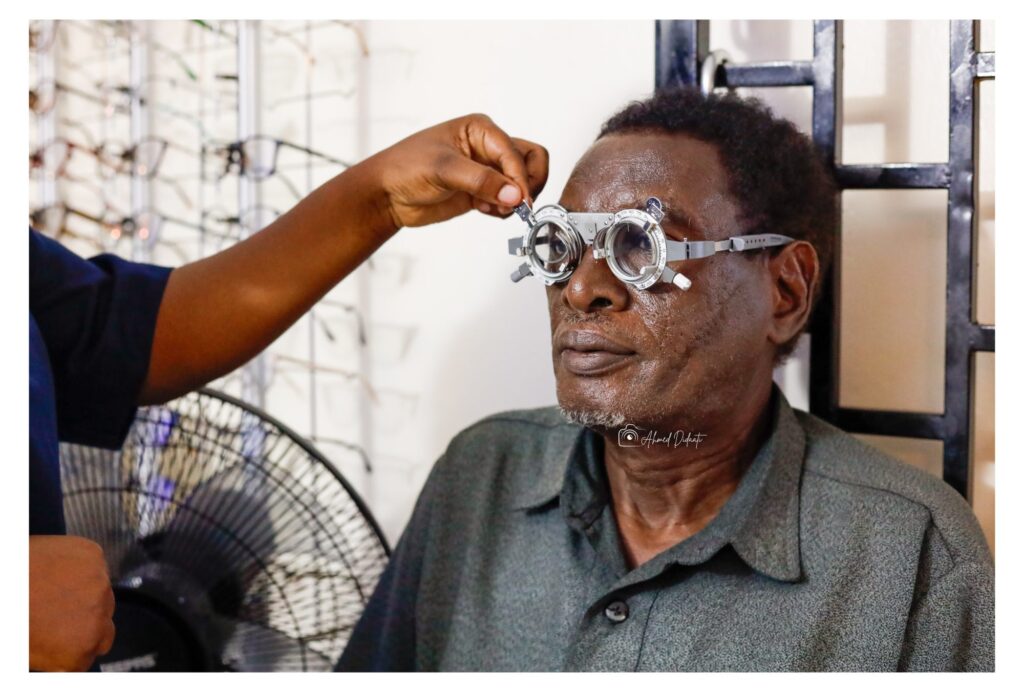
She is one of more than 300 patients expected to benefit from a Free Cataract Surgery Camp organised by One Ummah Uganda in partnership with the Overseas Pakistanis Global Foundation Africa (OPGFA). Running from 9 to 12 July at the OPGFA Free Eye Hospital in Kampala, the outreach is bringing together Ugandans from different districts and refugees living in the country who have struggled to access specialised eye care.
For many, it is not simply a hospital visit.
It is the beginning of seeing life again.
A preventable cause of blindness
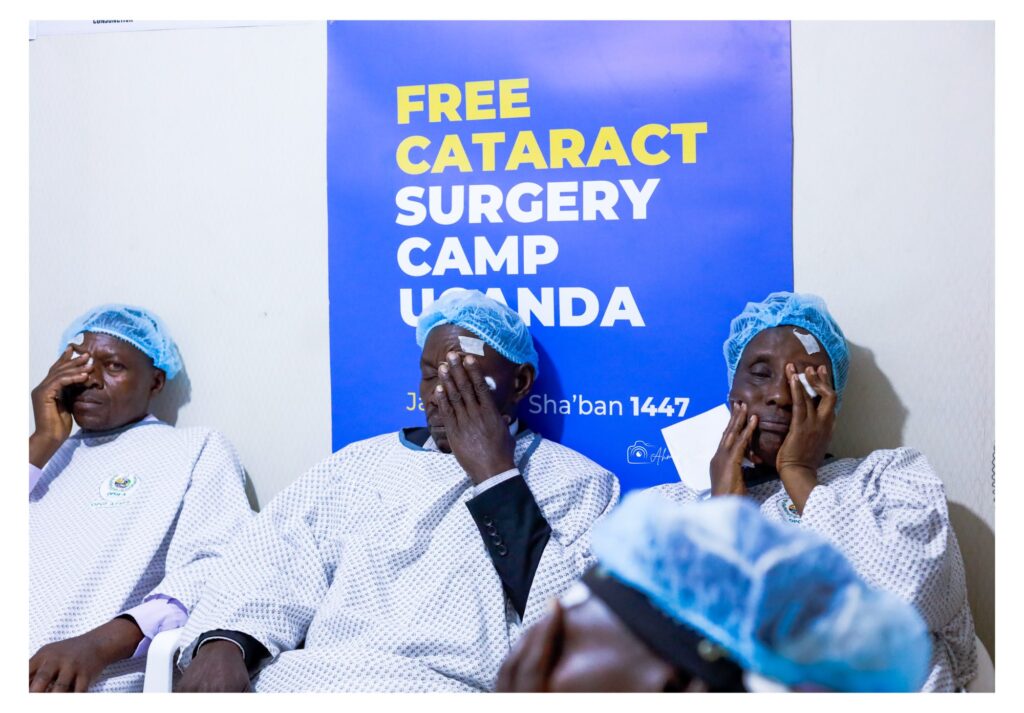 Across Uganda, thousands of people continue to lose their sight because of cataracts a condition that clouds the eye’s natural lens and gradually reduces vision. Although cataract surgery is among the most successful and cost-effective medical procedures in modern healthcare, many patients remain untreated because specialist services are scarce, particularly outside major towns, and the costs of treatment and transport remain beyond the reach of many families.
Eye health experts describe cataracts as the leading cause of blindness in Uganda. The condition disproportionately affects older people, many of whom rely on farming or informal work for survival. As their vision deteriorates, so too does their independence.
For some, blindness means giving up work. For others, it means depending entirely on relatives for everyday activities. Children are sometimes forced to leave school temporarily to care for elderly parents or grandparents who can no longer navigate their surroundings without assistance.
It is a cycle that humanitarian organisations hope to break.
Reaching those left behind
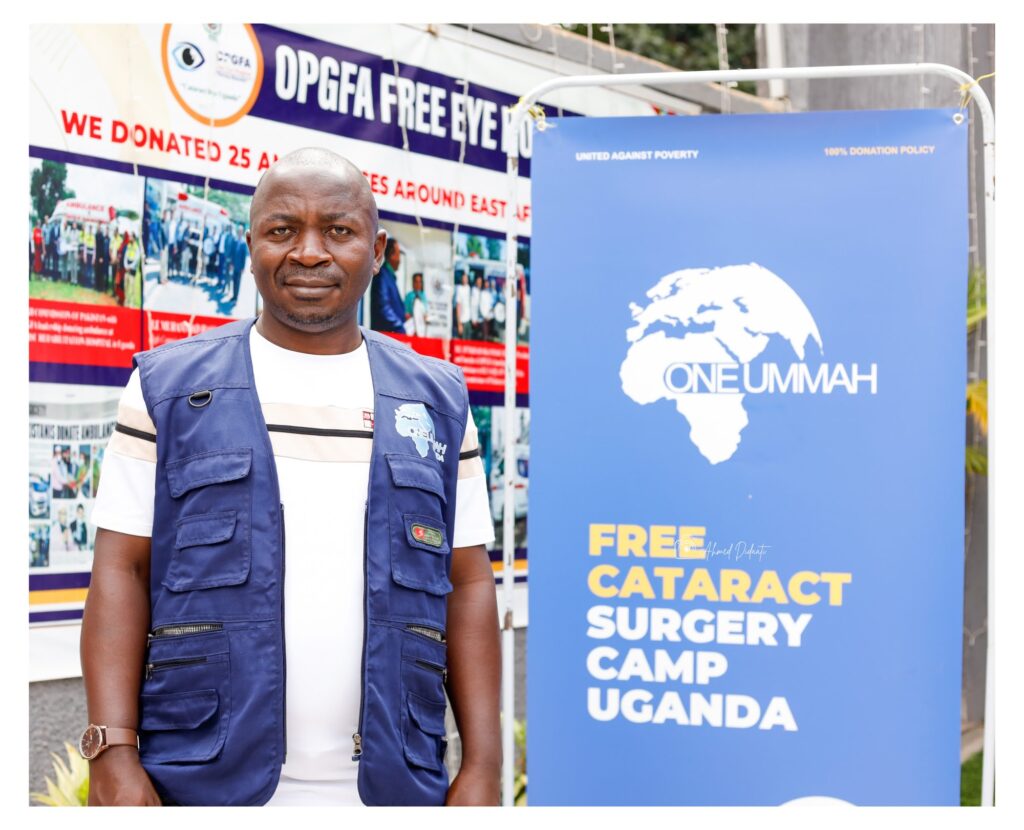 According to Aqram Zziwa, the Operational Officer at One Ummah Uganda, this is the organisation’s second eye camp in collaboration with OPGFA this year.
The first, held in February 2026, restored sight to around 400 beneficiaries from different parts of Uganda.
Encouraged by those results, the partners returned with an expanded programme that now includes refugees alongside Ugandan citizens, recognising that access to healthcare should not depend on nationality or financial status.
“Our vision goes beyond this camp,” Aqram says.
“Our target is to help 100,000 people over the next ten years through eye care programmes and partnerships.”
Yet he acknowledges that the need remains far greater than the organisations can currently meet.
“There are still many people who need these services,” he explains. “One of the biggest challenges is transport. We provide surgery free of charge, but many people living far from Kampala simply cannot afford to travel here.”
His comments reflect a broader challenge facing Uganda’s health system. Free treatment alone does not guarantee access. For patients travelling from remote districts, transport costs can be as significant a barrier as the cost of surgery itself.
Many arrive only after years of declining vision, when daily life has already become a struggle.
Returning for a second chance
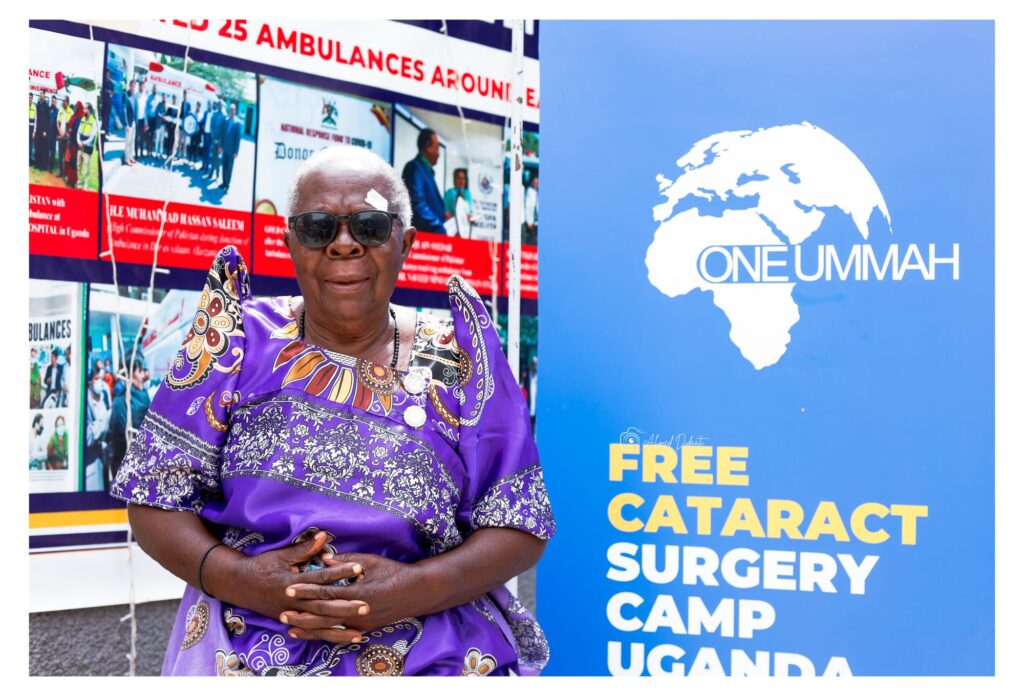 Among the beneficiaries is Felista Nakiberu, a 76-year-old resident of Mukono.
She first attended the eye camp in February, where surgeons successfully operated on her left eye.
Months later, she has returned to complete the treatment.
“I came in February for surgery on my left eye,” she says. “It was successful. Now I have returned for my right eye. Before the surgery I could hardly see anything. I thank One Ummah Uganda and OPGFA for giving me this opportunity.”
For Felista, the journey is about more than restored vision.
It is about regaining confidence, independence and the ability to participate fully in everyday life once again.
Her story also illustrates the importance of sustained healthcare programmes. Rather than offering one-off interventions, repeated outreach enables patients to complete treatment and achieve lasting results.
More than surgery
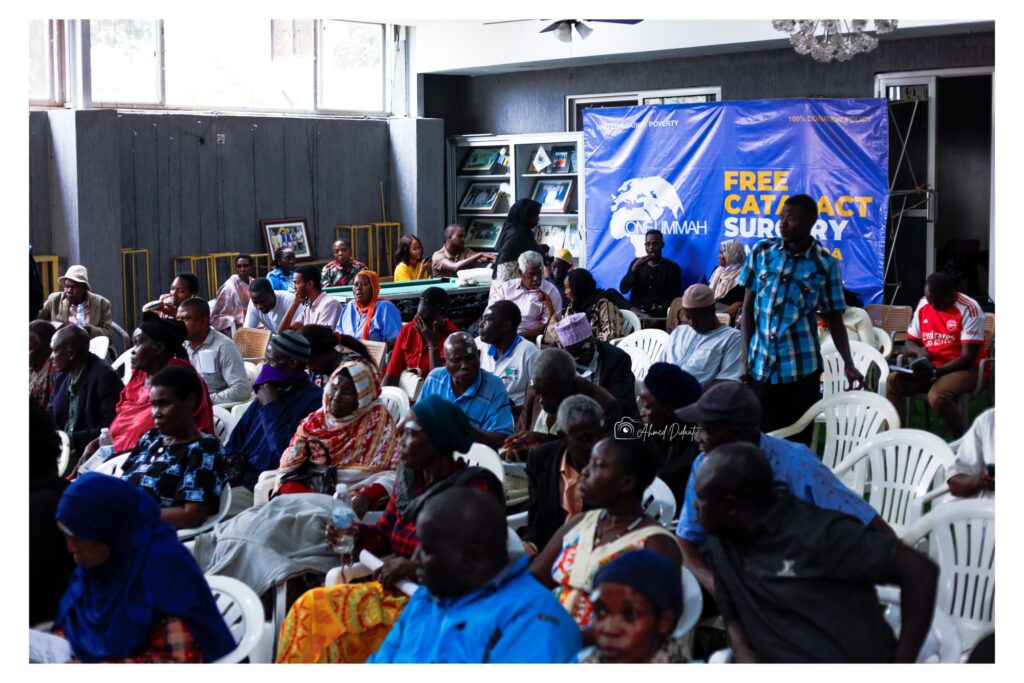 The partnership between One Ummah Uganda and OPGFA reflects a wider belief that addressing preventable blindness requires collaboration between humanitarian organisations, medical professionals and community networks.
While OPGFA provides specialist ophthalmic care through its Free Eye Hospital, One Ummah Uganda mobilises communities, identifies vulnerable patients and supports outreach efforts that connect people with treatment.
Together, they are reaching populations who might otherwise remain excluded from specialist healthcare.
The inclusion of refugees within this programme further reflects a humanitarian approach based on need rather than background, ensuring that those most at risk of avoidable blindness are not left behind.
Restoring dignity
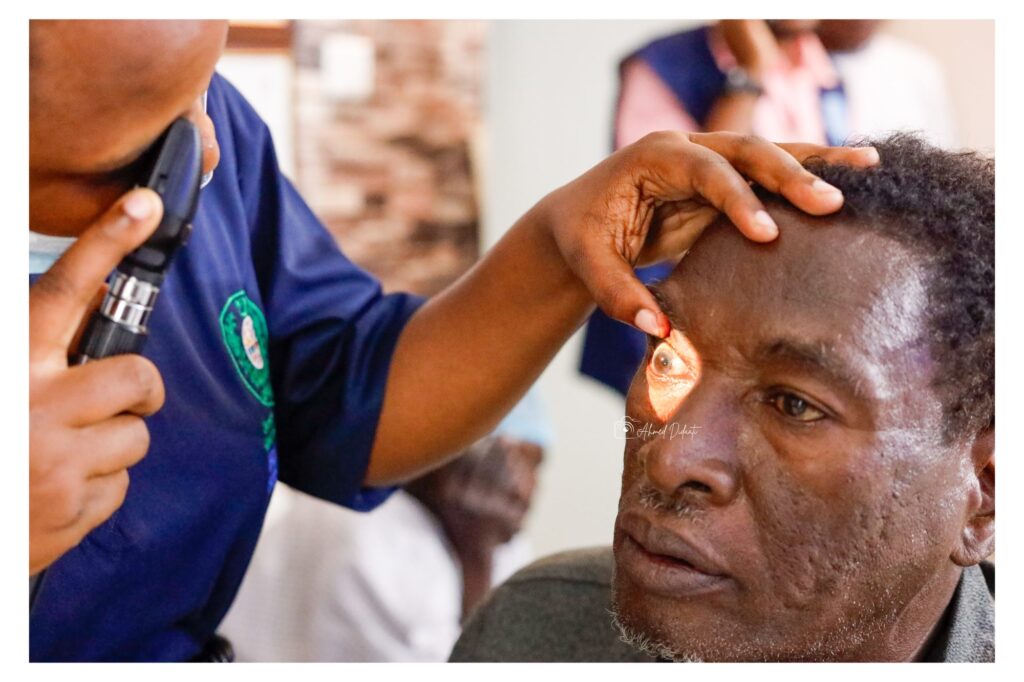 Doctors often describe cataract surgery as routine.
Patients describe it differently.
For an elderly woman, restored sight means recognising the faces of grandchildren she has not seen clearly in years.
For a farmer, it means returning to work.
For a parent, it means walking to the market without assistance.
For an entire family, it means replacing dependence with independence.
These are transformations that cannot be fully captured by medical records or surgical statistics.
They are measured in renewed confidence, restored livelihoods and the quiet joy of seeing the world again.
Looking ahead
As the four-day cataract surgery camp continues, more patients arrive at the hospital carrying the hope that a brief operation can change the course of their lives.
Some have travelled from distant districts. Others are refugees rebuilding their lives in Uganda. Many have spent years believing blindness was an inevitable part of ageing.
Instead, they leave with the possibility of a different future.
For One Ummah Uganda and OPGFA, the camp is another milestone in a longer journey one aimed at restoring sight to 100,000 people over the next decade.
 In a country where preventable blindness continues to affect thousands, that ambition is not simply about numbers.
It is about ensuring that more Ugandans can once again witness the faces they love, return to their livelihoods and rediscover the world that darkness had slowly taken away.
This post was created with our nice and easy submission form. Create your post!
Did this story move you? Every gift goes directly to Ahmed Didaati — writers on Muwado earn from reader appreciation, not algorithms. Even $1 makes a difference.




Muwado weekly chart
Get Africa’s top 10 stories every Thursday
No account needed — just your email.
Want to follow Ahmed Didaati and get notified every time they publish?
Create a free Muwado account →