

 Davis Bamwesigye

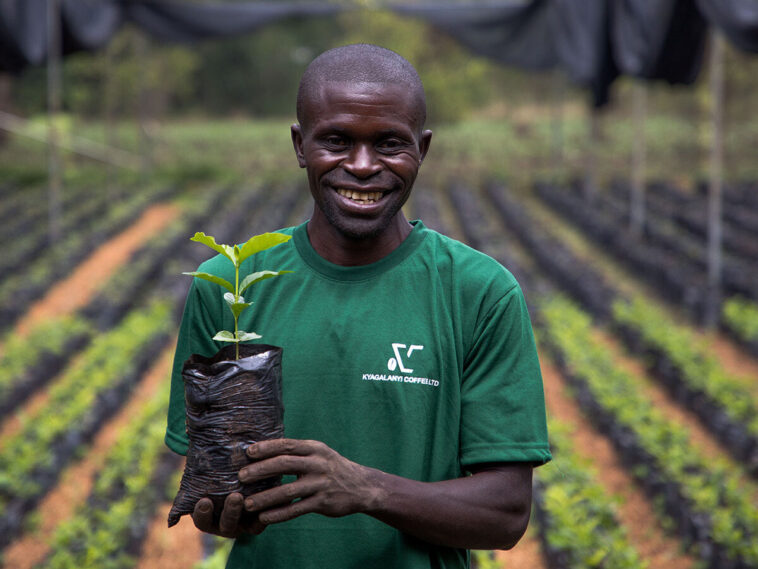
Branded Ugandan coffee can transform local livelihoods while creating strategic value for Volcafe. By linking coffee to its rich cultural heritage, vibrant communities, and breathtaking landscapes from the slopes of Mount Elgon and the Rwenzori Mountains to Lake Victoria and traditional village experiences, farmers gain higher incomes, adopt sustainable practices, and participate in tourism-led opportunities such as farm tours, cultural experiences, and local markets.
Communities benefit through job creation, youth and women empowerment, and preservation of traditions , while tourists experience authentic Ugandan culture and natural beauty alongside coffee origins. For Volcafe, this origin branding strengthens supply chain differentiation, enables premium pricing, and builds buyer loyalty by offering traceable, sustainable, and story-driven coffee .
In essence, branding Ugandan coffee turns every cup into a journey. Supporting local development, celebrating Uganda’s unique heritage, and driving sustainable growth for Volcafe.The
coffee industry is at a strategic inflection point. Climate change, evolving consumer expectations, digital disruption, and increasing scrutiny on sustainability are reshaping how coffee is produced, traded, and consumed. Traditional commodity-based trading models are under pressure to evolve toward more resilient, transparent, and value-driven systems. For Volcafe, as a leading global coffee merchant, this transition presents both risk and opportunity.
This paper proposes a digitally enabled, sustainability-linked origin model for Ugandan coffee , integrating coffee trading, climate-smart production, local market engagement, and coffee tourism in partnership with the Uganda Tourism Board (UTB). The core idea is to reposition Ugandan coffee from a largely undifferentiated commodity to a traceable, experience-based origin , generating measurable business value while delivering environmental and social impact.
The proposed model is forward-looking yet practical . It builds on Volcafe’s existing sourcing relationships, sustainability programs, and digital capabilities, allowing for a low-risk pilot in selected Ugandan coffee regions, with clear pathways for scaling across other origins. By linking digital traceability, farmer incentives, and origin storytelling to global markets, Volcafe can strengthen supply chain resilience, access premium markets, and reinforce its leadership in sustainable coffee trading.
1. Background and Industry Context
1.1 Global Coffee Industry Dynamics
The coffee sector faces intensifying structural challenges. Climate variability is reducing yields, increasing production risks, and threatening long-term supply stability. At the same time, regulatory pressure and consumer awareness are driving demand for traceability, environmental accountability, and social responsibility. Buyers increasingly expect coffee to come with verifiable data on origin, sustainability practices, and impact.
Concurrently, consumer preferences are shifting away from anonymous commodities toward products with identity, story, and values . Specialty and premium segments continue to grow, while even mainstream markets are demanding greater transparency and differentiation.
1.2 Uganda’s Strategic Importance and Constraints
Uganda is one of Africa’s largest coffee producers, supplying both Robusta and Arabica to global markets. Despite this scale, Ugandan coffee often trades with limited origin differentiation and relatively low value capture at farm level. Structural constraints include fragmented smallholder production, limited branding at origin, and insufficient incentives for farmers to invest in climate-smart practices.
At the same time, Uganda possesses underutilized strengths: diverse coffee landscapes, strong cultural narratives, growing tourism potential, and a young population capable of supporting digital and service-based innovation. These attributes present an opportunity to reposition Ugandan coffee within Volcafe’s global portfolio.
2. Problem Statement
Despite increasing global demand for sustainable and traceable coffee, several interrelated challenges persist:
1. Commodity Dependence: Ugandan coffee is predominantly sold as bulk origin, limiting price premiums and buyer loyalty.
2. Weak Sustainability Incentives: Farmers face climate risks but often lack direct financial motivation to adopt climate-smart practices.
3. Limited Digital Integration: Traceability systems are underutilized as value-creation tools beyond compliance.
4. Missed Local Market and Tourism Opportunities: Coffee-producing regions remain largely disconnected from tourism, job creation, and origin branding.
3. Proposed Concept Overview
This paper proposes the “Origin-to-Market Digital Sustainability Model” for Ugandan coffee. The concept integrates four core components;
1. Digital traceability from farm to export
2. Sustainability-linked farmer incentives
3. Origin storytelling and market differentiation
4. Local market and coffee tourism integration
Under this model, selected Ugandan coffee lots supplied to Volcafe are digitally traceable, sustainability-certified, and linked to compelling origin narratives. These narratives are reinforced through partnerships with UTB, enabling both virtual and physical engagement with coffee origins.
The objective is not to replace Volcafe’s core trading model, but to enhance it by embedding value creation at origin.
4. Strategic Relevance to Volcafe
4.1 Alignment with Volcafe’s Future Direction
Volcafe’s strategic priorities include sustainability leadership, supply chain resilience, digital transformation, and market differentiation. The proposed model directly supports these priorities by:
Strengthening long-term supplier relationships
Improving transparency and compliance readiness
Enabling premium positioning in global markets
Enhancing data-driven decision-making
4.2 Integration into Existing Operations
The concept leverages Volcafe’s existing operational strengths
Established sourcing networks in Uganda
Sustainability frameworks and farmer engagement programs
Digital trading and traceability infrastructure
Relationships with global roasters and buyers
As such, implementation does not require radical restructuring, but rather strategic integration and enhancement .
5. Sustainability and Climate Impact
5.1 Climate-Smart Production Incentives
The model links participation to adoption of climate-smart practices such as:
•Shade-grown coffee systems
•Soil conservation and mulching
•Water-efficient processing
•Agroforestry integration
•Farmers receive preferential market access and potential price premiums, creating a direct economic incentive for sustainable behavior.
5.2 Environmental Outcomes
Expected environmental benefits include:
•Improved soil health and water retention
•Reduced deforestation pressure
•Enhanced biodiversity
•Greater climate resilience at farm level
By increasing value per hectare, the model discourages expansion into fragile ecosystems.
6. Digital Transformation in Coffee Trading
6.1 Digital Traceability Framework
Each participating coffee lot is assigned a digital identity linked to:
•Farmer group and location
•Sustainability practices
•Social impact indicators
•Quality attributes
6.2 Strategic Use of Data
Beyond compliance, digital data enables:
•Enhanced buyer engagement
•Improved sustainability reporting
•Risk assessment and supply forecasting
•Story-driven marketing and sales support
7. Future Consumer Trends and Market Expansion
7.1 Responding to Consumer Expectations
Consumers increasingly seek:
•Transparency and authenticity
•Ethical sourcing
•Experiential engagement
By offering coffee that is digitally traceable and linked to real people and places, Volcafe strengthens its appeal to premium, specialty, and impact-driven buyers.
7.2 Market Opportunities
The model supports:
•Premium pricing strategies
•Long-term buyer contracts
•Expansion into specialty and experiential segments
•Enhanced brand equity for Volcafe-sourced origins
8. Social Impact and Community Development
8.1 Job Creation and Skills Development
The integration of coffee tourism and local market engagement creates new roles:
•Coffee tour guides
•Baristas and roasters
•Quality technicians
•Digital content and storytelling roles
Youth and women are prioritized for training and participation.
8.2 Community Empowerment
By elevating origin identity, communities gain:
•Increased pride in local production
•Diversified income streams
•Greater resilience to price volatility
9. Implementation and Feasibility
9.1 Pilot Phase
Select 1–2 regions with existing Volcafe supplier relationships
Start with limited volumes
Partner with UTB and local cooperatives
Integrate with existing digital platforms
9.2 Risk Management
Key risks include adoption resistance, cost escalation, and market uptake. These are mitigated through phased rollout, training, and targeted buyer engagement.
10. Monitoring and Key Performance Indicators
Proposed KPIs include:
Percentage of traceable coffee volumes
Farmer adoption of climate-smart practices
Price premiums achieved
Jobs created
Buyer engagement metrics
Conclusion
This paper presents a forward-looking yet practical model for enhancing Volcafe’s global coffee operations through digitally enabled sustainability and origin differentiation. By transforming Ugandan coffee from a commodity into an experience, Volcafe can strengthen supply resilience, unlock new value, and lead the industry toward a more sustainable future.
The proposed model aligns commercial success with environmental stewardship and social development, positioning Volcafe not only as a trader of coffee, but as a strategic architect of the future coffee value chain.
This post was created with our nice and easy submission form. Create your post!

Written by
I am a electrician with a strong passion for renewable energy and sustainable power systems. My mission is to play a key role in Uganda’s energy transition by 2040, driving innovations that deliver cleaner and more reliable energy for communities and industries.
Did this story move you? Every gift goes directly to Davis Bamwesigye — writers on Muwado earn from reader appreciation, not algorithms. Even $1 makes a difference.





Muwado weekly chart
Get Africa’s top 10 stories every Thursday
No account needed — just your email.
Want to follow Davis Bamwesigye and get notified every time they publish?
Create a free Muwado account →